Table of Contents >> Show >> Hide
- Before You Pick Up Anything: The Hamster Pre-Flight Checklist
- Way #1: The Two-Hand Scoop (a.k.a. The “Cupped Hands Cradle”)
- Way #2: The Mug-or-Tunnel Transfer (a.k.a. “Hamster Uber”)
- Way #3: The Step-On Hand Ramp (a.k.a. “Let Them Choose You”)
- Common Mistakes That Turn Hamsters Into Tiny Ninjas
- What If You Get Bit?
- Bonus: How to Teach Kids to Hold a Hamster Safely (Without the Chaos Montage)
- of First-Time Handling Experiences (What New Hamster Parents Commonly Run Into)
- Conclusion
Picking up a hamster for the first time feels like trying to hold a caffeinated jellybean that has strong opinions about personal space. One second they’re a fuzzy potato. The next they’re a blur with whiskers. The good news: you don’t need ninja reflexesyou need a plan, good timing, and hands that say “safe ride” instead of “giant claw machine.”
This guide gives you three beginner-friendly ways to pick up a hamster for the first timewithout panic-gripping, accidental wake-up bites, or the classic “How did you teleport behind the couch?” incident. We’ll keep it practical, a little funny, and very hamster-centered.
Before You Pick Up Anything: The Hamster Pre-Flight Checklist
The easiest way to pick up a hamster safely is to set things up so the hamster feels safe before your hands ever leave the “neutral zone.” Hamsters are prey animals, and “picked up” can sound like “I have been selected for snack duty” in their tiny brainsespecially at first.
1) Confirm your hamster is awake (for real awake)
A sleepy hamster can be a bitey hamster. If they’re curled up in their nest, don’t scoop them like you’re grabbing a warm dinner roll. Instead, wake them gently: talk softly, rustle bedding nearby, and wait for visible “I’m conscious” signssniffing, moving, checking the air. If you startle them awake, they may bite out of confusion and fear.
2) Wash your hands and remove “mystery snack” smells
Hamsters navigate the world through scent. If your hands smell like banana, peanut butter, or anything that belongs in a lunchbox, your hamster may interpret your finger as the appetizer. Wash with mild soap, rinse well, and skip strongly scented lotions right before handling.
3) Pick a safe handling zone
- Low height: Stay close to the floor, a bed, or a padded surface. Hamsters are fast and can leap.
- Soft landing: Use a towel on your lap or handle over bedding to reduce injury risk if they jump.
- Quiet room: No barking dogs, no grabby toddlers, no dramatic door slams.
4) Read the hamster’s “body language subtitles”
- Good to proceed: Curious sniffing, taking treats, relaxed posture, steady movement.
- Pause: Freezing, intense skittering, loud squeaks, frantic hiding, repeated “don’t touch me” dodges.
- Stop: Open-mouth threat posture, lunging, teeth chattering, or panic running.
If your hamster isn’t ready today, that’s not a failure; it’s a scheduling issue. You’re building trust, not wrestling a grape.
Way #1: The Two-Hand Scoop (a.k.a. The “Cupped Hands Cradle”)
This is the classic methodand for a hamster that’s reasonably calm and awake, it’s often the smoothest. The idea is simple: you’re making a safe little “bowl” with your hands, supporting the whole body, not pinching or gripping. Think: “gentle elevator,” not “claw crane.”
Step-by-step
- Start inside the enclosure (or a playpen) so any hop-off is still safe.
- Place one hand on each side of the hamster, palms facing inward, fingers curved like you’re about to hold water.
- Slide your hands under the belly and bring them together so the hamster is supported from below.
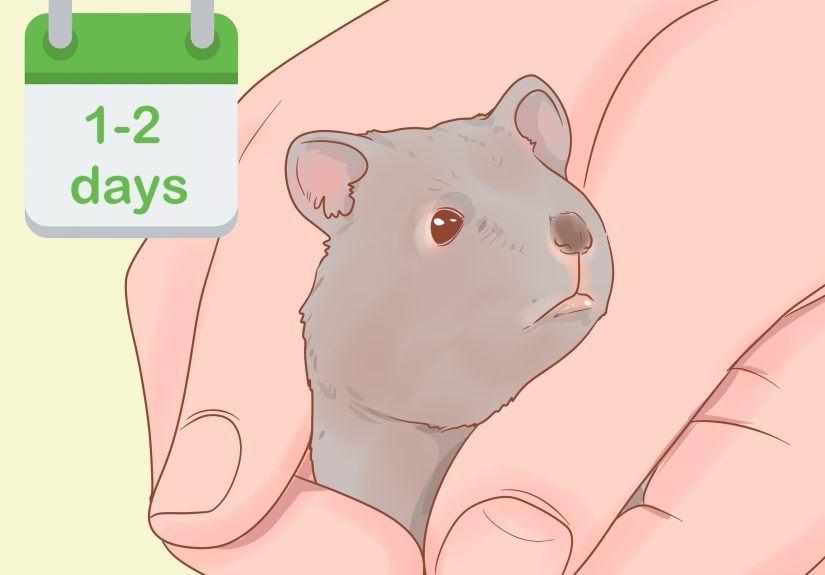
- Lift only an inch or two at firstyes, really. Your first goal is “calm contact,” not “full aerial tour.”
- Hold briefly (5–10 seconds), then gently set them back down and offer a treat.
Why it works
Hamsters generally feel safer when their feet are supported. A full-body cradle reduces the “I’m falling!” feeling that triggers squirming, biting, or launching into orbit. If you repeat short, calm scoops, your hamster learns your hands predict good outcomes.
Common rookie mistakes (avoid these)
- Squeezing the sides: Hamsters are not stress balls. Support, don’t compress.
- Lifting too high: “Just a little higher” is how people meet the underside of their coffee table.
- Holding too long: Many hamsters tolerate short handling better than marathon cuddles.
Way #2: The Mug-or-Tunnel Transfer (a.k.a. “Hamster Uber”)
If your hamster is still hand-shyor you’re still confidence-shythis method is your best friend. Instead of scooping with hands immediately, you invite your hamster into a container (a mug, small bowl, measuring cup, or a tunnel), then transfer them safely. It’s less scary for many hamsters because it feels like entering a hiding spot, not getting grabbed.
What you’ll need
- A sturdy mug or small container with smooth sides (clean, dry, no soap residue)
- Or a hamster-safe tunnel/hide
- A high-value treat (tiny piecethink “sample size,” not “buffet”)
Step-by-step
- Place the container in the enclosure near the hamster, opening facing them.
- Drop a treat inside and wait. Let curiosity do the heavy lifting.
- When the hamster climbs in, lift the container slowly and keep it close to the bedding or your lap.
- To move them to your hands, tilt the container so they can step out onto your cupped hands (or onto a towel on your lap).
- Return them the same way if they seem unsurecontainer back into the cage, let them walk out on their terms.
Why it works
You’re giving your hamster control and choice, which is basically the love language of small prey animals. It also prevents “chasing,” which turns handling into a horror movie (for the hamster) and a cardio session (for you).
Pro tip: Container method doubles as safe transport
Once your hamster trusts the “Uber mug,” you can use it for cage cleaning, health checks, and moving to a playpen. It’s a low-stress routine that keeps hands from becoming the “grabby thing.”
Way #3: The Step-On Hand Ramp (a.k.a. “Let Them Choose You”)
This method is ideal for hamsters that don’t like being approached from above. Instead of scooping, you turn your hand into a platform and let your hamster walk onto itthen you lift gradually. It’s slower, but it builds trust like compound interest.
Step-by-step
- Place your hand flat on the bedding, palm down or slightly cupped, fingers relaxed.
- Offer a treat near your fingertips so your hamster approaches your hand voluntarily.
- Let them step on even if it’s just front paws at first. Reward that.
- When they climb fully onto your hand, keep your hand low and still for a few seconds.
- Lift slowly by fractionsan inch, pause, set down. Repeat. Over time, your hamster learns “lift” doesn’t mean “danger.”
Level-up variation: The “step-down” trick
Some hamsters prefer stepping down onto a hand rather than being reached for. You can use a platform (like a hide roof or low ledge) and place your hand below it, offering a treat so the hamster steps down onto you. This reduces the “predator from above” feeling.
If your hamster is extra spicy: the towel assist
For a hamster that’s nervous or squirmy, a soft towel on your lap can help. You’re not wrapping them like a burrito (please don’t improvise), but giving them traction and a soft surface so they feel less exposed. The towel also makes sudden hops less dramatic.
Common Mistakes That Turn Hamsters Into Tiny Ninjas
If hamsters had a group chat, these would be the top reasons they’d warn each other about humans:
- Grabbing from above: Predators do that. Be the elevator, not the hawk.
- Picking up a sleeping hamster: Surprise = fear = bite risk.
- Chasing them around the cage: You’re teaching them hands are scary.
- Holding too tightly: It increases panic and can injure them.
- Holding by the tail: Never. Also: absolutely never.
- Skipping the “short sessions” phase: Trust is built in reps, not in one epic cuddle attempt.
What If You Get Bit?
First: don’t fling your hamster. It’s a natural reflex, but it’s dangerous for them and it makes them more afraid next time. Instead, stay still, lower your hands to a safe surface, and let them step off.
Basic first aid
- Wash the wound with soap and running water.
- Apply a thin layer of antibiotic ointment and cover with a clean bandage.
- Get medical advice if the bite is deep, won’t stop bleeding, shows infection signs, or you’re immunocompromised.
Then zoom out: hamster bites are usually fear bites. The fix is almost always slower handling, better timing, and more “choice-based” interaction.
Bonus: How to Teach Kids to Hold a Hamster Safely (Without the Chaos Montage)
Hamsters can be wonderful pets for families, but “kid excited” and “hamster comfortable” don’t automatically overlap. If a child is handling the hamster, aim for a calm, coached process:
- Adult sets up the session (quiet room, low surface, towel down).
- Use the container method first so the hamster isn’t grabbed.
- Teach the “two-hand bowl” and keep handling short.
- Supervise every timehamsters are quick, and kids are… also quick.
A good rule: if the hamster looks stressed, the session ends. Not as punishmentjust as good animal manners.
of First-Time Handling Experiences (What New Hamster Parents Commonly Run Into)
Let’s talk about the part nobody puts on the cute “Welcome Home, Hammy!” brochure: the first week is a comedy of tiny misunderstandings. Not because you’re doing it wrongbecause you and your hamster are learning each other’s rules. Here are a few experiences that new hamster owners commonly describe, plus what usually helps.
The “I Thought You Were Awake” Moment
Many first-timers learn the hard way that hamsters can look awake while still being “mentally in airplane mode.” You reach in, they jolt, and suddenly your finger is in a brief but passionate relationship with hamster teeth. The fix is boring but effective: give wake-up time. Talk softly. Tap bedding nearby. Wait for normal movement and curious sniffing. Once owners slow the pace and handle during the hamster’s naturally active hours (often evening), the bite risk usually drops fast.
The “Hands Are Scary, But Mugs Are Fine” Discovery
A surprisingly common win: the hamster wants nothing to do with hands… yet happily climbs into a tunnel or mug like it’s checking into a luxury hotel. New owners often feel weird about thislike they’re “cheating” at bonding. But choice-based handling isn’t cheating; it’s smart. People who stick with the mug/tunnel transfer for a few days often report a sudden shift: the hamster begins to linger near the container, then near the hand holding the treat, and eventually steps onto the hand itself. The hamster isn’t becoming “braver” out of nowhere; it’s recognizing a predictable pattern: approach = treat, container = safe, hands = not a trap.
The Great Escape That Humble-Brags Forever
Almost every hamster community has a version of this story: “I picked him up, he seemed calm, then he teleported.” Hamsters are fast and can launch if they feel insecure. New owners often learn that confidence isn’t the same as stability. A hamster can look calm and still be one unexpected noise away from a hop. The practical lesson people take from this: handle low and over a soft surface. Sit on the floor or kneel by a bed. Use a towel on your lap like a safety net. Keep early holds short, then end on a win before the hamster gets antsy. Over time, as handling becomes routine, those escape attempts often fadebecause the hamster stops treating your hands like a moving earthquake.
The “My Hamster Hates Cuddles” Reality Check (That’s Actually Okay)
Some new owners expect a hamster to behave like a tiny dog. Then they discover the truth: many hamsters tolerate being held, but don’t necessarily love it for long stretches. Owners who have the best long-term experiences often adjust their definition of bonding. Bonding can look like: the hamster takes treats gently, climbs onto your hand willingly, lets you transfer them for cage cleaning, and explores you like a mobile jungle gym for a minute or two. That’s a real relationshipin hamster terms. Once people stop aiming for “snuggle sessions” and start aiming for “safe, predictable handling,” both human and hamster usually relax.
Conclusion
The first time you pick up a hamster, you’re not proving dominanceyou’re building trust. Start with the safest setup (awake hamster, low height, calm room), then choose the method that matches your hamster’s comfort level: the two-hand scoop for calmer hamsters, the mug/tunnel transfer for cautious ones, and the step-on hand ramp for trust-building at a slower pace. Keep sessions short, reward often, and remember: your hamster isn’t being “difficult”they’re being a hamster. And with the right approach, that tiny whiskered drama queen will usually learn that your hands are a safe place to be.