Table of Contents >> Show >> Hide
- Before You Turn Junk Into Garden Gold
- 1. Vintage Toolbox Herb Planter
- 2. Dresser Drawer Flower Box
- 3. Colander Hanging Planter
- 4. Salvaged Wooden Crate Produce Planter
- 5. Wheelbarrow Rolling Flower Bed
- 6. Washtub or Copper Tub Statement Planter
- 7. Pallet Wall Planter
- 8. Rain Gutter Strawberry Planter
- 9. Cinder Block Succulent Grid
- 10. Milk Crate Planter with Liner
- 11. Chair Planter with Personality
- 12. Salvaged Window Frame Planter Box
- How to Make Repurposed Planters Look Intentional
- Why Salvaged Material Planters Are Worth the Effort
- Experience: What Repurposed Planters Teach You After a Full Season
If you’ve ever looked at an old toolbox, a dented wash tub, or a chair that has clearly retired from chair duties and thought, “You know what you need? Soil,” congratulations. You already understand the magic of repurposed planters.
Using salvaged materials in the garden is one of the easiest ways to create a space that feels personal, affordable, and far less cookie-cutter than a patio full of identical plastic pots. Better yet, repurposed planters bring character. A rusty metal bin tells a story. A weathered drawer adds charm. An old wheelbarrow practically begs to become the star of the yard.
But great repurposed planters are not just quirky props with petunias stuffed into them. The best ones balance style with function. That means thinking about drainage holes, root space, weight, sun exposure, and whether the material is actually safe for the plants you want to grow. In other words, your upcycled garden container can be adorable, but it still has to do its job.
Below, you’ll find 12 creative ideas for repurposed planters made from salvaged materials, plus practical design tips to help them thrive instead of becoming a soggy plant graveyard. Because “vintage-inspired” is charming. “Accidentally drowned basil” is less so.
Before You Turn Junk Into Garden Gold
Before diving into the fun stuff, remember three basic rules of successful container gardening. First, nearly every planter needs drainage. If your salvaged container does not already have holes, you’ll usually need to drill them. Second, use a quality potting mix rather than dense garden soil, which tends to compact in containers. Third, match the planter size to the plant. Tiny roots in a giant stock tank are usually fine. A sprawling tomato in a teacup is a cry for help.
It also helps to clean reused containers thoroughly before planting, especially if they held old soil or were rescued from a shed, garage, or mystery corner of the yard. And for edible plants, be selective about materials. Avoid anything that may leach questionable chemicals, such as old railroad ties or older treated wood with a murky past. Rustic is good. Risky is not.
1. Vintage Toolbox Herb Planter
An old metal toolbox makes a fantastic herb planter with serious farmhouse style. Its long, narrow shape is ideal for shallow-rooted herbs like thyme, parsley, chives, and basil. The handle adds visual charm, and the weathered paint gives it that “I absolutely meant to make it look this cool” finish.
Why it works
A toolbox naturally creates a tidy, linear arrangement, which is perfect for kitchen herbs. Set it near a back door or on a sunny patio table, and it instantly becomes both decor and dinner support staff.
Best planting tip
Drill drainage holes in the bottom and add potting mix that drains well. Because metal can heat up quickly in direct sun, place it where plants get plenty of light but not the kind of afternoon blast that turns basil into steamed basil.
2. Dresser Drawer Flower Box
If an old dresser has seen better decades, pull out a drawer and give it a second life as a flower box. A salvaged drawer looks charming on a porch, beneath a window, or tucked into a garden corner with a burst of annual color.
Why it works
Drawers are roomy enough for layered plantings, so you can create that lush “thriller, filler, spiller” effect without spending half your weekend playing plant Tetris. Think coleus for height, calibrachoa for fullness, and ivy or sweet potato vine for spillover drama.
Best planting tip
Line the inside with landscape fabric if the wood is rough, and drill drainage holes through the bottom. If you’re growing edibles, use untreated or food-safe sealed wood. A little age is charming. Chemical mystery stains are not.
3. Colander Hanging Planter
Yes, the old colander in the thrift-store bin deserves a redemption arc. Thanks to its built-in perforations, it is almost begging to become a hanging planter for trailing flowers or strawberries.
Why it works
A colander already has excellent drainage and a lightweight profile. It also adds a cheerful cottage look, especially when suspended with chain or sturdy twine.
Best planting tip
Line it with coco liner, moss, or landscape fabric so the soil stays put. Then plant compact spillers like lobelia, bacopa, or trailing nasturtiums. Hang it where the holes can do their job instead of dumping water directly onto your favorite chair cushion.
4. Salvaged Wooden Crate Produce Planter
Old fruit crates, wine boxes, and wooden produce boxes are basically the darlings of the upcycled garden container world. They are easy to find, easy to style, and easy to plant.
Why it works
Their boxy shape suits everything from lettuce and pansies to dwarf peppers and succulents. They also fit beautifully into small-space gardens because they stack well, sit neatly on shelves, and look intentional rather than accidental.
Best planting tip
Add a liner, drill a few extra holes if needed, and elevate the crate slightly off the ground so water can drain freely. These planters are especially good for shallow-rooted crops and seasonal color.
5. Wheelbarrow Rolling Flower Bed
An old wheelbarrow may no longer be trustworthy with gravel, but it can absolutely become a dramatic mobile planter. Fill it with bright annuals, ornamental grasses, or even a loose, cottage-style mix that looks like it rolled straight out of a storybook.
Why it works
The depth allows for bigger root systems, and the wheels make it easier to move into better light or shelter during rough weather. It is also one of the quickest ways to make the garden look whimsical without crossing into full fairy-village territory.
Best planting tip
Check the bottom for drainage and add holes if necessary. Because wheelbarrows can hold a lot of soil, think about weight before placing one on a deck or balcony. Once it is filled, it is no longer casually relocatable. It becomes furniture with ambitions.
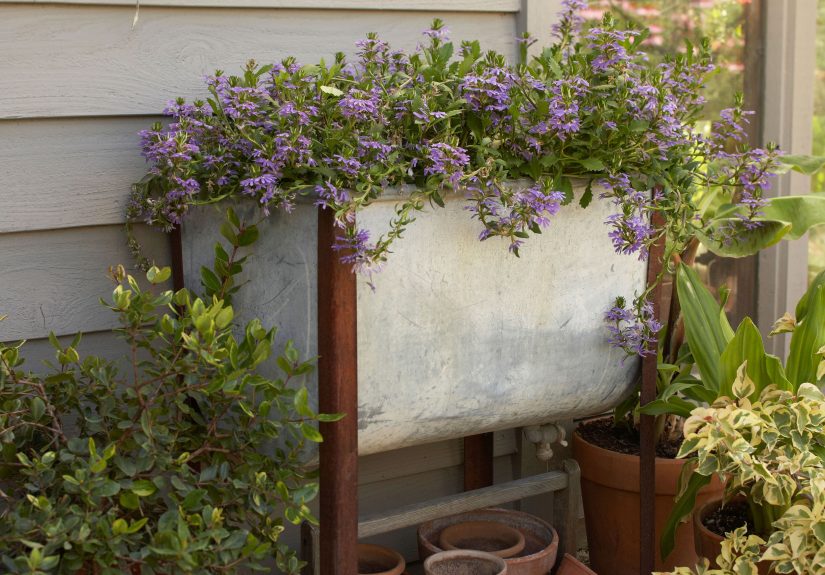
6. Washtub or Copper Tub Statement Planter
Salvaged washtubs and old copper tubs make striking oversized planters for porches and patios. They work especially well for tropical plants, mixed annual displays, or a small herb garden with real visual presence.
Why it works
The wide opening gives you room to create fuller arrangements, and the aged metal finish adds warmth and texture. These containers look equally at home in rustic, vintage, or modern outdoor spaces.
Best planting tip
If you do not want to drill into a beautiful vintage piece, use it as a cachepot and place smaller nursery pots with drainage inside. That way, you get the style without trapping water around the roots.
7. Pallet Wall Planter
An old shipping pallet can become a vertical planter for succulents, herbs, or shallow-rooted flowers. It is one of the smartest solutions for gardeners who want maximum impact in minimal square footage.
Why it works
Vertical gardening turns a blank fence or wall into usable growing space. It also makes salvaged lumber feel purposeful, especially in small yards, courtyards, or patios where floor space is precious.
Best planting tip
Use only heat-treated pallets rather than questionable wood with unknown treatments. Add landscape fabric to hold the soil, keep plant choices lightweight, and anchor the structure securely. The goal is “vertical garden.” Not “surprise lumber avalanche.”
8. Rain Gutter Strawberry Planter
Leftover rain gutters can be mounted in tiers to create a slim, modern edible garden. This is a clever way to repurpose building materials while growing strawberries, lettuce, baby greens, or shallow-rooted herbs.
Why it works
The narrow profile is perfect for small crops and tight spaces. A gutter planter also looks clean and contemporary, making it a smart choice if you want salvaged materials without a rough, rustic vibe.
Best planting tip
Be sure each section has proper drainage and a secure slope or level installation. Gutter planters dry out quickly, so they need more frequent watering than deeper containers. They are best for crops that do not need huge root zones.
9. Cinder Block Succulent Grid
Cinder blocks are not always the first thing people picture when they hear “beautiful planter,” but give them a chance. Their built-in openings are ideal for succulents, herbs, or compact flowers, and they can be arranged in countless shapes.
Why it works
You can stack them into low walls, stagger them into sculptural forms, or line a path with individual planted cells. The look is industrial but surprisingly stylish, especially when softened with trailing plants.
Best planting tip
Add a base layer only if you need stability, then fill the openings with potting mix. Succulents and drought-tolerant plants are especially happy here because the soil volume is limited and drainage is typically good.
10. Milk Crate Planter with Liner
A salvaged milk crate may scream “garage storage,” but with the right liner and planting combo, it transforms into a useful and surprisingly cool garden container.
Why it works
Milk crates are sturdy, stackable, and perfect for casual edible gardening. They work well for lettuces, bush beans, compact flowers, or mixed herb plantings. They also fit neatly on stoops, patios, and apartment balconies.
Best planting tip
Line the crate with burlap, coco liner, or landscape fabric, leaving room for drainage. Because the sides are ventilated, the root zone can dry faster than in solid containers, so monitor moisture closely in summer.
11. Chair Planter with Personality
An old wooden chair with a missing seat can become one of the most charming DIY planters in the garden. Place a pot where the seat used to be, or fit a lined planting box into the opening for a piece that feels half furniture, half sculpture.
Why it works
Chair planters instantly add height and visual interest. They are great near an entry, in cottage gardens, or anywhere you want a one-of-a-kind accent that sparks conversation.
Best planting tip
Use the chair as a holder for a removable pot rather than filling the frame itself with soil. That makes watering, seasonal swapping, and maintenance much easier. It also extends the life of the salvaged piece.
12. Salvaged Window Frame Planter Box
Old window frames can be repurposed into decorative planter boxes or mini cold-frame-inspired containers that give the garden a layered, collected look. This is an especially good project if you want your outdoor decor to feel curated rather than random.
Why it works
Window frames add instant architectural detail. Paired with a simple wooden box, they create a backdrop for flowers, herbs, or seasonal displays that feel polished and original.
Best planting tip
Use salvaged windows mainly as a decorative element or frame rather than the actual soil-holding container. This keeps the planting area practical while letting the vintage details shine. If old paint is present, avoid using it around edible plants unless you know it is safe.
How to Make Repurposed Planters Look Intentional
The difference between “stylishly upcycled” and “yard sale exploded in the begonias” usually comes down to editing. Pick a theme. Maybe it is rustic wood, vintage metal, industrial salvage, or colorful cottage finds. Repeating materials or colors helps the collection feel cohesive even when every planter is different.
Plant choice matters too. Trailing flowers soften hard edges. Structural grasses make awkward containers look elegant. Herbs make quirky vessels feel useful. Succulents are ideal for shallow or fast-draining containers. And larger salvaged pieces, like tubs and wheelbarrows, are excellent for mixed arrangements with height, fullness, and spill.
One final note: do not fall for the old myth that rocks in the bottom of a planter improve drainage. In most cases, they do not. Good drainage comes from holes, appropriate potting mix, and the right container design. Your plants want roots with air, not a rocky basement apartment.
Why Salvaged Material Planters Are Worth the Effort
Repurposed planters offer more than visual charm. They help reduce waste, save money, and make a garden feel deeply personal. Anyone can buy a standard pot off a shelf. It takes a more imaginative eye to turn a discarded drawer or battered colander into something beautiful.
That is the real appeal of gardening with salvaged materials. It invites creativity without sacrificing function. When done well, these containers do not look like leftovers. They look like design choices. Smart ones. Charming ones. The kind that make visitors ask where you bought them, and let you answer with the deeply satisfying phrase, “I didn’t. I made it from junk.”
Experience: What Repurposed Planters Teach You After a Full Season
Spending a full growing season with repurposed planters teaches you things that no perfectly styled photo ever mentions. First, not all charming containers behave the same way. A wooden crate feels forgiving and easy. A metal toolbox can become surprisingly warm by midafternoon. A shallow gutter planter may look sleek in spring and then start thirsting for water like it has a personal grudge against July. The lesson is simple: every salvaged material has a personality, and some of them are a little dramatic.
One of the biggest surprises is how much better the garden feels when the containers have history. New planters can look nice, but salvaged ones bring character right away. Scratches, faded paint, worn handles, and slightly crooked edges all add texture that new decor often tries very hard to fake. A repurposed planter does not need to pretend to have a story. It already has one. That gives even a small patio garden a layered, collected look that feels warmer and more lived-in.
You also learn quickly that prep work is not optional. The most successful repurposed planters are usually not the fanciest ones. They are the ones that were cleaned well, drilled properly, and matched with the right plants. People love the creative part of the project, but the practical details are what keep the arrangement alive. It turns out petunias care very little about your artistic vision if their roots are sitting in soggy soil.
Another real-world lesson is that maintenance changes depending on the container. Porous materials dry out faster. Shallow containers need more frequent watering. Oversized tubs can stay wet longer than expected after heavy rain. Salvaged planters make you pay attention, and that is not a bad thing. Over time, you start noticing which containers hold moisture well, which ones need extra monitoring, and which ones are best reserved for drought-tolerant plants that do not mind a little neglect.
There is also a creative confidence that comes from using salvaged materials in the garden. Once you turn one odd object into a successful planter, you stop seeing discarded household items the same way. Suddenly, an old chair is not just a chair. It is vertical display potential. A dented wash tub is not clutter. It is a porch centerpiece waiting for geraniums. A forgotten drawer is not junk. It is one bag of potting mix away from becoming the cutest thing on the patio.
Most of all, repurposed planters make gardening more personal. They invite experimentation, a little humor, and a lot of individuality. Not every project will be perfect. Some containers will dry too fast. Some combinations will flop. Some brilliant ideas will turn out to be less brilliant by August. But that is part of the fun. A garden built with salvaged materials feels less like a showroom and more like a living, changing space that reflects the person tending it. And honestly, that is what makes it memorable.