Table of Contents >> Show >> Hide
- 1) Start With a Soil Test (Because Guessing Is Expensive)
- 2) Feed the Soil, Not the Plant: Compost Like a Pro (or at Least Like a Person With a Bin)
- 3) Mulch Like You Mean It (Your Soil Shouldn’t Sunbathe Bare)
- 4) Plant More Native Plants (They’re the Home Team)
- 5) Shrink the Thirsty Lawn (Keep the Green, Lose the “Golf Course”)
- 6) Water Smarter, Not Harder (And Yes, Morning Watering Helps)
- 7) Capture Rain Where It Falls (Rain Barrels, Swales, and the Mighty Rain Garden)
- 8) Skip the Peat When You Can (Your Potting Mix Has a Backstory)
- 9) Use Integrated Pest Management (IPM): Scout First, Spray Last
- 10) Fertilize Less, and Fertilize Right (Runoff Is a Real Thing)
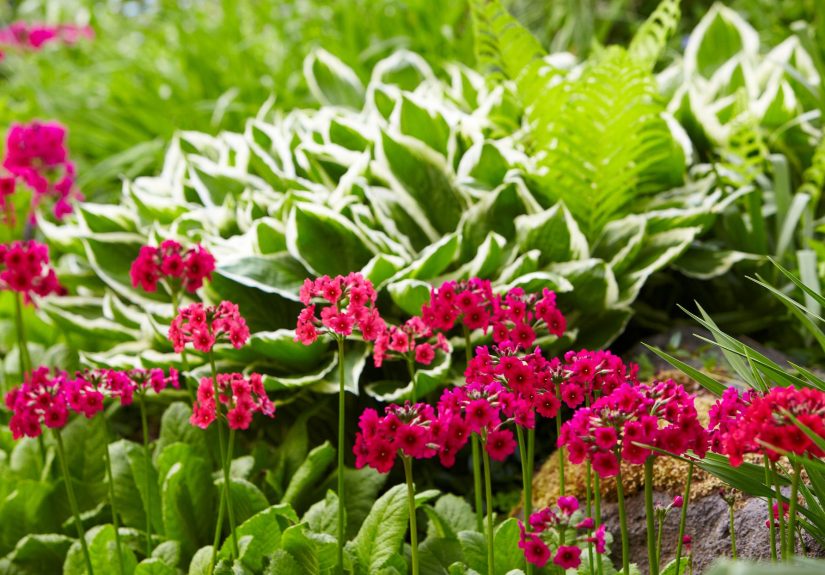
- 11) Garden for Pollinators and Wildlife (Free Pest Control, Plus Joy)
- 12) Reduce Your Yard’s Carbon Footprint (Yes, Your Mower Counts)
- Putting It All Together: A Simple Eco-Friendly Yard Plan
- Real-World Sustainable Gardening Experiences (The Stuff You Don’t See in Perfect Photos)
- Conclusion
If your yard could talk, it would probably ask for three things: a drink, a snack, and fewer weird chemicals.
Sustainable gardening is basically thatgrowing a healthier, more resilient yard while using less water, fewer inputs,
and a lot more common sense. The best part? An eco-friendly yard isn’t a “perfect” yard. It’s a living system that
gets better over time (kind of like you, but with more earthworms).
Below are 12 sustainable gardening tips you can start using this seasonwhether you’ve got a tiny patio jungle,
a suburban lawn empire, or a yard that currently looks like it’s auditioning for a tumbleweed documentary.
1) Start With a Soil Test (Because Guessing Is Expensive)
Sustainable gardening begins under your feet. Before you add fertilizer “just in case,” get your soil tested.
A basic test tells you pH and nutrient levels, so you can add only what’s neededsaving money and reducing excess
nutrients that can wash away in rain.
Try this
- Use your local Extension service or a reputable soil lab for the most useful results.
- Take samples from several spots, mix them, and test once every few years (or when you start a new garden bed).
- Follow recommendations exactlymore fertilizer doesn’t mean more tomatoes. It often means more leaf drama.
2) Feed the Soil, Not the Plant: Compost Like a Pro (or at Least Like a Person With a Bin)
Compost is the MVP of eco-friendly yards: it diverts food and yard scraps from the trash, builds soil structure,
supports beneficial microbes, and improves water-holding capacity. In other words, compost helps your yard do more
with less.
Try this
- Balance “browns” (dry leaves, shredded paper, straw) with “greens” (food scraps, grass clippings).
- Chop tough scraps smaller so they break down faster.
- Keep it as damp as a wrung-out sponge and turn it occasionally for airflow.
- If you don’t want a pile, use a sealed tumbler or a simple wire binlow effort still counts.
3) Mulch Like You Mean It (Your Soil Shouldn’t Sunbathe Bare)
Bare soil loses moisture fast, bakes in summer, erodes in heavy rain, and invites weeds like it’s hosting a party.
A good mulch layer helps regulate soil temperature, reduce evaporation, suppress weeds, and slowly improves soil as
it breaks down (if you use organic mulch).
Try this
- Use shredded leaves, bark, straw, pine needles, or wood chipswhatever fits your plants and region.
- Aim for about 2–3 inches of mulch in beds (keep it away from stems and trunks).
- Use fallen leaves as “free mulch” by shredding them with a mower first.
4) Plant More Native Plants (They’re the Home Team)
Native plants are adapted to local climate patterns, soils, and wildlife relationships. That usually means they need
less water, fewer inputs, and less “pampering” once established. They also support local pollinators and birds by
providing the right food at the right timeespecially through seeds, nectar, and the insects that birds rely on.
Try this
- Start small: replace one “fussy” plant with a native alternative this season.
- Pick a mix of native trees, shrubs, and perennials to create layers (shade, shelter, and seasonal food).
- Use a regional native plant finder or local Extension/native plant society guidance for your ZIP code.
5) Shrink the Thirsty Lawn (Keep the Green, Lose the “Golf Course”)
Lawns aren’t evil. They’re just… needy. If you love a patch of grass for play or pets, keep itbut consider
downsizing areas you rarely use. Replacing unused turf with native beds, groundcovers, or meadow-style plantings can
cut water use, reduce mowing emissions, and boost biodiversity.
Try this
- Convert “edge zones” along fences and walkways into planted beds.
- Create a “no-mow” island around trees (which also protects roots from mower damage).
- If you keep grass, mow higher. Taller grass shades soil and can reduce watering needs.
6) Water Smarter, Not Harder (And Yes, Morning Watering Helps)
Water-wise gardening isn’t about letting plants suffer; it’s about efficiency. Healthy soil and mulch reduce
evaporation. Drip irrigation and soaker hoses deliver water to roots instead of spraying it into the wind like a
backyard fountain show.
Try this
- Group plants by water needs (a “hydrozone” approach) so you’re not overwatering drought-tolerant plants.
- Use drip irrigation or soaker hoses in beds; adjust for season and rainfall.
- Consider a smart controller (and calibrate it). “Set it and forget it” is how you grow mushrooms in your lawn.
7) Capture Rain Where It Falls (Rain Barrels, Swales, and the Mighty Rain Garden)
One of the most eco-friendly yard upgrades is keeping stormwater on your propertyslowing it down, soaking it in,
and filtering it through plants and soil. Rain gardens are shallow depressions planted with hardy species that can
handle wet-and-dry cycles. They reduce runoff, help protect waterways, and can look gorgeous doing it.
Try this
- Put a rain barrel under a downspout for garden watering (follow local guidance for safety and mosquito prevention).
- Build a simple rain garden downhill from roof runoff (away from foundations).
- Use stones or a planted channel to slow water flow from downspouts and driveways.
8) Skip the Peat When You Can (Your Potting Mix Has a Backstory)
Peat moss forms over long periods in wetland ecosystems and stores a lot of carbon. Harvesting it can damage habitats
and release stored carbon. More gardeners are choosing peat-free potting mixes and soil amendments to reduce impacts
on wetlands.
Try this
- Look for peat-free mixes made with composted bark, wood fiber, coconut coir, or other renewable ingredients.
- If you mix your own container media, blend compost with coir and aeration material (like perlite) for balance.
- For seedlings, choose a light mix that drains well but holds moistureyour goal is “evenly damp,” not “swamp.”
9) Use Integrated Pest Management (IPM): Scout First, Spray Last
Sustainable gardening doesn’t pretend pests don’t exist. It just avoids the “nuke it from orbit” approach.
Integrated Pest Management (IPM) focuses on prevention, monitoring, identification, and targeted actionsoften using
non-chemical methods first.
Try this
- Inspect plants weekly. Catching issues early is the easiest fix.
- Identify the pest before actingmany insects are beneficial (and some “damage” is purely cosmetic).
- Use physical controls first: hand-pick, prune, blast with water, use row covers.
- If you must use pesticides, choose the least-toxic option and apply carefully (especially around pollinators).
10) Fertilize Less, and Fertilize Right (Runoff Is a Real Thing)
Over-fertilizing wastes money and can contribute to nutrient runoff during storms. Sustainable landscaping uses soil
test results, compost, slow-release options, and good timing to avoid excess nutrients moving off-site.
Try this
- Use compost and mulch as your baseline; add fertilizer only if soil tests show a need.
- Keep fertilizer off sidewalks and drivewayssweep it back into the lawn if it spills.
- Time applications to plant growth, not just the calendar. Avoid fertilizing right before heavy rain.
11) Garden for Pollinators and Wildlife (Free Pest Control, Plus Joy)
A yard that supports birds, butterflies, and beneficial insects is often easier to manage. Diverse plantings can
attract predators that eat pests, and native habitats provide food, cover, and nesting opportunities. Think of it as
building a tiny neighborhood where everyone has a jobespecially the ones that eat aphids.
Try this
- Plant flowers that bloom from spring through fall so pollinators have a steady food supply.
- Add a small water source (a shallow dish with stones, a birdbath, or a tiny recirculating feature).
- Leave some leaf litter or a brush pile in a discreet corner for overwintering insects and habitat.
- Include host plants (like milkweed for monarchs in appropriate regions) instead of just nectar plants.
12) Reduce Your Yard’s Carbon Footprint (Yes, Your Mower Counts)
Your yard’s environmental impact isn’t just chemicals and waterit’s also fuel use and equipment emissions.
Gas-powered lawn equipment can contribute to air pollution, especially older two-stroke engines. Sustainable yard
care leans on prevention, smarter design, and cleaner tools.
Try this
- Use manual tools for small jobs (rakes, pruners, reel mowers) when practical.
- If you need power tools, consider electric optionsoften quieter and cleaner at the point of use.
- Grasscycle: leave short clippings on the lawn to recycle nutrients naturally.
- Plant shade trees strategically to reduce heat stress on plants and lower summer watering demands.
Putting It All Together: A Simple Eco-Friendly Yard Plan
If “12 tips” feels like a lot, here’s a realistic order of operations:
- Test soil and add compost/mulch.
- Water wisely (drip/soaker + mulch + hydrozones).
- Swap plants gradually (native additions each season).
- Reduce chemicals with IPM and smarter fertilizing.
- Catch and soak rain (barrel or rain garden).
- Trim the lawn footprint where it’s not serving you.
Sustainable gardening is less about doing everything perfectly and more about making the next choice a little better
than the last one. Your yard doesn’t need to be flawless. It just needs to be alive, functional, and a little more
future-proof every year.
Real-World Sustainable Gardening Experiences (The Stuff You Don’t See in Perfect Photos)
Sustainable gardening looks great on paper: compost, natives, rain gardens, pollinators, fewer chemicalscue the
cinematic montage. In real life, it’s more like a sitcom where the soil is the main character and the weather is an
unpredictable guest star.
One common experience: the soil-test reality check. Many gardeners expect their biggest problem to be
“not enough nutrients,” then the results come back and the real issue is pHor that you already have plenty of
phosphorus from years of “helpful” fertilizing. The win is that once you stop guessing, your yard often gets healthier
with fewer products. It’s strangely satisfying to solve a plant problem by doing less.
Composting also has a learning curve that feels like joining a very chill club with very strong opinions about banana
peels. Early on, people tend to do one of two things: they make a compost pile that’s too dry (nothing happens), or
they make a compost pile that’s too wet (everything happens, including smells). The “aha” moment usually arrives when
you nail the damp-sponge moisture level and add enough browns to keep things airy. After that, compost becomes the
easiest form of recycling because your reward is… better tomatoes.
Switching to native plants is often a confidence-building experience. Gardeners frequently notice that
once natives establish, they stop acting like delicate houseguests and start behaving like they belong therebecause
they do. The first season may require watering and weeding, but then you realize you’re spending less time “rescuing”
plants and more time enjoying them. And when pollinators show upbees, butterflies, beneficial waspsyou get that
quiet feeling of, “Oh. This is what a functioning yard looks like.”
Rain gardens bring their own brand of excitement. The first heavy storm after installation is basically the debut
performance. People often stand at a window watching runoff flow toward the garden like it’s a sporting event:
“C’mon infiltration! You can do it!” When it works, you see water temporarily pool and then slowly soak in, instead of
racing down the driveway toward the street. It’s one of those home projects that feels both nerdy and heroic.
Then there’s the IPM mindset shift. If you grew up thinking every bug was a villain, scouting and
identifying insects can feel like learning a new language. At first, it’s frustrating: “Why are there holes in my
leaves?” But with practice, you start noticing patternswhere pests show up, what triggers outbreaks, and which plants
bounce back without intervention. Many gardeners realize they can tolerate minor damage and still harvest plenty of
vegetables. The yard becomes less of a battlefield and more of a balanced system.
Perhaps the most relatable experience is the moment you realize sustainable gardening is incremental.
You don’t convert the entire yard overnight. You swap one bed to natives. You add mulch this year, a rain barrel next
year. You reduce lawn a little at a time. Over a few seasons, the yard starts to feel different: richer soil, fewer
weeds, more birds, less watering, and a garden that looks like it belongs in your regionnot like it’s trying to
cosplay a climate it doesn’t live in. That’s the real payoff: a yard that’s easier to care for, more beautiful in a
natural way, and kinder to the world outside your fence line.
Conclusion
An eco-friendly yard isn’t a “no work” yardbut it can be a less waste yard, a less water yard, and a
less chemical yard. Start with soil health, choose plants that belong, water with intention, and let nature do
more of the heavy lifting. Sustainable gardening is basically the art of setting your yard up to succeedand then
getting out of its way (politely).