Table of Contents >> Show >> Hide
- What Is a Yanagi Tea Kettle?
- The Design Philosophy Behind the Yanagi Tea Kettle
- Key Features of the Yanagi Tea Kettle
- Yanagi Tea Kettle vs. Regular Tea Kettles
- Who Should Buy a Yanagi Tea Kettle?
- How to Use the Yanagi Tea Kettle Properly
- How to Clean and Maintain a Yanagi Tea Kettle
- Common Questions About the Yanagi Tea Kettle
- Real-Life Experience: Living With a Yanagi Tea Kettle
- Conclusion
The Yanagi Tea Kettle is the kind of kitchen object that makes you pause before making tea. Not because it is flashy. Not because it whistles like a tiny steam-powered referee. And definitely not because it has a screen, app, Bluetooth chip, or questionable “smart” feature. It stands out for the opposite reason: it is quiet, balanced, practical, and beautifully restrained.
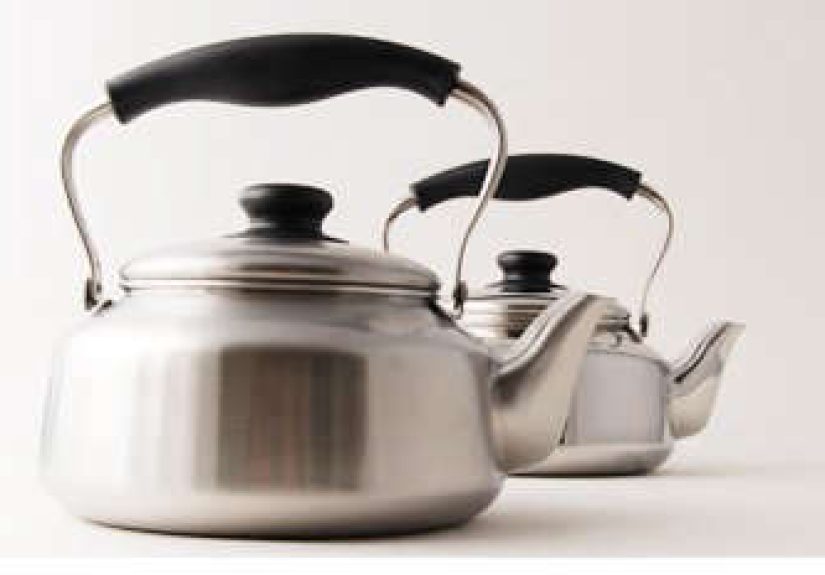
Designed by legendary Japanese industrial designer Sori Yanagi, the Yanagi tea kettle is best known for its brushed stainless steel body, wide base, ergonomic handle, and understated form. It looks simple at first glance, but that simplicity is doing a lot of work. Like a well-tailored white shirt or a perfectly sharpened chef’s knife, it proves that good design does not need to shout. It just needs to work beautifully, every single day.
For people who care about tea, coffee, kitchen aesthetics, or long-lasting cookware, the Yanagi kettle has become something of a cult favorite. It is often described as a Japanese stainless steel kettle, a Sori Yanagi kettle, a minimalist stovetop kettle, or simply “that gorgeous kettle that makes my kitchen look more put together than I feel before caffeine.”
What Is a Yanagi Tea Kettle?
A Yanagi tea kettle is a stovetop kettle associated with Sori Yanagi’s kitchenware line, especially the well-known Sori Yanagi stainless steel kettle. It is typically made from 18-8 stainless steel and designed for heating water on gas, electric, halogen, and many induction cooktops. The most recognized version has a 2.5-liter maximum capacity, with a recommended practical capacity of about 1.7 liters to prevent overfilling and boiling accidents.
The kettle’s appeal comes from a careful balance of utility and beauty. It has a broad, flat bottom that helps distribute heat efficiently, a rounded body inspired by traditional Japanese kettle shapes, and a handle designed to reduce strain when pouring. The result is not just a pretty object for open shelving. It is a serious daily-use kettle built for people who actually boil water.
Why the Name “Yanagi” Matters
The name comes from Sori Yanagi, one of Japan’s most respected industrial designers. Yanagi was known for creating everyday objects that feel natural in the hand and honest in their function. His work includes furniture, cutlery, cookware, kitchen tools, and public design projects. His famous Butterfly Stool is part of major design conversations, but his kettle may be the object most people interact with in daily life.
That matters because the Yanagi kettle is not a random “Japanese-style” product borrowing a look. It belongs to a deeper design tradition where function, material, ergonomics, and quiet beauty are all treated as part of the same conversation.
The Design Philosophy Behind the Yanagi Tea Kettle
Sori Yanagi’s approach to design was shaped by both modern industrial thinking and the Japanese appreciation for everyday craft. His father, Yanagi Soetsu, was closely connected to the mingei movement, which celebrated the beauty of ordinary, useful objects. That influence is easy to spot in the tea kettle. It is not decorative in the fussy sense. There are no unnecessary curves, chrome peacock feathers, or “look at me” design tricks.
Instead, the kettle focuses on the small details that make daily use better. The handle shape, the spout angle, the balance when full, the size of the opening, the surface finish, and the way the base meets the heat source all serve practical purposes. This is the kind of design that may not seem dramatic on day one, but after a month of use, other kettles begin to feel slightly rude.
Minimalism Without Coldness
Some minimalist kitchen tools can feel sterile, as if they were designed by a committee of robots who have never enjoyed toast. The Yanagi tea kettle avoids that problem. Its form is clean, but it still feels warm and domestic. The rounded body gives it a soft visual presence, while the black handle and knob add a calm contrast to the stainless steel body.
It fits easily into modern, Scandinavian, Japanese, farmhouse, and transitional kitchens. It can sit beside a cast iron pan, a white tile backsplash, a walnut countertop, or a slightly chaotic breakfast station with cereal boxes and one mysterious spoon. Somehow, it still looks composed.
Key Features of the Yanagi Tea Kettle
The Yanagi tea kettle has earned its reputation because it handles the basics extremely well. A kettle does not need to perform circus tricks. It needs to heat water efficiently, pour cleanly, stay stable, and survive years of repeated use. This kettle checks those boxes with uncommon elegance.
1. Stainless Steel Construction
Most versions of the Sori Yanagi kettle use 18-8 stainless steel, a common high-quality stainless steel formulation valued for durability, corrosion resistance, and a clean appearance. Stainless steel is a smart choice for a tea kettle because it does not easily absorb odors, does not require seasoning, and can handle repeated exposure to water and heat.
The brushed or matte finish is especially practical. A mirror-polished kettle can look stunning for approximately six seconds before fingerprints arrive like tiny detectives. A matte stainless finish is more forgiving. It hides small smudges, softens reflections, and keeps the kettle looking elegant even in a real kitchen where humans exist.
2. Wide Base for Efficient Heating
One of the most important design features is the wide base. A broader bottom gives the kettle more contact with the heat source, helping water heat more efficiently than it would in a narrow-bottomed kettle. This is useful for everyday tea drinkers, pour-over coffee fans, and anyone who has stood impatiently beside the stove whispering, “Come on, water, we talked about this.”
The wide base also gives the kettle a stable, grounded appearance. It feels less tippy than tall, narrow kettles, especially when filled. That stability is part of the kettle’s charm: it looks calm because it behaves calmly.
3. Ergonomic Handle
The handle is one of the best reasons to consider a Yanagi tea kettle. Many kettles look good on a shelf but become awkward when full. The Yanagi kettle’s handle is designed to feel comfortable and make pouring smoother. Its arch gives the hand enough space, while the shape helps guide the wrist naturally.
That may sound like a small detail, but small details become big details when you use an object twice a day for years. A kettle that pours without making your wrist work overtime is a quiet luxury. Your tea gets made, your hand stays happy, and nobody has to perform kitchen yoga while handling boiling water.
4. Smooth Pouring Spout
The spout of a tea kettle can make or break the experience. A poorly designed spout dribbles, splashes, or behaves like it is personally offended by mugs. The Yanagi kettle is designed for controlled pouring, making it suitable for tea, instant coffee, French press preparation, and general hot water use.
It is not a dedicated gooseneck kettle for precision pour-over coffee, so serious coffee hobbyists may still prefer a gooseneck model for exact flow control. But for everyday use, the Yanagi kettle delivers a smooth and confident pour.
5. Induction Compatibility
Many modern versions are compatible with induction cooktops, along with gas and electric ranges. This makes the kettle more versatile for contemporary kitchens. However, buyers should always confirm the exact model before purchasing because compatibility can vary by production version and retailer listing.
Yanagi Tea Kettle vs. Regular Tea Kettles
Compared with many standard stovetop kettles, the Yanagi tea kettle feels more refined and intentional. A typical kettle may focus on capacity, whistle volume, or low price. The Yanagi kettle focuses on the full user experience: how it sits, how it heats, how it pours, how it cleans, and how it ages visually.
Design Quality
A regular kettle can look bulky, decorative, or overly trendy. The Yanagi kettle looks timeless. It does not depend on seasonal colors or novelty shapes. That makes it easier to keep for years without feeling like your kitchen is trapped in a design phase you no longer recognize.
Ease of Use
The wide opening makes filling and cleaning easier than with many narrow kettles. The balanced handle helps with pouring. The stainless steel body is durable and hygienic. In short, the kettle does not ask you to adapt to it; it adapts to the rhythm of the kitchen.
Price and Value
The Yanagi tea kettle is usually more expensive than basic stovetop kettles. That is expected. You are paying for design heritage, Japanese manufacturing, material quality, and a product intended to last. For someone who boils water occasionally, a cheaper kettle may be enough. For someone who makes tea, coffee, oatmeal, ramen, or hot lemon water daily, the value becomes easier to justify.
Who Should Buy a Yanagi Tea Kettle?
The Yanagi tea kettle is ideal for people who appreciate functional beauty. It is not only for design collectors, although collectors certainly admire it. It is also for everyday users who want one dependable kettle instead of replacing cheaper ones every few years.
Tea Drinkers
If you drink black tea, green tea, herbal tea, oolong, or matcha, this kettle gives you a reliable way to heat water without adding clutter to the counter. It pairs especially well with a separate thermometer or temperature-controlled routine for teas that need lower water temperatures.
Pour-Over and French Press Coffee Fans
For casual coffee brewing, the Yanagi kettle works well. It heats water efficiently and pours smoothly. For highly controlled pour-over methods, a gooseneck kettle still offers more precision, but the Yanagi kettle is excellent for French press, AeroPress-style brewing, instant coffee, and general hot water needs.
Minimalist Kitchen Owners
If your kitchen style leans minimalist, Japanese-inspired, modern, or quiet luxury, this kettle fits naturally. It can remain on the stovetop without making the room feel busy. In fact, it may become the one object that makes the whole kitchen look more intentional.
Gift Buyers
The Yanagi tea kettle makes a thoughtful gift for weddings, housewarmings, tea lovers, design enthusiasts, and people who recently upgraded their kitchen. It says, “I respect your taste,” but also, “Please stay hydrated.” That is a strong emotional range for one kettle.
How to Use the Yanagi Tea Kettle Properly
Using the kettle is straightforward, but a few habits can improve performance and safety.
Fill Below the Maximum Capacity
Even if the kettle has a 2.5-liter maximum capacity, it is wise to use the recommended practical fill level, often around 1.7 liters. Overfilling can cause water to bubble through the spout or lid area, which is annoying at best and dangerous at worst.
Use the Right Burner Size
On a gas stove, keep the flame under the base rather than letting it climb the sides. Flames licking the sides can discolor the stainless steel and may heat the handle more than intended. The kettle is elegant; do not roast it like a marshmallow.
Do Not Let It Boil Dry
Like all stovetop kettles, the Yanagi kettle should never be left empty over heat. Boiling dry can damage the kettle, affect its finish, and create a safety risk. If you are the type of person who starts boiling water and then remembers an urgent laundry emergency, set a timer.
How to Clean and Maintain a Yanagi Tea Kettle
Good maintenance keeps the kettle attractive and functional for years. Stainless steel is durable, but it still appreciates a little kindness.
Daily Cleaning
After use, empty any remaining water and let the kettle dry. This helps reduce mineral buildup, especially in areas with hard water. Wipe the exterior with a soft cloth to remove fingerprints or splashes.
Removing Mineral Deposits
If white mineral spots appear inside, fill the kettle with a mixture of water and white vinegar, let it sit, then rinse thoroughly. For tougher buildup, gently warm the vinegar-water mixture, turn off the heat, and let it rest before rinsing. Avoid harsh abrasives that can scratch the finish.
Protecting the Finish
Use a soft sponge rather than steel wool. Stainless steel is tough, but scratches can dull the surface over time. A matte finish hides minor marks better than mirror polish, but gentle cleaning is still the best strategy.
Common Questions About the Yanagi Tea Kettle
Does the Yanagi Tea Kettle Whistle?
Many Yanagi-style stainless steel kettles do not have the loud whistle found on traditional Western stovetop kettles. This can be a benefit or a drawback depending on your habits. If you rely on a whistle to prevent forgotten water, use a timer. If you dislike kettles screaming at you before breakfast, congratulations: peace has entered the kitchen.
Is It Good for Induction Cooktops?
Many current models are listed as induction compatible, but it is important to check the specific product details before buying. Look for compatibility with IH or induction cookers and confirm the base size works with your cooktop.
Is It Worth the Price?
For people who want the cheapest possible way to boil water, no. For people who value long-lasting materials, ergonomic design, Japanese craftsmanship, and visual simplicity, yes. The Yanagi tea kettle is not just a container for hot water. It is a daily tool designed with unusual care.
Real-Life Experience: Living With a Yanagi Tea Kettle
Using a Yanagi tea kettle changes the rhythm of a kitchen in a subtle way. The first thing you notice is the shape. It is low, wide, and calm, almost like it has already solved the morning before you have. Instead of looking like another appliance, it feels like a permanent kitchen companion. It earns its spot on the stovetop because it looks good even when nothing else does. Dishes in the sink? Crumbs on the counter? The kettle remains dignified, like a tiny stainless steel ambassador of order.
The second thing you notice is the balance. When filled to a sensible level, it feels steady in the hand. The handle gives enough room for control, and the pour feels natural rather than forced. This matters most during sleepy mornings, when coordination is still loading. A kettle that pours predictably is not glamorous, but neither is splashing boiling water near your favorite mug. The Yanagi kettle keeps the drama low, which is exactly what hot water equipment should do.
For tea drinkers, the kettle makes the process feel more intentional. Filling it, heating the water, and pouring into a teapot or mug becomes a small ritual. It encourages you to slow down without making the process precious or complicated. You do not need a meditation cushion, a bamboo forest, or a personality built around loose-leaf tea. You just need water, heat, and a kettle that feels good to use.
In a busy household, the kettle proves its practicality. It can handle morning coffee water, afternoon tea, instant noodles, hot cocoa, and the occasional “I need boiling water for this recipe because the pasta pot is taking forever” situation. The wide base helps it feel efficient, and the stainless steel construction makes it easy to keep clean. It does not demand special treatment, but it does reward basic care.
There are a few things to know before buying. If you want a loud whistle, this may not be your ideal kettle. If you need exact pour-over control, a gooseneck kettle may be better. If you regularly boil water and wander away to start reorganizing the garage, you will need a timer. The Yanagi kettle is beautifully designed, but it will not chase you down the hallway to remind you that water is boiling.
Still, the everyday experience is deeply satisfying. The kettle looks refined without being fragile. It feels designed without being fussy. It turns a basic kitchen task into something a little more graceful. That is the quiet genius of Sori Yanagi’s work: he made ordinary objects feel worthy of attention, not by making them louder, but by making them better.
Conclusion
The Yanagi Tea Kettle is a standout example of Japanese industrial design at its most useful and elegant. With its stainless steel construction, wide heat-efficient base, ergonomic handle, smooth pouring behavior, and timeless appearance, it offers more than good looks. It offers a better daily experience.
It is not the cheapest kettle, and it is not trying to be. Its value comes from thoughtful design, durable materials, and the pleasure of using something that has been carefully shaped for real life. Whether you are a dedicated tea drinker, a design lover, or someone who simply wants a kettle that does not look like it was chosen during a panic trip to the hardware aisle, the Yanagi tea kettle is worth serious consideration.
Note: This original article was written for web publication and synthesized from current public product information, design references, and kitchenware knowledge. Source links and unnecessary citation artifacts have been intentionally omitted for clean publishing.