Table of Contents >> Show >> Hide
- The Case That Turned a Decade of Stalking Into a 15-Hour Nightmare
- “Soundproof” Is More Than a DetailIt’s the Whole Point
- Why Stalking Can Last So Long (Even When Victims Do “Everything Right”)
- How She Got Out: Survival Thinking, Not Movie Heroics
- Stalking Isn’t RareIt’s Common, and It’s Dangerous
- Red Flags That Deserve Your Full Attention (Not a Nervous Laugh)
- What Helps in Real Life: Practical Steps That Don’t Require You to Become Batman
- The Bigger Takeaway: This Isn’t Just One Woman’s Story
- Conclusion: Turning Fear Into Systems That Actually Protect People
- Lived Experiences: What Survivors Say It Feels Like (And What People Get Wrong)
If you’ve ever been told “Oh, they’re just really into you,” after someone won’t stop calling, showing up, or “accidentally” being everywhere you arethis story is your loud, flashing, siren-and-airhorn reminder that stalking is not romance. It’s not persistence. It’s not a quirky meet-cute with an overcaffeinated soundtrack. It’s a pattern of control that can escalate, sometimes in ways that sound like a thriller movie… until you remember it happened to a real person.
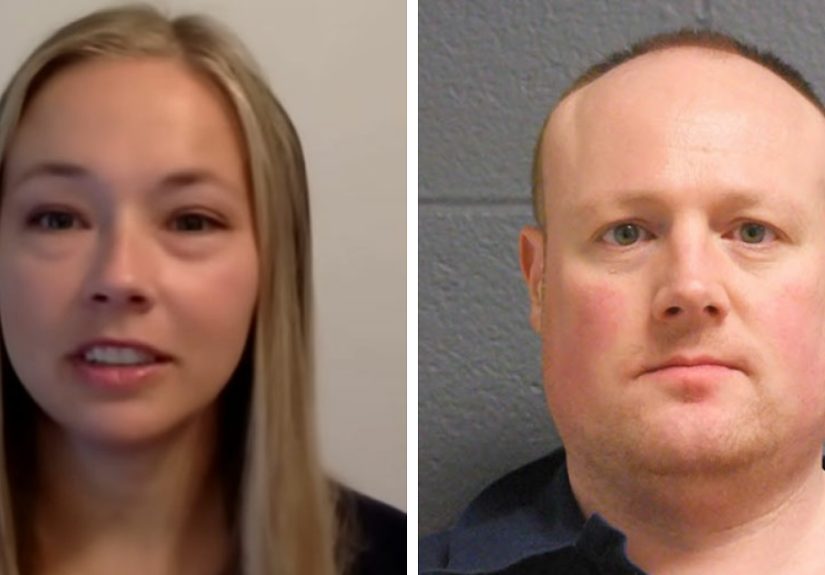
In Michigan, Samantha Stites spent years living with a stalker’s shadow in the backgrounduntil the day that shadow dragged her into a soundproof bunker built inside a storage unit. She later spoke publicly about what it’s like to survive not just an abduction, but a long-term campaign of fear that lasted more than a decade. Her account is horrifying, yesbut also deeply instructive: it shows the warning signs, the system gaps, and the survival thinking that helped her get out.
The Case That Turned a Decade of Stalking Into a 15-Hour Nightmare
By the time Samantha was kidnapped in October 2022, she’d already spent years doing what many stalking victims are told to do: document, report, seek protective orders, change routines, stay alert. The problem is that stalking thrives in the space between “technically illegal” and “not taken seriously enough to stop.”
According to reporting and court statements, the man who stalked herChristopher Thomashad pursued her since 2011. Over time, his behavior escalated beyond unwanted messages and appearances into more invasive tracking tactics, including allegedly placing GPS trackers on her vehicle. The stalking didn’t live in one neat chapter; it stretched across years, across life transitions, across the kind of “fresh starts” people assume will shake a pursuer loose.
The kidnapping itself was chillingly methodical. Samantha was taken from her home and brought to a storage unit where Thomas had constructed a makeshift, sound-dampened “bunker.” Inside was a set-up that suggested planning and intentnot a spur-of-the-moment breakdown, but a pre-built trap designed to isolate her from sound, from witnesses, from rescue.
Her captivity lasted less than a day, but it carried the weight of a life sentence in those hours: uncertainty, terror, and the constant calculation of what will keep you alive for the next minute, the next conversation, the next breath.
“Soundproof” Is More Than a DetailIt’s the Whole Point
The phrase “soundproof bunker” sticks in your brain because it’s so stark. But it’s not just a sensational detailit’s a symbol of what stalking ultimately is: forced isolation.
Soundproofing isn’t about comfort. It’s about preventing the world from hearing you. It’s about erasing the most basic human alarm system: a scream. When Samantha later described seeing soundproofing materials and realizing no one would hear her, that wasn’t a dramatic flourish. That was her brain accurately interpreting the situation: the environment was built for control.
Stalking often starts sociallymessages, “coincidental” run-ins, lingering eye contact that feels off. But at its core, it’s a rehearsal for power. The bunker was the final exam version of a stalker’s goal: total access, total silence, total fear.
Why Stalking Can Last So Long (Even When Victims Do “Everything Right”)
People ask the wrong question: “Why didn’t she stop him sooner?” The better question is: “Why is it so hard to stop a stalker before the situation becomes catastrophic?”
1) Stalking is often treated like “just” a nuisanceuntil it isn’t
A key reason stalking persists is that it can look minor incident-by-incident, especially to outsiders. One message? Annoying. One drive-by? Weird. One surprise appearance at a grocery store? “Maybe they were shopping.” Stalking is death by a thousand “maybes.”
But stalking is a pattern. It’s the cumulative effectthe way it hijacks your sense of safety, your routines, and your relationships. And because each individual act can feel “explainable,” systems built to respond to obvious single incidents can struggle to intervene early.
2) Protective orders helpbut enforcement and timing gaps are real
Many victims pursue restraining or protective orders. Those can be critical tools, but they aren’t force fields. Orders can be violated, renewed, contested, or lapse. If the stalker is determined, the victim may still be left doing the exhausting work of constant vigilance.
Samantha’s case underscores how administrative and legal hurdleshearings, evidence thresholds, procedural delayscan become safety risks. When protection requires repeated proving, victims can end up feeling like they’re on trial for wanting to be left alone. (Which is a sentence that should not be controversial in any society with indoor plumbing.)
3) Tech makes stalking scalable
Stalking used to require time and proximity. Now it can be “outsourced” to devices: location trackers, social media monitoring, shared accounts, even simple patterns like watching who likes your posts. In Samantha’s case, reporting described GPS tracking as part of the stalker’s toolkit. That matters because it illustrates how modern stalking can bypass your best attempts at “just move on” or “just change your routine.”
How She Got Out: Survival Thinking, Not Movie Heroics
Samantha’s escape wasn’t about overpowering someone in a dramatic fight scene. It was about psychology, timing, and the kind of strategic calm that often gets mislabeled as “compliance” by people who have never had to negotiate for their life.
In her account, she described using conversation and perceived cooperation to create an openingconvincing him that she wouldn’t report what happened, playing into the idea that she could be controlled through fear and secrecy. This is important: survival strategies can look counterintuitive from the outside. They can also be the difference between living and not.
Once she was released, she did what survivors are sometimes unable to do immediately: she reported, she sought help, and she worked with investigators. The legal outcome ultimately reflected the severity of the crimeThomas pleaded guilty to serious charges and was sentenced to decades in prison.
Stalking Isn’t RareIt’s Common, and It’s Dangerous
If you’re reading this thinking, “This is extreme, it must be incredibly rare,” here’s the uncomfortable reality: stalking is widespread. The majority of victims are stalked by someone they know. And stalking is strongly linked to other forms of violence, including intimate partner violence and sexual violence.
Public health and justice agencies have repeatedly documented stalking’s prevalence and its impact: anxiety, sleep disruption, hypervigilance, job loss, relocation costs, and trauma symptoms that can linger long after the stalker is gone. Stalking isn’t just “fear” as a feelingit’s fear as a forced lifestyle.
Red Flags That Deserve Your Full Attention (Not a Nervous Laugh)
Stalking behavior often escalates. Here are warning signs commonly reported by victims and described by experts and advocatesespecially when they repeat and intensify over time:
- Persistent unwanted contact after clear requests to stop (calls, texts, DMs, emails).
- “Coincidental” appearances at places you frequentwork, gym, stores, events.
- Monitoring behavior: asking others about you, showing up where your friends are, tracking your schedule.
- Tech intrusion: unfamiliar devices, location anomalies, account logins, “mysterious” password resets.
- Boundary testing that gets bolder: property trespass, leaving items, vandalism, threats (direct or implied).
- Weaponized charm: acting polite to outsiders so you look “dramatic” when you react.
A useful gut-check: if someone’s behavior makes you change your life to avoid them, that’s not a “misunderstanding.” That’s a threat signal.
What Helps in Real Life: Practical Steps That Don’t Require You to Become Batman
Every situation is different, and safety planning should be personalizedespecially when stalking intersects with domestic violence. But many advocates emphasize a few consistent strategies:
Document the pattern
Keep a simple log: dates, times, what happened, any screenshots or photos, any witnesses. Patterns matter legally and practically. This is annoying, yes. It’s also evidence.
Tell other humans
Stalking feeds on isolation. Tell trusted friends, coworkers, and neighbors what’s happening. Not everyone needs details, but someone should know enough to take you seriously if something changes.
Talk to victim advocates (not just “the internet”)
Domestic violence hotlines and local advocacy groups can help with safety planning, protective order guidance, and referrals. They also know the system in your areawhich is more useful than general advice.
Consider tech safety
If you suspect tracking or account access, consider using a safer device for sensitive steps (like contacting help or changing passwords). Update account security. Review who has access to shared plans and locations. If that sounds overwhelming, it can beask for help from an advocate or a trusted tech-savvy friend.
The Bigger Takeaway: This Isn’t Just One Woman’s Story
Samantha’s story gained attention partly because the facts are so stark: a storage unit, a bunker, soundproofing, restraints. But the most important part isn’t the bunkerit’s the years leading up to it. The part where a victim tried to be believed, tried to be protected, tried to keep living a normal life while someone else treated her life like a project.
The “terrifying details” matter because they show what escalation looks like when a stalker isn’t interrupted. They also show the strength it takes to survive, report, and speak publicly afterwardespecially when many victims are pressured to stay quiet because it’s “messy” or “dramatic” or “hard to prove.”
Conclusion: Turning Fear Into Systems That Actually Protect People
If there’s one thing to carry from this story, it’s this: stalking is a serious crime long before it becomes headline-worthy. It deserves early intervention, consistent enforcement, and community support that doesn’t require victims to perform perfect fear in order to be taken seriously.
Samantha Stites’ survival and public advocacy shine a harsh light on how stalking can persist for yearsand how quickly it can become life-threatening. The goal isn’t to make everyone terrified. The goal is to make everyone smarter: to recognize patterns, support victims, and build systems where “I’m scared” is treated as meaningful data, not an inconvenience.
Lived Experiences: What Survivors Say It Feels Like (And What People Get Wrong)
Stories like Samantha’s are often told in the language of plot: the stalker, the bunker, the escape. But survivors describe the experience less like a plot and more like a prolonged weather eventan atmosphere that changes everything, even on days when “nothing happens.”
One of the most common experiences is hypervigilance: your brain becomes a full-time security guard who never clocks out. You notice cars that pass twice. You memorize footsteps. You build mental maps of exits in restaurants. You stop wearing headphones outside because you don’t want to lose situational awareness. And when someone says, “You’re being paranoid,” it lands like an insult and a threat at the same timebecause what they’re really saying is, “I am not going to help you interpret danger.”
Survivors also describe the exhausting “admin work” of being stalked: screenshots, logs, police reports, court dates, and the emotional tax of repeating the same story to different people who may or may not believe you. Dark humor shows up herenot about the violence, but about the bureaucracy. It’s the kind of humor that sounds like, “I didn’t know my adult hobby would be assembling evidence binders,” because laughing at paperwork is sometimes safer than crying about fear.
Then there’s the social fallout. Friends can get weird. Some become fierce allies; others disappear because the situation feels uncomfortable, complicated, or inconvenient. Survivors talk about learning who can handle reality and who needs life to be a simple story with a quick fix. When someone says, “Just block them,” survivors often want to respond, “If blocking cured stalking, the world would have zero crime and every phone would come with a ‘banish villain’ button.”
After the acute danger passes, many survivors still report “aftershocks”: startling easily, trouble sleeping, anxiety spikes when routines change, and a heightened awareness around men or strangers. It doesn’t mean they’re broken. It means their nervous system learned a hard lesson and is trying to keep them alive. Therapy, support groups, advocacy work, and patient relationships can help rebuild a sense of safetyslowly, unevenly, and often with setbacks that feel unfair because they are.
The most important thing supporters can do is surprisingly simple: believe the pattern. Don’t demand a perfect smoking gun. Don’t wait for a “big incident” to treat it as real. Offer practical helpwalking someone to their car, being a witness, saving screenshots, accompanying them to an advocate, checking in consistently. Survivors don’t need you to be a superhero. They need you to be steady. And in a world where stalking thrives on isolation, steadiness is a form of protection.