Table of Contents >> Show >> Hide
- What Is Heavy Whipping Cream?
- How Heavy Whipping Cream Is Used in the Kitchen
- Best Heavy Whipping Cream Substitutes
- How to Whip Heavy Cream Successfully
- How to Store Heavy Whipping Cream
- Easy Recipes Using Heavy Whipping Cream
- Real-World Kitchen Experiences With Heavy Whipping Cream
- Final Thoughts
- SEO Tags
Heavy whipping cream is one of those ingredients that can make a dessert feel luxurious, a soup feel cozy, and a pasta sauce feel like it suddenly got promoted. It is rich, silky, and suspiciously good at making ordinary food taste like it has its own publicist. But what exactly is it? Is it the same as heavy cream? Can you swap it out when the carton is empty and your recipe is already emotionally invested? And how do you store it without discovering it three weeks later in the back of the fridge, plotting revenge?
If you have ever stood in the dairy aisle wondering whether heavy whipping cream, whipping cream, half-and-half, and “whatever this white carton says” are secretly the same thing, this guide is for you. Below, we will break down what heavy whipping cream is, how it behaves in recipes, which substitutes actually work, how to store it properly, and a few easy recipes that prove this ingredient is more than a coffee-shop supporting actor.
What Is Heavy Whipping Cream?
In simple terms, heavy whipping cream is the high-fat portion of milk. In American grocery stores, the labels heavy cream and heavy whipping cream are generally used interchangeably. What matters most is the fat content. This cream contains enough milkfat to whip into soft clouds, stiff peaks, silky sauces, and decadent fillings without collapsing into sad dairy regret five minutes later.
The reason it performs so well is fat. Fat gives heavy whipping cream its body, helps it hold air when whipped, and creates a smoother, richer texture in cooked dishes. It is the difference between a sauce that coats a spoon and one that slides off it like it has somewhere better to be.
Heavy Whipping Cream vs. Whipping Cream
This is where many home cooks get tripped up. Heavy whipping cream has a higher fat percentage than regular whipping cream. That extra fat may sound tiny on paper, but in the bowl it matters. Heavy whipping cream whips up with better structure, holds peaks longer, and stands up more confidently in recipes like frostings, mousses, no-churn ice cream, and layered desserts.
Regular whipping cream can still whip, but the result is usually lighter, softer, and a little less stable. Think of heavy whipping cream as the dependable friend who helps you move furniture, while whipping cream is the friend who says, “I can stay for twenty minutes.”
Why Fat Matters So Much
When you whip heavy cream, you are forcing air into it. The fat helps trap those bubbles, creating a stable foam. That is why heavy whipping cream works beautifully for homemade whipped cream, Chantilly cream, pie toppings, trifles, and creamy frostings. In savory recipes, that same fat creates a velvety mouthfeel in soups, pan sauces, gratins, and pasta dishes.
It also has another talent: it is harder to curdle than lower-fat dairy. So if you want to add creamy richness to hot dishes, heavy whipping cream is often a safer choice than milk or half-and-half.
How Heavy Whipping Cream Is Used in the Kitchen
Heavy whipping cream is one of the most versatile ingredients in a home kitchen. It can move from breakfast to dessert without changing outfits.
Sweet Uses
- Whipped cream: for pies, cakes, hot chocolate, berries, waffles, and pancakes.
- Ice cream: especially no-churn recipes and custard-style frozen desserts.
- Ganache: mixed with chocolate for truffles, glazes, and fillings.
- Mousse and pudding: for richness and a silky finish.
- Scones and biscuits: where cream adds tenderness and flavor.
Savory Uses
- Pasta sauces: Alfredo, cream sauces with mushrooms, tomato-cream sauces, and vodka sauce.
- Soups: tomato soup, potato soup, corn chowder, and creamy chicken soups.
- Pan sauces: a splash can rescue a skillet sauce after searing chicken, salmon, or pork.
- Casseroles and gratins: it adds richness and helps baked dishes feel more cohesive.
- Egg dishes: quiches, scrambled eggs, or creamy baked eggs.
If a recipe needs richness, body, or the ability to whip into something airy, heavy whipping cream is probably auditioning for the part.
Best Heavy Whipping Cream Substitutes
Not all substitutes are created equal. Some work well in cooked dishes, some work in baking, and some are absolute frauds when the recipe needs real whipped volume. Here is how to think about them.
1. Milk and Butter
This is the classic emergency substitute. Melt butter into milk, blend or whisk well, and use it in recipes where heavy cream is mixed into other ingredients. It works best in sauces, soups, puddings, simple batters, and some baked goods. It does not whip like real heavy cream, so do not try to turn it into whipped topping unless you enjoy disappointment as a garnish.
This substitute is best when your goal is richness rather than structure. It can mimic the fat in heavy cream, but not the natural stability.
2. Half-and-Half
Half-and-half is useful in savory dishes like soups, sauces, and casseroles, especially when you do not mind a slightly lighter finish. It is thinner and less rich than heavy whipping cream, so sauces may need a bit more simmering time. It also will not give you the same lift in whipped desserts.
3. Evaporated Milk
Evaporated milk is a handy substitute in cooked applications. It is thicker than standard milk and works well in soups, sauces, and certain casseroles. It will not produce whipped cream, but it can add creaminess without as much fat.
4. Greek Yogurt and Milk
For tangy savory dishes, a blend of Greek yogurt and milk can stand in for cream. This works best in soups, dips, and sauces where a little acidity is welcome. It is not a good substitute for whipping or delicate desserts, and it should be added carefully to hot dishes to avoid curdling.
5. Coconut Cream
If you need a dairy-free option, unsweetened coconut cream is often the closest match for texture and richness. It can work in soups, curries, whipped toppings, and desserts. Just remember that it brings a coconut flavor with it, which can be either charming or wildly unhelpful depending on the recipe.
6. Cream Cheese or Mascarpone, Loosened with Milk
These are better for very rich sauces, frostings, and fillings. They create body but not the same fluid texture as cream. Use them when you want thickness and richness, not a one-to-one liquid replacement.
Substitutes That Do Not Truly Replace It
Plain milk, almond milk, oat milk, and random optimism are not true substitutes for heavy whipping cream when a recipe depends on fat or whipping power. They may work in some cooking situations, but they will not act like the real thing.
How to Whip Heavy Cream Successfully
Homemade whipped cream is one of the easiest kitchen wins, and it tastes dramatically better than the aerosol version. No offense to the can, but fresh whipped cream tastes like dessert took itself seriously.
Basic Whipped Cream Method
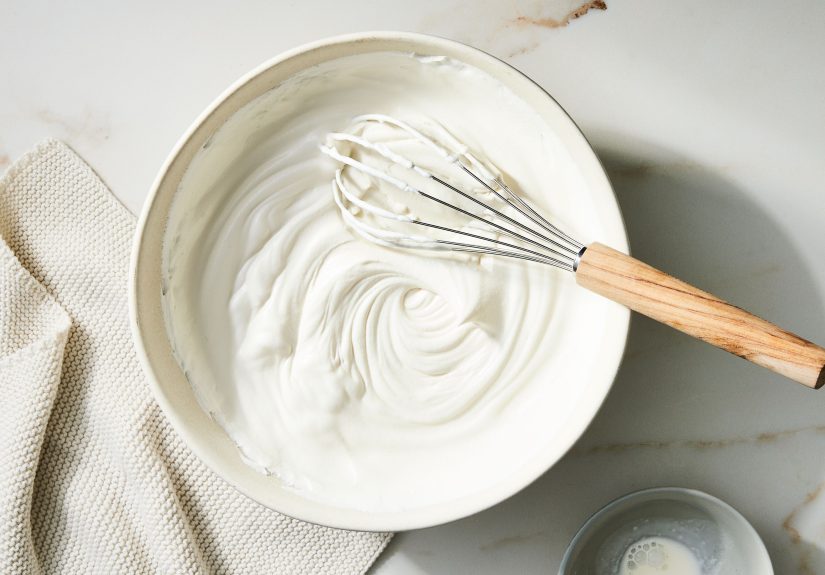
Start with very cold cream. Chill the bowl and beaters if possible. Pour the cream into the cold bowl, add sugar and vanilla if desired, and whip until soft or stiff peaks form, depending on how you want to use it.
- Soft peaks: ideal for spooning onto fruit, cobblers, or hot drinks.
- Medium peaks: good for dolloping and folding into fillings.
- Stiff peaks: best for piping and firmer toppings.
Stop as soon as it reaches the texture you want. If you keep going, whipped cream turns grainy, then dense, then suspiciously close to butter. Congratulations, you have invented a dairy cautionary tale.
How to Fix Overwhipped Cream
If your whipped cream looks grainy, fold in a tablespoon or two of unwhipped cream and whisk gently by hand. This can often bring it back to a smoother texture. It is one of those kitchen rescue moves that feels like cheating, but in a helpful way.
How to Store Heavy Whipping Cream
Heavy whipping cream is wonderfully useful, but it is still perishable. Treat it like the premium ingredient it is.
In the Refrigerator
Store heavy whipping cream in the refrigerator, tightly closed, and keep it cold between uses. Avoid leaving it on the counter while you make coffee, answer messages, reorganize a drawer, and question your life choices. Dairy likes consistency.
Many American cooking sources cite USDA-based guidance that both opened and unopened heavy cream can last up to about a month when kept at a steady refrigerator temperature. That does not mean every carton will make it that long in perfect shape, so use your senses too.
Signs It Has Gone Bad
- Sour or off smell
- Visible mold
- Lumpy texture that does not smooth out with shaking
- Yellowing beyond normal cream tone
- Curdled appearance in a way that seems clearly wrong
If it smells bad or looks questionable, toss it. There are brave kitchen decisions, and there are bad ones. Spoiled cream belongs in the second category.
Can You Freeze Heavy Whipping Cream?
Yes, you can freeze it, especially for cooking. Freeze it in the carton with room for expansion, or portion it into ice cube trays for smaller amounts. After thawing in the refrigerator, give it a shake or stir because separation is normal.
Frozen-and-thawed cream is usually best for soups, sauces, and baking. It may not whip as beautifully as fresh cream, but it still saves money and prevents waste.
Easy Recipes Using Heavy Whipping Cream
1. Classic Vanilla Whipped Cream
Ingredients: 1 cup heavy whipping cream, 1 to 2 tablespoons sugar, 1 teaspoon vanilla extract.
Method: Whip cold cream in a chilled bowl until it thickens. Add sugar and vanilla, then continue whipping to soft or stiff peaks. Serve over pie, berries, pancakes, or spoon it directly into your mouth while pretending you are “testing the texture.”
2. Quick Creamy Garlic Pasta Sauce
Ingredients: 1 tablespoon butter, 2 cloves garlic, 1 cup heavy whipping cream, 1/2 cup grated Parmesan, salt, pepper, cooked pasta.
Method: Melt butter, cook garlic briefly, add cream, and simmer gently for a few minutes. Stir in Parmesan until smooth, season to taste, then toss with hot pasta. Add spinach or mushrooms if you want to feel responsible.
3. Two-Ingredient Chocolate Ganache
Ingredients: 1 cup chopped chocolate, 1/2 cup hot heavy whipping cream.
Method: Pour hot cream over chocolate, let sit for a minute, then stir until glossy. Use it warm as a glaze or cool it for a thicker frosting or filling.
Real-World Kitchen Experiences With Heavy Whipping Cream
One of the funniest things about heavy whipping cream is that it often starts as a “just in case” purchase. You buy it for one recipe, use half a cup, and then the carton sits in the fridge looking expensive and mysterious. A few days later, you start adding it to everything. Scrambled eggs? Sure. Tomato soup? Absolutely. Coffee? Why not live a little. Suddenly, you are the kind of person who says things like, “This sauce just needs more body,” which is both accurate and slightly dramatic.
A lot of home cooks first fall in love with heavy whipping cream through whipped cream. The difference between canned whipped topping and fresh whipped cream is honestly rude. Fresh whipped cream tastes clean, rich, and lightly sweet, and you can control everything about it. Want it barely sweetened? Done. Want extra vanilla? Easy. Want to spike it with cinnamon, cocoa, maple, or espresso? Heavy cream says, “I support your creative process.”
Then there are the small kitchen lessons people learn the hard way. For example, warm cream does not whip well. A warm bowl is not your friend. Leaving the mixer running while checking a text message is how many people accidentally invent sweet butter. The good news is that heavy cream is forgiving enough to teach you without completely ruining your day. Once you whip it successfully a few times, it stops feeling fancy and starts feeling practical.
Another common experience is discovering how useful a little cream can be in savory food. A splash in pan sauce can soften acidity and make dinner feel finished. A bit in mashed potatoes creates a restaurant-style texture without much effort. Even a spoonful in oatmeal or a bowl of soup can make the whole thing taste fuller and more comforting. It is not just richness for the sake of richness. It is texture, balance, and that subtle “wow, this tastes better than usual” effect.
Storage is another area where experience matters. People often assume dairy expires the second the carton is opened, but heavy whipping cream can be surprisingly durable when kept cold and handled properly. The trick is not abusing it. Do not let it linger on the counter. Do not drink coffee while staring into the open fridge for twelve minutes. Pour what you need, close it, and put it back. That tiny habit makes a real difference.
And finally, there is the substitute problem. Every cook eventually learns that some substitutes are smart, and some are lies. Milk and butter can save a sauce. Half-and-half can help in soup. Coconut cream can rescue a dairy-free dessert. But when a recipe needs real whipped volume, structure, or the luxurious texture only high-fat cream can provide, there is no exact stand-in. That is not bad news. It is just useful kitchen wisdom. Heavy whipping cream is one of those ingredients that earns its place not because it is trendy, but because it does a job better than almost anything else in the fridge.
Final Thoughts
Heavy whipping cream is not just a baking ingredient or a holiday extra. It is a reliable kitchen tool that adds richness, structure, and versatility to both sweet and savory recipes. It can be whipped, simmered, folded, drizzled, chilled, and, in a pinch, sensibly substituted. The key is knowing what your recipe needs: richness, thickness, or whipping power.
If you use it well, heavy whipping cream turns simple food into comfort food and good desserts into “please save me another slice” desserts. And that is a pretty solid return on one carton.