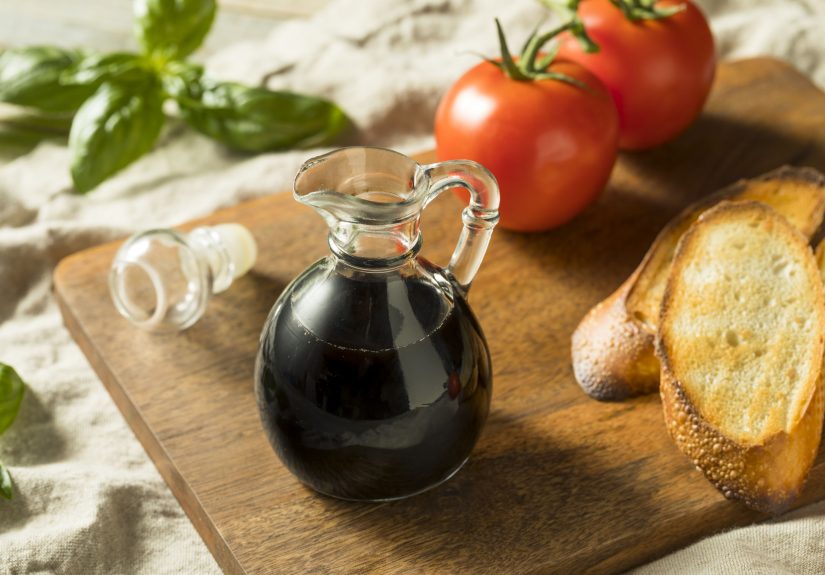
Table of Contents >> Show >> Hide
- So…what exactly is balsamic vinegar?
- How balsamic vinegar is made (without the boring parts)
- The 3 big categories you’ll see when shopping
- How to read a balsamic label like you’re not new here
- What does balsamic vinegar taste like?
- How to use balsamic vinegar (and when to splurge)
- Balsamic glaze vs. balsamic vinegar
- How to store balsamic vinegar (so it stays delicious)
- Nutrition and health: is balsamic vinegar “good for you”?
- Common balsamic myths (politely roasted)
- FAQ
- Conclusion
- Kitchen Experiences: Real-World Balsamic Moments (500-ish Words)
Balsamic vinegar is the condiment equivalent of showing up to a potluck in a tailored suit: it’s sweet, tangy, a little dramatic,
and somehow works with everything from salad to strawberries to steak. But “balsamic vinegar” on a label can mean wildly different
thingsranging from a $6 everyday bottle to a tiny, fancy 100 mL bottle that costs more than your first apartment’s security deposit.
This guide breaks it all down: what balsamic vinegar is, how it’s made, the major types (and why they taste so different),
how to buy the good stuff without getting bamboozled, how to use it like a confident adult, and how to store it so it doesn’t lose its mojo.
So…what exactly is balsamic vinegar?
At its core, balsamic vinegar is a dark, aromatic vinegar made from grapes. Unlike many other vinegars that start as wine,
balsamic begins with grape mustfreshly crushed grape juice (often including skins and seeds), cooked down into a concentrated base.
From there, it’s fermented and aged to build that signature sweet-and-sour balance.
The tricky part is that the word “balsamic” gets used for different grades and styles. Some are strictly regulated and traditionally produced.
Others are commercial blends designed to imitate the flavor and thickness of traditional balsamicsometimes well, sometimes like a Halloween costume.
How balsamic vinegar is made (without the boring parts)
1) The grape must is cooked down
The journey starts with grape must simmered until it concentrates. This cooking step deepens color and develops caramel-like notes
(the “I just toasted sugar in a pan” aromaminus the panic).
2) Fermentation turns sugar into acid
Then microbes do their two-step: yeast helps convert sugars into alcohol, and acetic acid bacteria transform that alcohol into vinegar.
Time and oxygen matter herevinegar isn’t a “microwave dinner” kind of product.
3) Aging builds complexity
Aging is where balsamic earns its swagger. In higher-quality versions, vinegar rests in wooden barrels, slowly concentrating and picking up
layered flavorssweet, tart, woody, fruity, and pleasantly sharp. Think of it as “grape juice goes to therapy, finds itself, and comes back wiser.”
The 3 big categories you’ll see when shopping
If you remember only one thing, remember this: not all balsamic is created equal. Most bottles fall into one of these groups.
1) Traditional balsamic vinegar (DOP)
This is the top tier: Traditional Balsamic Vinegar from Modena or Reggio Emilia, protected by a designation called DOP
(a European quality seal). Traditional balsamic is made from cooked grape must and aged for a long time in wooden barrels.
It’s typically used in small amountsmore like a finishing sauce than a “glug it into a vinaigrette” vinegar.
Flavor-wise, it’s complex and concentratedsweet-tart with dried fruit, wood, and a syrupy texture that clings to whatever it touches
(including your dignity if you spill it).
- Best for: finishing dishes, drizzling, tasting with cheese, fruit, or even a spoon.
- Not ideal for: high-heat cookingsave it from the stove and it will save your wallet.
2) Balsamic Vinegar of Modena (IGP)
This is the most common “good everyday” balsamic: Balsamic Vinegar of Modena with IGP on the label.
It’s also regulated, but the rules allow a blend that can include grape must and wine vinegar (and sometimes caramel for color).
The result is usually brighter and less syrupy than traditional balsamic, but still tasty and versatile.
It’s the bottle that can live on your counter and handle daily life: salads, marinades, pan sauces, roasted veggies, you name it.
- Best for: dressings, marinades, sauces, roasting, everyday drizzling.
- Shopping clue: look for the IGP mark and a short ingredient list that starts with grape must and/or wine vinegar.
3) “Condimento” and commercial balsamic
Here’s where things get looser. Condimento is an umbrella term often used for balsamic-style vinegars that aren’t DOP or IGP,
but may still be high qualitysometimes aged, sometimes made by small producers, sometimes fantastic.
Meanwhile, commercial balsamic (often just labeled “balsamic vinegar” without IGP/DOP) can be a mass-market blend.
Some are perfectly fine for a weeknight salad. Others lean on thickeners, sweeteners, or flavoring to mimic the “good stuff.”
The label and ingredients list matter more here.
How to read a balsamic label like you’re not new here
Balsamic labels can be confusing on purpose (because confusion sells). Here’s how to simplify.
Look for quality markers
- DOP: Traditional balsamicspecial bottles, small volumes, higher price, finishing-only energy.
- IGP: Balsamic Vinegar of Modenasolid all-purpose choice with a known standard.
- Ingredient list: the shorter and more grape-forward, the better your odds.
Don’t let “aged” do all the talking
“Aged” on a label sounds impressive, but it can be vague unless it’s tied to a recognized certification.
If you’re paying premium money, look for IGP/DOP and a producer you can identify, not just fancy adjectives.
Thickness is not always a flex
A thick balsamic can be gloriousor it can be a sign that something was added to mimic the texture of traditional balsamic.
The goal isn’t “as thick as cough syrup.” The goal is balance: sweetness, acidity, aroma, and a clean finish.
What does balsamic vinegar taste like?
Classic balsamic hits a sweet-tart note with a deep, fruity aroma. Better versions can taste like raisins, figs,
cherries, toasted wood, caramel, and a gentle tang that makes your mouth water.
Cheaper versions tend to be sharper, more one-note, and less aromaticstill useful, just not as nuanced.
Think: “pretty good guitar solo” versus “stadium tour.”
How to use balsamic vinegar (and when to splurge)
The biggest mistake people make is using every balsamic the same way. A simple rule helps:
cook with the everyday bottle, finish with the fancy bottle.
Everyday uses (IGP or solid commercial)
- Vinaigrettes: balsamic + olive oil + mustard + salt and pepper. Add a little honey if it’s very sharp.
- Marinades: great with chicken, pork, mushrooms, and tofuespecially with garlic and herbs.
- Roasted vegetables: toss Brussels sprouts, carrots, or onions with oil and salt, then finish with a splash.
- Pan sauces: deglaze a skillet with balsamic and broth, then simmer briefly.
Finishing uses (traditional DOP or top-shelf condimento)
- Caprese: tomatoes, mozzarella, basilthen a tiny drizzle.
- Strawberries: balsamic + black pepper is a real thing and it works.
- Cheese boards: try it with Parmigiano-Reggiano, aged cheddar, or creamy burrata.
- Desserts: vanilla ice cream, panna cotta, or peachesjust a few drops.
Balsamic glaze vs. balsamic vinegar
Balsamic glaze is balsamic vinegar that’s been reduced (sometimes with added sugar or thickeners) to create a syrupy drizzle.
It’s great when you want bold flavor and clingy texturelike on roasted veggies or a pizza finish.
You can make your own by gently simmering balsamic vinegar until it thickens and coats a spoon.
Watch it like a hawk near the endreduce too far and it goes from “glossy sauce” to “bitter candy.”
How to store balsamic vinegar (so it stays delicious)
Balsamic vinegar is acidic, so it’s generally stable and doesn’t spoil easily. But flavor can fade if it’s stored badly.
Treat it like olive oil: keep it cool, dark, and away from heat.
- Pantry is best: a cupboard away from the stove is ideal.
- Skip the fridge: refrigeration isn’t necessary and can dull flavor over time (especially for higher-quality balsamic).
- Don’t panic about sediment: harmless particles can appear; it’s not a sign of doom.
Nutrition and health: is balsamic vinegar “good for you”?
In normal culinary amounts, balsamic vinegar is a low-calorie way to add big flavorabout a tablespoon has roughly a handful of calories
and a couple grams of carbs (mostly natural sugars).
You’ll sometimes hear that balsamic vinegar can help with blood sugar control or provide antioxidants. There’s real interest in vinegar’s
acetic acid and plant compounds, and some research suggests vinegar can affect how the body responds to a meal.
But balsamic isn’t a medicine, and it’s not a free pass to eat nachos “for wellness.”
Practical health-minded tips
- Use it to replace heavier sauces: swapping creamy dressings for balsamic vinaigrette can reduce calories.
- Mind the sugar in glazes: store-bought glazes often add sugar; check the label if you’re watching carbs.
- Protect your teeth: acidic foods can affect enameldon’t sip vinegar straight, and rinse with water after acidic meals if you’re sensitive.
- If you get reflux: balsamic may aggravate it; use smaller amounts or choose milder vinegars.
Common balsamic myths (politely roasted)
Myth: “If it’s thick, it must be high quality.”
Sometimes. But thickness can also come from added ingredients. Quality is about aroma, balance, and a clean finishnot just viscosity.
Myth: “I should cook everything with the expensive bottle.”
Please don’t. Heat can mute delicate flavors. Use premium balsamic as a finishing touch, where you can actually taste what you paid for.
Myth: “Balsamic vinegar lasts forever no matter what.”
It’s shelf-stable, but flavor isn’t invincible. Bad storage (heat, sunlight, contamination) can make it taste flat or weird over time.
FAQ
Is white balsamic real?
Yeswhite balsamic is typically made from white grape must and wine vinegar, processed to keep the color light.
It’s milder and great when you don’t want to stain a pale sauce or a pretty salad.
What’s a good “one-bottle” choice?
If you want one dependable bottle for daily cooking, look for Balsamic Vinegar of Modena IGP in a mid-range price point.
It’s versatile enough for dressings and cooking, and usually tastes noticeably better than bargain bottles.
Should I buy traditional DOP balsamic?
If you love tasting ingredients straight, serve cheese boards, or want a special finishing drizzle, it can be worth it.
If you mostly need vinaigrette fuel, spend that money on good olive oil instead and buy a solid IGP.
Conclusion
Balsamic vinegar isn’t just “vinegar, but darker.” It’s a whole spectrumfrom carefully aged, intensely complex traditional DOP bottles
to everyday IGP workhorses to commercial blends built for convenience. Once you know what’s in the bottle (and what the label actually means),
you can buy smarter, cook better, and stop overpaying for “fancy-looking sadness.”
Keep an everyday balsamic for dressings and cooking, and if you’re feeling fancy, add a finishing bottle for drizzling over tomatoes,
fruit, cheese, or desserts. Store it in a cool, dark place, treat glaze like its own thing, and remember:
a few drops of the right balsamic can make a simple dish taste like you tried harder than you did.
Kitchen Experiences: Real-World Balsamic Moments (500-ish Words)
Let’s talk about what actually happens when balsamic vinegar moves into your kitchennot the brochure version with perfect lighting and a
marble countertop the size of a tennis court. Real life is messier, funnier, and (when you pick the right bottle) delicious.
1) The “Caprese Confidence” Phase
Almost everyone starts here: you slice tomatoes, add mozzarella, toss on basil, and reach for balsamic like you’re about to host a cooking show.
The first time, it’s easy to overdo itsuddenly your salad tastes like it’s wearing too much cologne. The sweet spot is a light drizzle,
especially if you’re using a thicker, sweeter balsamic. Once you learn restraint, caprese becomes your emergency “I need to look impressive
with minimal effort” dish. It’s the culinary equivalent of a clean white sneaker: simple, classic, and secretly doing a lot of work.
2) The “Roasted Veggies Glow-Up” Surprise
One of the most satisfying balsamic discoveries is what it does to roasted vegetables. Brussels sprouts get caramelized edges, red onions turn jammy,
and carrots suddenly taste like they’ve been hanging out with dessert. The trick is timing: roast first, then add balsamic near the end or as a finish.
If you pour it on too early, it can burn and turn bitterlike a motivational quote that got aggressive. Done right, a splash at the end makes weeknight
veggies taste like you meant to eat them.
3) The “Why Is My Bottle So Cheap?” Reality Check
At some point you’ll buy a bargain bottle that looks the part but tastes sharp and flat. That’s when you realize balsamic has a quality spectrum.
The good news: that cheaper bottle isn’t useless. It’s still great for marinades, big salad dressings, and reductions where you’re layering flavors
with garlic, mustard, or herbs. The lesson isn’t “cheap is bad.” The lesson is “match the bottle to the job.” Use your everyday balsamic like a
reliable tool, and save the fancy one for finishing where the flavor gets to be the main character.
4) The “Strawberries + Balsamic” Trust Fall
The first time someone suggests balsamic on strawberries, you may stare at them like they asked you to put ketchup in your coffee. Then you try it:
sliced strawberries, a few drops of balsamic, maybe a tiny pinch of black pepper, and suddenly it tastes brighter and more “strawberry.”
It’s not magicit’s acid and sweetness amplifying fruit flavorbut it feels like a magic trick you can perform for guests.
Serve it over vanilla ice cream and people will assume you have your life together.
5) The “Pantry Placement” Debate
Balsamic vinegar tends to migrate: first it lives by the stove, then someone reads that heat and light can dull flavors, and it gets promoted
to a cooler cabinet. In practice, the best habit is simplestore it where it’s easy to reach but not sitting next to heat or direct sunlight.
And don’t stress if you see sediment or the flavor changes slightly over the years. If it still smells clean and tastes good, you’re fine.
If it smells “off,” replace it and keep going. Balsamic is supposed to make cooking easier and tastier, not become a high-maintenance roommate.