Table of Contents >> Show >> Hide
- The Best Devices at a Glance
- Why Devices Matter More When Insulin Enters the Picture
- 1. Continuous Glucose Monitors Are the Best First Pick for Most People
- 2. Smart Insulin Pens Are Brilliant for People on Multiple Daily Injections
- 3. Blood Glucose Meters Still Matter More Than You Think
- 4. Automated Insulin Delivery Pumps Are the “Do More for Me” Option
- 5. Wearable Insulin Patches Can Make Mealtime Dosing Easier
- 6. Injection Ports Are Small but Surprisingly Helpful
- How to Choose the Best Device for Your Situation
- Questions to Ask Before You Commit
- Common Mistakes People Make When Picking a Device
- The Bottom Line
- Real-Life Experiences: What Using These Devices Actually Feels Like
- SEO Tags
If you have type 2 diabetes and use insulin, choosing the right device can feel a bit like online dating. Every option claims to be “the one,” every ad looks suspiciously cheerful, and somewhere in the middle you are just trying to keep your blood sugar steady without turning your kitchen table into a mini pharmacy. The good news is that diabetes technology has improved a lot. The better news is that the best device is not always the fanciest one. It is the one that fits your insulin routine, your budget, your comfort level, and your real life.
For most adults with type 2 diabetes on insulin, the best device to consider first is a continuous glucose monitor, also called a CGM. After that, the next best choice depends on how you take insulin. Some people do great with a smart insulin pen. Others want fewer injections and prefer a wearable patch or insulin pump. And yes, the humble blood glucose meter still deserves a seat at the table. It is not glamorous, but it is dependable, affordable, and often essential as a backup.
This guide breaks down the best devices for people with type 2 diabetes on insulin, who each one helps most, what to watch out for, and how to build a setup that actually works Monday through Sunday, not just during a doctor’s appointment.
The Best Devices at a Glance
| Device Type | Best For | Main Advantages | Main Drawbacks |
|---|---|---|---|
| Continuous glucose monitor (CGM) | Almost anyone with type 2 diabetes on insulin | Shows trends, alerts for highs and lows, reduces guesswork | Cost, skin irritation, learning curve, sensor wear |
| Smart insulin pen | People on multiple daily injections who want help with dosing | Dose reminders, dose calculator, insulin-on-board tracking | Still requires injections, app setup matters |
| Blood glucose meter | Budget-conscious users, backup checks, occasional testing | Affordable, simple, familiar, useful as a backup | No trend data, fingersticks, easy to miss overnight lows |
| Automated insulin delivery pump | People who want fewer manual insulin decisions | Adjusts insulin using glucose data, improves time in range | Higher cost, training required, site changes, wearing a device |
| Wearable insulin patch | People who want fewer injections without full pump complexity | Discreet, simpler public dosing, less needle fatigue | Not every patch fits every insulin regimen |
| Injection port | People who hate repeated needle sticks | Reduces skin punctures, works with pen or syringe | Still does not automate dosing or glucose tracking |
Why Devices Matter More When Insulin Enters the Picture
Once insulin becomes part of your treatment plan, the margin for error gets smaller. You are no longer just wondering whether your blood sugar is “kind of high.” You are trying to answer more practical questions:
- Is this reading rising, falling, or just being dramatic?
- Did I already take my dose, or am I about to accidentally take it twice?
- Am I running high after lunch every day without realizing it?
- Am I dropping overnight when I am asleep and blissfully unaware?
This is exactly where diabetes devices shine. Good devices turn scattered numbers into patterns. Great devices turn patterns into action. And the best devices can make insulin use safer, less stressful, and much more precise.
1. Continuous Glucose Monitors Are the Best First Pick for Most People
If this article had to hand out one gold medal, the winner would be the CGM. For many adults with type 2 diabetes on insulin, a continuous glucose monitor is the most helpful upgrade you can make.
A CGM uses a small sensor worn on the body, often the upper arm, to measure glucose throughout the day and night. Instead of getting a single number from an occasional fingerstick, you get a running picture of what your glucose is doing. That means you can see whether you are rising after breakfast, crashing after a walk, or creeping high overnight.
Why CGMs are so useful
- They show trends, not just isolated readings.
- They can alert you when glucose is too high or too low.
- They help you and your clinician fine-tune basal and mealtime insulin.
- They can reveal hidden highs and lows that fingersticks often miss.
- They may reduce the mental burden of wondering, “What is my sugar doing right now?”
That last point is underrated. Diabetes burnout is real. Not having to guess all day long can feel like someone turned the lights on.
Popular CGM examples
Common U.S. options include devices such as Dexcom G7 and FreeStyle Libre 3 Plus. These systems differ in features, app design, wear time, alert settings, and compatibility with other devices. Some users love real-time alerts and automatic readings. Others want something smaller, simpler, or easier to afford.
When a CGM is especially worth it
- You use basal insulin and still feel “out of range” too often.
- You use mealtime insulin and want better dosing decisions.
- You have lows, especially overnight.
- You often forget to check your glucose until after you already feel awful.
- You want data you can share with your healthcare team or caregiver.
One reality check: a CGM does not completely eliminate the need for a regular meter. Many people still need a backup meter when symptoms do not match the sensor reading, when the device prompts a confirmation check, or when there are sensor issues. Think of the meter as the backup singer. The CGM is the star, but the show is better when both are available.
2. Smart Insulin Pens Are Brilliant for People on Multiple Daily Injections
If you take insulin by pen and do not want a pump, a smart insulin pen can be the sweet spot. It gives you some of the digital benefits of pump therapy without asking you to wear a full-time insulin delivery system.
Smart pens can connect to an app and help with things like:
- dose reminders
- dose history
- calculating correction doses
- tracking active insulin still in your body
- reducing forgotten or repeated doses
A well-known example is InPen. This kind of system is especially helpful for people who sometimes wonder, “Wait, did I take lunch insulin or only think about taking lunch insulin?” That question has haunted many a busy adult.
Who benefits most from a smart pen?
- People using basal-bolus insulin
- People who miss doses because life is hectic
- People who want better records without writing everything down
- People who want help dosing but are not ready for a pump
Smart pens are often a strong choice for people with type 2 diabetes who are comfortable giving injections but want fewer mistakes and less mental math. In plain English, they help your brain stop acting like a stressed-out calculator.
3. Blood Glucose Meters Still Matter More Than You Think
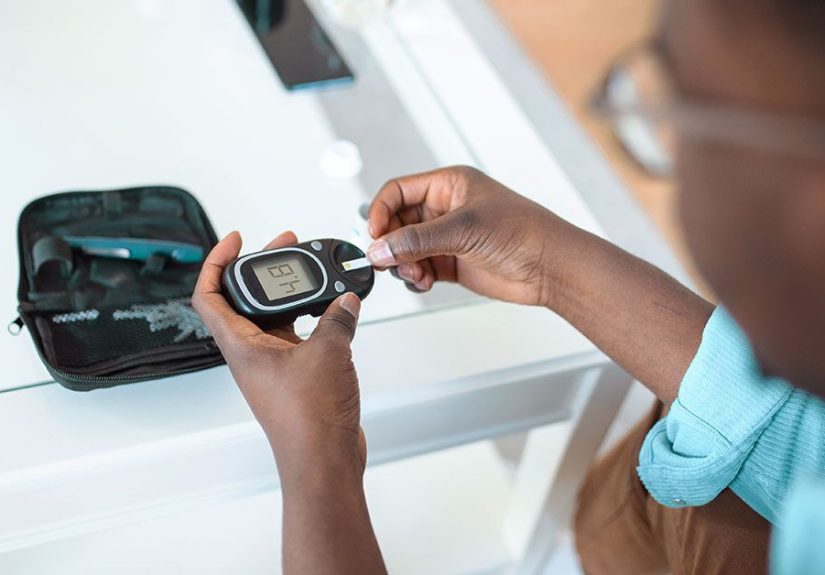
It is easy to treat blood glucose meters like yesterday’s news. That would be a mistake. A standard blood glucose meter is still one of the best devices for people with type 2 diabetes on insulin, even if it is not the most exciting one.
Here is why meters still matter:
- They are often more affordable than newer technology.
- They are a useful backup when a CGM is unavailable or acting suspicious.
- They are simple and familiar for many people.
- They can be a practical starting point for someone easing into diabetes tech.
The best meter is not necessarily the one with the flashiest branding. It is the one with strips you can consistently afford, a screen you can actually read, and a design you can use without swearing at it before breakfast. When comparing meters, it is smart to focus on strip cost, insurance coverage, ease of handling, screen visibility, app connectivity, and customer support.
If you use a CGM, keep a meter. If you do not use a CGM, a reliable meter is non-negotiable. Diabetes may be modern, but backup plans are timeless.
4. Automated Insulin Delivery Pumps Are the “Do More for Me” Option
For people who want a more hands-off insulin experience, an automated insulin delivery system can be a game changer. These systems connect glucose data with insulin delivery so the device can adjust insulin automatically within set limits.
In other words, the device does some of the decision-making for you. Not all of it. This is still diabetes, not magic. But it can reduce the number of manual corrections and constant adjustments you have to think about.
Why pumps can help in type 2 diabetes
- They can improve time in range.
- They may reduce high glucose swings.
- They can lower the burden of repeated injections.
- They may help people who need complex insulin adjustments.
One standout option is Omnipod 5, a tubeless automated insulin delivery system that has been cleared in the United States for adults with type 2 diabetes. That is a big deal, because type 2 diabetes has historically had fewer advanced pump options marketed directly to insulin users.
Who should think seriously about a pump?
- People on basal-bolus insulin who want more automation
- People who want to avoid multiple daily injections
- People who are comfortable learning device settings and site changes
- People whose glucose is unpredictable despite trying hard
The catch is that pumps have a learning curve. You need training, follow-up, and a willingness to wear a device on your body. Some people love that tradeoff. Others would rather keep injections than become emotionally attached to a pod stuck to their arm. Both reactions are completely fair.
5. Wearable Insulin Patches Can Make Mealtime Dosing Easier
If your biggest pain point is giving insulin in public, remembering mealtime doses, or dealing with constant injection fatigue, a wearable insulin patch may be worth a look.
Two examples often discussed in the U.S. market are:
CeQur Simplicity
This is a wearable mealtime insulin patch designed for bolus dosing. It is not a full insulin pump. It does not require complicated programming. For the right person, that simplicity is the whole appeal. You wear it, click to dose, and move on with your day.
V-Go
V-Go is a patch-style insulin delivery device that provides preset basal insulin plus on-demand mealtime bolus dosing. It is aimed at adults who need both basal and mealtime insulin but want a simpler alternative to standard multiple daily injections.
Why patches appeal to many adults with type 2 diabetes
- They reduce repeated pen or syringe use.
- They can be more discreet in social or work settings.
- They simplify dosing for people who hate carrying supplies everywhere.
- They may improve adherence simply because they are easier to use.
These devices are not for everyone. Some people need more flexible dosing than a patch can offer. Others dislike wearing adhesive devices. But for the right user, patches can make insulin feel much less like a full-time performance.
6. Injection Ports Are Small but Surprisingly Helpful
This category does not get enough attention. An injection port, such as i-Port Advance, sits on the skin for a few days and lets you deliver insulin through the port instead of puncturing your skin each time. It does not measure glucose. It does not calculate doses. It does not send alerts to your phone. It simply reduces needle pokes.
That may sound humble, but for people who delay insulin because they dread repeated injections, this can be incredibly useful. It is especially appealing for:
- people with needle anxiety
- people taking several injections a day
- people who want less skin trauma without moving to a pump
Sometimes the best device is not the fanciest technology. Sometimes it is the thing that removes the biggest daily annoyance. Tiny hero energy.
How to Choose the Best Device for Your Situation
If you use basal insulin only
Your best starting combo is often a CGM plus a reliable meter. Even if you are not taking mealtime insulin, trend data can help you and your clinician adjust basal doses more intelligently.
If you use basal and mealtime insulin
Consider a CGM plus a smart pen or CGM plus a pump. If mealtime doses are the hardest part of your day, a patch device may also be worth discussing.
If you often forget doses
A smart pen or connected system can be a lifesaver. Dose reminders and automatic logging are not gimmicks. They solve a very real problem.
If you fear lows
A CGM with alerts should move way up your list. That feature alone can provide peace of mind, especially overnight.
If you want fewer daily decisions
An automated insulin delivery pump may be the most helpful option, especially if your schedule, appetite, or activity level changes often.
If budget is the biggest issue
Start by looking at insurance coverage, strip costs, sensor coverage, and pharmacy benefits. A less glamorous device you can afford every month is better than a dream device that disappears after one refill cycle.
Questions to Ask Before You Commit
- Will this device work with the type of insulin I use?
- What will it cost me every month, including supplies?
- Can I see and understand the data easily?
- How often does it need to be changed, charged, or replaced?
- Will it help with the problem I actually have: missed doses, overnight lows, public dosing, or something else?
- Is training available, and who do I call if the device stops cooperating at 10 p.m.?
Common Mistakes People Make When Picking a Device
- Choosing based on hype instead of need. A pump is not automatically better than a smart pen, and a CGM is not perfect if you refuse to wear it.
- Ignoring ongoing supply costs. The real expense is often the strips, sensors, pods, cartridges, or adhesives.
- Skipping training. Even simple devices work better when you know how to use the reports and settings.
- Forgetting comfort and lifestyle. A brilliant device that annoys you all day may end up in a drawer.
- Not keeping a backup. Always have a meter, strips, and extra supplies. Technology is smart, but it still enjoys the occasional tantrum.
The Bottom Line
So, what are the best devices for people with type 2 diabetes on insulin? For many adults, the best starting answer is a continuous glucose monitor. It gives the richest, most useful information and can make insulin decisions much safer and easier. After that, the “best” device depends on your routine.
If you use injections and want help remembering doses, a smart insulin pen is a strong choice. If you want fewer injections and more automation, an insulin pump or automated insulin delivery system may be worth it. If you want a simpler, discreet option for mealtime insulin, wearable insulin patches can be surprisingly practical. And no matter what, a good blood glucose meter remains an important backup player.
The best device is the one you will actually use, understand, and be able to afford long term. In diabetes care, consistency usually beats perfection. Fancy tools are nice, but useful tools are better.
Real-Life Experiences: What Using These Devices Actually Feels Like
Here is the part people often want but medical brochures rarely give them: what these devices feel like in everyday life. Not in a polished ad where everyone is smiling while eating an unrealistically attractive salad, but in the actual rhythm of normal days.
Many people who start with a CGM describe the first week as equal parts helpful and humbling. Helpful because the data is eye-opening. Humbling because it quickly reveals that a “healthy little snack” can send glucose soaring like it just spotted a trampoline. People often say they finally understand what their body is doing after meals, overnight, during stress, or after exercise. For some, the biggest relief is overnight alarms that catch lows before they become scary. For others, the biggest benefit is simply not having to wonder all day. On the flip side, the early days can bring alert fatigue, skin irritation, or a brief period of becoming way too obsessed with every little blip. There is usually an adjustment period where the user learns to watch trends instead of panicking over every zigzag.
Smart insulin pens create a different kind of relief. A lot of people on injections are not struggling with the injection itself. They are struggling with the mental load. Did I take insulin already? Was that 6 units or 8? How much is still working? A connected pen can reduce that uncertainty. People often say the dose history alone makes them feel more organized and less likely to double-dose or forget a meal dose. It can also be a confidence booster for someone who is trying to manage insulin while juggling work, caregiving, errands, and the general chaos of being an adult.
Pumps and automated insulin delivery systems tend to create a more dramatic “before and after” feeling, especially for people who are tired of constant manual corrections. Users often talk about waking up with better numbers, spending less time chasing highs, and feeling like the device is helping behind the scenes. But it is not all smooth sailing. Wearing something on the body all the time takes getting used to. Site changes, adhesive issues, alarms, and device troubleshooting are real parts of pump life. Some people love the freedom from injections. Others discover that they do not love being attached to a device and would rather go back to pens. That is not failure. That is personal fit.
Patch devices and injection ports often get the warmest response from people who hate the social inconvenience of insulin. These users commonly say mealtime dosing becomes less awkward at restaurants, work meetings, or while traveling. Instead of disappearing into a restroom with a pen, they can manage insulin more discreetly. That kind of convenience matters more than many people realize. When a device makes treatment easier in public, adherence often improves quietly in the background.
And then there is the backup meter. Nobody gets emotional about a glucose meter until a sensor fails, a phone battery dies, or a reading looks suspicious. Then suddenly that plain little meter becomes the dependable best friend who answers the phone at 2 a.m. It may not be exciting, but in real life, reliability is beautiful.
The overall experience for most people is this: the right device does not just improve numbers. It reduces friction. It cuts down on hesitation, confusion, and second-guessing. It makes diabetes management feel more doable. And for people with type 2 diabetes on insulin, that may be the biggest win of all.