Table of Contents >> Show >> Hide
- What Is the Voronoi III Bulb?
- Why “Voronoi”? The Pattern That Makes It Look Alive
- Voronoi III Specs, Translated Into Real Life
- How the Voronoi III Looks in Different Spaces
- How to Style a Voronoi III Bulb Without Overthinking It
- Buying Checklist: What to Confirm Before You Click “Add to Cart”
- Care, Safety, and “Don’t Accidentally Ruin the Vibe” Tips
- FAQ: Quick Answers for the Voronoi III Curious
- Experience Notes: Living With a Voronoi III Bulb (The First 7–10 Days)
- Conclusion
Some light bulbs just… light. The Voronoi III bulb shows up, steals the spotlight, and politely asks your pendant fixture to step aside so it can do a solo. If you’ve ever looked at a “bare bulb” lamp and thought, “Cute, but can it be cuter and also mathematically smug?”welcome.
In this guide, we’ll unpack what the Voronoi III actually is, why it looks like nature and geometry had a stylish baby, what the specs mean in human language, and how to use it without turning your living room into an overpriced museum gift shop (unless that’s the vibeno judgment).
What Is the Voronoi III Bulb?
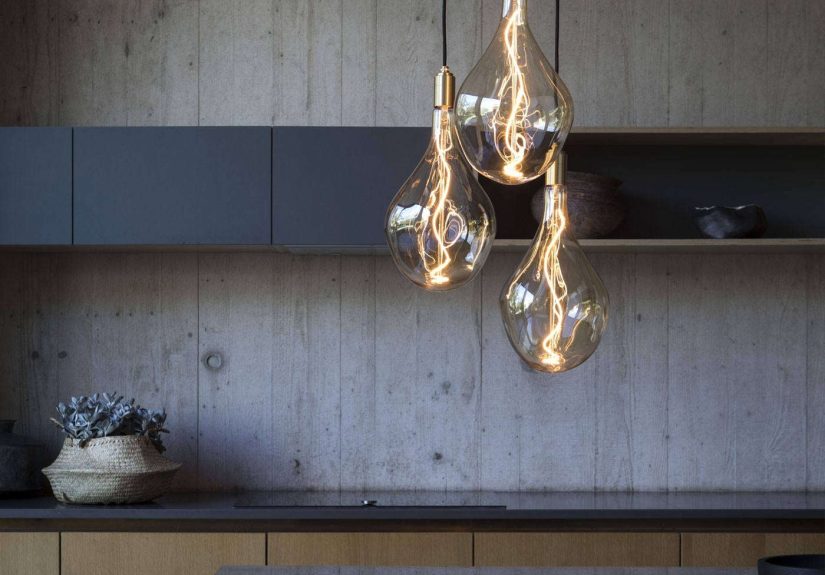
The Voronoi III is a large, sculptural decorative LED bulb designed to be seenon purpose. Unlike standard bulbs that hide behind shades like introverts at a networking event, this one thrives in the open: pendants, clusters, and statement fixtures.
Think “functional light source” meets “conversation starter.” It’s typically used for ambient glow rather than “I need to find the tiny screw I dropped” brightness. If your goal is cozy atmosphere with a side of design flex, you’re in the right aisle.
Who’s It For?
- Design lovers who want a bulb that doubles as décor.
- Homeowners and renters with open fixtures (pendants, wall sconces, chandeliers).
- Hospitality spacescafés, boutiques, lobbieswhere lighting is part of the brand.
- Anyone who’s ever said, “Warm lighting makes me look more alive.”
Why “Voronoi”? The Pattern That Makes It Look Alive
“Voronoi” sounds like a sci-fi villain, but it’s actually a legit mathematical idea: a Voronoi diagram divides space into regions based on which “seed point” is closest. The result is a network of organic-looking cellslike giraffe spots, dragonfly wings, cracked mud, or that one sourdough crust you’re irrationally proud of.
From Math Class to Mood Lighting
Designers love Voronoi patterns because they’re structured and irregular at the same timeorder with personality. In lighting, that translates to: visually interesting glass geometry and a glow that feels less “office ceiling panel” and more “boutique hotel lobby at golden hour.”
And Then There’s the Spiral Filament
The “III” in Voronoi III signals the largest sibling in its familybig glass, big presence. Inside, the spiral filament nods to the kind of natural growth spirals people associate with the Fibonacci sequence (pinecones and plants love showing off like that). The end result: a bulb that looks engineered, but not cold.
Voronoi III Specs, Translated Into Real Life
Specs can feel like reading a toaster manual written by a robot. Let’s make them useful. Here’s how to think about the Voronoi III bulb in day-to-day lighting terms.
Brightness: It’s About Atmosphere, Not Interrogation
Decorative statement bulbs usually prioritize visual beauty and warm ambience over high lumen output. That means it’s ideal for a dining nook, bedside pendant, entryway glow, or a “let’s make this corner feel expensive” moment.
If you want it to do heavy liftinglike lighting an entire kitchen workspacepair it with other light sources (recessed lights, under-cabinet LEDs, or a task lamp). The Voronoi III can be the vibe captain while other fixtures handle the boring responsibilities.
Color Temperature: Warm White That Feels Like Candlelight’s Cooler Cousin
Color temperature is measured in Kelvin (K). Lower numbers look warmer (more amber), higher numbers look cooler (more blue/white). The Voronoi III lives firmly in the “warm and flattering” zonegreat for relaxing spaces and evening settings.
Energy Use: Low Watts, High Drama
LEDs are efficient because they give you light without wasting as much energy as heat. So you can get a beautiful decorative glow while keeping energy use relatively modest compared to old-school incandescent style bulbs.
Color Rendering (CRI): When Food and Skin Don’t Look Sad
CRI is a measure of how accurately a light source reveals colors. High CRI lighting can make wood tones look richer, art look more “gallery,” and dinner look less like it was cooked under a gas station spotlight. If you’re putting a designer bulb on display, good color quality is part of the point.
Dimming: The “Make It Cozy” Slider
A dimmable decorative LED bulb is basically a mood switch. Use it bright enough for conversation, then dim it down so everyone suddenly starts talking like they’re in a movie scene. Just make sure your dimmer is LED-compatiblemore on that in a minute.
How the Voronoi III Looks in Different Spaces
Dining Area
The Voronoi III is made for dining tablesespecially if you hang it in a single statement pendant or a cluster. It gives off warm, intimate light that flatters faces and makes even takeout feel like a date.
Bedroom
Swap traditional bedside lamps for two pendants flanking the bed. The bulb becomes part of the room’s visual “jewelry,” and the warm tone helps the space feel calmer at night.
Entryway
In an entry, you want something that says “welcome” and “yes, I do have taste,” without yelling. A sculptural LED bulb in a simple fixture does exactly thatespecially in homes with high ceilings.
Commercial Interiors
Restaurants and boutiques love bulbs like this because they create identity. Customers remember the feeling of a space, and lighting is one of the fastest ways to manufacture that feelingethically, of course.
How to Style a Voronoi III Bulb Without Overthinking It
1) Choose the Right Fixture: Simple Wins
With a statement bulb, the fixture should usually be the supporting actor. Think minimal pendants, clean metal finishes, and open shades. If the fixture is also screaming for attention, your ceiling becomes a design argument.
2) Hang It at the Right Height
Over a dining table or kitchen island, you generally want the bulb low enough to be seen and enjoyed, but high enough that nobody headbutts it while reaching for salsa. If you’re doing a cluster, stagger heights for a sculptural look.
3) Use It in Multiples (Carefully)
One Voronoi III bulb is a statement. Three is a chandelier moment. Five is… a choice. A bold one. If you go big, keep everything else calm: neutral walls, simple furniture lines, fewer competing patterns.
4) Pair With Complementary Light Layers
The best lighting plans use layers: ambient (overall glow), task (work light), and accent (highlighting art/architecture). The Voronoi III bulb shines as ambient + accent. Let other fixtures handle task lighting.
Buying Checklist: What to Confirm Before You Click “Add to Cart”
- Socket/Base: Make sure your fixture matches the bulb base type commonly used in the U.S. (often E26 for standard household sockets).
- Size & Clearance: This is a large bulb. Confirm the bulb won’t collide with shades, cages, or narrow glass enclosures.
- Dimming Compatibility: Use an LED-rated dimmer and check compatibility guidance if you’re chasing smooth dimming.
- Purpose: If you need bright task light, plan supplemental lighting. This bulb is for atmosphere and design presence.
- Placement: Best in open fixtures where the glass shape and filament are visible.
Care, Safety, and “Don’t Accidentally Ruin the Vibe” Tips
Handle Like Glass Art (Because It Kind of Is)
Decorative bulbs are typically larger and more visually refined than standard bulbs. Install with clean hands (or gloves) and avoid twisting the glassuse the base where possible.
Use the Right Dimmer
Not all dimmers play nicely with all LED bulbs. The most common issues are flicker at low levels or a dimming range that feels jumpy. An LED-focused dimmer and compatibility checks go a long way toward “smooth and dreamy” instead of “haunted house strobe.”
Think About the Fixture Environment
Even though LEDs run cooler than incandescents, enclosed fixtures can trap heat. Always follow fixture and bulb guidance for enclosed or outdoor locations, and prioritize safe, code-compliant installation.
FAQ: Quick Answers for the Voronoi III Curious
Is the Voronoi III bulb bright enough for a whole room?
It depends on room size and how many light sources you have. As a design-forward bulb, it’s best treated as ambient/accent lighting, supported by additional fixtures if you need strong overall brightness.
Is it good for photography and interiors content?
Yesbecause the filament and glass shape read beautifully on camera. Warm lighting also tends to look inviting in interior photos. If you film video, stable dimming and low flicker performance matter, so pair it with a compatible dimmer.
Does it work with smart dimmers?
Many do, but compatibility varies by system and bulb behavior. If you’re particular about smooth, silent dimming, check your dimmer’s tested bulb recommendations.
What makes it different from a regular “Edison-style” bulb?
Regular vintage-style bulbs mimic old filament looks. The Voronoi III is more sculpturalbigger scale, more intricate visual geometry, and designed to be a centerpiece rather than a background player.
Experience Notes: Living With a Voronoi III Bulb (The First 7–10 Days)
Here’s the part people don’t tell you: the Voronoi III bulb changes how you behave in a room. Not dramatically you won’t start speaking French or wearing linen unironicallybut you’ll notice little shifts.
Day one is the “unboxing moment.” Because it’s oversized and sculptural, it doesn’t feel like buying a bulb; it feels like buying an object. You hold it up, rotate it in the light, and briefly consider giving it a name. (No? Just me? Okay.) Installation is simple in theoryscrew it in, donebut you’ll likely slow down and align it thoughtfully in the fixture because it’s visible. With a normal bulb, you’d slap it in like changing a battery. With this one, you’re suddenly an art handler.
Days two to four are when you realize what it’s best at: evening ambience. Flip it on after sunset and the warm glow feels intentional, like you planned your life. It’s not the kind of bulb that screams brightness; it gives off a cozy, curated light that makes corners feel softer and surfaces feel richer. If you’ve got wood furniture, warm paint, brass accents, or textured fabrics, the bulb’s warm tone tends to play nicely with them.
Around day five you start “tuning” it. You’ll adjust the dimming level more than you thought you would. This isn’t because you’re indecisive; it’s because dimming is where the bulb becomes a mood tool. Slightly brighter for dinner and cleanup, slightly lower for conversation, lower still for the “I’m done being perceived” hour. If your dimmer and bulb pairing is a good match, the transitions feel smooth and satisfying. If they’re not, you may spot flicker or a weird low-end cutoffwhich is your cue to check dimmer compatibility and settings.
Days six to ten are the “styling spiral.” You’ll notice the bulb from different angles and start making micro-changes: raising or lowering the pendant, swapping the shade, or repositioning furniture so the bulb is visible from your favorite seat. If you have a cluster installation, you may tweak spacing so the bulbs don’t visually overlap in awkward ways. It’s a funny thingbuying one decorative LED bulb can accidentally motivate you to improve the whole lighting plan. You might add a small task lamp in the corner so the Voronoi III can stay warm and pretty without being asked to do office work.
The biggest “real life” takeaway: treat it like lighting jewelry. It’s most rewarding when it’s on display, dimmed thoughtfully, and paired with other light layers. Do that, and the bulb earns its keepnot by blasting lumens, but by making the room feel like somewhere you actually want to be.
Conclusion
The Voronoi III bulb is what happens when decorative lighting stops pretending it’s just a utility product. It’s a sculptural LED light bulb built for open fixtures, warm ambience, and design-driven spaceswhere the bulb itself is part of the décor.
If you want a statement piece that nods to Voronoi geometry and Fibonacci-inspired spirals, delivers cozy warm-white glow, and looks incredible in pendants or clusters, the Voronoi III is a strong contender. Just remember: it’s an atmosphere-maker first. Pair it with task lighting when you need practical brightness, and match it with an LED-friendly dimmer for the smoothest experience.