Table of Contents >> Show >> Hide
- Why “First-Time Gardener” Advice Matters More Than Fancy Plant Lists
- 1) Start Small, Start Smart, Start Where You Can Actually Reach the Hose
- 2) Learn Your Climate Before You Fall in Love with the Wrong Plant
- 3) Soil Is the Main Character (Yes, More Important Than the Plants)
- 4) Containers Count as Real Gardening (And They’re Great for Beginners)
- 5) Choose Easy Wins for Your First Season
- 6) Read the Seed Packet Like It’s a Tiny Instruction Manual (Because It Is)
- 7) Water Deeply, Not Constantly (And Try Morning First)
- 8) Mulch Is the Unsung Hero of the Beginner Garden
- 9) Prevent Pests with Habits, Not Panic
- 10) Design for the Garden You Have, Not the One in Your Head
- A Practical First-Season Plan You Can Copy
- Common First-Time Gardener Mistakes (So You Can Skip Them)
- Final Thoughts: A Good First Garden Is One That Teaches You Something
- Experiences from First-Time Gardeners (What the First Season Really Feels Like)
If you’ve ever stood in a garden center holding a tomato plant, a lavender, and a completely unnecessary ornamental grass while whispering, “I can fix them,” this article is for you.
Gardenista-style gardening has always felt approachable because it mixes beauty with practicality: yes, your garden can look like a magazine spread, but it also has to survive Tuesday. And for first-time gardeners, that’s the whole game. You don’t need to know Latin plant names or own a vintage copper watering can. You need a smart plan, decent soil, enough sunlight, and the humility to admit that plants are, in fact, alive and have opinions.
This guide pulls together the most useful beginner-friendly ideas from Gardenista-inspired advice and trusted U.S. gardening resources so you can skip common mistakes, save money, and actually enjoy your first season. We’ll cover where to start, what to plant, how to water, how not to overdo it, and how to keep your “starter garden” from becoming a full-time emotional support project by July.
Why “First-Time Gardener” Advice Matters More Than Fancy Plant Lists
New gardeners often ask, “What should I plant?” That’s a fair questionbut it’s usually the second question. The first one is: What kind of garden can you realistically maintain?
Beginner success usually comes down to systems, not plant shopping. The basicslight, soil, water, timing, spacing, and pest preventionwill determine whether your garden thrives. The good news? Once those are set up, you can grow a surprising amount with modest effort.
In other words: don’t start by buying 27 seedlings and a wheelbarrow of optimism. Start by building a garden that fits your time, space, and climate.
1) Start Small, Start Smart, Start Where You Can Actually Reach the Hose
One of the best beginner tips is also the least glamorous: start small. First-time gardeners often plant too much, too soon, and then discover that weeding, watering, thinning, staking, and harvesting all happen at the same time (usually during the hottest week of the summer).
A better beginner strategy
- A small in-ground plot (around 100 square feet is a common beginner benchmark)
- One or two raised beds
- Several containers on a patio, balcony, or sunny doorstep
Choose a spot near a water source and somewhere you naturally walk past. Gardens hidden behind the shed tend to become “archaeological sites” by midseason. If it’s easy to see, it’s easier to maintain.
Sunlight rules the schedule
Most vegetables and many flowering plants need about 6–8 hours of direct sun daily. Watch your yard (or balcony) for a full day before planting. “Looks sunny” at 10 a.m. and “actually sunny” at 3 p.m. are not always the same thing.
2) Learn Your Climate Before You Fall in Love with the Wrong Plant
Every beginner has a moment like this: “I bought this because it was pretty.” Fair. But plants are not throw pillows.
Before you buy, check:
- USDA hardiness zone (especially for perennials, shrubs, and trees)
- Frost dates (last spring frost and first fall frost)
- Sun requirements (full sun, part sun, shade)
- Mature size (tiny now, jungle later)
The USDA Plant Hardiness Zone Map helps you understand what perennial plants are likely to survive winter in your area. But don’t confuse zone suitability with perfect growing conditionssun, soil, drainage, and watering habits still matter. A plant can be “hardy” and still be deeply offended by where you put it.
Timing is everything
Warm-season crops like tomatoes and peppers should go in after frost danger has passed. Cool-season crops (like lettuce, kale, radishes, and spinach) can often handle chilly conditions much better. Planting by category instead of impulse is one of the fastest ways to improve your results.
3) Soil Is the Main Character (Yes, More Important Than the Plants)
Gardenista’s beginner lessons repeatedly point to a truth every experienced gardener eventually learns: soil quality matters. A lot.
Beginners often spend all their energy picking plants and almost no time preparing soil. That’s like buying gourmet coffee and brewing it with hot dog water. Your plants are only as healthy as the soil their roots grow in.
What to do first: test before you guess
Get a soil test through your local cooperative extension service when possible. A soil test can tell you pH and nutrient levels and help you avoid overfertilizing. Guessing with random products from the garden aisle can waste money and create problems (including weak, overly lush growth that attracts pests and disease).
Improve soil with compost
Compost is one of the most beginner-friendly upgrades you can make. It improves soil structure, supports better moisture retention, and helps feed soil life. It also gives kitchen scraps and yard waste a second act, which is both practical and satisfying.
If you’re starting from scratch, adding compost to beds (or using quality potting mix plus compost in containers) gives your plants a much better chance of establishing quickly. Healthy soil is the “cheat code” beginners are always looking for.
4) Containers Count as Real Gardening (And They’re Great for Beginners)
Let’s end the snobbery: container gardening is absolutely real gardening. In fact, for many first-time gardeners, it’s the smartest entry point.
Why containers work so well for beginners
- Easy to manage in small spaces
- Lower startup cost than a large bed
- Fewer weeds
- Better control over soil quality
- Portable if you misjudge sunlight (and you might)
The one non-negotiable rule: drainage
A container must have drainage holes. This is not optional. Plants sitting in water can develop root rot, and many don’t recover. If you love a decorative pot with no drainage hole, use it as an outer cover (double-potting) and place a functional nursery pot inside.
Also, use potting mixnot garden soil. Garden soil often compacts in containers, reducing oxygen and trapping too much water.
5) Choose Easy Wins for Your First Season
You do not need to start with the fussiest plants on Earth. Your first season should build confidence, not character.
Gardenista’s beginner-friendly vegetable recommendations have highlighted easy, forgiving choices like radishes, parsley, kale, arugula, and radicchiogreat examples of crops that teach timing, harvesting, and watering without demanding a PhD in horticulture.
Strong starter picks for first-time gardeners
- Radishes: Fast, satisfying, and great for impatient gardeners
- Lettuce/leafy greens: Quick harvests and easy succession planting
- Arugula: Fast-growing and flavorful
- Kale: Productive and resilient in cooler weather
- Parsley: Useful in the kitchen and forgiving once established
- Bush beans: Productive and beginner-friendly
- Herbs in containers: Basil, chives, mint (mint in its own pot unless chaos is your aesthetic)
Match your plant list to your lifestyle
If you travel often, grow plants that tolerate inconsistency. If you cook a lot, prioritize herbs and greens you’ll actually use. If you mainly want a pretty space, mix easy flowers with a few edible plants so you get both beauty and snacks.
6) Read the Seed Packet Like It’s a Tiny Instruction Manual (Because It Is)
Seed packets are not decorative wrappers. They are the original gardening app.
Beginner gardeners skip seed packet instructions all the time, and then wonder why their seedlings are crowded, leggy, late, or nonexistent. The packet tells you key details such as:
- Whether to direct sow or start indoors
- Days to germination
- Days to harvest
- Planting depth
- Spacing
- Timing relative to frost dates
That timing piece is huge. Start too early indoors and seedlings outgrow their containers before weather is ready. Start too late and your crop may struggle in heat or run out of season. Gardening gets much easier when you stop winging it and let the packet coach you.
7) Water Deeply, Not Constantly (And Try Morning First)
Most beginner watering problems fall into one of two categories:
- “I forgot to water.”
- “I watered so much I invented a swamp.”
The fix is consistency and observation.
Smart watering basics
- Water slowly and deeply to encourage deeper roots
- Check soil moisture before watering (don’t water just because you feel guilty)
- Morning watering is usually best because foliage dries faster and water loss is reduced
- Mulch helps soil hold moisture longer
- Container plants usually need more frequent checks than in-ground plants
Vegetable gardens often do best with about an inch of water per week (from rain plus irrigation), but your soil type matters. Sandy soils dry faster; heavier soils hold moisture longer. Learn your soil, and your watering gets easier fast.
8) Mulch Is the Unsung Hero of the Beginner Garden
If beginners knew how much stress mulch prevents, mulch would have a fan club.
Mulch helps reduce evaporation, suppress weeds, moderate soil temperature, and reduce erosion. It can also save you timewhich is the real luxury product in gardening.
How to use mulch well
- Apply mulch around established plants (not over seeds that still need to germinate)
- Use appropriate mulch for the garden type (straw, bark, compost, etc.)
- Replenish as it breaks down
Think of mulch as a protective blanket for your soil. Your plants still need care, but they’ll complain less.
9) Prevent Pests with Habits, Not Panic
The first time you see a chewed leaf, it’s tempting to go full action-movie mode. Resist. A more effective approach is Integrated Pest Management (IPM): identify the problem, monitor it, and use the least disruptive fix first.
Beginner IPM habits that work
- Inspect plants regularly (tops and undersides of leaves)
- Water and fertilize appropriately (stressed plants attract trouble)
- Space plants properly for airflow
- Remove diseased or badly infested material early
- Encourage beneficial insects and pollinators
Not every bug is a villain. Many are helpers. Native plant choices can support pollinators and beneficial insects while reducing maintenance. This is especially useful for first-timers who want a healthier garden ecosystem without micromanaging every leaf.
10) Design for the Garden You Have, Not the One in Your Head
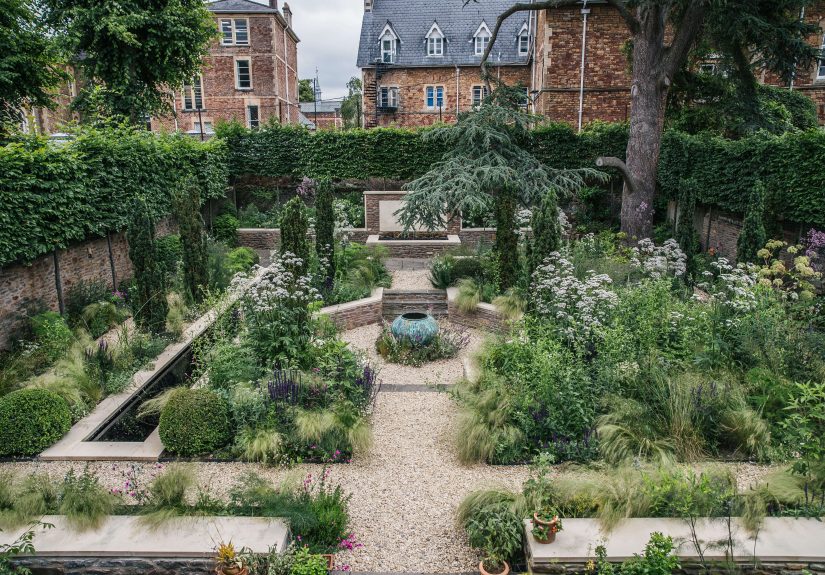
This is where Gardenista-inspired thinking really shines: your garden should fit your site, your routine, and your budget. A beautiful beginner garden is not the one with the most plantsit’s the one that looks intentional and stays manageable.
Simple design moves that make a big difference
- Repeat a few plants instead of buying one of everything
- Group plants by water and light needs
- Leave room for paths and access
- Use raised beds or containers to create structure
- Add one focal point (a trellis, large pot, bench, or birdbath)
If you’re building raised beds, keep width manageable so you can reach the center without stepping into the soil. Compacted soil is a quiet productivity killer.
A Practical First-Season Plan You Can Copy
Option A: Small sunny backyard (beginner vegetable setup)
- 1 raised bed for greens and herbs
- 1 raised bed for bush beans + a tomato or two
- Mulch pathways and bed surfaces
- Weekly check: water, weed, inspect, harvest
Option B: Patio or balcony (container starter garden)
- 2 medium pots: tomatoes or peppers (if full sun)
- 2 long planters: lettuce/arugula + herbs
- 1 pot: pollinator-friendly flowers/native annuals or perennials suited to your climate
- Daily summer check: moisture and drainage
Option C: “I’m new and nervous” confidence garden
- Radishes
- Leaf lettuce
- Parsley
- Basil (warm weather)
- Marigolds or another easy flower
This setup teaches sowing, thinning, watering, harvesting, and basic maintenance without overwhelming you.
Common First-Time Gardener Mistakes (So You Can Skip Them)
- Planting too much: A small, productive garden beats a giant, neglected one.
- Ignoring soil prep: Plants can’t outgrow bad soil forever.
- Bad timing: Frost and heat don’t care about your weekend plans.
- Overwatering containers: Wet roots need oxygen too.
- Skipping spacing: Crowded plants invite disease and reduce yields.
- Reacting too fast to pests: Identify first, treat second.
- Expecting perfection: A “messy” first garden is normal and useful.
Final Thoughts: A Good First Garden Is One That Teaches You Something
Your first garden does not need to be flawless. It needs to be alive enough to teach you what works in your space.
Some plants will thrive. Some will bolt, flop, yellow, or mysteriously vanish. That’s not failurethat’s gardening. The win is learning your sun patterns, your soil, your watering rhythm, and the kinds of plants you actually enjoy growing.
If you take anything from the “Trending on Gardenista” beginner mindset, let it be this: start with good bones (light, soil, drainage, timing), choose a few easy wins, and build beauty slowly. The best gardens aren’t made in a weekend. They’re edited over seasons.
And yes, you can absolutely buy the pretty watering can. Just maybe also buy compost.
Experiences from First-Time Gardeners (What the First Season Really Feels Like)
The most useful advice for beginners often comes from experienceespecially the slightly embarrassing kind. A first garden usually starts with big energy: a Saturday morning shopping trip, a trunk full of seedlings, and a confidence level last seen in home makeover shows. Then reality arrives in the form of drooping basil, mystery holes in the kale, and a tomato plant that suddenly looks like it’s auditioning for a jungle documentary.
A very common first-year experience is underestimating how fast things change. One week, seedlings look tiny and harmless. The next, lettuce needs thinning, radishes are ready, and weeds have formed an organized committee. New gardeners often say the biggest surprise isn’t how hard gardening isit’s how quickly small tasks stack up. The solution they discover (sometimes after a week of avoidance) is simple: short, frequent check-ins work better than marathon “catch-up” sessions.
Another classic experience is the “sunlight misunderstanding.” A space may look bright from the kitchen window, but after tracking the area for a day, beginners realize it gets only a few hours of direct sun. This is often the moment people either get frustrated or get smarter. The successful ones pivot: they move containers, choose shade-tolerant plants, or reserve the sunniest spot for vegetables and let the less sunny areas hold foliage plants or flowers that can handle it. That flexibility is a huge milestone in a gardener’s learning curve.
Watering creates the next round of lessons. Many first-time gardeners start by watering on a strict schedule, then learn that weather, container size, mulch, wind, and soil type change everything. One beginner might water too little because they’re afraid of overwatering. Another waters daily and accidentally keeps roots soggy. Over time, most develop the same habit: check the soil first, then water with intention. It sounds basic, but this is the moment gardening starts to feel less like guessing and more like skill.
There’s also the emotional side. First-time gardeners often form intense attachments to their early plantsespecially the first tomato, first bloom, or first seedling that emerges “for real.” That excitement matters. It keeps people going when something fails. And something will fail. A heat wave arrives. A pest appears. A plant bolts. A pot drains poorly. The gardeners who continue are usually the ones who treat these moments as data, not drama.
Interestingly, many beginners report the same turning point: the day they stop trying to copy a picture-perfect garden and start responding to their own space. They notice where water pools, which corner gets hot afternoon sun, which herbs they actually cook with, and which plants are too needy for their schedule. That shiftfrom imitation to observationis when a first-time gardener starts becoming a real gardener.
So if your first season includes a few flops, a few surprises, and one wildly successful pot of parsley you brag about to everyone, congratulations. That is exactly what a first garden is supposed to look like.