Table of Contents >> Show >> Hide
- What “Topical Treatment” Really Means for Psoriasis
- The “Big Buckets” of Psoriasis Creams and Lotions
- 1) Topical Corticosteroids (Steroid Creams/Ointments)
- 2) Vitamin D Analog Creams (Calcipotriene/Calcipotriol, Calcitriol)
- 3) Combination Steroid + Vitamin D Products
- 4) Topical Retinoids (Tazarotene)
- 5) Topical Calcineurin Inhibitors (Tacrolimus, Pimecrolimus)
- 6) Nonsteroidal “Newer Generation” Prescription Creams
- 7) Keratolytics and Scale Lifters (Salicylic Acid, Urea, Lactic Acid)
- 8) Coal Tar (Yes, It’s Old-SchoolAnd Still Used)
- 9) Anthralin
- 10) Moisturizers and Barrier Repair Lotions
- Choosing the Right Topical by Body Area
- How to Use Topicals Like a Pro (Without Overdoing It)
- When to Call a Dermatologist (Sooner Than Later)
- Real-World Experiences With Psoriasis Creams and Lotions (500+ Words)
- Conclusion
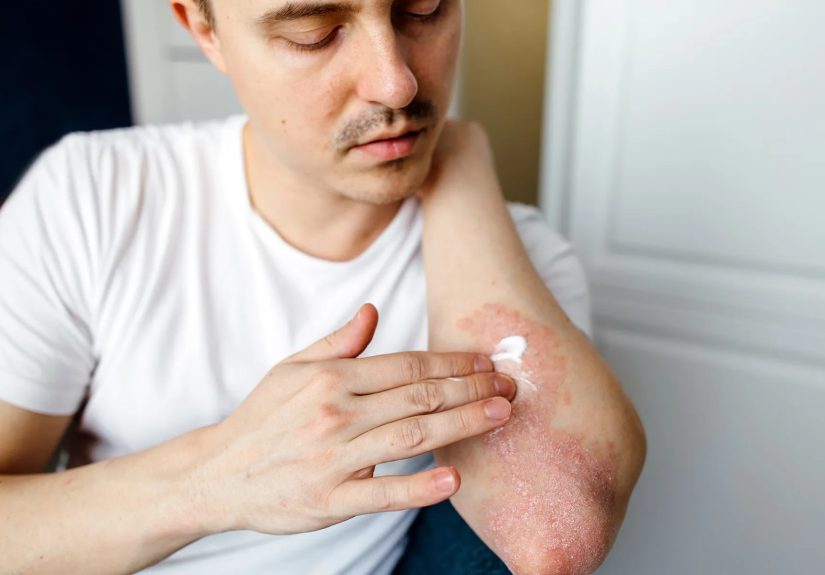
Psoriasis is the skin condition that can make you feel like your body accidentally switched to “extra crispy” mode. The good news: for many people, topical creams and lotions (a.k.a. “things you rub on your skin so it stops arguing with you”) are the first and most helpful stepespecially when psoriasis is mild to moderate or limited to smaller areas.
This guide breaks down what topical treatments actually do, which options tend to work best for different body areas, and how to use them in a way that gets results without turning your bathroom counter into a chemistry lab. (No shade if your counter already looks like a pharmacypsoriasis is persistent; you’re allowed to be prepared.)
What “Topical Treatment” Really Means for Psoriasis
A topical is any medication or medicated product applied directly to the skin. In psoriasis, topicals generally aim to:
- Reduce inflammation (calm redness, swelling, itching)
- Slow down rapid skin cell turnover (fewer thick plaques and scales)
- Loosen and lift scale so other medicines can penetrate better
- Support the skin barrier with moisturizers (less cracking and burning)
One important reality check: topical treatments help manage symptoms and plaques, but psoriasis is an immune-driven condition. If plaques are widespread, very thick, or affecting quality of life, your clinician may combine topicals with phototherapy or systemic treatments.
The “Big Buckets” of Psoriasis Creams and Lotions
1) Topical Corticosteroids (Steroid Creams/Ointments)
Topical corticosteroids are often considered the MVPs for plaque psoriasis because they work quickly to reduce inflammation, itching, and thickness. They come in different strengths (potencies), and that strength should match the body area: thicker skin (like elbows) can tolerate stronger steroids; thinner skin (like face and groin) usually cannot.
Common examples: hydrocortisone (mild, often OTC), triamcinolone (medium), betamethasone (medium-high), clobetasol (very high potency).
What to watch for: using strong steroids too long or on large areas can lead to skin thinning, stretch marks, visible blood vessels, easy bruising, or “rebound” flares when you stop suddenly.
Smart strategy: many clinicians use steroids in short bursts to get control, then taper down, switch to a lower potency, or rotate in nonsteroidal options as “steroid-sparing” maintenance.
2) Vitamin D Analog Creams (Calcipotriene/Calcipotriol, Calcitriol)
Vitamin D analogs help slow skin cell overproduction and can flatten plaques over time. They’re often used alone for mild psoriasis or combined with topical steroids to improve results and reduce long-term steroid exposure.
Common examples: calcipotriene (also spelled calcipotriol), calcitriol.
Typical “combo play”: vitamin D analog on weekdays + topical steroid on weekendsor vitamin D in the morning and steroid at night depending on the plan your clinician sets.
3) Combination Steroid + Vitamin D Products
These combine a corticosteroid with a vitamin D analog in one product, which can improve convenience and adherence (because it’s easier to do one step than twoespecially when you’re rushing out the door).
Common examples: calcipotriene/betamethasone in foam, ointment, cream, or suspension forms. These are especially popular for plaques and scalp involvement (depending on the formulation).
4) Topical Retinoids (Tazarotene)
Tazarotene is a topical retinoid that can help normalize skin cell growth and reduce plaque thickness. It’s often used with topical steroids because it can be irritating on its ownthink “helpful, but a little dramatic.”
Best for: stable plaques on thicker areas, and sometimes nails/scalp in specific treatment plans.
Heads up: dryness, burning, and irritation are common early on. A moisturizer “buffer” and careful scheduling can help.
5) Topical Calcineurin Inhibitors (Tacrolimus, Pimecrolimus)
These are nonsteroidal anti-inflammatory topicals often used off-label for psoriasis in sensitive areas (like the face, genitals, and skin folds) where long-term steroid use is risky.
What they’re good at: reducing inflammation without steroid-related thinning.
Common experience: some people feel stinging or burning for the first few daysthen it usually eases.
6) Nonsteroidal “Newer Generation” Prescription Creams
In recent years, a couple of newer topical prescriptions have expanded optionsespecially for people trying to minimize steroid use or treat tricky areas.
- Tapinarof 1% cream: a once-daily, nonsteroidal topical option for adult plaque psoriasis. It’s in a different class than steroids and vitamin D analogs, and it may be used as part of long-term management plans. Some people experience folliculitis (small bumps), irritation, or itching.
- Roflumilast cream (0.3%): a topical PDE-4 inhibitor used once daily for plaque psoriasis, including skin folds, with certain age indications depending on the label version. Potential side effects can include application site discomfort and some systemic-type symptoms in a small number of users (like headache or GI symptoms).
These newer nonsteroidal topicals can be especially appealing when psoriasis affects sensitive areas or when frequent steroid cycles are causing side effects. Insurance coverage and prior authorization can be part of the journey, so it helps to ask your clinician’s office about savings programs or alternatives if cost becomes a barrier.
7) Keratolytics and Scale Lifters (Salicylic Acid, Urea, Lactic Acid)
If psoriasis plaques are thick and scaly, keratolytics help loosen the “glue” between dead skin cells. This can reduce flaking and help other medications penetrate better.
Common options: salicylic acid (OTC and prescription strengths), urea creams, lactic acid lotions.
Pro tip: keratolytics are often best used as “prep work” before your prescription anti-inflammatory topical. But too much can irritateespecially on thin or cracked skin.
8) Coal Tar (Yes, It’s Old-SchoolAnd Still Used)
Coal tar products (creams, ointments, shampoos, bath solutions) have a long history in psoriasis care. They can reduce scaling and itch for some people, especially for scalp psoriasis.
Downsides: smell, mess, and potential irritation. Also, tar can increase sun sensitivity, so sunscreen matters.
9) Anthralin
Anthralin can slow skin cell growth and reduce inflammation, but it’s less commonly used today because it can irritate skin and stain clothing, towels, and anything you love. (It is not picky.)
When used, it’s often applied for a short contact time and washed off, under clinician guidance.
10) Moisturizers and Barrier Repair Lotions
Moisturizers won’t “cure” psoriasis, but they’re essential because they reduce dryness, cracking, scaling, and itch and they can make prescription topicals work better by improving skin comfort and adherence.
Look for: fragrance-free options; thicker ointments or creams for very dry plaques; ceramides, petrolatum, glycerin, colloidal oatmeal, and other barrier-supporting ingredients.
Timing hack: moisturize right after bathing (“soak and seal”) to trap water in the skin.
Choosing the Right Topical by Body Area
Face, Genitals, and Skin Folds (Intertriginous Areas)
These areas are more prone to irritation and steroid side effects because the skin is thinner and more sensitive. Clinicians often prefer low-potency steroids for short periods, plus steroid-sparing options like calcineurin inhibitors or certain nonsteroidal prescriptions.
Scalp Psoriasis
Scalp psoriasis often needs the right vehicle (the base formula). Thick ointments can be a nightmare in hair, so solutions, foams, sprays, gels, or medicated shampoos are commonly used.
- Prescription options: topical steroids (foam/solution), vitamin D analog solutions, combination products
- OTC options: coal tar shampoos, salicylic acid shampoos (especially for scale)
Nails
Nail psoriasis is stubborn because the nail plate blocks penetration. Some plans use topical steroids, vitamin D analogs, or tazarotene, but results can be slow. If nails are significantly affected, clinicians may discuss injections, systemic therapy, or other approaches.
Palms and Soles
Thick skin can require higher-potency steroids or stronger keratolytics to break through scale. Occlusion (covering with gloves/socks after applying medicine) may helpbut only if your clinician says it’s appropriate.
How to Use Topicals Like a Pro (Without Overdoing It)
Use the Right Amount
More product isn’t always better. Many clinicians teach dosing with a “fingertip unit” (the amount squeezed from the tip of an adult finger to the first crease) as a rough guide. Under-dosing is common, especially when people are worried about steroids, so ask your clinician what “enough” looks like for your plaques.
Apply in the Right Order
- If scale is heavy, consider a keratolytic step first (if recommended).
- Apply prescription anti-inflammatory topical to affected plaques.
- Moisturize to support the skin barrier and reduce irritation.
Stick With It Long Enough to Know If It’s Working
Steroids may calm plaques within days to a couple of weeks, while vitamin D analogs and nonsteroid options can take longer. Many plans reassess around the 4–12 week mark depending on medication and severity. If you’re not seeing meaningful improvement, it’s not a personal failureyour psoriasis may need a different plan.
Avoid Common Mistakes
- Using high-potency steroids on the face or groin without guidance
- Stopping abruptly after heavy steroid use (tapering may be needed)
- Applying to large areas without checking safe limits
- Skipping moisturizer and then wondering why everything burns
- Assuming one product should fix every area (psoriasis loves variety)
When to Call a Dermatologist (Sooner Than Later)
Consider professional help if:
- psoriasis covers a larger body area or keeps spreading
- you have significant pain, cracking, bleeding, or sleep-disrupting itch
- your scalp or nails are significantly affected
- topicals aren’t working after a reasonable trial
- you suspect infection (oozing, warmth, fever, increasing tenderness)
- you have joint pain or stiffness (possible psoriatic arthritis)
Real-World Experiences With Psoriasis Creams and Lotions (500+ Words)
If you’ve ever tried to build a consistent skincare routine with psoriasis, you already know the unglamorous truth: the hardest part isn’t always finding the “right” creamit’s living with the day-to-day logistics of using it. People often describe topical treatment as a relationship status: “It’s complicated.”
A common experience is the “two-speed timeline.” Steroid creams can feel like a miracle in the first weekredness fades, itch calms down, and plaques flatten. Then, just when someone starts thinking, “Wow, I have solved my skin forever,” they either stop too suddenly (hello, rebound flare) or they realize they can’t stay on a high-potency steroid indefinitely. That’s when the maintenance phase becomes the real test of patience. Many people do best when they treat psoriasis like brushing teeth: consistent, not heroic.
Another theme is that texture mattersa lot. Ointments are incredibly effective for dryness and thick plaques, but they can feel greasy, stain clothes, and turn bedsheets into an oil painting. Creams absorb faster but may sting on cracked skin. Lotions are convenient but sometimes too lightweight for stubborn plaques. People often end up with a “wardrobe” of topicals: one for daytime (less greasy), one for nighttime (more intense moisture), and one for “I can’t believe my scalp is doing this again.”
Many psoriasis patients also talk about how much location changes everything. A cream that works great on elbows may feel unbearable on the face. Skin folds can be extra sensitive and prone to irritation, so people often prefer steroid-sparing options there. Scalp psoriasis can be uniquely frustrating: plaques hide under hair, and treatments must be applied preciselyoften while juggling mirrors and trying not to look like you’re styling your hair with salad dressing. Foams and solutions can be game-changers simply because they’re usable.
Then there’s the “life administration” side: refills, insurance approvals, and remembering to apply medication when you’re tired. Some people keep products in multiple locationsbathroom, bedside table, gym bagbecause out of sight really is out of mind. Others set phone reminders or tie application to a routine (after shower, before coffee, right after brushing teeth). The most successful routines tend to be the ones that feel easy enough to repeat even during stressful weeks.
People also frequently mention the emotional relief of having a plan that’s flexible. For example: using a steroid burst during a flare, then switching to vitamin D analogs or a nonsteroidal prescription for maintenance, while keeping moisturizers as the everyday baseline. That kind of rotation can feel empowering, like you’re driving the treatment plan instead of being dragged behind it.
Finally, one of the most shared “aha” moments is how much basic moisturizing can change the whole experience. Even when moisturizers don’t remove plaques completely, they can reduce cracking, burning, and itchmaking it easier to tolerate prescription topicals and stick with a regimen long enough to see results. People often describe moisturizer as the unsung hero: not flashy, not dramatic, but absolutely essential. In psoriasis care, boring consistency often beats exciting chaos.
Conclusion
Topical creams and lotions are the foundation of psoriasis care for a reason: they can calm inflammation, reduce scale, and make daily life noticeably more comfortable. The “best” topical plan usually isn’t one magic tubeit’s a smart mix: targeted anti-inflammatory medication, scale management when needed, and consistent barrier support with moisturizers.
If your current routine isn’t working, don’t just suffer in silence (psoriasis does not deserve that satisfaction). A dermatologist can tailor potency, product type, and rotation strategies so you get results with fewer side effectsand a lot less guesswork.