Table of Contents >> Show >> Hide
- What Counts as a Lean Protein Food?
- 1. Skinless Chicken Breast
- 2. Turkey Breast
- 3. Salmon
- 4. Tuna
- 5. Cod
- 6. Shrimp
- 7. Eggs
- 8. Plain Greek Yogurt
- 9. Low-Fat Cottage Cheese
- 10. Tofu
- 11. Tempeh
- 12. Edamame
- 13. Lentils
- How to Choose Lean Protein Without Overthinking It
- Easy Meal Ideas Using Lean Protein Foods
- Final Thoughts
- Real-Life Experiences With Lean Protein Foods
- SEO Tags
If protein had a publicist, it would be unbearable by now. It gets credit for muscle growth, fuller stomachs, better meal prep, and rescuing sad weekday lunches from the tragic fate of “just crackers again.” But not all protein foods are created equal. Some come with more saturated fat, more sodium, or more processing than you bargained for. That is where lean protein foods shine.
Lean protein can help you build balanced meals without turning your plate into a grease slick. It supports muscle maintenance, helps with satiety, and fits nicely into eating patterns focused on heart health, weight management, and steady energy. The trick is choosing protein sources that deliver plenty of protein along with useful nutrients, while keeping extra saturated fat and heavy processing on a short leash.
Below are 13 of the best lean protein foods you should eat, plus practical tips for buying, cooking, and actually enjoying them. Because a healthy food is only helpful if it makes it from your grocery cart to your fork.
What Counts as a Lean Protein Food?
In everyday eating, “lean protein” usually means a protein-rich food that gives you a strong dose of protein without a lot of saturated fat. It also tends to mean less processed choices, such as skinless poultry, fish, beans, lentils, tofu, low-fat dairy, and eggs prepared in sensible ways. In other words, grilled chicken breast qualifies. A deep-fried mystery nugget wearing a breaded overcoat does not.
Another smart rule: think beyond meat. Some of the best lean protein foods come from seafood, soy, legumes, and dairy. A balanced routine usually works better than putting all your protein hopes and dreams into one food group.
1. Skinless Chicken Breast
Chicken breast is the overachiever of the lean-protein world. It is widely available, easy to cook, and packed with protein. It also plays nicely with almost any flavor profile, from lemon-garlic to smoky barbecue to taco seasoning.
What makes it great is not just the protein content, but the flexibility. Slice it over salads, tuck it into wraps, add it to grain bowls, or keep a batch in the fridge for quick lunches. To keep it juicy, avoid cooking it into drywall. A quick marinade, an instant-read thermometer, and a little restraint go a long way.
2. Turkey Breast
Turkey breast deserves better than being treated like a once-a-year holiday extra. It is lean, filling, and useful in everything from sandwiches to chili to lettuce wraps. Roasted turkey breast is especially handy for meal prep because it stays versatile all week.
One note: fresh roasted turkey is a stronger lean-protein choice than heavily processed deli slices, which can be higher in sodium. If you love deli turkey, compare labels and aim for simpler ingredient lists. Your sandwich can still be convenient without tasting like a salt lick in a business-casual disguise.
3. Salmon
Salmon is not the lowest-fat fish on this list, but it absolutely earns a spot because it delivers high-quality protein along with heart-friendly omega-3 fats. In other words, it is lean enough to be smart and flavorful enough to keep dinner from becoming a chore.
Salmon works beautifully baked, broiled, grilled, or pan-seared. Pair it with roasted vegetables and potatoes for a classic dinner, or flake leftovers into a grain bowl with cucumbers and yogurt sauce. If you want a protein that feels a little luxurious while still being practical, salmon is it.
4. Tuna
Tuna is one of the easiest ways to add lean protein to your day with almost zero drama. Canned tuna is affordable, shelf-stable, and ready to rescue you when the refrigerator looks emotionally unavailable.
Use it in sandwiches, pasta salads, lettuce cups, or quick rice bowls. For the healthiest setup, mix it with Greek yogurt, mashed avocado, or a light olive oil dressing instead of drowning it in mayo. If you buy canned varieties, comparing sodium on the label is a smart move.
5. Cod
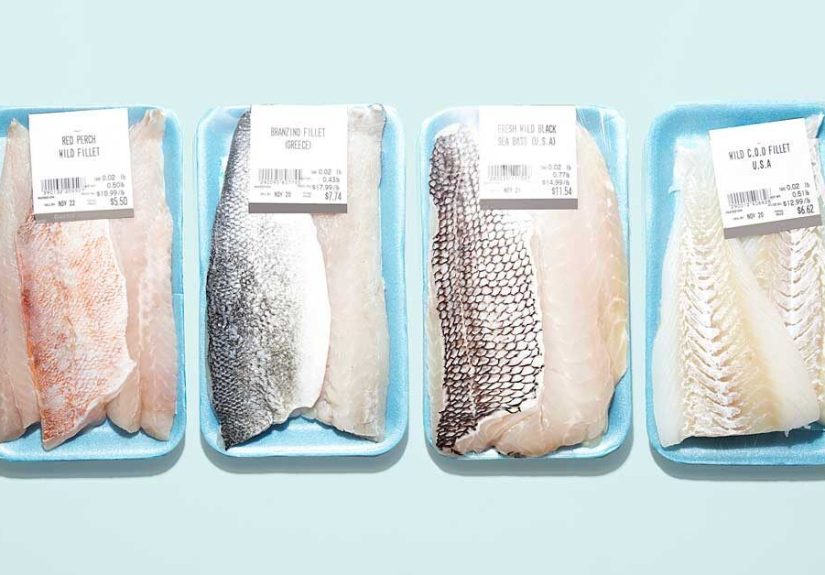
Cod is mild, flaky, and impressively lean. It is a great choice for people who want seafood without a bold fishy flavor. Think of it as the gentle introduction to fish for the suspicious eater in your household.
Because cod is so mild, it takes well to herbs, citrus, garlic, paprika, and breadcrumb-free spice rubs. Bake it with tomatoes and olives, tuck it into fish tacos, or serve it with steamed vegetables and rice. It cooks quickly, which is excellent news for hungry people and terrible news for overcooking accidents, so keep an eye on it.
6. Shrimp
Shrimp is the speed demon of lean protein foods. It cooks in minutes, feels a little fancy, and works in everything from stir-fries to tacos to cold salads. It is a brilliant option when dinner needs to happen now, not after a long dramatic monologue.
Choose grilled, sautéed, steamed, or roasted preparations instead of breaded and fried versions. Shrimp pairs well with vegetables, whole grains, beans, and simple sauces with garlic, lemon, or chili. The result is a high-protein meal that feels light rather than heavy.
7. Eggs
Eggs are affordable, versatile, and surprisingly efficient. They bring high-quality protein and useful nutrients in a tidy little package that already comes with its own biodegradable container. Frankly, the branding is excellent.
Whole eggs can absolutely fit into a lean-protein routine, especially when the rest of the meal stays balanced. Hard-boiled eggs make an easy snack, scrambled eggs work for breakfast-for-dinner nights, and egg-based veggie muffins help with grab-and-go mornings. If you want to lower fat further, pairing whole eggs with extra egg whites is a simple trick.
8. Plain Greek Yogurt
Greek yogurt is one of the easiest high-protein foods to add to breakfast and snacks. Plain nonfat or low-fat Greek yogurt gives you a creamy texture and strong protein payoff without a lot of added sugar, assuming you skip the dessert-disguised versions.
Use it in parfaits, smoothies, dips, and sauces. It also works as a stand-in for sour cream in tacos or baked potatoes. Add berries, nuts, cinnamon, and a little chia for a breakfast that actually sticks with you. Sweet, tangy, and useful is a strong résumé.
9. Low-Fat Cottage Cheese
Cottage cheese is having a glow-up, and honestly, it earned one. Low-fat cottage cheese is packed with protein and works in both sweet and savory dishes. It can be spooned over fruit, blended into dips, spread on toast, or stirred into scrambled eggs for extra creaminess.
If texture has scared you away in the past, try whipped cottage cheese. Same protein-rich idea, less cafeteria flashback. Look for lower-fat versions if your goal is a leaner choice, and compare sodium if you eat it often.
10. Tofu
Tofu is the quiet professional of the protein aisle. It does not make a lot of noise, but it gets the job done. Because soy is a complete protein, tofu is especially useful for plant-forward eaters who want a lean source that can adapt to countless dishes.
Extra-firm tofu works well in stir-fries, sheet-pan dinners, grain bowls, and tacos. Pressing it first improves texture, and a good marinade helps it soak up flavor. If you have only eaten bland tofu, that is not tofu’s fault. That is a seasoning issue, and thankfully, seasoning can be fixed.
11. Tempeh
Tempeh is another soy-based protein, but it is firmer, nuttier, and more substantial than tofu. It tends to feel meatier, which makes it a strong option for people easing into plant-based protein foods without wanting dinner to feel like an apology.
Slice it into sandwiches, cube it for bowls, or crumble it into sauces and tacos. Because tempeh has a more assertive flavor, it stands up well to bold marinades, smoky spices, and savory glazes. It is also one of the most satisfying plant proteins if you want a hearty bite.
12. Edamame
Edamame is the snackable MVP. These young soybeans offer protein, fiber, and a fresh, slightly buttery taste that makes them easy to add to meals. They are one of the few plant-based options that feel equally at home as a side dish, salad topper, or quick afternoon snack.
Buy them frozen and shelled to make life easy. Toss them into stir-fries, grain bowls, noodle dishes, or soups. Or just sprinkle with a little seasoning and eat them warm from a bowl while pretending you definitely planned this healthy snack all along.
13. Lentils
Lentils may not flex as hard per bite as chicken breast, but they bring protein, fiber, and serious nutritional value to the table. They are budget-friendly, filling, and versatile enough to fit soups, curries, salads, and veggie-packed stews.
For people who want lean protein foods that also support fullness and digestion, lentils are a standout. They also make stretching a meal easier. Combine lentils with vegetables, herbs, and whole grains, and suddenly you have a deeply satisfying lunch that cost less than a fancy coffee with an identity crisis.
How to Choose Lean Protein Without Overthinking It
Favor less processed options
Fresh or minimally processed foods usually beat heavily processed meats. Roasted turkey breast is not the same thing as ultra-processed deli meat, and grilled fish is not the same thing as a breaded frozen patty.
Use the Nutrition Facts label wisely
Look at protein grams per serving, but do not stop there. Check saturated fat and sodium too. A food can be “high protein” and still come with nutritional baggage.
Cook lean protein in lean ways
Baking, broiling, grilling, poaching, steaming, air-frying, and sautéing with modest oil keep meals lighter than deep-frying. Preparation matters more than many people realize.
Mix animal and plant proteins
You do not need to pick a side like it is a sports rivalry. A week that includes chicken, fish, Greek yogurt, tofu, lentils, and edamame is usually more nutritious and a lot less boring than repeating the same protein every day.
Easy Meal Ideas Using Lean Protein Foods
- Greek yogurt bowl with berries, walnuts, and cinnamon
- Egg and veggie scramble with whole-grain toast
- Chicken breast grain bowl with brown rice, cucumbers, and tahini
- Salmon with roasted broccoli and sweet potato
- Tuna salad wrap with crunchy vegetables
- Tofu stir-fry with edamame and mixed vegetables
- Lentil soup with a side salad and whole-grain crackers
- Cottage cheese toast with tomatoes, pepper, and herbs
- Tempeh tacos with cabbage slaw and avocado
- Garlic shrimp over quinoa and spinach
Final Thoughts
The best lean protein foods are not just the ones with the biggest number on the label. They are the ones that fit your routine, your budget, your taste, and your long-term health goals. Chicken breast is useful. Salmon is nutrient-rich. Greek yogurt is snack magic. Lentils are affordable heroes. Tofu and tempeh prove that plant-based protein does not have to be boring. And eggs remain one of the most efficient foods in the kitchen, period.
If you build meals around a variety of lean protein foods, you make healthy eating easier, more satisfying, and far less repetitive. That means fewer crashes, better satiety, and a much lower chance of staring into your fridge at 6:43 p.m. hoping a balanced dinner will materialize on its own.
Real-Life Experiences With Lean Protein Foods
When people start eating more lean protein foods, the first thing they often notice is not some movie-trailer transformation. It is usually something more practical: they stay full longer. Breakfast stops disappearing from memory by 10 a.m. Lunch becomes less of a prelude to a 3 p.m. vending-machine romance. Dinner feels steadier and more satisfying. That is one reason lean protein foods are so helpful in the real world. They are less about dietary drama and more about making everyday eating easier.
A common experience is that mornings improve fast. Someone who used to grab a pastry and coffee may switch to Greek yogurt with fruit, eggs with toast, or cottage cheese with berries. Suddenly, their energy feels more stable. They are less likely to start circling the office kitchen like a hopeful raccoon before noon. That does not mean protein is magic. It means a meal with protein often does a better job of sticking around than a breakfast built mostly on refined carbs.
Lunch is where lean protein really earns applause. People who start packing chicken breast bowls, tuna wraps, lentil soup, tofu stir-fry leftovers, or shrimp salads often say the same thing: they feel more in control of the afternoon. They are less tempted by random snacks, less likely to crash, and more likely to make better choices at dinner because they are not arriving home ravenous. Hunger has a way of turning perfectly sensible adults into people who eat tortilla chips while standing over the sink. Lean protein can help reduce those moments.
Another common experience is discovering that variety matters more than perfection. At first, some people lean too hard on one “healthy” protein and burn out. Five days of plain chicken breast can make anyone question their life choices. But once they rotate salmon, eggs, Greek yogurt, lentils, tofu, turkey, and edamame, meals feel more interesting and sustainable. That variety also makes healthy eating more social. It is easier to build meals for a family or shared table when protein choices are flexible.
People also tend to notice that lean protein supports better meal prep habits. A tray of roasted chicken, a pot of lentils, a few hard-boiled eggs, a tub of Greek yogurt, and some baked tofu can cover a surprising number of meals. The fridge starts looking less like a collection of unrelated leftovers and more like a plan. That shift alone can improve consistency. And consistency, not one perfect meal, is what usually changes eating habits for the better.
Finally, many people find that lean protein foods help healthy eating feel less restrictive. Instead of focusing on what to cut out, they focus on what to build in. Add salmon to dinner. Add cottage cheese to a snack. Add edamame to a bowl. Add lentils to soup. That mindset feels more generous and more realistic. You are not chasing some impossible food fantasy. You are simply making meals more balanced, one practical protein choice at a time.