Table of Contents >> Show >> Hide
- What Biblical Numerology Is (and Isn’t)
- The Top 10 Significant Numbers in Biblical Numerology
- 1 Oneness: God’s Unity, Loyalty, and “No Substitutes”
- 2 Witness and Partnership: “Bring Receipts”
- 3 Divine Fullness: The Holy “Whole Package”
- 4 The World and Its Boundaries: North, South, East, West
- 5 Grace and Provision: Enoughand Then Some
- 6 (and 666) Humanity and Imitation-God Energy
- 7 Completion, Sabbath, and God’s “Finished Work” Signature
- 10 Completeness in Order: The “Full Set”
- 12 God’s People in Fullness: Tribes, Apostles, and New Creation Blueprints
- 40 Testing, Formation, and “This Will Take a While”
- How to Use Biblical Number Symbolism Without Going Off the Rails
- Conclusion: Numbers as Signposts, Not Slot Machines
- Experiences Related to “Top 10 Significant Numbers in Biblical Numerology” (Extra Insight)
Numbers show up in the Bible the way “just one more episode” shows up on streaming: constantly, and usually with more going on than you first noticed. Sometimes a number is simply… a number (like “five loaves” meaning literally five loaves). But sometimes a number becomes a storytelling tool a repeated pattern that signals an idea: completeness, testing, covenant, chaos, God’s people, or humanity trying (and failing) to cosplay as God.
This article is a synthesis of common themes discussed across major U.S.-based Bible study resources, Christian publishers, and teaching organizations. We’ll keep it grounded, fun, and practicalwithout turning Scripture into a spiritual Sudoku puzzle.
What Biblical Numerology Is (and Isn’t)
Biblical numerology (also called Bible number symbolism) is the study of how certain numbers are used repeatedly in Scripture to reinforce meaning. The key word is repeatedly. If you have to squint, reverse letters, and multiply by your zip code to “find the message,” you may be doing more fortune-telling than Bible reading.
A healthy approach asks: How does this number function in the passage, the book, and the larger biblical storyline? Genre matters too. Poetry and apocalyptic writing (hello, Revelation and Daniel) lean heavily on symbolism, including numbers.
The Top 10 Significant Numbers in Biblical Numerology
1 Oneness: God’s Unity, Loyalty, and “No Substitutes”
Core idea
The number 1 points to God’s uniqueness and unity. Israel’s foundational confession“The LORD is one”doesn’t just talk math; it calls for allegiance. One God means no backup gods, no side hustles, no “just in case” idols tucked behind the pantry.
Where you see it
- Deuteronomy 6:4 (the Shema): a daily reminder that God alone is God.
- New Testament echoes: “one Lord, one faith, one baptism” (Ephesians 4:5) emphasizes unified identity and devotion.
How to read it well
When Scripture emphasizes “one,” it often pushes you toward clarity: Who do you trust? Who gets ultimate loyalty? The point isn’t a hidden code; it’s a focused heart.
2 Witness and Partnership: “Bring Receipts”
Core idea
2 often signals confirmation, witness, and partnership. In biblical legal logic, one testimony can be shaky; two witnesses establish a matter. (Ancient courtrooms didn’t do “trust me, bro.”)
Where you see it
- Deuteronomy 19:15: a matter is confirmed by two or three witnesses.
- Revelation 11: two witnesses testify in a dramatic, prophetic scene.
- Pairs in mission: Jesus sends disciples out in twos (Mark 6:7), highlighting support and credibility.
How to read it well
“Two” can be a nudge toward community and accountability: faith isn’t meant to be a solo sport, and truth in Scripture is often publicly attested.
3 Divine Fullness: The Holy “Whole Package”
Core idea
3 frequently communicates completeness in a divine sensemost famously connected (in Christian theology) to the Trinity: Father, Son, and Holy Spirit. It’s also a rhythm number: beginning–middle–end, or “this thing has structure.”
Where you see it
- The Trinity: one God in three persons (a doctrine developed from the whole sweep of Scripture).
- Resurrection timing: Jesus rises “on the third day,” a repeated New Testament emphasis.
- Threefold patterns: blessings, prayers, and declarations often come in threes for emphasis and fullness.
How to read it well
Don’t force a Trinity reference into every “three” you see. But when a passage leans into a threefold pattern, ask what it’s completing: a testimony, a warning, a promise, or a revelation.
4 The World and Its Boundaries: North, South, East, West
Core idea
4 often represents the created worldits scope, directions, and “all of it.” Think four corners, four winds, four rivers. It’s a biblical way of saying, “This is global,” without needing a satellite map.
Where you see it
- Four winds / four corners: language that signals worldwide reach (Jeremiah 49:36; Matthew 24:31; Revelation 7:1).
- Four living creatures imagery (Revelation 4): a cosmic-throne-room scene that feels bigger than one nation or one era.
How to read it well
When “four” is emphasized, look for themes of creation, universality, and the breadth of God’s action in the world.
5 Grace and Provision: Enoughand Then Some
Core idea
5 is often associated (in many teaching traditions) with God’s goodness, favor, and provision. It’s not a magic charm; it’s a repeated reminder that God supplies what people can’t manufacture on their own.
Where you see it
- The Pentateuch: five books that form the Torah’s foundation.
- Five loaves: in Jesus’s feeding miracle (Matthew 14), scarcity becomes abundance.
How to read it well
When “five” shows up in a provision story, pay attention to the contrast: human limitation versus divine generosity.
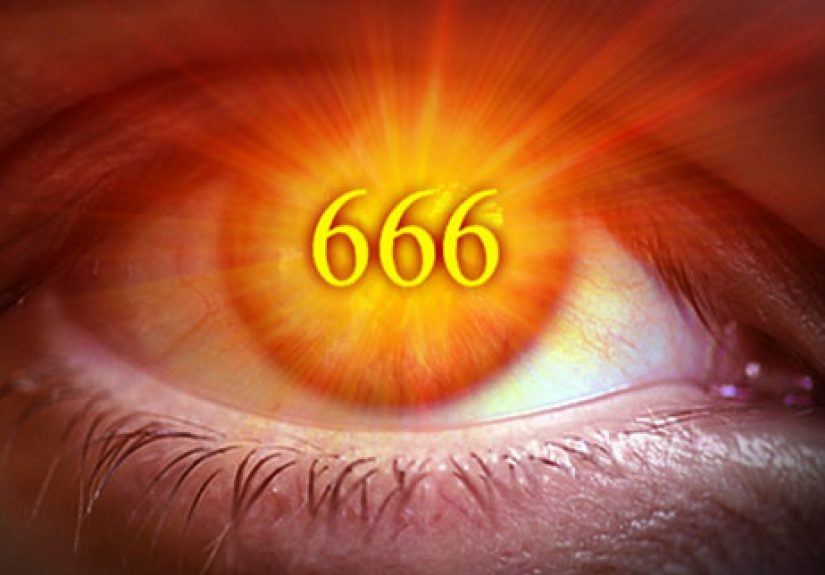
6 (and 666) Humanity and Imitation-God Energy
Core idea
6 is closely linked to humanity (created on the sixth day). It can signal what is human, incomplete, or “not quite seven.” In Revelation, 666 is called “the number of the beast,” tied to counterfeit power that mimics divine authority while opposing God. It’s like the world’s most ominous knockoff brand.
Where you see it
- Creation: humans appear on day six (Genesis 1).
- Revelation 13:18: 666 is “the number of a man,” associated with the beastly system/person.
How to read it well
Revelation invites wisdom, not obsession. The point isn’t to become a human calculator with a conspiracy board; it’s to recognize counterfeit worship and refuse itespecially when it offers convenience at the cost of fidelity.
7 Completion, Sabbath, and God’s “Finished Work” Signature
Core idea
7 is the superstar of biblical numerology: a symbol of completion, wholeness, and divine “rested-and-it’s-good” fulfillment. In Genesis, seven days frame creation as a complete world, culminating in Sabbath rest.
Where you see it
- Creation week: God rests on the seventh day (Genesis 2:1–3), setting a rhythm of rest and worship.
- Revelation’s sevens: seven churches, seals, trumpets, and bowls create an atmosphere of complete divine action and judgment.
How to read it well
When “seven” repeats, don’t just note itask what is being brought to fullness. Often, the answer is: God’s plan, God’s justice, God’s restoration, or God’s invitation into rest.
10 Completeness in Order: The “Full Set”
Core idea
10 often signals a complete set in an ordered senselike a full list, a whole cycle, or a structured account. It’s why “ten” shows up in big, memorable groupings that people can actually keep straight without a spreadsheet.
Where you see it
- Ten Commandments: a foundational moral framework (Exodus 20).
- Ten plagues: a full confrontation of Egypt’s power and gods (Exodus 7–12).
- Parables using ten: like the ten virgins (Matthew 25), highlighting readiness and wholeness of a scenario.
How to read it well
“Ten” often works like a headline: “Here’s the whole package.” Watch for lists, cycles, and complete demonstrations of authority.
12 God’s People in Fullness: Tribes, Apostles, and New Creation Blueprints
Core idea
12 is strongly associated with God’s covenant people: twelve tribes of Israel and twelve apostles. In Revelation, twelve becomes architecturalgates, foundations, and measurementslike God is saying, “My people are not an afterthought; they’re part of the design.”
Where you see it
- Twelve tribes: Israel’s foundational structure (Genesis and beyond).
- Twelve apostles: a symbolic and practical continuation of God’s people (the new-covenant community).
- New Jerusalem: twelve gates and twelve foundations (Revelation 21), emphasizing completeness and belonging.
How to read it well
When “twelve” shows up, look for themes of identity, community, covenant continuity, and the way God gathers a peoplenot just individuals.
40 Testing, Formation, and “This Will Take a While”
Core idea
40 is the Bible’s go-to number for significant seasons of testing, transition, and spiritual formation. Not every “40” is symbolic in the same way, but the repeated pattern is hard to miss: big change often comes through extended waiting, refining, and dependence.
Where you see it
- The flood: rain falls for forty days and nights (Genesis 7).
- Israel’s wilderness years: forty years of formation before the Promised Land (Numbers/Deuteronomy).
- Moses and Elijah: forty-day encounters and journeys (Exodus 24; 1 Kings 19).
- Jesus’s wilderness testing: forty days before public ministry (Matthew 4).
How to read it well
“Forty” often flags a process: God shapes people over time. If you’re in your own “forty” season, congratulations you’re in excellent biblical company, and yes, it can feel long.
How to Use Biblical Number Symbolism Without Going Off the Rails
- Start with context: what does the passage emphasize, and why?
- Respect genre: apocalyptic books use symbols more densely than historical narrative.
- Watch for repetition: one mention may be incidental; repeated patterns are more meaningful.
- Avoid “secret knowledge” claims: Scripture aims to reveal God, not hide lottery numbers.
- Let the big themes stay big: creation, covenant, redemption, judgment, restoration, worship.
Conclusion: Numbers as Signposts, Not Slot Machines
The most helpful way to approach significant numbers in the Bible is to treat them like signposts. They pointtoward God’s character, toward the shape of God’s story, and toward patterns that help readers remember and understand. When you see 7, think fullness and rest. When you see 40, think formation. When you see 12, think God’s people. And when you see 666, think: “Counterfeit worship is never worth the price tag.”
Read the numbers, enjoy the patterns, learn the themesand then keep going. The goal isn’t to become a professional decoder. The goal is to know God more clearly and live more faithfully.
Experiences Related to “Top 10 Significant Numbers in Biblical Numerology” (Extra Insight)
Even if you’ve never used the phrase “biblical numerology” out loud (and you probably shouldn’t at parties unless everyone has snacks), you’ve likely experienced number symbolism in real life. Not as a spooky code, but as a set of patterns that shapes how people read, teach, and remember Scripture.
One common experience happens in group Bible studies. Someone notices a repeated numbermaybe “seven” in Revelationand the room suddenly wakes up. It’s the moment everyone realizes the author isn’t just stacking details; he’s building a theme. The discussion often shifts from “What does this verse say?” to “Why is the writer emphasizing completeness here?” That’s a good shift. It moves the group from trivia to meaning. The healthiest groups keep it tethered to context: they ask what the seven churches represent in the flow of the book rather than trying to match each church to a modern headline.
Another experience is sermon-listening déjà vu. You hear “forty days” or “forty years,” and your brain automatically whispers, “Ah yes, the spiritual treadmill.” People often connect 40 with testing because they’ve heard the pattern so often: Noah’s flood, Israel’s wilderness wandering, Jesus’s temptation. That association can be pastorally powerfulespecially when someone is walking through a difficult season. The number becomes a reassurance that prolonged hardship isn’t proof of abandonment; it can be part of formation. Of course, wisdom says you shouldn’t label every tough month as “my personal forty” like it’s a collectible badgebut the pattern can still give language to endurance.
Many people also experience number symbolism through liturgical rhythms and habits. The weekly idea of rest (tied to the seventh day) shows up in everyday decisions: turning off devices, slowing down, prioritizing worship, or simply resisting the cultural lie that productivity equals worth. Whether or not someone thinks, “I am practicing the theology of seven,” they’re still living in its wake when they choose rest as an act of trust.
Then there’s the “666 moment,” which is practically a cultural rite of passage. Someone sees 666 on a receipt, a license plate, or a room number and suddenly feels like the universe is winking at them. This is where experience can go sideways. People who take apocalyptic symbolism seriously often learn (sometimes the hard way) to separate meaningful biblical symbolism from superstition. The experience becomes a small test: Will I respond with fear, fascination, or discernment? A wise response treats Revelation’s warning as spiritual, not superstitious: it’s about resisting counterfeit allegiance, not panicking over barcodes.
Finally, students and curious readers often experience number symbolism as a memory tool. Lists like the Ten Commandments are remembered precisely because “ten” communicates a full set. The twelve tribes and twelve apostles offer a framework for understanding God’s people across covenants. The more you notice these structures, the more Scripture feels intentionally composedless like a pile of random stories and more like a unified narrative. For many readers, that experience is both intellectually satisfying and spiritually grounding: the Bible starts to feel like a home with sturdy beams, not a maze of disconnected hallways.
In the end, the best “experience” biblical number symbolism offers is not a secret decoder ringit’s a deeper sense that the biblical authors wrote with purpose. When you read with that in mind, you don’t merely spot numbers. You notice themes. And themes, unlike trivia, can change you.