Table of Contents >> Show >> Hide
- Why Cleaning Your Mattress Matters
- How Often Should You Clean a Mattress?
- Supplies You Need to Clean a Mattress
- The Best Way to Clean a Mattress Step by Step
- Step 1: Strip the Bed Completely
- Step 2: Vacuum the Mattress Thoroughly
- Step 3: Spot-Clean Stains Without Soaking
- Step 4: Use the Right Cleaner for the Right Stain
- For Sweat and Yellow Stains
- For Urine Stains
- For Blood Stains
- For Vomit or Pet Accidents
- For Food, Drink, or Coffee Stains
- Step 5: Deodorize With Baking Soda
- Step 6: Vacuum Again
- Step 7: Let the Mattress Dry Completely
- Step 8: Protect the Mattress
- How to Clean a Memory Foam Mattress
- Can You Steam Clean a Mattress?
- What Not to Do When Cleaning a Mattress
- How to Keep a Mattress Cleaner Longer
- When Should You Replace a Mattress Instead of Cleaning It?
- Real-Life Experience: What Actually Works When Cleaning a Mattress
- Conclusion
Note: This article is written in standard American English and synthesized from current mattress-care, allergy-control, and household-cleaning guidance from reputable U.S. sources.
Your mattress works the night shift. It catches sweat, skin flakes, pet hair, dust, breakfast crumbs you swore you did not eat in bed, and the occasional mystery stain that nobody in the house wants to discuss. Yet most people wash their sheets weekly and ignore the mattress underneath for monthsor years. That is like showering and then putting on a dusty coat. Better than nothing? Sure. Ideal? Not even close.
The best way to clean a mattress is simple: strip the bed, wash the bedding, vacuum the mattress thoroughly, spot-clean stains without soaking the fabric, deodorize lightly, let everything dry completely, and protect the mattress before remaking the bed. The key word is “lightly.” A mattress is not a bathtub, a carpet, or a kitchen floor. Too much water can soak into foam, padding, and coils, creating the kind of damp environment where odors and mildew throw a tiny house party.
This guide explains how to clean a mattress step by step, how to remove common mattress stains, how to freshen a smelly mattress, and how to keep your bed cleaner longer. You do not need a commercial cleaning crew, a chemistry degree, or a machine that looks like it belongs in a spaceship. You need a vacuum, a few basic supplies, patience, and the emotional strength to look under the fitted sheet.
Why Cleaning Your Mattress Matters
A mattress may look clean because it hides its problems politely. Unlike a white shirt or a kitchen counter, it does not announce dirt immediately. But over time, mattresses can collect dust, body oils, dead skin cells, allergens, sweat, spills, and odors. If you have allergies or asthma, a dirty sleep surface can make mornings feel stuffy before your feet even hit the floor.
Regular mattress cleaning helps reduce dust, freshen odors, manage stains before they become permanent, and extend the useful life of your bed. It also makes your bedroom feel cleaner overall. A freshly cleaned mattress has a quiet luxury to itthe kind that says, “I am an adult who owns baking soda for reasons beyond banana bread.”
How Often Should You Clean a Mattress?
For most homes, deep cleaning a mattress every three to six months is a practical schedule. If you have allergies, pets, night sweats, young children, or a habit of eating crackers in bed like a Victorian ghost, aim for the more frequent side. Bedding should be washed much more often, usually weekly, because sheets and pillowcases take the first hit from sweat, skin oils, and dust.
You should spot-clean spills immediately. Fresh stains are far easier to remove than old ones. The longer liquid sits, the deeper it can travel into the mattress layers. That is when a small problem becomes a dramatic cleaning opera.
Supplies You Need to Clean a Mattress
Before you begin, gather everything so you are not running around with a half-stripped bed and a towel in one hand. You will need:
- A vacuum with an upholstery attachment
- Clean white cloths or microfiber towels
- Mild dish soap or gentle laundry detergent
- Baking soda
- A spray bottle
- Cold water and warm water
- Hydrogen peroxide, 3%, for certain stains
- White vinegar for odor-related stains
- An enzyme cleaner for urine, vomit, pet stains, or protein-based messes
- A soft brush
- A mattress protector for prevention
Use white cloths when possible because colored towels may transfer dye. Also, always test cleaning solutions on a small hidden area first. Mattresses vary by material, and some fabrics can discolor, especially when hydrogen peroxide is involved.
The Best Way to Clean a Mattress Step by Step
Step 1: Strip the Bed Completely
Remove sheets, pillowcases, blankets, comforters, mattress pads, and protectors. Do not just peel back the fitted sheet and call it a day. The mattress needs room to breathe, and you need full access to the surface.
Wash bedding according to the care labels. If allergies are a concern, hot water and a hot dryer cycle can help reduce dust mites and allergens on washable bedding. Make sure everything is completely dry before it goes back on the bed. Damp bedding is not cozy; it is just laundry with poor boundaries.
Step 2: Vacuum the Mattress Thoroughly
Vacuuming is the foundation of mattress cleaning. Use the upholstery attachment and move slowly across the top, sides, seams, and edges. Pay extra attention to tufted areas, piping, and crevices because dust and crumbs love tiny hiding places. If your vacuum has a crevice tool, use it around the edges where the mattress meets the bed frame.
Do not rush this step. A quick swipe across the middle is not mattress cleaning; it is vacuum cosplay. Slow passes remove more dust, hair, lint, and debris. If your mattress can be flipped, vacuum both sides. If it is a modern no-flip mattress, rotate it later according to the manufacturer’s instructions.
Step 3: Spot-Clean Stains Without Soaking
The golden rule for mattress stain removal is simple: blot, do not drench. Apply cleaner to a cloth, not directly to the mattress whenever possible. Then blot the stained area gently from the outside toward the center. This keeps the stain from spreading and prevents too much liquid from soaking into the mattress.
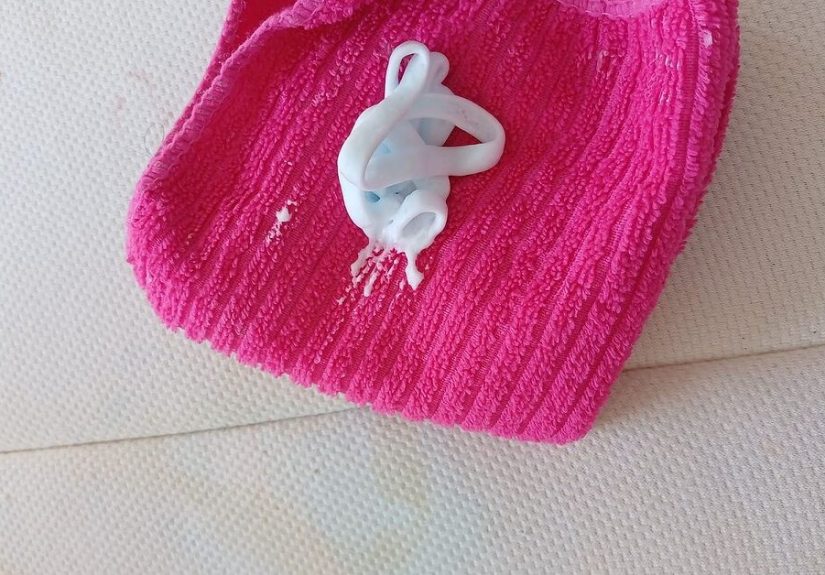
For a general stain, mix a few drops of mild dish soap with cool water. Dip a cloth into the suds, wring it well, and dab the stain. Follow with a clean cloth dampened with plain water, then blot with a dry towel. The mattress should feel barely damp, not wet.
Step 4: Use the Right Cleaner for the Right Stain
Different stains need different treatment. Using one cleaner for everything is tempting, but mattresses are not one-size-fits-all crime scenes.
For Sweat and Yellow Stains
Yellow mattress stains often come from sweat, body oils, and oxidation over time. Mix a small amount of hydrogen peroxide with a drop of dish soap, then apply it sparingly with a cloth. Let it sit for several minutes, blot, and repeat if needed. Hydrogen peroxide may lighten darker fabrics, so patch-test first.
For Urine Stains
Blot up as much moisture as possible immediately. Use towels and firm pressuredo not rub. For fresh urine, an enzyme cleaner is usually the best choice because it breaks down odor-causing compounds instead of simply perfuming them. Follow the product directions and avoid oversaturating the mattress. After the area dries, sprinkle a light layer of baking soda, let it sit, and vacuum thoroughly.
For Blood Stains
Use cold water, never hot water. Heat can set protein stains and make them harder to remove. Blot with a cold, damp cloth first. If the stain remains, use a small amount of 3% hydrogen peroxide on a cloth and dab carefully. It may foam as it works. Blot with a clean damp cloth and dry the area well.
For Vomit or Pet Accidents
Remove solids first, then blot moisture. Use an enzyme cleaner designed for biological stains and odors. These messes need more than fragrance; they need actual breakdown of organic residue. Keep the mattress as dry as possible and use fans or open windows to speed drying.
For Food, Drink, or Coffee Stains
A mild dish soap solution usually works well for food and drink spills. Blot gently and repeat in small rounds. For oily stains, sprinkle a small amount of baking soda or cornstarch over the area to absorb oil before vacuuming. Then treat any remaining mark with mild soap and water.
Step 5: Deodorize With Baking Soda
Once stains are treated and the mattress surface is dry, sprinkle a thin, even layer of baking soda over the mattress. Do not dump on a mountain of powder. More is not always better; it can be harder to vacuum and may leave residue behind. Let the baking soda sit for at least a few hours. If possible, leave it longer and open windows for airflow.
Baking soda helps absorb moisture and reduce odors. It is useful for freshening, but it is not a magic disinfectant. If the mattress has a serious biological stain or strong odor, use an appropriate cleaner first, then deodorize after the area dries.
Step 6: Vacuum Again
After the baking soda has had time to work, vacuum slowly and thoroughly. Use the upholstery tool and make several passes. Check your vacuum’s manual before vacuuming large amounts of fine powder, because some vacuums do not handle baking soda well. If needed, brush up excess powder first and vacuum the remaining residue carefully.
Step 7: Let the Mattress Dry Completely
This step is non-negotiable. A mattress must be completely dry before you put sheets back on. Use fans, open windows, sunlight, or a dehumidifier to speed the process. If the room is humid, drying may take longer. Do not rush it. Trapping moisture under sheets can lead to musty odors and potential mildew.
Step 8: Protect the Mattress
Once the mattress is clean and dry, cover it with a washable mattress protector. A good protector helps block sweat, spills, dust, skin flakes, and allergens from getting deep into the mattress. If you have children, pets, allergies, or a coffee mug that regularly migrates to the nightstand, choose a waterproof protector.
A mattress protector is not glamorous, but neither is trying to remove a latte from memory foam. Prevention wins.
How to Clean a Memory Foam Mattress
Memory foam needs extra care because it can hold moisture. Never soak it, steam it heavily, or use a soaking-wet cloth. Remove bedding, vacuum gently, spot-clean with a barely damp cloth and mild soap, blot dry, and allow plenty of air-drying time. Baking soda can be used lightly for odor, but vacuum it thoroughly.
If your memory foam mattress has a removable cover, check the care label before washing it. Some covers are washable; others are not. Washing the wrong cover can shrink, warp, or damage it. That is an expensive oops.
Can You Steam Clean a Mattress?
Steam can help freshen certain mattresses and reduce surface-level germs, but it must be used carefully. Too much steam adds moisture, and moisture is the enemy of mattress interiors. If the mattress manufacturer allows steam cleaning, use light passes and let the mattress dry completely. Avoid steam on memory foam unless the manufacturer specifically says it is safe.
For many homes, vacuuming, spot-cleaning, deodorizing, and using a protector are safer and easier than steam cleaning. When in doubt, check the mattress care instructions before introducing heat or moisture.
What Not to Do When Cleaning a Mattress
Some cleaning mistakes can make a mattress worse. Avoid these common problems:
- Do not pour water or cleaner directly onto the mattress.
- Do not use bleach unless the manufacturer specifically allows it.
- Do not mix cleaning chemicals, especially bleach with vinegar or ammonia.
- Do not use hot water on blood stains.
- Do not remake the bed before the mattress is fully dry.
- Do not scrub aggressively, which can damage fabric and push stains deeper.
- Do not ignore care labels or warranty instructions.
The goal is to lift stains and odors, not punish the mattress for its crimes. Gentle, repeated cleaning usually works better than one dramatic attack with half the laundry room.
How to Keep a Mattress Cleaner Longer
Use a Washable Mattress Protector
This is the easiest long-term strategy. Wash the protector regularly and replace it if it loses waterproofing or starts to tear. A protector keeps everyday moisture and debris from becoming permanent mattress history.
Wash Bedding Weekly
Sheets, pillowcases, and blankets collect sweat, oils, and skin cells. Weekly washing keeps the sleeping surface fresher and reduces what transfers to the mattress.
Vacuum Monthly
A quick monthly vacuum helps control dust and debris between deep cleanings. It takes only a few minutes and prevents buildup.
Let the Bed Air Out
When you wake up, pull the covers back for a while instead of immediately sealing in warmth and moisture. Airflow helps the mattress surface dry after a night of sleep.
Rotate the Mattress
Rotate your mattress according to the manufacturer’s directions. Rotation can help distribute wear more evenly and reduce body impressions. Some mattresses should not be flipped, so check before attempting a full mattress gymnastics routine.
Keep Food and Drinks Away
This is the advice nobody wants, but everyone needs. Fewer snacks in bed means fewer crumbs, spills, and stains. Your mattress does not need nachos. It has enough responsibilities.
When Should You Replace a Mattress Instead of Cleaning It?
Cleaning can freshen a mattress, remove many stains, and improve surface hygiene, but it cannot fix everything. Consider replacing your mattress if it has deep sagging, strong odors that return after cleaning, visible mold, pest activity, or discomfort that affects your sleep. A mattress that leaves you waking up sore has stopped doing its one job.
Many mattresses last around seven to ten years, depending on quality, material, use, and care. Regular cleaning and a protector can help extend its life, but no mattress lasts forever. Even the best bed eventually retires.
Real-Life Experience: What Actually Works When Cleaning a Mattress
After cleaning more mattresses than anyone should admit in polite conversation, one lesson stands out: the best cleaning routine is the one you do before the mattress looks terrible. Waiting until a stain has become part of the mattress personality makes the job harder. A fresh spill can often be handled with towels, mild cleaner, and patience. An old stain may need several rounds and still leave a faint shadow.
The most effective habit is keeping a cleaning kit nearby. Not on the bed, of coursethat would be oddbut somewhere easy to reach. A spray bottle, mild dish soap, white cloths, baking soda, and an enzyme cleaner can save the day when life happens. And life does happen. A child has an accident. A pet gets nervous during a thunderstorm. Someone balances coffee on a stack of books and learns about gravity. Fast action matters more than fancy supplies.
One practical trick is to treat the mattress in layers of effort. Start with the least aggressive option: blotting and mild soap. If that does not work, move to a targeted cleaner such as hydrogen peroxide for certain stains or enzyme cleaner for urine and organic odors. This approach protects the mattress from unnecessary moisture and chemical overload. It also keeps you from turning one small stain into a large pale circle with a suspiciously clean center.
Another real-world lesson: drying time is usually longer than people expect. A mattress may feel dry on top while moisture remains below the fabric. That is why fans are your friend. Open windows when weather allows, run a ceiling fan, or place a portable fan near the bed. If you live in a humid area, a dehumidifier can make a noticeable difference. Do not put sheets back on early just because bedtime is approaching. Sleep on the couch for one night if needed. Your future nose will thank you.
Baking soda is helpful, but moderation matters. A light, even layer can freshen the surface. A thick snowy drift can clog a vacuum, leave grit behind, and create more cleanup than you started with. The goal is not to make the mattress look like it survived a bakery explosion. Sprinkle lightly, wait patiently, and vacuum slowly.
The biggest game-changer is a quality mattress protector. People often buy one after the first disaster, which is understandable but unfortunate. A protector turns many emergencies into laundry problems instead of mattress problems. Washable, waterproof protectors are especially useful for families, pet owners, allergy sufferers, and anyone who enjoys beverages within arm’s reach of the bed.
Finally, mattress cleaning feels easier when paired with seasonal routines. Clean it when you rotate the mattress, change bedroom decor, switch bedding for warmer or cooler weather, or do a spring and fall refresh. Linking the task to an existing habit makes it less forgettable. Your mattress does a lot for you. Give it a decent cleaning now and then, and it will return the favor with fresher sleep, fewer odors, and fewer moments of wondering, “What is that spot?”
Conclusion
The best way to clean a mattress is not complicated, but it does require the right order: strip the bed, wash the bedding, vacuum carefully, spot-clean stains gently, deodorize with a light layer of baking soda, vacuum again, dry completely, and protect the mattress before using it again. The most important rule is to avoid soaking the mattress. Moisture trapped inside can create bigger problems than the stain you were trying to fix.
For long-term freshness, use a washable mattress protector, launder bedding weekly, vacuum the mattress regularly, and treat spills right away. Your mattress may never send a thank-you card, but it will smell better, feel cleaner, and support healthier sleep. That is a pretty good trade for a little vacuuming and a box of baking soda.