Table of Contents >> Show >> Hide
- How Drinks Can (Actually) Help with Weight Loss
- The 8 Best Weight Loss Drinks
- 1. Water: Still, Sparkling, Simple, and Underrated
- 2. Green Tea: The Subtle Metabolism Supporter
- 3. Coffee: Helpful… As Long As You Don’t Turn It into Dessert
- 4. Black or Oolong Tea: Stronger Flavor, Similar Benefits
- 5. Apple Cider Vinegar Drinks: Trendy, Not Magical
- 6. Ginger Tea: Comforting and Potentially Helpful
- 7. Protein Shakes: Satiety in a Shaker Bottle
- 8. Low- and No-Calorie Drinks (Including Diet Soda)
- How to Use Weight Loss Drinks Strategically
- Real-Life Experiences with Weight Loss Drinks
- Conclusion: Drink Smart, Not Desperate
If weight loss came in a bottle, the world would be a very different place (and every grocery store aisle would be chaos).
While no drink can magically melt fat, some beverages can make it easier to eat fewer calories, feel fuller, and
support a healthy metabolism. Research-backed drinks like green tea, water, and protein shakes have all been linked to modest
weight changes when they’re part of an overall healthy lifestyle.
This guide breaks down the 8 best weight loss drinks, how they actually work, what the science says, and how to use them in
real life without falling for “detox” hype or 3-day miracle cleanses. Grab your favorite mug or shaker bottle, and let’s talk
about sipping smarternot suffering harder.
How Drinks Can (Actually) Help with Weight Loss
First, a quick reality check: weight loss mostly comes down to a consistent calorie deficitburning more calories than you
take inplus factors like sleep, stress, hormones, and medical conditions. No drink can override an ultra-processed, high-calorie
diet. But the right beverages can quietly support your efforts in a few key ways:
- Replacing sugary drinks: Swapping soda, sweet tea, and fancy coffee drinks for low- or no-calorie options can cut hundreds of calories a day. Studies show that replacing caloric beverages with water or non-caloric drinks leads to modest but meaningful weight loss and better weight maintenance over time.
- Improving fullness: High-protein drinks and some fiber-containing beverages can keep you fuller longer so you naturally snack less.
- Supporting metabolism: Drinks like coffee and green tea provide caffeine and plant compounds (like catechins) that can slightly boost energy expenditure and fat oxidation in some people.
- Hydration = better decisions: Simple but true: when you’re hydrated, you’re less likely to confuse thirst for hunger and more likely to feel energized enough to move your body.
Think of these weight loss drinks as backup dancershelpful, important, but not the star of the show. Food, movement, sleep,
and stress management still take the lead.
The 8 Best Weight Loss Drinks
1. Water: Still, Sparkling, Simple, and Underrated
Let’s start with the obvious MVP: water. It’s calorie-free, supports literally every process in your body, and can help you
eat a bit less without trying very hard.
In some studies, people who drank water before meals lost more weight than those who didn’tlikely because the water helped
them feel full and reduced total calorie intake. Even when water itself isn’t a magic fat burner,
it’s a powerful tool when it replaces sugary drinks.
How to use it:
- Have a glass of water 15–30 minutes before meals.
- Keep a bottle on your desk and set a simple habit: “Every time I check my phone, I take a sip.”
- Try sparkling water with lemon or lime as a soda swap.
Watch out for: “Detox waters” that promise unrealistic results. Adding cucumber, lemon, or mint can make water more fun, but the “detoxing” part is still handled by your liver and kidneys, not fruit slices in a mason jar.
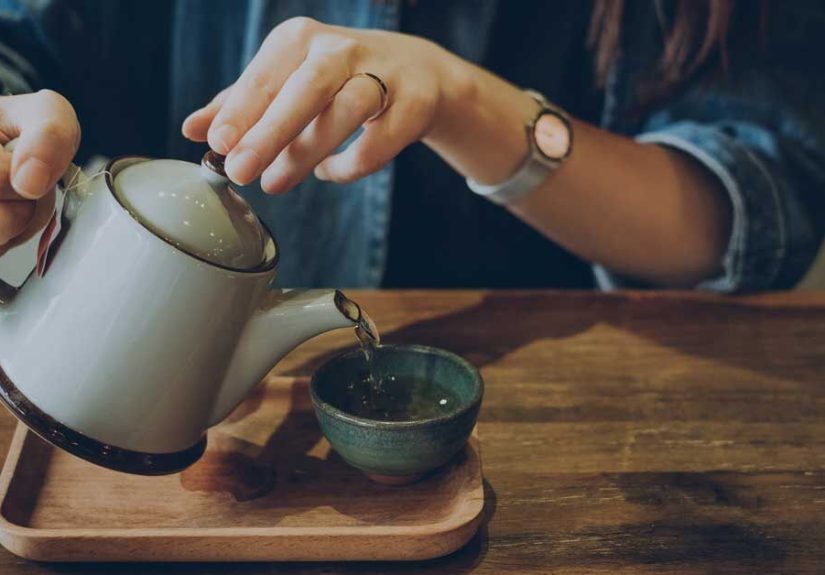
2. Green Tea: The Subtle Metabolism Supporter
Green tea shows up in almost every conversation about weight loss for good reason. It contains both caffeine and catechins
(especially EGCG), plant compounds that may slightly boost calorie burning and support fat oxidation. Meta-analyses and clinical
trials suggest that green tea and green tea extracts can lead to small reductions in body weight, BMI, and visceral fat,
especially when combined with exercise.
How to use it:
- Drink 2–3 cups of unsweetened green tea per day, hot or iced.
- If you’re caffeine-sensitive, start with 1 cup earlier in the day.
- Use it as an afternoon pick-me-up instead of a sugary coffee drink.
Watch out for: High-dose green tea supplements. Concentrated extracts have been linked to liver issues in rare cases. Food and drink sources at normal amounts are generally safer. Always talk with your healthcare provider, especially if you take medications.
3. Coffee: Helpful… As Long As You Don’t Turn It into Dessert
Your morning coffee can be a weight loss allyif it’s not loaded with sugar and syrup. Caffeine can modestly increase energy
expenditure and may reduce appetite in the short term for some people. Many observational studies link coffee drinking to lower
risks of certain metabolic diseases, although that’s correlation, not proof of cause.
How to use it:
- Stick to brewed coffee with a splash of milk or an unsweetened dairy alternative.
- Use cinnamon or vanilla extract for flavor instead of pumps of flavored syrup.
- Aim to keep your add-ins under ~50 calories per cup if your goal is weight loss.
Watch out for: Giant blended drinks that quietly pack 300–600 calories. Also, too much caffeine can trigger jitters, anxiety, poor sleep, and increased cravings later in the day. If your sleep suffers, your weight-loss efforts usually do, too.
4. Black or Oolong Tea: Stronger Flavor, Similar Benefits
If you like a stronger, richer taste than green tea, black and oolong teas are great options. They contain caffeine and
different types of polyphenols that may support weight management by improving gut bacteria, slightly increasing energy
expenditure, and reducing absorption of some nutrients.
Studies suggest that regular tea drinkers may have slightly lower body weight and better metabolic profiles, though the effect
sizes are modest and usually depend on overall lifestyle.
How to use it:
- Enjoy a cup of hot or iced unsweetened black or oolong tea with meals.
- Use unsweetened iced tea as a replacement for sugary soft drinks or sweet tea.
Watch out for: Pre-bottled “tea” drinks that are basically liquid candy. Check the labelif sugar is one of the first ingredients, it’s not a weight loss drink.
5. Apple Cider Vinegar Drinks: Trendy, Not Magical
Apple cider vinegar (ACV) is one of the most hyped “weight loss drinks” on social media. The science is mixed: a few small
studies and recent reviews suggest that 1–2 tablespoons of ACV per day, when combined with an overall reduced-calorie diet,
may support modest weight loss and improvements in blood sugar.
However, major medical organizations emphasize that ACV is not a magic solution, and evidence is still limited.
How to use it (if your doctor okays it):
- Always dilute: mix 1–2 teaspoons (not tablespoons) in a large glass of water to start.
- Drink with food, not on an empty stomach, to reduce stomach irritation.
- Rinse your mouth with plain water afterward to protect tooth enamel.
Watch out for: Undiluted shots (hard no for your throat and teeth), claims of “10 pounds in 10 days,” and using ACV in place of needed medical care. People with kidney issues, digestive problems, or certain medications should be especially cautious and talk with a healthcare professional first.
6. Ginger Tea: Comforting and Potentially Helpful
Ginger has long been used to ease nausea and support digestion. Some human and animal studies suggest that ginger may help
reduce appetite, increase feelings of fullness, and modestly influence metabolism, which could support weight loss over time
when combined with a healthy diet.
How to use it:
- Simmer fresh ginger slices in hot water for 10–15 minutes and strain.
- Flavor with a squeeze of lemon; use a small amount of honey only if it fits into your calorie goals.
- Drink ginger tea between meals to curb snack cravings or in the evening instead of dessert.
Watch out for: Super-sweet bottled ginger drinks or “ginger sodas” that are mostly sugar with a hint of spice.
7. Protein Shakes: Satiety in a Shaker Bottle
Protein is the most filling macronutrient. It helps preserve lean muscle mass during weight loss, supports metabolism, and keeps
you satisfied longer. Research shows that protein shakes can help people lose more fat, feel less hungry, and maintain muscle
while cutting caloriesespecially when they’re part of a structured eating plan.
How to use it:
- Use a protein shake as a meal component (for example, a shake plus fruit and a handful of nuts) rather than the only thing you consume all day.
- Choose a product with around 15–30 grams of protein and limited added sugar.
- Blend with unsweetened almond milk or water to keep calories in check.
Watch out for: “Weight gain” shakes or high-calorie smoothies marketed for athletesthey can contain 400–600+ calories per serving. Great if you’re trying to gain weight; not ideal if you’re trying to lose it.
8. Low- and No-Calorie Drinks (Including Diet Soda)
This category includes flavored seltzers, sugar-free electrolyte drinks, and yes, diet sodas. They’re not “health foods,” but
research suggests that replacing sugar-sweetened beverages with low- or no-calorie sweetened drinks can lead to small
improvements in body weight and cardiometabolic risk factors.
In some long-term trials, people who used low- or no-calorie sweetened drinks instead of sugary beverages actually lost more
weight and kept it off better than water-only groupslikely because those beverages made the transition away from high-calorie
drinks easier to stick with.
How to use them:
- Use low- or no-calorie drinks as a bridge away from sugar-sweetened beverages if quitting soda cold-turkey feels impossible.
- Pair them with balanced meals so you’re not relying on sweetness alone to feel satisfied.
Watch out for: Letting diet drinks crowd out water completely. Also, if they trigger cravings for sweets for you personally, keep an eye on how often you’re sipping them and adjust as needed.
How to Use Weight Loss Drinks Strategically
The real magic isn’t in a single drinkit’s in how you use them throughout your day. A few smart strategies:
- Create simple “swap rules.” For example: “No sugary drinks at home,” or “If I want soda, it has to be diet or zero-sugar.”
- Set drink anchors. Attach drinks to daily habits: green tea mid-morning, water before lunch, ginger tea after dinner.
- Don’t drink all your calories. Protein shakes can be useful, but most of your nutrients should still come from solid food.
- Protect your sleep. Keep caffeinated drinks earlier in the day so they don’t mess with sleeppoor sleep can sabotage weight loss quickly.
And as always, if you have medical conditions (like diabetes, kidney disease, GERD, or heart issues) or take medication, talk
with your healthcare provider before adding highly caffeinated drinks, vinegar shots, or supplements into the routine.
Real-Life Experiences with Weight Loss Drinks
Beyond the science and charts, the real test is what happens in everyday lifebusy mornings, late-night cravings, and
everything in between. Here are some common experiences people report when they start using weight loss drinks strategically,
instead of chasing “detox” miracles.
Many people start with the easiest win: swapping sugar-sweetened beverages for water or low-calorie options. At first, this can
feel disappointingplain water just doesn’t give the same thrill as an ice-cold soda. But within a week or two, taste buds
often begin to reset. Drinks that once seemed “not sweet enough” start to taste perfectly fine, and some people even find their
old favorites too sweet. That shift makes long-term weight management so much easier because the new habit stops feeling
like punishment.
Another common experience: the “green tea afternoon reset.” Instead of reaching for a pastry and sugary coffee around 3 p.m.,
people try a cup of green or black tea with a small snack like nuts or yogurt. The caffeine gives a gentle lift, the warm drink
slows you down for a moment, and that combination can help avoid the blood-sugar spike-and-crash that often leads to overeating
later. Over time, this type of swap can mean hundreds of calories saved each week without feeling deprived.
Protein shakes can be game-changers for people who tend to skip meals and then overeat later. Someone might throw a quick
protein shake into their bag for the commute or a long shift at work. Instead of going five or six hours with nothing but
coffee, they have something that actually fills them up. The result? Fewer “I was starving so I ate everything in sight”
moments at night. It’s not about living on shakes; it’s about using them as an insurance policy against chaotic, last-minute
eating.
On the flip side, lots of people learn the hard way that “more” is not betterespecially with trends like apple cider vinegar
or extra-strong coffee. Taking big shots of undiluted ACV can leave your throat and stomach burning, and high caffeine intakes
can lead to trembling hands, anxiety, and poor sleep. After a few miserable days, people usually realize that small, consistent
habits beat extreme experiments every time.
One of the most powerful shifts is psychological. When people reframe weight loss drinks from “magic potions” to “helpful tools,”
they stop chasing quick fixes and start building routines that actually fit their lives. A glass of water before meals, a
protein shake on busy mornings, a cup of tea in the eveningit’s not glamorous, but it’s sustainable. Over months, that
sustainability matters far more than any 7-day cleanse.
Finally, successful experiences almost always share one thing in common: drinks are part of a bigger picture. The people who see
the best results are also paying attention to fiber-rich foods, lean proteins, movement they enjoy, and realistic sleep
schedules. The beverages are supporting actsreliable, low-effort helpers that make staying in a calorie deficit and feeling
good along the way just a little bit easier.
Conclusion: Drink Smart, Not Desperate
The best weight loss drinks aren’t the ones promising to “torch belly fat” overnight. They’re the simple, science-backed
optionswater, tea, coffee, protein shakes, and a few carefully used extrasthat help you eat a little less, feel a little
fuller, and stay consistent a lot longer.
If you focus on drinking mostly water, adding in unsweetened teas and coffee, using protein shakes strategically, and leaning
on low- or no-calorie drinks instead of sugary ones, you’ll create an environment where weight loss is more likelynot because
of magic, but because your daily choices add up in your favor.
Pair these drinks with balanced meals, regular movement, solid sleep, and realistic expectations, and you’ve got a far better
plan than any “detox” tea can offer.