Table of Contents >> Show >> Hide
- What Are Chalkboard Napkin Rings?
- Why Chalkboard Napkin Rings Work So Well on Real Tables
- Materials & Tools: Choose Your Adventure
- DIY Tutorial: Chalkboard Paint Napkin Rings (Step-by-Step)
- Three More DIY Styles (No Paint Required)
- Styling Ideas: Tablescapes That Don’t Feel Like a Catalog
- How to Write on Chalkboard Rings Without Smears and Regret
- Cleaning, Storage, and Reuse
- Where Do Napkin Rings Go in a Place Setting?
- FAQ: Chalkboard Napkin Rings
- Conclusion: Small Detail, Big “Host Energy”
- Hosting Experiences: What Actually Happens at the Table (and How to Win Anyway)
If you’ve ever hosted a dinner party and realized (mid–oven mitt) that you forgot place cards, welcome to the club. The good news: chalkboard napkin rings are the low-drama, high-impact way to make your table look like you planned it weeks agoeven if you’re currently hiding the laundry in a closed bedroom.
These little rings do three jobs at once: they keep napkins tidy, they label seats like a friendly bouncer (“Hi, yes, you’re on the list”), and they add that cozy, handwritten vibe that screams intentional without screaming expensive. Whether you’re setting a holiday tablescape, a casual brunch, or a wedding reception, chalkboard napkin rings bring personality to every place settingplus they’re reusable, which means future-you gets to be a little smug.
What Are Chalkboard Napkin Rings?
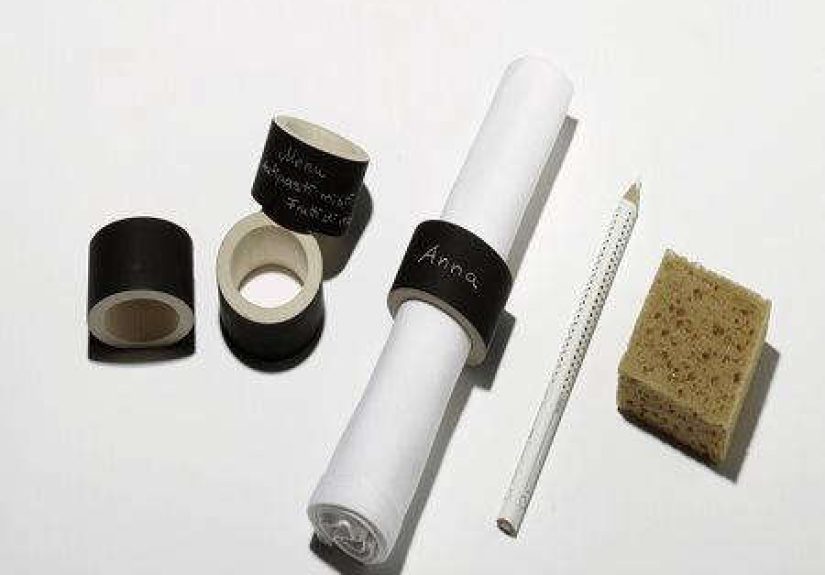
Chalkboard napkin rings are napkin holders with a chalkboard-style surface (paint, vinyl, tag, or fabric) where you can write names, short messages, or tiny doodles. Think: “Megan,” “Gluten-Free,” “Birthday Boss,” or a miniature smiley face that makes kids feel seen.
They can be store-bought (wood, ceramic, metal with a chalkboard panel) or DIY (plain rings painted with chalkboard paint, rings with attached chalkboard tags, or even chalkboard ribbon wraps). The best versions erase cleanly, hold up to repeated use, and don’t leave your guests with a chalky fingerprint mystery.
Why Chalkboard Napkin Rings Work So Well on Real Tables
1) They make hosting easier (and less awkward)
Place cards solve the “Wait… where should we sit?” shuffle. Chalkboard napkin rings solve it and keep napkins from migrating across the table like they’re searching for meaning.
2) They’re budget-friendly, but look custom
One set can flex for multiple holidays. Write names for Thanksgiving, swap to “Cheers!” for New Year’s, and go full romantic with “XO” for a date-night table. Reuse is the secret sauce of “nice” décor.
3) They fit almost any style
- Farmhouse: matte black writing + linen napkins + twine accents
- Modern: crisp white napkins + metallic flatware + minimalist lettering
- Boho: warm wood rings + handwritten names + dried florals
- Holiday glam: chalk marker calligraphy + deep jewel-tone napkins
Materials & Tools: Choose Your Adventure
Option A: Buy Them Ready-Made
If you want zero crafting mess, look for chalkboard-style napkin rings labeled “write-on” or “erasable.” Many sets include a chalkboard heart, rectangle, or small panel that’s meant for names and short notes.
Option B: DIY Painted Wooden Napkin Rings (Classic and Durable)
This is the simplest “wow” craft: take basic wooden napkin rings and turn them into mini chalkboards. The result looks boutique, but your wallet won’t file a complaint.
You’ll need:
- Unfinished wooden napkin rings
- Chalkboard paint (brush-on)
- Foam brush or small foam roller
- Fine-grit sandpaper (optional but helpful)
- Painters tape (optional for crisp edges)
- Chalk or chalk markers
- Soft cloth (microfiber works great)
DIY Tutorial: Chalkboard Paint Napkin Rings (Step-by-Step)
Step 1: Prep like you mean it
Lightly sand the rings if they feel rough. Wipe away dust. Chalkboard finishes show texturesometimes charming, sometimes “Did this ring survive a sandstorm?” You get to choose.
Step 2: Paint thin coats (your future self will thank you)
Apply a thin, even coat of chalkboard paint. Let it dry, then do a second coat. Thin coats reduce drips and help the finish cure evenly. If you want an ultra-smooth look, a small foam roller can help.
Step 3: Let them cure (yes, really)
“Dry” and “ready for chalk” are not the same thing. Chalkboard surfaces generally need curing time before regular use. Plan ahead so you’re not speed-painting while the guests are parking.
Step 4: Season the surface (the trick that prevents ghosting)
Once cured, rub the side of a piece of chalk over the whole chalkboard area, then wipe it off. This “seasons” the surface so your first writing doesn’t become a permanent memorial to whoever arrives earliest.
Step 5: Write names (and keep it readable)
- Chalk: softer, classic look; can smudge if touched a lot
- Chalk markers: cleaner lines; usually wipe off with water (test first)
If you’re not a calligraphy wizard, no stress. Try all-caps block letters, or write first in pencil lightly, then trace with chalk marker. Your guests are here for food and companynot to judge your “A.”
Three More DIY Styles (No Paint Required)
1) Chalkboard tags + napkin rings
Attach a small chalkboard tag to a plain ring (or tie it on with ribbon or twine). This is great if you want the writing surface to face up on the plate. Bonus: tags can double as favors.
2) Chalkboard vinyl wrap
Wrap a strip of chalkboard vinyl around a ring blank (wood, acrylic, or even a sturdy cardboard tube cut to size). It’s fast, it’s tidy, and it’s perfect for last-minute “I forgot this was tomorrow” energy.
3) Chalkboard fabric labels
For a softer look, use chalkboard fabric (or fabric treated for chalk writing) and sew or glue it into a wrap. It looks cozy and handmade, and it’s especially cute for rustic tablescapes and kid-friendly gatherings.
Styling Ideas: Tablescapes That Don’t Feel Like a Catalog
Holiday dinner
- Write names plus a tiny icon: a pumpkin for Thanksgiving, a snowflake for winter, a heart for Valentine’s
- Use linen napkins and let the rings be the playful detail
- Add a second line for dietary notes (subtle but helpful): “No Nuts,” “Vegan,” “Spicy = Yes”
Weddings & showers
- Use chalk markers for crisp, photo-friendly lettering
- Coordinate with menu boards or signage for a cohesive look
- Write guest names on the rings and let guests take them home as favors
Brunch & casual gatherings
- Swap names for playful prompts: “Mimosas,” “Team Bacon,” “Coffee First”
- Use bright napkins and keep the writing simple
How to Write on Chalkboard Rings Without Smears and Regret
Use the right tool for the job
Regular chalk gives a classic matte look, but it can smudge if fingers touch it a lot (especially on smaller items like rings). Chalk markers tend to look sharper and wipe off with a damp clothjust test on one ring first, because not every surface behaves the same.
Let chalk marker ink dry before handling
If you write names and immediately thread napkins through the rings, you may create accidental abstract art. Write first, let dry, then assemble the place settings.
Keep it legible from across the table
Short names? Easy win. Long names? Use a nickname (“Alex” instead of “Alexandria”) or write the first name big and the last name initial small. Your guests should not need binoculars to find their seat.
Cleaning, Storage, and Reuse
Quick clean after the meal
- Wipe chalk with a dry cloth for a fast reset.
- For chalk marker residue, try a damp cloth; if needed, a gentle sponge.
- Avoid soaking painted rings for long periodswood can swell or warp.
Deep clean if you get “ghosting”
If faint writing remains, use a slightly damp cloth and gentle cleaner methods. Then re-season the surface with chalk before the next use.
Storage tip
Store rings in a small box with tissue paper or a soft cloth layer so they don’t scratch each other. Label the box “Fancy Table Stuff” so you don’t accidentally donate it during a cleaning spree.
Where Do Napkin Rings Go in a Place Setting?
In many casual and “casual-upscale” table settings, a napkin in a ring can be placed on the plate or to the left of the forks. If you’re using a charger, placing the ringed napkin centered on top looks polished and keeps the table symmetrical.
If you’re wondering what to do with the ring once the meal starts: guests typically remove the napkin, set the ring near the upper-left area of the setting, and use the napkin as usual. (Yes, your napkin ring is basically a tiny accessory with table manners.)
FAQ: Chalkboard Napkin Rings
Are chalkboard napkin rings food-safe?
Napkin rings generally don’t contact food directly, but chalkboard paint isn’t meant to be treated like a food-contact surface. Keep the chalkboard area on the outside, and avoid using them as anything other than a napkin holder.
Should I seal chalkboard paint?
A clear sealer can make surfaces less erasableso if the whole point is rewriting names, sealing is usually not worth it. If you want extra durability, focus on proper curing and gentle cleaning instead.
Do they work with paper napkins?
Yes, but paper can tear if it’s thin. If you’re using delicate paper napkins, choose rings with smooth edges and avoid squeezing too tight. Cloth napkins tend to look and perform best.
Conclusion: Small Detail, Big “Host Energy”
Chalkboard napkin rings are the tabletop equivalent of a great soundtrack: they set the mood without demanding attention. They help guests feel welcomed, keep place settings tidy, and give you endless ways to personalize a tableholiday after holiday, brunch after brunch, “we should do this more often” after “why do we never do this?”.
Whether you buy a set or DIY them in an afternoon, the payoff is huge: a table that feels curated, warm, and uniquely yours with the added bonus that you can erase any spelling mistakes before anyone notices. (We love a forgiving décor moment.)
Hosting Experiences: What Actually Happens at the Table (and How to Win Anyway)
Let’s talk about the part no one admits in the glossy photos: the table is a living organism. People touch things. Kids spin napkin rings like tiny steering wheels. Someone will absolutely pick up a ring to read it closereven if the name is “Bob” and Bob is sitting right there. That’s why the most helpful “experience” tip is simple: assume your chalkboard napkin rings will be handled, and plan for that.
In real-life hosting, chalk looks charming but can be smudge-prone on a busy table, especially if guests arrive in waves and hover around place settings. If you love the dusty, vintage chalk look, you can still reduce smearing by writing names earlier, letting them sit, then lightly buffing around the lettering with a dry cloth (not on the lettersaround them) so extra dust doesn’t transfer as easily. Another crowd-tested move: keep chalk lettering a little thicker than you think you need. Thin, delicate strokes vanish under warm lighting and enthusiastic hands.
If you’re hosting a larger group (or anyone under age 10), chalk markers often feel like a cheat code: cleaner lines, fewer smudges, and easier readability. The “experience” catch is timingmarker ink needs a moment to dry. The common win is to write all names first, let them dry while you do something else (like pretending you’re not checking the oven every 90 seconds), and only then thread the napkins through the rings. This avoids the classic hosting blooper: the name smearing into a modern-art interpretation of “Samantha.”
Another thing hosts notice: chalkboard napkin rings become conversation starters. People comment on handwriting, ask where you found them, and sometimes request little icons (“Can you draw a tiny cat on mine?”). If you want that interaction, lean inadd a tiny doodle theme: stars for the kids, leaves for fall, little hearts for a bridal shower. If you want less interaction (valid), keep it minimal: first names only, all-caps, no extra flourishes. Minimalism is not a lack of effort; it’s a strategy.
Seating-wise, personalized rings do more than labelthey gently guide social flow. Hosts often use them to separate two people who will absolutely talk for three hours and forget there is food, or to place a shy guest next to someone warm and welcoming. If you’ve ever tried to do this with loose paper place cards, you know the struggle: a breeze, a spill, or a curious elbow can send cards drifting. Rings stay put. They’re the practical choice disguised as décor.
Finally, the after-party reality: cleanup. The rings you’ll love long-term are the ones that are easy to reset. Hosts who reuse chalkboard napkin rings often keep a tiny “table kit” in the same storage box: a small piece of chalk, a chalk marker, and a soft cloth. That way, when you want to do a quick weeknight “nice table” moment, you’re not rummaging through drawers like a raccoon in a pantry. The most underrated joy of chalkboard napkin rings is how they make everyday meals feel special not because they’re fancy, but because they’re personal. And honestly? That’s the whole point of gathering around a table.