Table of Contents >> Show >> Hide
- What Are Sulfur Burps, Exactly?
- Can COVID-19 Cause Diarrhea and Stomach Symptoms?
- So What Is More Likely Than COVID?
- Clues That Make COVID-19 More Likely
- Clues That Point More Toward Something Else
- Should You Take a COVID Test?
- What Can You Do at Home While You Figure It Out?
- When Should You Call a Doctor?
- The Bottom Line
- Common Experiences People Have With Sulfur Burps and Diarrhea
If you are dealing with sulfur burps and diarrhea at the same time, first of all: rude. Few digestive symptoms are more socially offensive than a burp that smells like a hard-boiled egg lost a fight with a swamp. The big question, though, is whether this lovely combo points to COVID-19 or to something else entirely.
The short answer is this: diarrhea can happen with COVID-19, but sulfur burps usually make doctors think more broadly about digestive causes such as viral gastroenteritis, food poisoning, giardiasis, indigestion, lactose intolerance, H. pylori-related stomach irritation, irritable bowel syndrome, or small intestinal bacterial overgrowth. In other words, COVID is possible, but it is not the only suspect in the lineup, and it may not even be the most likely one depending on the rest of your symptoms.
This article breaks down what sulfur burps really mean, how COVID can affect the gut, what other causes are more common, when testing makes sense, and when your stomach drama deserves quick medical attention.
What Are Sulfur Burps, Exactly?
Sulfur burps are burps with a rotten-egg smell. That odor usually comes from sulfur-containing gases, especially hydrogen sulfide, produced somewhere in the digestive process. Sometimes it happens after eating certain foods. Sometimes it happens because food is moving too slowly, fermenting more than usual, or getting mixed into a digestive situation that has clearly gone off script.
On their own, sulfur burps are not a diagnosis. They are more like a clue. They suggest that gas production, digestion, gut bacteria, or irritation in the stomach or small intestine may be involved. If diarrhea joins the party, the list of possibilities expands to include infections, food intolerances, inflammatory conditions, and medication side effects.
Can COVID-19 Cause Diarrhea and Stomach Symptoms?
Yes. COVID-19 can absolutely cause gastrointestinal symptoms. Diarrhea, nausea, and vomiting are recognized symptoms of COVID-19, and in some cases they can show up before more classic respiratory symptoms like cough or congestion. That is one reason digestive symptoms can sometimes throw people off. Someone may assume they have “just a stomach bug,” only to test positive for COVID later.
But here is the key distinction: sulfur burps are not considered a classic or defining COVID-19 symptom. COVID is known for a wide symptom range, and it can involve the digestive tract, but rotten-egg burps are not one of the headline symptoms used to identify it. So if you have diarrhea plus sulfur burps, COVID belongs on the list, yet it should not be the only thing you consider.
Another important point: symptoms alone cannot reliably tell you whether you have COVID, flu, norovirus, food poisoning, or another stomach issue. That is why testing matters if COVID is a real possibility, especially if you also have fever, body aches, sore throat, cough, known exposure, or you are at higher risk for complications.
So What Is More Likely Than COVID?
In many people, sulfur burps and diarrhea point more strongly toward a digestive cause than toward a respiratory virus that also happens to upset the gut. Here are some of the most common alternatives.
1. Viral Gastroenteritis or “Stomach Flu”
This is one of the biggest culprits. Viral gastroenteritis often causes watery diarrhea, nausea, stomach cramps, and sometimes vomiting. If you picked this up from a sick family member, daycare exposure, cruise, buffet, or that one friend who said, “I was only sick for a day,” this is a strong possibility. Gas and burping can happen too, especially when your stomach and intestines are irritated.
Norovirus deserves special side-eye here. It is famous for sudden digestive misery and can spread with ridiculous efficiency. Symptoms often come on fast, make life unpleasant for a day or two, and then ease up, although dehydration can become a real problem if fluids are not keeping up.
2. Food Poisoning
If symptoms started after suspicious leftovers, undercooked meat, unwashed produce, or a picnic where the mayonnaise sat in the sun like it was trying to become biology homework, food poisoning moves way up the list. Diarrhea, cramping, nausea, foul gas, and burping can all happen. Some bacterial causes can also bring fever or bloody stools, which deserve more urgent evaluation.
3. Giardiasis
Giardia is a parasite that commonly causes diarrhea, gas, bloating, stomach cramps, nausea, and greasy or foul-smelling stools. It often becomes a top suspect if symptoms started after camping, drinking untreated water, swimming in contaminated water, or travel. Giardiasis is one of those conditions that can make a person feel like their digestive system has joined a protest movement. It can linger longer than a standard stomach virus, and the combination of gas, bloating, and diarrhea can be especially strong.
4. Indigestion, Gastritis, or H. pylori-Related Stomach Irritation
Belching, nausea, upper abdominal discomfort, bloating, and a generally grumpy stomach can happen with indigestion or gastritis. H. pylori, a bacteria linked to stomach inflammation and ulcers, can also cause burping, bloating, nausea, and abdominal discomfort. Diarrhea is not always the star symptom here, but it can overlap with other digestive issues, diet triggers, or medications.
5. Lactose Intolerance or Other Food Intolerances
If sulfur burps and diarrhea show up after milk, ice cream, cheese, protein shakes, or certain processed foods, lactose intolerance is worth considering. Gas, bloating, rumbling, nausea, and diarrhea are classic. Other carbohydrate triggers, including high-fructose foods or sugar alcohols, can do something similar. When the gut cannot properly digest a food, bacteria step in, fermentation ramps up, and the gas situation can get theatrical.
6. IBS or SIBO
Irritable bowel syndrome, especially IBS with diarrhea, can cause bloating, cramping, urgency, and stool changes that flare after certain foods or stress. Small intestinal bacterial overgrowth, often shortened to SIBO, can also cause bloating, gas, diarrhea, and excessive belching. These conditions are not usually sudden one-day events like food poisoning. They tend to be recurring, pattern-based, and annoyingly familiar over time.
7. Celiac Disease or Other Malabsorption Problems
If symptoms are ongoing and come with bloating, weight loss, fatigue, greasy stools, or nutrient deficiencies, a malabsorption issue such as celiac disease becomes part of the conversation. This is not the first guess for everyone, but it matters when symptoms persist or keep cycling back.
8. Medication Side Effects
Antibiotics, some acid-reducing medicines, diabetes medications, supplements, and other drugs can trigger diarrhea and alter the balance of gut bacteria. If your symptoms began soon after starting a new medication, do not ignore that timing. Your prescription bottle may be quietly holding the plot twist.
Clues That Make COVID-19 More Likely
COVID becomes more plausible when sulfur burps and diarrhea show up alongside symptoms or circumstances such as:
- fever or chills
- cough
- sore throat
- body aches
- fatigue that feels more viral than food-related
- runny or stuffy nose
- known exposure to someone with COVID-19
- a positive home or lab test
It is also worth remembering that COVID symptoms vary widely. Some people mainly have respiratory symptoms, some mainly feel wiped out, and some have a real digestive component. Still, sulfur burps without any other COVID-type clues usually nudge the odds toward another GI cause.
Clues That Point More Toward Something Else
COVID may drop lower on the list if:
- symptoms began right after a questionable meal
- you recently traveled, camped, or drank untreated water
- dairy or certain foods reliably trigger the problem
- you have recurring bloating and diarrhea over weeks or months
- the main issue is upper abdominal discomfort, belching, and indigestion
- you started a new medication before symptoms began
- you have greasy, foul-smelling, floating stools
Those details do not prove the cause, but they help narrow the field.
Should You Take a COVID Test?
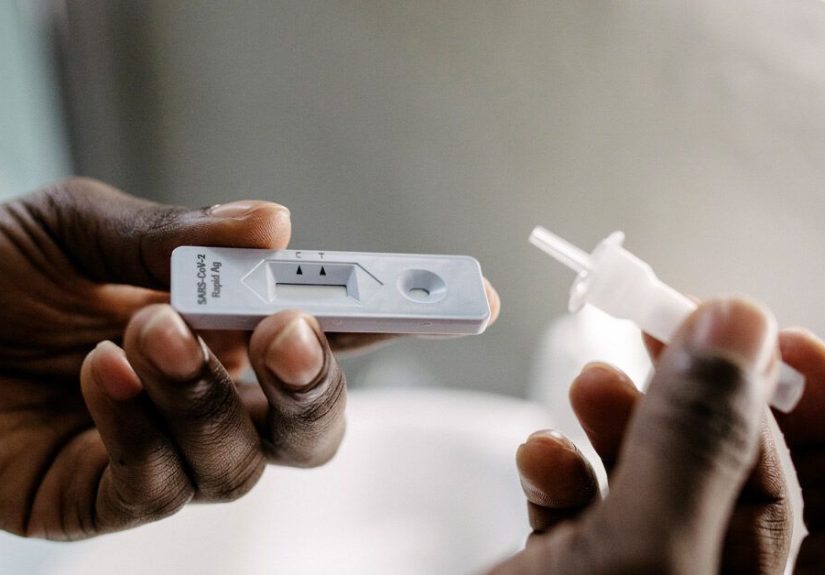
If you have diarrhea plus any symptoms that could fit COVID-19, or you were recently exposed, testing is a smart move. A home antigen test is reasonable to start with. If the first test is negative but you still suspect COVID, repeat testing according to the product instructions. That matters because one negative test early on does not always settle the question.
If you are older, immunocompromised, pregnant, or have chronic medical conditions that raise your risk for severe COVID, contact a healthcare provider early. Timing matters because some COVID treatments work best when started soon after symptoms begin.
What Can You Do at Home While You Figure It Out?
For mild symptoms, supportive care is usually the first step.
Focus on fluids
Diarrhea can drain fluids and electrolytes fast. Sip water, broth, oral rehydration solutions, or other tolerated fluids. Small, frequent sips are often easier than chugging a huge glass like you are in a hydration competition.
Eat gently for a day or two
Bland, simple foods may sit better while your gut settles. Heavy, greasy, spicy, or very sugary foods can worsen the chaos. If dairy seems suspicious, take a short break from it and see whether symptoms improve.
Notice patterns
Write down what you ate, when symptoms started, whether you were exposed to illness, and whether specific foods make things worse. That diary can be surprisingly useful if symptoms keep going and you need medical evaluation.
Go easy on random remedies
Over-the-counter treatments can help some people, but they are not always right for every situation, especially if you have fever, blood in the stool, or significant abdominal pain. When in doubt, ask a healthcare professional instead of letting the internet convince you that peppermint, charcoal, and positive thinking are a complete care plan.
When Should You Call a Doctor?
Get medical advice promptly if:
- diarrhea lasts more than two days in an adult
- you have signs of dehydration, such as extreme thirst, dizziness, dark urine, dry mouth, or very little urination
- you have severe or worsening abdominal pain
- you have a high fever
- there is blood, black stool, or pus in the stool
- you are vomiting repeatedly
- you have trouble breathing or other clear COVID-type warning signs
- you are at higher risk because of age, pregnancy, or chronic illness
Children, older adults, and medically fragile people can become dehydrated more quickly, so the threshold for calling a clinician should be lower.
The Bottom Line
Sulfur burps and diarrhea can happen with COVID-19, but they do not scream COVID-19 by themselves. Diarrhea is a recognized symptom of COVID, yet sulfur burps more often suggest a digestive issue such as gastroenteritis, food poisoning, giardiasis, indigestion, lactose intolerance, IBS, SIBO, or another gut-related problem. The best way to tell whether COVID is involved is not by sniffing the burp for clues like a doomed detective, but by looking at the full symptom picture and testing when appropriate.
If symptoms are mild, hydration, rest, and a careful look at recent foods, exposures, travel, and medications may help you sort it out. If symptoms are severe, persistent, or come with red flags like dehydration, blood in the stool, severe pain, or breathing trouble, get medical care. Your body may be giving you a clue, but it should not have to send a marching band.
Common Experiences People Have With Sulfur Burps and Diarrhea
Many people describe sulfur burps and diarrhea as starting in a way that feels oddly specific. It is not just “my stomach hurts.” It is more like, “Something is off, I feel bloated, and my burps smell so bad I am offended by myself.” Often the first few hours include stomach gurgling, pressure in the upper abdomen, and a sense that digestion has stopped behaving like a civilized process.
One common experience starts after a heavy meal. Someone eats fast, goes hard on fried food, dairy, or rich takeout, and later develops bloating, repeated burping, loose stools, and nausea. In that kind of scenario, food intolerance, indigestion, or even mild foodborne illness can be more likely than COVID. People often notice that the burps are worse before the diarrhea fully kicks in, as if the digestive tract is sending warning shots.
Another pattern is the sudden “stomach bug” experience. A person feels fine in the morning, then by afternoon they are hit with nausea, cramping, sulfur burps, watery diarrhea, and maybe vomiting. They may also feel chilled, wiped out, and unable to trust any decision that involves being more than twelve feet from a bathroom. That kind of fast-moving symptom cluster often fits viral gastroenteritis or food poisoning, though COVID can sometimes mimic it closely enough to justify testing.
There is also the longer, frustrating version. Symptoms come and go over weeks. Burping happens after meals. Certain foods seem to trigger bloating and diarrhea. Energy drops. Pants feel tighter by evening. This recurring pattern often makes people think about lactose intolerance, IBS, SIBO, H. pylori, or another chronic digestive issue rather than an acute viral infection. In those cases, the experience is less “I suddenly got sick” and more “my gut has declared a new policy and forgot to ask permission.”
Some people connect the symptoms to travel, camping, or untreated water. They describe foul burps, gas, cramping, and stubborn diarrhea that lingers longer than an average stomach virus. That experience can fit giardiasis, which is one reason recent travel and water exposure matter so much when a doctor takes a history.
People with COVID-related digestive symptoms often describe a broader illness picture. The diarrhea may come with fatigue, sore throat, cough, congestion, body aches, fever, or a known exposure. Sometimes the gut symptoms appear first and the respiratory symptoms follow later. That is what makes the question tricky. A digestive problem can be just a digestive problem, but sometimes it is the opening act for something viral.
Emotionally, these symptoms also tend to make people anxious fast. The smell is unusual. The diarrhea is disruptive. The internet is dramatic. It is easy to jump straight to worst-case thinking. In real life, though, the most useful clues are usually timing, food triggers, travel history, exposure to sick people, associated symptoms, and whether the problem is improving, worsening, or repeating. The experience may feel chaotic, but the pattern often tells the story.