Table of Contents >> Show >> Hide
- What Makes Curb Appeal “Classy” Instead of Just Expensive?
- Start With the Un glamorous Stuff: Clean, Repair, Edit
- The Front Door: Your Home’s Main Character
- Landscape Like You Mean It
- Mulch: The Quiet Hero of Curb Appeal
- Create a Clear Path to the Front Door
- Exterior Lighting: The After-Dark Upgrade
- House Numbers, Mailboxes, and Small Details
- Paint and Color: The Big Mood Maker
- The Porch: Where Classy Meets Cozy
- Garage Doors and Driveways Matter Too
- Classy Curb Appeal on a Budget
- Higher-Impact Projects Worth Considering
- Common Curb Appeal Mistakes to Avoid
- Real-Life Experience: How Classy Curb Appeal Comes Together
- Conclusion: Make the First Impression Feel Effortless
Classy curb appeal is the home-design equivalent of a firm handshake, a great haircut, and remembering to clean your shoes before walking into someone’s house. It says, “Yes, people live here, and yes, they have their life togetherat least from the sidewalk.” The good news is that creating a polished exterior does not require a mansion, a landscaping crew named after a Roman emperor, or a budget that makes your wallet hide under the couch.
Some of the most effective curb appeal ideas are surprisingly simple: a clean walkway, fresh mulch, trimmed shrubs, updated lighting, a front door that looks intentional, and plants that appear to be thriving rather than quietly filing a complaint. Whether you are preparing to sell your home or simply want your place to look more welcoming, a few smart exterior home improvements can transform the first impression dramatically.
Real estate professionals often emphasize curb appeal because buyers judge quickly. Before they notice the kitchen backsplash or closet space, they have already formed an opinion from the driveway. A well-maintained exterior suggests the rest of the home has been cared for too. In other words, your front yard is not just decoration; it is the opening paragraph of your home’s story.
What Makes Curb Appeal “Classy” Instead of Just Expensive?
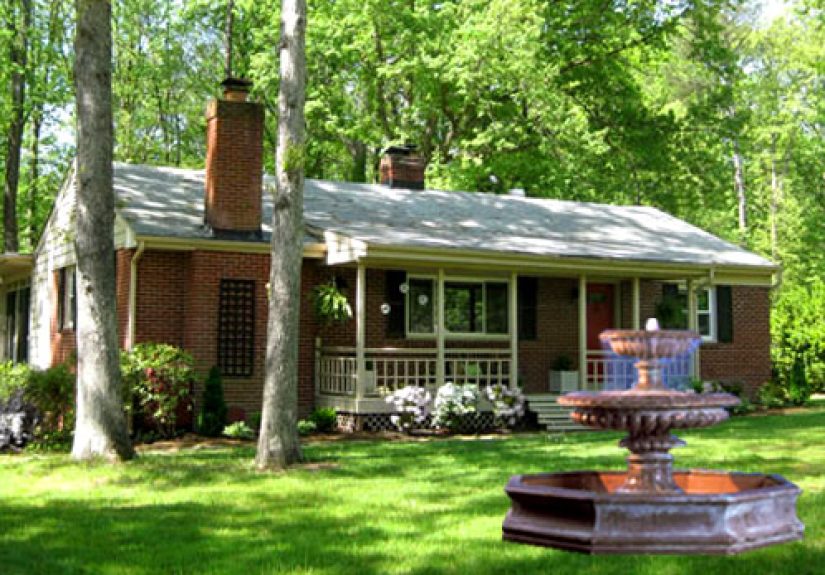
Classy curb appeal is not about throwing every decorative object from the garden center into the yard and hoping the flamingo, fountain, and solar mushroom lights become friends. It is about balance, proportion, cleanliness, and restraint. A classy exterior looks intentional. The colors work together. The landscaping frames the house instead of swallowing it. The lighting is warm, not airport-runway bright. The front entry feels welcoming without shouting, “A Pinterest board exploded here.”
The best curb appeal upgrades usually share three qualities: they improve function, enhance beauty, and fit the home’s architecture. A Craftsman bungalow may look fantastic with a deep wood door, wide porch planters, and layered garden beds. A modern home may shine with clean lines, ornamental grasses, simple house numbers, and sleek path lighting. A cottage can lean into charm with flowering shrubs, a curved walkway, and a cheerful door color.
Start With the Un glamorous Stuff: Clean, Repair, Edit
Before buying new plants or painting the front door a dramatic shade called “Midnight Peacock With Emotional Baggage,” start with cleaning. Power wash the walkway, rinse the siding, clear cobwebs from the porch, clean windows, and remove dead leaves from corners. These low-cost tasks can instantly make a home look fresher.
Next, repair what is obviously tired. Loose railing? Fix it. Cracked step? Address it. Peeling trim? Sand and repaint. Missing house number? Replace it before your delivery driver starts developing trust issues. A beautiful landscape cannot fully compensate for a front entry that looks neglected.
Editing also matters. Too many planters, faded decorations, tangled hoses, mismatched outdoor furniture, and seasonal items left out too long can make the exterior feel cluttered. A classy front yard has breathing room. Remove what does not serve the design, then build back with purpose.
The Front Door: Your Home’s Main Character
The front door is one of the easiest places to create high-impact curb appeal. It naturally draws the eye, so treat it like the star of the exterior. A fresh coat of paint can completely change the mood of a home. Classic black feels elegant and timeless. Deep navy gives a polished coastal feel. Forest green looks grounded and stylish. Brick red can feel warm and traditional. A sunny yellow or soft blue works beautifully on cottages and casual homes.
The trick is to choose a color that complements the existing exterior materials. Brick, stone, siding, roof color, trim, and landscaping all play a role. If your home already has warm tones, consider earthy greens, deep browns, charcoal, or muted reds. If it has cool tones, navy, black, slate, or soft blue may work better.
Do Not Forget the Door Hardware
A stylish door with tired hardware is like wearing a tuxedo with flip-flops. Replace dated knobs, locks, knockers, and kick plates with finishes that match the home’s style. Matte black works well on modern and farmhouse exteriors. Brass adds warmth and tradition. Oil-rubbed bronze can suit rustic or classic homes. Keep the finish consistent with nearby lights, house numbers, and mailbox details for a more pulled-together look.
Landscape Like You Mean It
Front yard landscaping is one of the strongest curb appeal tools because it softens the architecture and connects the home to the land. The goal is not to cover every inch with plants. The goal is to guide the eye, frame the house, and make the entry feel inviting.
Start with structure. Use shrubs, small trees, and evergreens as the bones of the landscape. These provide shape even when flowers are not blooming. Then layer in perennials, ornamental grasses, and seasonal color. A common mistake is planting one lonely shrub on each side of the door and hoping symmetry will save the day. Symmetry can be elegant, but depth and layering are what create richness.
Layer Plants by Height
Place taller plants toward the back, medium plants in the middle, and lower plants near the front edge of beds. This simple technique makes garden beds look fuller and more professional. It also keeps plants from blocking windows, hiding the front door, or making the house look like it is slowly being eaten by a hedge.
Choose Plants That Fit Your Region
Classy curb appeal is also practical. Plants should match your climate, soil, sunlight, and maintenance level. Native and regionally appropriate plants often require less water and are better adapted to local conditions. Drought-tolerant landscaping, mulch, and efficient irrigation can keep a yard attractive without turning your water bill into a horror novel.
For sunny areas, consider ornamental grasses, salvia, lavender, coneflower, sedum, boxwood, or dwarf evergreens depending on your region. For shade, hostas, ferns, hydrangeas, coral bells, and shade-tolerant shrubs can create a lush effect. The best plant list will always depend on local growing zones, so check with a nearby nursery or extension service before committing.
Mulch: The Quiet Hero of Curb Appeal
Fresh mulch is one of the fastest ways to make landscaping look finished. It defines garden beds, suppresses weeds, helps soil hold moisture, and gives the front yard a clean, intentional appearance. Think of mulch as the picture frame around your plants.
Use a consistent mulch color and avoid piling it against tree trunks or stems. The infamous “mulch volcano” may look dramatic, but it can harm plants. A neat layer around two to four inches deep is usually enough for most beds. Dark brown, natural hardwood, pine bark, and shredded mulch are common choices that suit many home styles.
Create a Clear Path to the Front Door
A classy home exterior should make the entry obvious. Visitors should not need a treasure map, a compass, and emotional support to find the front door. Walkways guide movement and create visual order. If your current path is cracked, too narrow, or hidden behind shrubs, improving it can make the home feel more welcoming.
Materials matter. Brick feels classic. Natural stone feels elegant and organic. Concrete pavers can look clean and modern. Gravel or decomposed granite may work well for casual, cottage, or drought-conscious landscapes. The walkway should be wide enough for comfortable use and should connect logically to the driveway, sidewalk, or street.
Use Curves Carefully
A gently curved path can feel graceful, especially in cottage and traditional landscapes. But a walkway that wiggles without purpose can look confused, as if it got distracted halfway to the porch. Curves should respond to real features such as planting beds, trees, slopes, or architectural lines.
Exterior Lighting: The After-Dark Upgrade
Great curb appeal should not disappear at sunset. Exterior lighting improves safety, highlights architecture, and creates a warm welcome. Start with porch lighting that is properly scaled. Tiny fixtures on a large facade look awkward, while oversized fixtures on a small porch can feel like the home is wearing earrings from a costume party.
Path lights can guide visitors to the front door. Uplights can highlight trees or textured walls. Soft lighting near steps improves visibility. Choose warm white bulbs rather than harsh blue-white light for a more inviting effect. Solar lights can be useful for budget projects, but higher-quality wired or low-voltage systems usually look more refined and perform better.
House Numbers, Mailboxes, and Small Details
Small exterior details have a big effect because they are close to eye level. Updated house numbers, a clean mailbox, a fresh welcome mat, coordinated planters, and attractive door hardware can make the entire entry look newer. These are weekend-friendly curb appeal upgrades that do not require major renovation.
Choose house numbers that are easy to read from the street. Sleek black numbers on light siding, brass numbers on a dark background, or modern floating numbers on a wood plaque can all look sharp. The style should match the architecture. Ultra-modern numbers may feel strange on a Victorian home, while ornate script numbers can look fussy on a minimalist exterior.
Paint and Color: The Big Mood Maker
Exterior paint is one of the most powerful curb appeal tools, but it is also one of the easiest to get wrong. A classy palette usually includes a main body color, a trim color, and one or two accent colors. Too many colors can make the exterior feel chaotic. Too few can make it look flat.
Timeless combinations include white siding with black trim, warm gray with creamy trim, beige with deep green accents, navy with white trim, or taupe with bronze hardware. Brick homes may benefit from painted shutters, refreshed trim, or a contrasting front door rather than full exterior paint.
Test Before You Paint
Paint changes dramatically in sunlight, shade, and different times of day. Always test samples on the actual exterior. A color that looks soft and elegant on a paint chip can become surprisingly loud once it covers a door or shutters. Paint chips are tiny little liars; verify everything.
The Porch: Where Classy Meets Cozy
If your home has a porch, even a small one, use it. A pair of planters, a bench, a clean outdoor rug, or a simple chair can make the space feel lived-in and welcoming. The key is scale. A tiny stoop does not need six planters, three lanterns, and a sign explaining that this is, indeed, a porch.
For a refined look, choose fewer pieces with better proportion. Two tall planters flanking the door can feel elegant. A single bench with one outdoor pillow may be enough. Seasonal decor should be edited and fresh. Pumpkins in October? Lovely. Pumpkins in February? Now we have questions.
Garage Doors and Driveways Matter Too
For many American homes, the garage door takes up a large part of the facade. Ignoring it is a missed opportunity. A clean, freshly painted garage door can improve the whole exterior. Decorative hardware, windows, or a wood-look finish can add character, especially on traditional, farmhouse, or Craftsman-style homes.
The driveway also affects curb appeal. Oil stains, weeds in cracks, broken edges, and clutter near the garage can make an otherwise attractive home look messy. Clean the surface, edge the lawn along the driveway, and consider adding border plantings or lighting if the layout allows.
Classy Curb Appeal on a Budget
You do not have to complete every project at once. In fact, a phased approach often produces better results because it gives you time to observe what the home really needs. Start with the most visible and affordable improvements.
Budget-Friendly Weekend Projects
- Wash windows, siding, porch floors, and walkways.
- Paint the front door or shutters.
- Replace house numbers and the mailbox.
- Add fresh mulch to garden beds.
- Trim shrubs and remove dead plants.
- Install matching planters near the entry.
- Upgrade the welcome mat and porch lighting.
These updates are small, but together they can make a home look dramatically more cared for. The secret is consistency. A new door color, fresh mulch, clean path, and matching hardware can look more expensive than they actually are.
Higher-Impact Projects Worth Considering
If your budget allows, consider improvements that add both beauty and function. A new walkway, updated porch railing, better landscape lighting, refreshed siding, new exterior paint, or professional landscape design can create a more complete transformation.
For homes going on the market, prioritize projects that create immediate visible improvement. Lawn care, landscape maintenance, tree care, and entry upgrades are often more practical than luxury outdoor features. Buyers may love an outdoor kitchen, but they notice overgrown shrubs and peeling trim first. First impressions do not politely wait until the backyard tour.
Common Curb Appeal Mistakes to Avoid
One common mistake is planting too close to the house. Tiny shrubs become giant shrubs. Cute little trees develop ambitions. Always check mature size before planting. Another mistake is using plants that require more care than you realistically want to provide. A high-maintenance landscape looks great for two weeks, then begins its slow career as neighborhood gossip.
Another issue is ignoring scale. Small lights, undersized planters, narrow shutters, and tiny garden beds can make the home look awkward. Exterior elements should match the size of the house. When in doubt, go slightly larger with lighting and planters rather than choosing pieces that disappear from the curb.
Finally, avoid copying trends without considering your home. Modern black windows, white brick, gravel gardens, and bold doors can look fantastic in the right context. But a classy exterior respects the architecture first. Trendy details should support the home, not force it into a costume.
Real-Life Experience: How Classy Curb Appeal Comes Together
In practice, the best curb appeal projects usually begin with one honest walk from the street to the front door. This is the “visitor test.” Stand at the curb and look at the house as if you have never seen it before. What catches your eye first? Is it the front door, or is it the trash bin? Is the walkway inviting, or does it look like it was designed by someone avoiding human contact? Are the plants framing the home, or are they auditioning for a jungle documentary?
One common experience homeowners have is realizing that the problem is not the house itself. It is often the lack of definition. A plain lawn, a faded door, and a few scattered shrubs can make a perfectly good home look unfinished. Adding defined garden beds, fresh mulch, a stronger walkway edge, and a more noticeable entry can suddenly make the same home feel polished.
Another practical lesson is that curb appeal improves most when you repeat materials and colors. For example, if your porch light is matte black, use matte black house numbers and a black mailbox. If your front door is warm wood, echo that warmth with cedar planters, a natural doormat, or bronze hardware. These repetitions create visual harmony, even when the individual pieces are affordable.
Homeowners also learn quickly that plants need a plan. Buying random flowers because they look pretty at the nursery is fun, but it can lead to a front bed that blooms for three weeks and then spends the rest of the year looking like a salad that lost confidence. A better approach is to mix evergreens, long-blooming perennials, seasonal annuals, and textural plants. That way, the yard has structure in every season.
Lighting is another upgrade people often underestimate. A home can look pleasant during the day but disappear at night. Adding path lights, porch sconces, or subtle uplighting can make the exterior feel safer and more elegant. The effect is especially noticeable in neighborhoods where most homes go dark after sunset. Warm lighting turns the entry into a welcome sign without needing an actual sign that says “Welcome,” although a tasteful mat can certainly join the team.
From experience, the smartest curb appeal strategy is to start with maintenance, then add personality. Clean first. Repair second. Style third. If you reverse the order, you may end up placing beautiful planters next to peeling paint, which is like putting a designer handbag beside a leaking faucet. The whole scene gets confusing.
For sellers, the experience is even more direct. Buyers may not consciously list every exterior detail, but they feel the effect. A clean entry, healthy lawn, trimmed trees, and fresh front door create confidence. A neglected exterior creates suspicion. People start wondering what else has been ignored. Fair or not, curb appeal sets the emotional temperature before the showing begins.
For homeowners staying put, classy curb appeal brings a different reward: daily satisfaction. Pulling into the driveway and seeing a tidy, beautiful exterior can make the home feel more enjoyable. It is not just about impressing neighbors or future buyers. It is about creating a place that greets you well every day. And honestly, after a long day, a cheerful porch light and a front door that does not look exhausted can do wonders.
Conclusion: Make the First Impression Feel Effortless
Some super classy curb appeal is not about perfection. It is about intention. A beautiful front yard, clean walkway, fresh paint, smart lighting, and welcoming entry can make a home feel cared for before anyone steps inside. The best exterior updates combine design, maintenance, and personality in a way that feels natural to the house.
Start small if needed. Paint the door. Add mulch. Trim the shrubs. Replace the house numbers. Install better lighting. Then build from there. Classy curb appeal is created layer by layer, not by panic-buying every outdoor item in aisle seven. With the right choices, your home can look polished, welcoming, and quietly impressivethe kind of place that makes people slow down just a little as they pass by.
Note: This article is written for web publishing and synthesized from practical U.S. real estate, landscaping, and home improvement guidance without inserting source links.