Table of Contents >> Show >> Hide
- Why You’ll Love This Roasted Salmon and Broccoli Recipe
- Ingredients for Roasted Salmon and Broccoli
- Best Type of Salmon to Use
- How to Make Roasted Salmon and Broccoli
- Recipe Card: Roasted Salmon and Broccoli
- Tips for Perfect Roasted Salmon and Broccoli
- Flavor Variations
- What to Serve with Roasted Salmon and Broccoli
- How to Store and Reheat Leftovers
- Common Mistakes to Avoid
- Nutrition Benefits of Salmon and Broccoli
- of Real Cooking Experience: What Makes This Recipe Work in Everyday Kitchens
- Conclusion
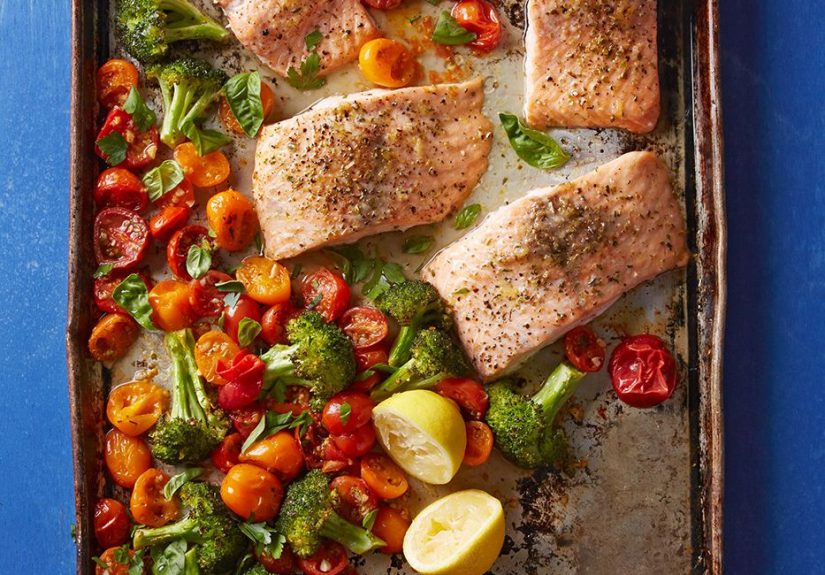
If dinner had a “smart casual” dress code, this Roasted Salmon and Broccoli Recipe would walk in wearing a crisp blazer and comfortable sneakers. It looks elegant, tastes restaurant-worthy, and still understands that nobody wants to wash six pans on a Tuesday night. With tender, flaky salmon, caramelized broccoli edges, lemony garlic seasoning, and a quick oven-roasting method, this is the kind of healthy sheet pan dinner that feels like you planned aheadeven if you remembered dinner existed only 40 minutes ago.
The beauty of roasted salmon and broccoli is balance. Salmon brings richness, protein, and that buttery texture people chase with forks. Broccoli brings freshness, crunch, color, and just enough green virtue to make you feel like a responsible adult. Together, they create a complete meal that is fast, flavorful, and flexible. Serve it with rice, quinoa, roasted potatoes, couscous, or a simple side salad, and you have a weeknight dinner that does not taste like a compromise.
This guide walks you through the ingredients, step-by-step instructions, temperature tips, flavor variations, serving ideas, storage advice, and real-life cooking experience behind making the best roasted salmon and broccoli at home.
Why You’ll Love This Roasted Salmon and Broccoli Recipe
This recipe is built for busy cooks who still want dinner to feel special. It uses simple ingredients, cooks on one sheet pan, and comes together quickly without requiring complicated techniques. The broccoli gets a head start in the oven so it can roast properly, while the salmon is added later to stay moist and tender.
Another reason this recipe works so well is the seasoning. Lemon juice brightens the salmon, garlic adds savory depth, Dijon mustard gives the glaze a subtle tang, and olive oil helps everything roast beautifully. A touch of honey is optional, but it creates light caramelization and rounds out the acidity. The result is not too heavy, not too plain, and definitely not boring.
Think of this dish as the reliable friend of weeknight dinners: quick, dependable, and somehow always better than expected.
Ingredients for Roasted Salmon and Broccoli
The ingredient list is short, but each item has a job. For best results, use fresh salmon fillets that are similar in thickness so they cook evenly. If your fillets vary in size, place the thicker pieces toward the outer edges of the pan where heat tends to be stronger.
Main Ingredients
- 4 salmon fillets, about 5 to 6 ounces each
- 5 cups broccoli florets, cut into bite-size pieces
- 3 tablespoons extra-virgin olive oil, divided
- 2 tablespoons fresh lemon juice
- 1 teaspoon lemon zest
- 2 garlic cloves, minced
- 1 tablespoon Dijon mustard
- 1 teaspoon honey or maple syrup, optional
- 3/4 teaspoon kosher salt, divided
- 1/2 teaspoon black pepper
- 1/2 teaspoon smoked paprika
- 1/4 teaspoon red pepper flakes, optional
- Fresh parsley or dill, for garnish
- Lemon wedges, for serving
Optional Add-Ins
- Thinly sliced red onion for sweetness
- Cherry tomatoes for juicy brightness
- Cooked rice or quinoa for a complete bowl
- Crumbled feta for a Mediterranean-style finish
- Sesame seeds and soy sauce for an Asian-inspired variation
Best Type of Salmon to Use
You can use Atlantic salmon, sockeye salmon, coho salmon, or king salmon for this roasted salmon recipe. Atlantic salmon is usually richer and more forgiving because it has a higher fat content. Sockeye salmon has a deeper color and stronger flavor, but it can dry out faster if overcooked. Coho is mild and lean, making it a nice middle ground.
Skin-on salmon is great for roasting because the skin helps protect the fish from drying out. You do not have to eat the skin if you prefer not to; it can be removed easily after cooking. Skinless salmon also works, but be extra careful not to overbake it.
If using frozen salmon, thaw it overnight in the refrigerator and pat it very dry before seasoning. Moisture is the enemy of browning. A wet salmon fillet steams; a dry salmon fillet roasts. That tiny paper towel step makes a big difference.
How to Make Roasted Salmon and Broccoli
Step 1: Preheat the Oven
Preheat your oven to 425°F. This temperature is hot enough to brown the broccoli while still allowing the salmon to cook gently and evenly. Line a large rimmed baking sheet with parchment paper or foil for easier cleanup. If you want extra browning, use parchment or place the vegetables directly on a lightly oiled pan.
Step 2: Season and Pre-Roast the Broccoli
Place the broccoli florets on the prepared sheet pan. Drizzle with 2 tablespoons of olive oil, then season with 1/2 teaspoon salt, black pepper, and smoked paprika. Toss well so every floret gets coated. Spread the broccoli in a single layer, leaving some space between pieces.
Roast the broccoli for 10 minutes before adding the salmon. This gives the broccoli time to develop crisp edges without overcooking the fish. If broccoli could talk, this would be the moment it says, “Thank you for not making me soggy.”
Step 3: Make the Lemon Garlic Glaze
In a small bowl, whisk together the remaining 1 tablespoon olive oil, lemon juice, lemon zest, minced garlic, Dijon mustard, honey, remaining salt, and red pepper flakes if using. The glaze should taste bright, savory, and slightly tangy. If you prefer a sweeter finish, add another small drizzle of honey. If you love sharp flavors, add an extra squeeze of lemon.
Step 4: Add the Salmon
Remove the pan from the oven. Push the broccoli to the sides and place the salmon fillets in the center of the pan, skin-side down if using skin-on fillets. Brush the lemon garlic glaze over the tops and sides of the salmon. Try to cover the fish evenly, but do not stress over perfection. Dinner does not require tweezers and a spotlight.
Step 5: Roast Until Tender and Flaky
Return the pan to the oven and roast for 8 to 12 minutes, depending on the thickness of your salmon. The salmon is done when it flakes easily with a fork and reaches a safe internal temperature of 145°F. For the juiciest texture, check early and avoid leaving it in the oven too long.
Step 6: Finish and Serve
Sprinkle the roasted salmon and broccoli with fresh parsley or dill. Add lemon wedges on the side and serve immediately. The final squeeze of lemon wakes everything up and makes the dish taste brighter, cleaner, and more complete.
Recipe Card: Roasted Salmon and Broccoli
Prep Time
10 minutes
Cook Time
18 to 22 minutes
Total Time
About 30 minutes
Servings
4 servings
Instructions Summary
- Preheat oven to 425°F and line a rimmed baking sheet.
- Toss broccoli with olive oil, salt, pepper, and smoked paprika.
- Roast broccoli for 10 minutes.
- Whisk lemon juice, zest, garlic, Dijon mustard, olive oil, honey, and seasoning.
- Add salmon to the sheet pan and brush with glaze.
- Roast 8 to 12 minutes, or until salmon flakes easily and reaches 145°F.
- Garnish with herbs and serve with lemon wedges.
Tips for Perfect Roasted Salmon and Broccoli
Cut Broccoli Evenly
Broccoli pieces should be similar in size so they roast at the same rate. Large chunks may stay tough, while tiny pieces can burn. Aim for medium florets with flat sides when possible because those flat surfaces brown beautifully against the pan.
Do Not Crowd the Pan
A crowded sheet pan traps steam, which leads to limp vegetables. Use a large rimmed baking sheet, and if doubling the recipe, divide everything between two pans. Broccoli needs personal space. Honestly, don’t we all?
Pat the Salmon Dry
Before seasoning, pat the salmon dry with paper towels. This helps the glaze cling better and improves the final texture.
Use a Thermometer
An instant-read thermometer is the easiest way to avoid dry salmon. Salmon can go from silky to chalky quickly, so checking the thickest part of the fillet is the most reliable method.
Let It Rest Briefly
After roasting, let the salmon rest for 2 minutes before serving. This helps the juices settle and gives you a better bite.
Flavor Variations
Honey Garlic Salmon and Broccoli
Replace the Dijon mustard with low-sodium soy sauce and increase the honey to 1 tablespoon. Add a little grated ginger for warmth. Finish with sesame seeds and sliced green onions.
Mediterranean Salmon and Broccoli
Add oregano, cherry tomatoes, red onion, and a sprinkle of feta after roasting. Serve with couscous or lemon rice for a bright Mediterranean-style dinner.
Spicy Chili-Lime Salmon
Swap lemon for lime and add chili powder, cumin, and a small spoonful of hot sauce to the glaze. Serve with avocado and warm tortillas for a salmon taco bowl vibe.
Maple Mustard Salmon
Use maple syrup instead of honey and add a little whole-grain mustard. This variation is slightly sweet, tangy, and excellent with roasted sweet potatoes.
What to Serve with Roasted Salmon and Broccoli
This roasted salmon and broccoli recipe can stand on its own as a light meal, but it also pairs beautifully with simple sides. For a classic dinner, serve it with steamed jasmine rice, brown rice, or roasted baby potatoes. For a lighter option, try cauliflower rice, a cucumber salad, or mixed greens with a lemon vinaigrette.
If you want a high-protein bowl, place the salmon and broccoli over quinoa, add sliced avocado, and drizzle with yogurt sauce or tahini dressing. For meal prep, divide the salmon, broccoli, and grains into containers and keep the sauce separate until serving.
How to Store and Reheat Leftovers
Store leftovers in an airtight container in the refrigerator for up to 3 days. Keep the salmon and broccoli together if you plan to reheat them as a meal, or store the salmon separately if you want to use it cold in salads or grain bowls.
To reheat, use a low oven temperature, about 275°F to 300°F, until warmed through. You can also reheat gently in a skillet over low heat. Avoid blasting salmon in the microwave unless you enjoy announcing your lunch to the entire building. If using a microwave, cover loosely and heat in short intervals at reduced power.
Common Mistakes to Avoid
Overcooking the Salmon
This is the biggest mistake. Salmon keeps cooking slightly after it leaves the oven, so check it early. Thin fillets may be done in 8 minutes after adding them to the pan.
Skipping the Broccoli Head Start
Salmon cooks faster than broccoli. If both go into the oven at the same time, the salmon may be done before the broccoli has browned. Pre-roasting solves the problem.
Using Too Much Glaze on the Pan
Brush the glaze on the salmon rather than pouring all of it onto the sheet pan. Excess liquid can prevent browning and may burn around the edges.
Forgetting the Acid
Salmon is rich, so lemon juice or another acidic ingredient helps balance the flavor. A final squeeze of lemon makes the dish taste fresher and more polished.
Nutrition Benefits of Salmon and Broccoli
Salmon is widely appreciated for its protein and naturally rich flavor. It also contains omega-3 fatty acids, which are one reason fatty fish is often recommended as part of a balanced eating pattern. Broccoli adds fiber, vitamin C, vitamin K, and a satisfying texture that makes the meal feel complete without being heavy.
Together, roasted salmon and broccoli create a dinner that feels nourishing without requiring a complicated shopping list. It is colorful, filling, and easy to customize based on your taste preferences. That is the sweet spot: healthy enough for Monday, delicious enough for Friday, and simple enough for the nights when your motivation is running on low battery.
of Real Cooking Experience: What Makes This Recipe Work in Everyday Kitchens
The best thing about a roasted salmon and broccoli recipe is that it teaches you how powerful timing can be. Many home cooks have had the same disappointing sheet pan experience: the fish is cooked, the broccoli is still stubborn, and dinner feels like a negotiation. The simple fix is giving the broccoli a head start. Those first 10 minutes in the oven change everything. The florets begin to soften, the edges start to brown, and by the time the salmon joins the pan, both ingredients are on track to finish together.
In real-life cooking, this recipe is also forgiving. You do not need a professional kitchen or fancy equipment. A sturdy sheet pan, a sharp knife, and a small bowl for the glaze are enough. The most important habit is checking the salmon early. Ovens vary, salmon thickness varies, and even the color of your baking sheet can affect cooking speed. Dark pans brown food faster, while lighter pans may cook more gently. Once you notice these small details, your results improve quickly.
Another useful experience is learning how to season broccoli properly. Broccoli needs enough oil to roast, not just survive. If the florets are too dry, they can turn tough or dusty instead of crisp-tender. Tossing them well with olive oil, salt, pepper, and smoked paprika helps every bite taste intentional. The seasoning should not sit in one corner of the pan like it missed the bus. Use your hands or tongs and coat everything evenly.
Salmon also benefits from restraint. It does not need to be buried under a mountain of sauce. A thin, flavorful glaze is enough. Lemon, garlic, Dijon mustard, and olive oil create a bright coating that enhances the fish instead of hiding it. Honey or maple syrup can help with browning, but too much sweetness can make the dish feel heavy. The goal is balance: rich salmon, fresh broccoli, tangy lemon, and savory garlic all working together.
This recipe is especially helpful for meal planning. Cook it once, and leftovers can become several different meals. Flake cold salmon over salad, tuck it into a grain bowl, serve it with scrambled eggs, or fold it into a wrap with yogurt sauce and crunchy vegetables. The roasted broccoli can be chopped and added to rice, pasta, or omelets. Nothing feels like sad leftovers when the original flavors are clean and versatile.
One final experience tip: finish the dish right before serving. Fresh herbs, lemon wedges, and maybe a pinch of flaky salt make the meal feel restaurant-level with almost no effort. It is a tiny step, but it gives the plate color, aroma, and freshness. That is the secret charm of roasted salmon and broccoli. It is practical food with a little sparkleeasy enough for a weeknight, polished enough for guests, and dependable enough to earn a regular spot in your dinner rotation.
Conclusion
This Roasted Salmon and Broccoli Recipe proves that a healthy dinner does not have to be bland, fussy, or trapped behind a pile of dirty dishes. With a hot oven, a bright lemon garlic glaze, and smart timing, you can turn simple salmon fillets and broccoli florets into a flavorful sheet pan meal in about 30 minutes. The broccoli roasts until crisp-tender, the salmon stays moist and flaky, and the whole dish tastes fresh, balanced, and satisfying.
Whether you serve it with rice, quinoa, potatoes, salad, or enjoy it as a low-carb dinner, this recipe is flexible enough for busy families, meal preppers, and anyone who wants dinner to feel easier without tasting ordinary. Keep the method, change the seasonings, and you will have endless variations ready for your weekly menu.