Table of Contents >> Show >> Hide
- Why Tiny Details Matter So Much in True Crime Movies
- Real People Hiding in Plain Sight
- Props and Costumes Pulled Straight From Real Life
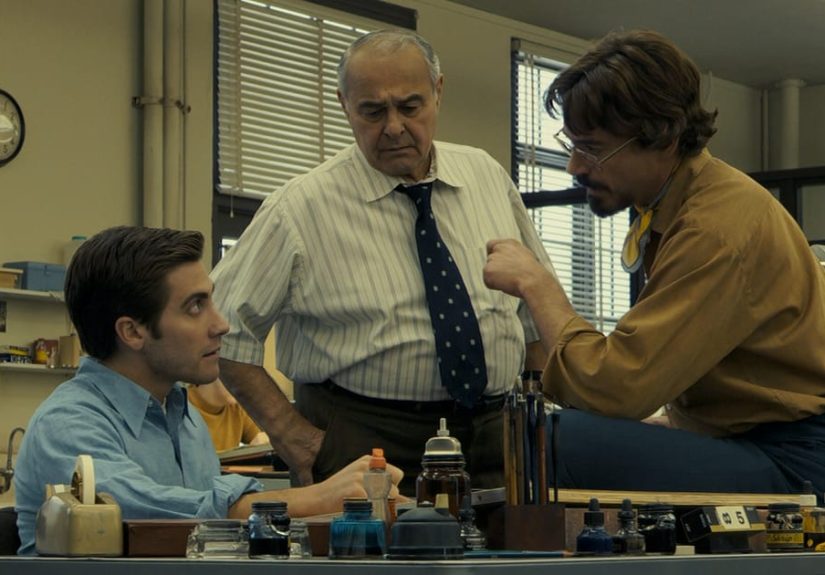
- Zodiac Details That Fans Still Obsess Over
- Improvisations That Accidentally Became True Crime Lore
- Easter Eggs About the Crimes Themselves
- When Small Details Raise Big Ethical Questions
- How to Spot Small Details in True Crime Movies (Without Losing Your Mind)
- A Fan’s-Eye View: Experiences of Noticing Small Details in True Crime Movies
- Conclusion: When “Just a Movie” Stops Being Just a Movie
True crime fans are a special breed. Give them a movie “based on a true story” and they won’t just sit back and enjoy the plot – they’ll pause, zoom in, compare screenshots to crime scene photos, and then write a 2,000-word Reddit post about a blurry background prop. Somewhere a production designer wipes away a proud tear.
In the last decade, true crime movies and limited series have exploded in popularity – from meticulous procedurals like Zodiac and Foxcatcher to finance thrillers like The Big Short and glitzy scams in The Wolf of Wall Street. Many of these films are surprisingly accurate, layering in tiny nods to real people, real evidence, and even real injuries that happened on set.
These small details aren’t just geeky Easter eggs. They shape how we understand real crimes, how we remember victims, and how we think about the ethics of turning tragedy into entertainment. Let’s zoom in on some of the most fascinating details fans have spotted in true crime movies – and what they tell us about a genre that’s always walking the line between truth and drama.
Why Tiny Details Matter So Much in True Crime Movies
In a superhero movie, a clever Easter egg is fun. In a true crime movie, a clever Easter egg can feel almost moral. When filmmakers faithfully recreate a victim’s clothing, use genuine documents, or invite real survivors to quietly appear on screen, they’re signaling that they understand this isn’t just a story – it’s someone’s life.
At the same time, many true crime films openly admit to bending reality. Movies like Foxcatcher condense timelines and tweak relationships for dramatic impact, even as they sprinkle in real objects and real people to anchor the story. This mix of documentary-level detail and Hollywood invention is exactly why fans pay such close attention: they want to know which moments are shockingly authentic and which are pure screenwriting.
The result? A kind of interactive viewing. Fans freeze-frame shots, compare them to trial transcripts, and share their discoveries on forums like r/MovieDetails and r/TrueCrime – communities built on noticing “the small details that make up an event.” These fans have helped surface some genuinely incredible details hiding in plain sight.
Real People Hiding in Plain Sight
The Real Mark Schultz Weighs His Movie Self in Foxcatcher
In Bennett Miller’s unsettling wrestling drama Foxcatcher, Channing Tatum plays Olympic champion Mark Schultz, caught up in the twisted orbit of millionaire John du Pont. The film is loosely based on real events, but one blink-and-you’ll-miss-it moment is as real as it gets: the person weighing Tatum’s character for competition is the actual Mark Schultz.
It’s a strange, meta detail. The real man – who lived the story and lost his brother in the process – appears silently measuring the body of his fictionalized younger self. For viewers who recognize him, the scene lands like a quick emotional gut punch. Mark isn’t just an abstract character being exploited for drama; he’s a present, living witness, literally weighing in on how his own story is being told.
Michael Burry and Jordan Belfort Cameos in Finance True Crime
It’s not just murder cases that get this treatment. Financial true crime movies also sneak their real players into the frame. In The Big Short, Christian Bale’s character, hedge fund manager Michael Burry, is briefly shown reading a fantasy novel that inspired the name of his real-life firm, Scion Capital – a detail that reflects Burry’s genuine reading habits and how that shaped his business.
Later in the same film, the actual Michael Burry appears in the background of a shot – just a guy near a door on the phone if you don’t know what he looks like. In The Wolf of Wall Street, the real Jordan Belfort introduces Leonardo DiCaprio’s version of himself during the motivational speaking scene near the end. The message from filmmakers is clear: “Yes, these people and these scams really existed – and they’re still here, watching.”
Props and Costumes Pulled Straight From Real Life
Dave Schultz’s Actual Glasses in Foxcatcher
One of the most quietly heartbreaking details in Foxcatcher sits right on Mark Ruffalo’s face. Fans discovered that the glasses his character wears – belonging to murdered wrestler Dave Schultz – were Dave’s actual glasses, given to Ruffalo by Schultz’s widow Nancy.
For most viewers, they’re just period-appropriate frames. For people who knew the real Dave or have seen photos of him, the effect is haunting. That tiny prop turns a performance into something closer to a haunting: the real Dave is quite literally shaping how we see his movie counterpart.
Zodiac Recreates Victim Outfits Down to the Stitch
David Fincher’s Zodiac is legendary for its obsessive attention to historical detail. The director reportedly pushed his costume and art departments to reproduce the victims’ clothing as accurately as possible, matching what they were actually wearing when they were attacked.
Survivor Bryan Hartnell has said that watching the Lake Berryessa attack sequence – which reenacts the stabbing that nearly killed him – felt disturbingly accurate to what he remembered, right down to details like the killer’s outfit and movements. Those choices aren’t just stylistic. They show how far filmmakers will go to make the audience feel the reality of what happened, even when they can’t definitively solve the case.
Zodiac Details That Fans Still Obsess Over
Real Cipher Fragments in the Script
Fans who love codes and cryptography were thrilled to spot a subtle nod in one of Zodiac’s decoding scenes. At one point, investigators jot down “Robert Emmett the Hippie” while working through leftover cipher clues. That phrase isn’t random – it’s a piece of real decoded text connected to someone who actually existed and was associated with one of the film’s main suspects.
Most viewers never notice it. But for Zodiac buffs who’ve pored over the case files, it’s a quiet acknowledgement that the filmmakers aren’t just making things up; they’re pulling from the tangled web of real suspects and decoded messages that still fascinate armchair sleuths today.
The Killer’s Face Never Shows – and the Actor Keeps Changing
Another brilliantly subtle choice in Zodiac is that you never get a clear, confirmed look at the killer’s face. Fans have pointed out that the Zodiac is played by different actors in different scenes, depending on which suspect’s perspective or theory is being dramatized.
It’s a tiny detail with big meaning. By refusing to settle on one recognizable Zodiac, the movie visually reinforces what the case is really about: uncertainty, obsession, and the horrible fact that sometimes you never get a satisfying answer.
A Survivor’s Cameo in the Courtroom
One of the most affecting “if you know, you know” details in the film comes during a courthouse scene. In the background is Bryan Hartnell himself – the real-life survivor of the Lake Berryessa attack – making a cameo appearance.
He has no big speech. The camera doesn’t make a big deal out of him. But for viewers who recognize his face, the scene becomes a quiet tribute. It’s a reminder that behind all the charts and clues and fan theories, there are real people whose lives were changed forever.
Improvisations That Accidentally Became True Crime Lore
The Chest-Beating Chant in The Wolf of Wall Street
True crime movies don’t just borrow from reality; sometimes reality sneaks back into them on set. One of the most famous examples is Matthew McConaughey’s bizarre chest-thumping, humming ritual during his lunch scene with Leonardo DiCaprio in The Wolf of Wall Street. Fans later learned this wasn’t scripted at all. It was a real relaxation technique McConaughey uses before filming, which DiCaprio saw and begged to include in the scene.
The moment is so strange and specific that it feels like the kind of detail a writer would invent to show how unhinged the Wall Street culture is. Instead, it’s a tiny piece of the actor’s real life, repurposed to sell the reality of a man built on fraud and excess.
iPhone Footage and Director Emails
According to fans who dug into behind-the-scenes interviews, The Wolf of Wall Street and The Big Short also use little on-the-fly solutions and in-jokes that become part of the films’ texture. For example, the airplane “fasten seat belt” shot in Wolf reportedly came from quick iPhone footage captured by visual effects supervisor Robert Legato during a real flight, which director Martin Scorsese decided was good enough for the final cut.
In The Big Short, fans spotted an email in Michael Burry’s inbox from none other than director Adam McKay – a tiny meta nod that the real people behind the story are quietly hanging out inside the movie about them.
Actual Blood and a Popped Eardrum in Foxcatcher
Foxcatcher doesn’t just depict violence; some of it landed a little too hard. Channing Tatum has described how Mark Ruffalo accidentally ruptured his eardrum during a slapping scene, leaving him with lingering hearing issues.
In another moment, Tatum reportedly smashed his head into a mirror so forcefully that the blood you see on screen is his real blood. These aren’t “true crime” details in the sense of reflecting the original case, but they do show how far actors and directors will go to capture the physical intensity and psychological breakdown at the heart of these stories.
Easter Eggs About the Crimes Themselves
Puns and Foreshadowing in The Big Short
True crime doesn’t always mean serial killers – sometimes the crime is the global financial system imploding. The Big Short is packed with little visual jokes and references that only become clear if you’re paying close attention.
Fans have spotted a billboard featuring comedian Martin Short in the background – a literal “big Short” gag tucked into a movie about shorting the housing market. In another scene, Jordan Belfort in The Wolf of Wall Street casually tells FBI agents they should be looking into tech stocks and CDOs – the very vehicles that later fueled the dot-com bubble and the 2008 crash.
These details do double duty: they’re fun for fans to spot, and they quietly signal that these crimes didn’t appear out of nowhere. There were warnings and patterns hiding in plain sight – in both the real world and the movie version of it.
When Small Details Raise Big Ethical Questions
Not all true crime details feel celebratory. Series like Dahmer – Monster: The Jeffrey Dahmer Story have been praised for their factual accuracy and careful recreation of real locations and incidents, while simultaneously being criticized by victims’ families for re-opening old wounds without their consent.
At the same time, new projects like Zodiac Killer Project actively question the conventions of the true crime genre, calling out the way stylized reenactments, ominous music, and emotionally manipulative montages can turn real horror into a kind of entertainment puzzle box. When you know how obsessively fans comb through every frame, these concerns matter even more. Each tiny detail isn’t just an Easter egg – it can shape how thousands of viewers think about real victims, real suspects, and real grief.
How to Spot Small Details in True Crime Movies (Without Losing Your Mind)
If you want to join the detail-obsessed side of true crime fandom, you don’t need a conspiracy board and red string. You just need a curious eye and a bit of patience. Here are a few ways fans tend to find their favorite hidden details:
- Watch the background. Posters, billboards, book covers, and even email inboxes often contain in-jokes or references to real people and events.
- Compare stills to real photos. For well-documented cases like the Zodiac killings or the Du Pont–Schultz tragedy, photos and documents are easy to find. Fans often notice costume choices, props, and staging that match real evidence.
- Look up interviews after you watch. Directors and actors love talking about their favorite behind-the-scenes accidents and improvisations – which is how we know about McConaughey’s chest chant or the injuries on Foxcatcher.
- Spend (reasonable) time on fan communities. Subreddits like r/MovieDetails, r/TrueCrime, and movie detail listicles on sites like Ranker are gold mines of small discoveries.
The key is balance. It’s fun to hunt for Easter eggs, but it’s also important to remember that behind every “cool detail” in a true crime movie is a real person who didn’t get to roll the end credits and go home.
A Fan’s-Eye View: Experiences of Noticing Small Details in True Crime Movies
If you’ve ever watched a true crime movie with a hardcore fan, you know it doesn’t feel like casual viewing. It feels like a group investigation with snacks.
There’s the first watch, where everyone tries to follow the story. Then there’s the second or third watch, where the detail-obsessed friend starts saying things like, “Pause it. No really, pause it. Look at the license plate,” and suddenly you’re five minutes deep into a Google image search of the actual crime scene car door.
One common experience among true crime fans is the shock of recognizing something specific from research they did long before the movie existed. Maybe it’s a newspaper headline they remember from an old article, recreated almost exactly in the film. Maybe it’s the way a victim used to wear their hair, matched with uncanny precision. Or it might be a tiny behavior – the way a killer adjusts their glasses, or how a detective holds a case file – that they’ve seen in archival footage. When a film gets that right, the fan’s brain lights up: They actually did their homework.
Fans who hang out in communities like r/TrueCrime often describe being drawn to “the small details that make up an event” – not just the headline-grabbing murders, but the mundane things that make the story feel real: which brand of watch a suspect wore, the way a cryptic letter was folded, or what song was playing on the radio at the time of an attack. When those details make it into the film, it feels like the filmmakers are speaking directly to that tiny, nerdy, hyper-specific part of the audience.
On the flip side, there’s also a particular kind of discomfort that comes with noticing details in true crime adaptations. Some fans report feeling queasy when a movie recreates a crime scene too perfectly – especially if they’ve read survivor accounts or seen photos in court records. Watching Zodiac’s Lake Berryessa scene, for instance, becomes deeply unsettling once you know that survivor Bryan Hartnell has said the scene mirrors his memories closely, and that he even appears later in the movie.
There’s also the emotional whiplash of finding a playful Easter egg in the middle of a serious story. Spotting a Martin Short billboard in The Big Short or noticing that an email from the director is sitting in a character’s inbox might be genuinely funny – until you remember the people who lost homes, savings, or family members because of the real events behind the comedy. That tension between clever filmmaking and real-world harm is something many fans wrestle with, often in long comment threads that start with, “Did anyone else notice…”
For true crime fans who also care about ethics, the experience of spotting small details can almost feel like an informal audit of the film’s conscience. They ask: Are these accurate details used to humanize victims, or to glorify killers? Are cameos and props a way of honoring people, or of cashing in on their pain? Projects that interrogate the genre itself – like Zodiac Killer Project and critical coverage of shows like Dahmer – Monster: The Jeffrey Dahmer Story – only sharpen those questions.
Ultimately, noticing small details in true crime movies is both a joy and a responsibility. The joy comes from realizing how much thought and craft went into a single frame. The responsibility comes from remembering that these meticulously recreated details often come from real case files, real lives, and real trauma. The more carefully we look, the more carefully we need to think about what we’re seeing – and why it was put there in the first place.
Conclusion: When “Just a Movie” Stops Being Just a Movie
True crime movies live and die on their details. A pair of real glasses, a survivor sitting quietly in the background, a cipher fragment scribbled on a yellow pad, an improvised chant that suddenly defines a character – all of these are small things that make these films feel big, weighty, and real.
For fans, hunting these details is part of the fun. For filmmakers, getting them right is part of the responsibility. And for the real people behind the stories, those details can be the difference between feeling exploited and feeling seen.
So the next time you watch a true crime movie, go ahead and pause, rewind, and squint at the background. But maybe also take a moment to ask yourself: Whose reality is being honored here? Whose pain is being re-used as texture? And what does it mean that we, as viewers, are so eager to notice every tiny clue?