Table of Contents >> Show >> Hide
- Before We Start: How Long Does Cauliflower Stay Fresh?
- The 11 Steps to Keep Cauliflower Fresh
- Step 1: Choose a cauliflower that wants to live
- Step 2: Get it home like it’s dairy (aka: don’t roast it in the car)
- Step 3: Remove tight shrink wrap (it’s not doing your cauliflower any favors)
- Step 4: Don’t wash it yet (yes, even if you really want to)
- Step 5: Keep the leaves if you can (they’re nature’s packaging)
- Step 6: Give it airflow and a moisture “bouncer”
- Step 7: Store it stem-side up (reduce condensation on the florets)
- Step 8: Use the right crisper drawer setting (humidity is not a myth)
- Step 9: Keep it away from ethylene producers and strong odors
- Step 10: If you cut it, store it like meal prepnot like leftovers
- Step 11: Check, refresh, and pivot (because vegetables are living things)
- Longer-Term Options: Freezing (and a couple of other smart moves)
- Troubleshooting: Common Cauliflower Problems (and What They Mean)
- Wrap-Up: The Fresh Cauliflower Formula
- Extra: Real-World Experiences With Keeping Cauliflower Fresh (So You’re Not Alone)
Cauliflower is the friend who shows up looking elegant (hello, snowy florets) and then dramatically
falls apart if you treat it wrong. Leave it in a warm car too long? It pouts. Store it like a wet sponge?
It gets… complicated. The good news: keeping cauliflower fresh isn’t hardyou just need a little airflow,
a little humidity control, and a tiny bit of restraint with the faucet.
This guide breaks down exactly how to store cauliflower so it stays firm, mild, and roast-ready.
You’ll get 11 practical steps, plus real-life kitchen scenarios at the end (because cauliflower storage
is where optimism meets the crisper drawer).
Before We Start: How Long Does Cauliflower Stay Fresh?
In a typical home refrigerator, a whole head of cauliflower often stays in good shape for about
5–10 days when stored properly (sometimes a bit longer if it’s very fresh at purchase and your fridge runs cold).
Once you cut it into florets, the clock speeds upplan to use cut cauliflower within
1–3 days for best texture and flavor.
Also: “fresh” isn’t just a date on a calendar. Fresh is firm curds, no slime, no funky smell, and florets that
still feel crisp when you snap them. The steps below are designed to slow moisture problems, reduce condensation,
and keep cauliflower from soaking up odors like a white sweater at a spaghetti dinner.
The 11 Steps to Keep Cauliflower Fresh
Step 1: Choose a cauliflower that wants to live
Storage success starts at the store. Pick a head with tight, compact florets (also called “curds”),
a creamy white color, and fresh-looking green leaves. A few tiny tan specks aren’t always a dealbreaker,
but avoid cauliflower that looks crumbly, has large dark spots, feels soft, or smells “off.”
Quick test: Gently press the florets. They should feel firm, not spongy. If it already feels tired,
it won’t magically become energetic in your fridge.
Step 2: Get it home like it’s dairy (aka: don’t roast it in the car)
Cauliflower is a cool-season vegetable. Heat speeds up respiration and moisture loss, which can lead to
limp florets and faster spoilage. If you’re running errands, keep cauliflower out of direct sun and consider
an insulated bagespecially in warm climates or long drives.
Step 3: Remove tight shrink wrap (it’s not doing your cauliflower any favors)
Many grocery heads come tightly wrapped. That wrap traps moisture and encourages condensationthe sworn enemy
of crisp cauliflower. When you get home, unwrap it. If you want to keep it in plastic, switch to something
breathable (more on that in Step 6).
Step 4: Don’t wash it yet (yes, even if you really want to)
Water seems wholesome, but stored moisture invites mold and sliminess. Hold off on washing until right before cooking.
If the cauliflower looks a little dusty, you can brush it lightly or wipe with a dry paper towel.
Exception: If you already washed it, dry it extremely wellthen proceed with the “paper towel + airflow” steps.
Step 5: Keep the leaves if you can (they’re nature’s packaging)
Those green leaves aren’t just decorativethey protect the florets from drying out and bruising.
If the leaves are fresh, keep them on. If they’re damaged or slimy, peel those away.
Step 6: Give it airflow and a moisture “bouncer”
Cauliflower likes high humidity but hates sitting in water droplets. The goal is: humid environment,
no condensation pooling on the florets.
- Best method: Place the head in a perforated or loosely closed plastic bag.
- Add this: Tuck a dry paper towel inside the bag to absorb excess moisture.
- Do not: Seal the bag airtight like you’re shipping it to space.
If you don’t have perforated bags, poke a few small holes in a regular produce bag. You’re aiming for
“breathing room,” not “wind tunnel.”
Step 7: Store it stem-side up (reduce condensation on the florets)
Condensation tends to collect and drip where gravity helps it. Storing cauliflower with the
stem side up helps prevent moisture from pooling on the delicate florets, which can trigger
brown spots and decay.
If your cauliflower is very dry (or your fridge is very dehydrating), you can wrap the stem area loosely with
a slightly damp paper towel while keeping the florets drythink “hydration for the base,” not “spa day for the head.”
Step 8: Use the right crisper drawer setting (humidity is not a myth)
Many refrigerators have crisper drawers with adjustable humidity. As a general rule:
“wilt-high, rot-low.” Cauliflower is prone to drying out (wilting), so it usually does well in a
higher-humidity drawer that retains moisture.
If your crisper doesn’t have settings, just put the cauliflower in the produce drawer anyway. The drawer naturally
helps stabilize humidity compared to the door shelves (which are warmer and fluctuate more).
Step 9: Keep it away from ethylene producers and strong odors
Cauliflower is sensitive to ethylene gas (a natural ripening hormone released by certain fruits and vegetables).
Ethylene can accelerate yellowing and quality loss. Try not to store cauliflower right next to common ethylene producers like:
apples, bananas, pears, kiwis, avocados, and some melons.
Also keep it away from strong-smelling foods (like chopped onions or very aromatic leftovers).
Cauliflower is mildand it will happily “borrow” smells you didn’t mean it to have.
Step 10: If you cut it, store it like meal prepnot like leftovers
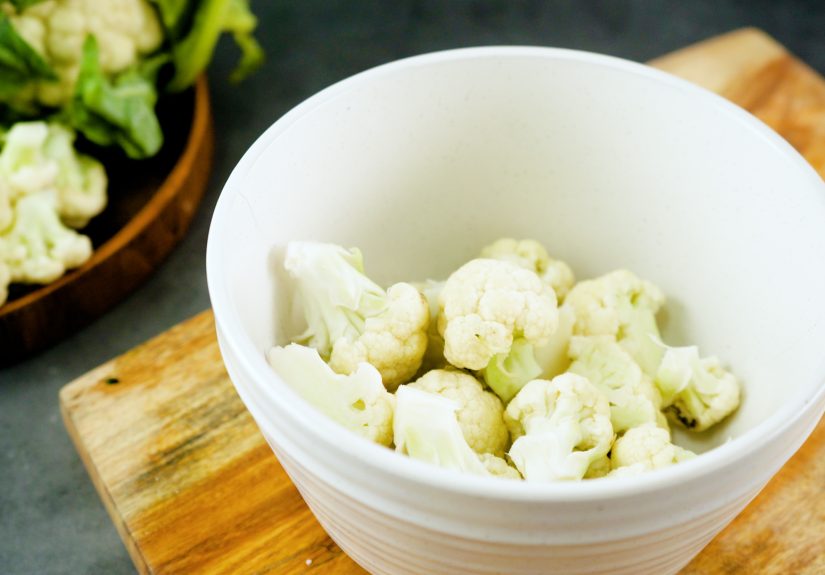
Once cauliflower is cut into florets, it exposes more surface area and loses moisture faster. Here’s the best way to store cut cauliflower:
- Cut florets into similar sizes (they store more evenly).
- Make sure they’re dry (very dry).
- Line an airtight container with a paper towel.
- Add florets and place another paper towel on top if they’re very fresh and “moist.”
- Close the lid, but if condensation builds, crack it slightly or swap towels.
Best-use window: 1–3 days for peak crispness. If you notice dampness, replace the paper towel.
Moisture management is basically the whole game.
Step 11: Check, refresh, and pivot (because vegetables are living things)
Every few days, do a 20-second cauliflower check:
- Paper towel damp? Replace it.
- Small brown specks? Trim them; use the cauliflower soon.
- Leaves turning sad? Remove the worst ones and keep the rest.
- Smell sour, texture slimy, or visible mold? Time to toss it.
And if you realize you won’t use it in time, don’t guilt-trip yourselfpivot to a longer-term option below.
Longer-Term Options: Freezing (and a couple of other smart moves)
Freezing cauliflower the right way (blanch first)
Raw cauliflower can freeze, but blanching helps protect texture, color, and flavor. Here’s a reliable method:
- Cut into florets (similar size).
- Boil water; add a pinch of salt if you like.
- Blanch florets for about 3 minutes.
- Transfer immediately to an ice bath to stop cooking.
- Drain thoroughly and pat dry.
- Freeze florets on a tray (single layer) until firm, then transfer to freezer bags.
This “tray freeze” prevents one giant cauliflower iceberg from forming. Properly stored frozen cauliflower
keeps quality for roughly 10–12 months.
Other options if your fridge is full of dreams and your week is full of chaos
- Pickle it: Quick-pickled cauliflower stays crunchy and bright in the fridge for days to weeks, depending on recipe.
- Roast and refrigerate: Cooked cauliflower typically keeps well for 3–4 days in an airtight container.
- Rice it and freeze: Cauliflower rice freezes well and is easy to portion for stir-fries and bowls.
Troubleshooting: Common Cauliflower Problems (and What They Mean)
“It’s turning yellow!”
Mild yellowing can happen from age or light exposure and doesn’t always mean it’s unsafe. If it still smells fresh
and feels firm, you can usually use itespecially in cooked dishes like roasting, soups, or curries.
If yellowing comes with softness, slime, or a sour odor, that’s a different story.
“There are brown spots.”
Small light-brown spots can be trimmed. Large dark patches, widespread discoloration, or mold-like growth
are signs to discard.
“It smells weird.”
A fresh head smells mild and slightly “cabbage-y.” A sour, musty, or rotten smell is a no.
When in doubt: toss it. Saving $3 isn’t worth gambling with your stomach.
“It’s a little limp. Can I save it?”
If it’s only slightly limp (not slimy), you can sometimes perk up florets by soaking them in ice water for 10–15 minutes,
then drying well. This is a short-term cosmetic rescuenot a reset buttonso cook it soon after.
Wrap-Up: The Fresh Cauliflower Formula
If you remember nothing else, remember this: cauliflower loves a cool, humid environment with airflow,
and it hates being wet. Unwrap tight packaging, skip washing, store it stem-side up in a breathable bag,
keep a paper towel on moisture patrol, and avoid ethylene-heavy neighbors like apples and bananas.
Do that, and your cauliflower will stay crisp long enough to become whatever you planned:
buffalo bites, silky soup, mash, tacos, or the classic “I bought this for health” roast that ends up covered in cheese.
Extra: Real-World Experiences With Keeping Cauliflower Fresh (So You’re Not Alone)
If cauliflower storage were a movie, the crisper drawer would be the set, the paper towel would be the hero,
and condensation would be the villain with an unlimited budget. Most people don’t lose cauliflower because they
“forgot the rules”they lose it because real life happens. Here are a few common kitchen scenarios and the
small storage tweaks that make a big difference.
1) The “I’ll cook this tomorrow” illusion
You buy a perfect head of cauliflower with big plans. Tomorrow comes…and goes. By Day 5, you remember it exists.
This is where Step 11 saves you: a quick check every couple of days (and swapping the paper towel if it’s damp)
prevents that sudden leap from “fine” to “why does it smell like regret?” If you know you’re drifting toward a busy week,
cutting it into florets and storing them dry in a towel-lined container can make it easier to use fastbecause
“ready-to-cook” beats “still has to be prepped” when you’re hungry.
2) The crisper drawer traffic jam
Sometimes your fridge is less “organized food storage” and more “vegetable nightclub at capacity.”
Cauliflower gets shoved behind a bag of spinach, pressed against a container of leftovers, and wedged next to apples.
That tight crowding encourages bruising and traps moisture. A simple habit helps: give cauliflower its own breathable bag
and store it toward the back of the crisper where temperatures stay steadier. If apples or bananas are in the same drawer,
move them. It’s not dramait’s ethylene management.
3) The “I washed everything when I got home” routine
Washing produce right away feels productive (and it issometimes). Cauliflower is the exception that proves the rule.
When it goes into the fridge damp, it tends to develop spots and off-odors faster. If you already washed it, don’t panic:
dry it thoroughly, let it air-dry for a few minutes, and store it with extra paper towel to wick moisture. People are often
surprised how much water hides in the nooks of the floretslike it’s storing tiny reserves for a drought you didn’t request.
4) The meal-prep weekend that didn’t happen
You cut florets for sheet-pan dinners. Then plans change. Cut cauliflower is more fragile than a whole head, so it needs
better moisture control. The towel-lined container trick matters here: if the paper towel gets damp, swap it.
It sounds small, but it’s the difference between “still crisp for roasting” and “soft, watery stir-fry sadness.”
If you realize midweek that you won’t use it, blanch and freeze itfuture-you will be thrilled to have a ready vegetable
for soups, curries, and quick sides.
5) The mystery smell problem
Cauliflower is mild, but it can absorb odors. If it’s stored near strong foods (especially cut onions),
the cauliflower can start to smell “off” even if it isn’t spoiled. Keeping it in a breathable bag with a paper towel helps,
and storing it away from pungent items helps even more. If you’re dealing with a fridge that has strong aromas in general,
it’s worth putting cauliflower in its own section or using a container that blocks odors while still preventing condensation
(which usually means paper towel inside and a lid that isn’t trapping water droplets).
6) The “it’s slightly yellowdid I ruin it?” panic
Yellowing can happen over time, especially if cauliflower is exposed to light or stored longer than ideal.
Many cooks discover that slightly yellow cauliflower still roasts beautifully. The key is the smell and texture:
if it’s firm and smells normal, use it. Roast it, blend it into soup, or turn it into mashcooking smooths out a lot of minor
imperfections. But if yellowing comes with slime, mold, or a sour odor, that’s your cue to let it go and try again with the
storage steps above. (And maybe give your crisper drawer a quick clean while you’re in there.)
The big takeaway from these experiences: the “best” method isn’t the fanciest methodit’s the one you’ll actually do
consistently. Unwrap, don’t wash, give it airflow, manage moisture with a paper towel, and keep it away from ethylene-heavy
neighbors. That’s the simple routine that keeps cauliflower fresh in real kitchens, not just in perfectly staged ones.