Table of Contents >> Show >> Hide
- What Are Self-Ligating Braces?
- How Do Self-Ligating Braces Work?
- Self-Ligating Braces vs. Traditional Braces
- Benefits of Self-Ligating Braces
- Possible Downsides to Consider
- How Much Do Self-Ligating Braces Cost?
- Who Is a Good Candidate for Self-Ligating Braces?
- What to Expect During Treatment
- Real-World Experiences: What Wearing Self-Ligating Braces Can Feel Like
- Final Thoughts
Self-ligating braces sound like something invented by a dental engineer who also enjoys tiny trapdoors. And honestly, that is not too far from the truth. These braces look a lot like traditional metal or ceramic braces, but instead of using small elastic bands to hold the wire in place, each bracket has a built-in clip, door, or sliding mechanism. That small design change can make a noticeable difference in appointment style, cleaning, comfort, and sometimes overall convenience.
Still, self-ligating braces are not magic braces. They will not straighten teeth while you eat popcorn, ignore flossing, and wink at your orthodontist from across the room. Like all orthodontic treatment, they rely on smart planning, steady tooth movement, good oral hygiene, and regular professional supervision. The big question is whether they are worth considering over traditional braces, clear aligners, or ceramic braces.
This guide breaks down how self-ligating braces work, how they differ from conventional braces, their real benefits, possible downsides, average cost in the United States, and what the experience can feel like from day one to retainer day.
What Are Self-Ligating Braces?
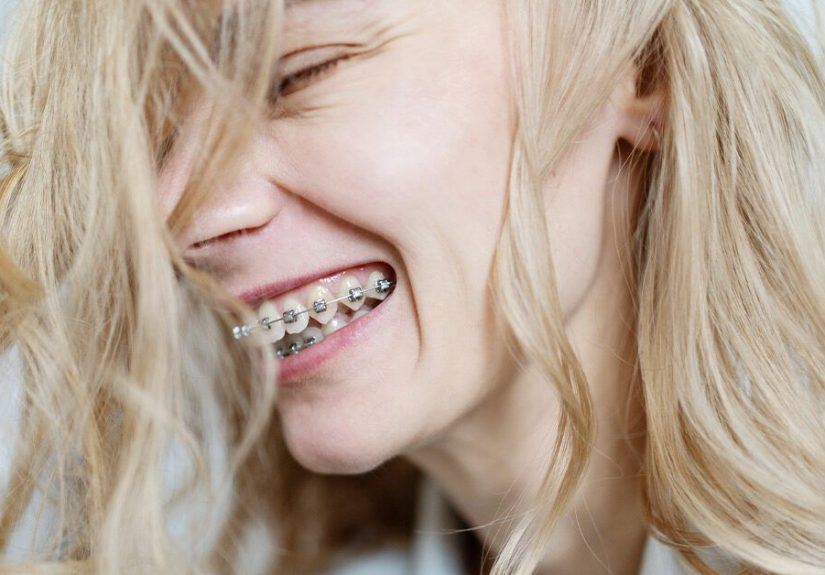
Self-ligating braces are orthodontic braces that use brackets with a built-in mechanism to hold the archwire. The archwire is the thin metal wire that runs through the brackets and helps guide teeth into better alignment. In traditional braces, the wire is held in place with tiny elastic bands, often called ligatures. In self-ligating braces, those elastic ties are replaced by a small clip or sliding door attached to each bracket.
The result is a braces system that still uses brackets and wires, but with less need for elastic ties. Some self-ligating braces are made of stainless steel, while others use ceramic or clear brackets for a more discreet look. Popular systems may include metal and clear versions, depending on the orthodontic office and the patient’s treatment needs.
Self-ligating braces can treat many of the same orthodontic issues as traditional braces, including crowded teeth, gaps, overbites, underbites, crossbites, open bites, and rotated teeth. They are not a separate category of treatment like clear aligners. Think of them as a modern variation of fixed braces: same basic mission, upgraded bracket hardware.
How Do Self-Ligating Braces Work?
All braces work by applying controlled pressure to the teeth over time. The pressure encourages bone remodeling around the tooth roots, allowing teeth to gradually shift into healthier positions. Self-ligating braces follow this same biological process, but the bracket design changes how the wire is held and adjusted.
The Role of the Archwire
The archwire is placed into the bracket slot and secured by the bracket’s built-in clip. As the wire returns to its planned shape, it gently encourages the teeth to move. Your orthodontist may use a sequence of wires during treatment, starting with flexible wires and moving toward stronger finishing wires as your bite improves.
Passive vs. Active Self-Ligating Brackets
There are two main types of self-ligating brackets: passive and active. Passive brackets use a sliding door that holds the wire without pressing tightly against it. This may reduce friction during certain stages of treatment. Active brackets use a clip that can press against the wire, giving the orthodontist more control in some movements. Neither type is automatically “better” for everyone; the right choice depends on your bite, tooth position, and orthodontist’s treatment approach.
Self-Ligating Braces vs. Traditional Braces
At first glance, self-ligating braces and traditional braces look like cousins who showed up to the same family reunion wearing slightly different shoes. Both are attached to the teeth. Both use archwires. Both require appointments. Both can deliver excellent results when properly planned and monitored.
The main difference is the ligation system. Traditional braces use elastic or metal ties to secure the wire. Self-ligating braces use a built-in clip or door. This difference can influence appointment length, cleaning, friction, and the appearance of the braces.
1. No Elastic Ties
Traditional braces often use colorful elastic bands. For some patients, choosing colors is half the fun. For others, those elastics can collect plaque, stain from coffee or curry, and make cleaning more challenging. Self-ligating braces usually remove the need for those small elastic ties, which can make the braces look cleaner and simpler.
2. Potentially Shorter Adjustment Visits
Because the orthodontist opens and closes clips instead of removing and replacing many tiny elastics, adjustment appointments may be faster. This does not always mean total treatment time is dramatically shorter, but it may make routine visits feel more efficient.
3. Longer Intervals Between Visits
Some patients with self-ligating braces may be scheduled with slightly longer gaps between appointments. This depends on the treatment plan, tooth movement, age, oral health, and orthodontist preference. It is a convenience benefit, not a universal guarantee.
4. Friction and Tooth Movement
Self-ligating systems are often marketed as lower-friction braces. In theory, reduced friction between the wire and bracket may help certain tooth movements happen more smoothly. However, clinical research does not consistently prove that self-ligating braces are always faster, less painful, or more effective than conventional braces. In real life, the skill of the orthodontist and the complexity of the case matter far more than the bracket door’s resume.
Benefits of Self-Ligating Braces
Self-ligating braces have several practical advantages. Some are strongly related to convenience, while others depend on the individual case. Here are the benefits patients most often care about.
Easier Cleaning
Without elastic ligatures around each bracket, there may be fewer little places for plaque and food debris to hide. That does not mean brushing becomes optional. Braces still create extra cleaning challenges, and patients still need careful brushing, floss threaders, interdental brushes, or water flossers. But many people find self-ligating brackets slightly easier to keep tidy.
Fewer Staining Concerns
Elastic ties can discolor from tomato sauce, tea, coffee, turmeric, berries, or that suspiciously neon sports drink from the back of the fridge. Since self-ligating braces usually do not use those elastics, patients may avoid some of the staining that happens between appointments.
Possibly More Comfortable Adjustments
Some patients report that self-ligating braces feel gentler, especially after adjustments. The lower-friction design may contribute to a smoother feeling during certain stages. However, braces of any kind can cause soreness after placement or wire changes. Teeth are moving, after all. They may complain a little.
Shorter Chair Time
Opening and closing built-in clips can be quicker than changing many individual elastic ties. For busy students, working adults, and parents managing three calendars and one mysteriously missing shoe, shorter visits can be a real advantage.
Discreet Options Are Available
Self-ligating braces are available in metal and ceramic versions. Ceramic self-ligating braces can blend better with natural tooth color, making them less noticeable than full metal brackets. They are not invisible, but they are more subtle than the classic silver look.
Possible Downsides to Consider
Self-ligating braces are useful, but they are not perfect for every person or every budget. Before choosing them, it helps to understand the trade-offs.
They May Cost More
Self-ligating braces often cost slightly more than traditional metal braces. The bracket technology can be more expensive, and fees vary by location, case difficulty, provider experience, and treatment length. Ceramic self-ligating braces may cost more than metal self-ligating braces.
They Are Still Visible
Even clear or ceramic self-ligating brackets are still attached to the front of the teeth. If your top priority is removability or near-invisibility, clear aligners or lingual braces may be worth discussing. Just remember: every option has pros, cons, and price tags that may cause your wallet to sit down for a moment.
They Still Require Food Rules
Self-ligating braces are not permission slips for hard candy, sticky caramels, ice chewing, or popcorn kernels. Brackets can still break. Wires can still bend. Your orthodontist will still give you the classic braces food list, and yes, it will probably hurt your nacho-loving soul a little.
They Are Not Always Faster
Some marketing claims suggest self-ligating braces dramatically reduce treatment time. In reality, treatment speed depends on crowding, bite problems, jaw growth, extractions, oral hygiene, missed appointments, broken brackets, and how well patients follow instructions. Self-ligating braces may make some appointments more efficient, but they do not guarantee a faster finish for everyone.
How Much Do Self-Ligating Braces Cost?
In the United States, self-ligating braces commonly range from about $4,000 to $8,500, though some cases may fall below or above that range. A frequently cited average is around $5,500, but the final number depends on many factors.
Traditional metal braces may cost around $3,000 to $7,000. Ceramic braces may range from $4,000 to $8,000. Lingual braces, which sit behind the teeth, often cost much more. Clear aligners may overlap with the cost of braces, depending on case complexity and brand.
What Affects the Price?
The cost of self-ligating braces is shaped by treatment complexity, the type of brackets used, where you live, how long treatment takes, whether extra appliances are needed, and whether your orthodontist includes retainers in the fee. A mild spacing case may cost less than a severe bite correction requiring additional appliances, longer monitoring, and more finishing detail.
Does Insurance Cover Self-Ligating Braces?
Dental insurance may cover part of orthodontic treatment, especially for children and teens. Adult orthodontic coverage is less common, and plans often have lifetime maximums. Some plans pay a percentage of treatment, while others offer a fixed orthodontic benefit. Because self-ligating braces may be considered a type of braces rather than a cosmetic upgrade, coverage may apply, but the details depend entirely on the plan.
Before starting treatment, ask for a written estimate that includes the full fee, insurance estimate, down payment, monthly payment options, retainer fees, emergency visit policies, and what happens if treatment takes longer than expected.
Who Is a Good Candidate for Self-Ligating Braces?
Good candidates include children, teens, and adults who need fixed orthodontic treatment and want a braces option that may be easier to clean and more convenient during appointments. Self-ligating braces may be especially appealing for people with crowding, spacing, bite problems, or cases that require precise control.
They may not be ideal for someone who strongly wants removable treatment or who is unlikely to maintain good brushing habits. If oral hygiene is already a challenge, any fixed braces system requires serious commitment. Plaque does not care how advanced the bracket is; it will move in like an uninvited roommate if given the chance.
What to Expect During Treatment
Consultation and Records
Your orthodontist will examine your teeth, bite, gums, jaw relationship, and facial profile. Digital scans, photos, and X-rays may be taken to create a treatment plan. This is also when you can ask whether self-ligating braces are appropriate for your case.
Placement Appointment
The brackets are bonded to your teeth, and the first archwire is placed into the bracket clips. The process is not usually painful, but your teeth may feel sore for a few days afterward. Soft foods are your friends during this stage. Think soup, yogurt, smoothies, scrambled eggs, pasta, and anything that does not require heroic chewing.
Adjustment Visits
At follow-up visits, the orthodontist may change wires, adjust forces, add elastics if needed, and check progress. Even with self-ligating braces, some patients still need rubber bands to correct bite relationships. The brackets may be self-ligating, but your bite may still require teamwork.
Retention
After braces are removed, retainers help keep teeth from shifting back. Retainers are not optional decorations. They are the security guards of your new smile. Wear them as instructed, or your teeth may begin a slow reunion tour with their old positions.
Real-World Experiences: What Wearing Self-Ligating Braces Can Feel Like
For many patients, the experience of self-ligating braces begins with surprise. They expect something dramatically futuristic, perhaps a tiny orthodontic robot orchestra. Instead, the braces look familiar: brackets, wires, and a shiny new smile under construction. The difference becomes more noticeable during appointments and daily cleaning.
One common experience is that adjustment visits can feel quicker. With traditional braces, the orthodontic assistant may remove old elastic ties from every bracket, replace the wire, and add new elastics one by one. With self-ligating braces, the clips can be opened and closed more efficiently. Patients who squeeze appointments between school, work, sports, or lunch breaks often appreciate this. A shorter visit may not sound glamorous, but when your calendar is already wrestling you for control, every saved minute counts.
Another experience is the cleaner look between visits. Patients who previously wore traditional braces sometimes notice that self-ligating brackets do not have elastic ties that stain. This can be helpful for anyone who enjoys pasta sauce, iced coffee, or curry and does not want their braces to keep a colorful diary of every meal. Ceramic self-ligating brackets can be especially appealing for people who want a less noticeable appearance, although the wire may still show.
Comfort varies. Some patients say the pressure feels lighter or smoother, especially early in treatment. Others feel the usual braces soreness after a new wire. The honest answer is that tooth movement can be uncomfortable no matter which bracket system is used. The good news is that soreness typically fades after a few days, and most people learn which foods are easiest during sensitive periods. Mashed potatoes may not win a beauty contest, but during braces week, they are basically a warm hug.
Cleaning also becomes part of the routine. Self-ligating braces may be easier to brush around than traditional brackets with elastics, but they still demand attention. Patients often find that an electric toothbrush, interdental brush, floss threader, and water flosser make life easier. The first few nights may feel like preparing a tiny dental spaceship for launch, but the routine gets faster with practice.
Patients should also expect occasional surprises. A clip may feel rough, a wire may poke, or a bracket may loosen if someone bites into something too hard. Orthodontic wax can help with irritation, and the orthodontic office can handle repairs. The most successful patients are not perfect; they are consistent. They show up, brush well, follow food rules most of the time, wear elastics if prescribed, and ask questions when something feels wrong.
The biggest emotional shift often happens gradually. At first, braces feel like the main character in every mirror. Later, they become background noise. Then one day, progress is obvious: teeth look straighter, the bite feels better, and the finish line starts waving from the distance. Self-ligating braces do not make orthodontic treatment effortless, but they can make the journey feel cleaner, more efficient, and a little less fussy.
Final Thoughts
Self-ligating braces are a modern version of traditional braces that use built-in clips or doors instead of elastic ties to hold the archwire. Their biggest advantages are convenience, easier cleaning, fewer staining issues, and potentially shorter adjustment appointments. They may also feel smoother for some patients, though research does not prove that they are always faster or less painful than conventional braces.
Cost is usually higher than basic metal braces but often similar to other advanced orthodontic options. In the United States, many patients can expect self-ligating braces to cost somewhere around $4,000 to $8,500, depending on case complexity, provider, location, insurance, and treatment length.
The smartest next step is a consultation with a licensed orthodontist. Ask whether self-ligating braces are suitable for your bite, how they compare with traditional braces and clear aligners for your case, and what the full fee includes. A good orthodontic plan should fit your teeth, your budget, and your real lifenot just a brochure with suspiciously perfect smiles.
Note: This article is for general educational purposes and should not replace advice from a licensed dentist or orthodontist. Orthodontic costs, treatment timelines, and appliance recommendations vary by patient, provider, and location.