Table of Contents >> Show >> Hide
- Quick Verdict (for people who read labels before buying cereal)
- What “Secured” Actually Means (and why it’s not a trap)
- Capital One Platinum Secured Mastercard: Key Features
- Who This Card Is Best For
- Who Should Skip It (or at least think twice)
- How to Use This Card to Rebuild Credit (Without Overthinking It)
- Two Specific Examples (Because “Be Responsible” Is Not a Plan)
- Platinum Secured vs. Quicksilver Secured (Same family, different personality)
- Common Questions (and the answers your future self will thank you for)
- Pros and Cons (No fluff, no fairy dust)
- Bottom Line
- Real-World Experiences (500-ish Words of “What It’s Actually Like”)
Because sometimes your credit score needs a comeback storyand you deserve to be the main character.
Quick Verdict (for people who read labels before buying cereal)
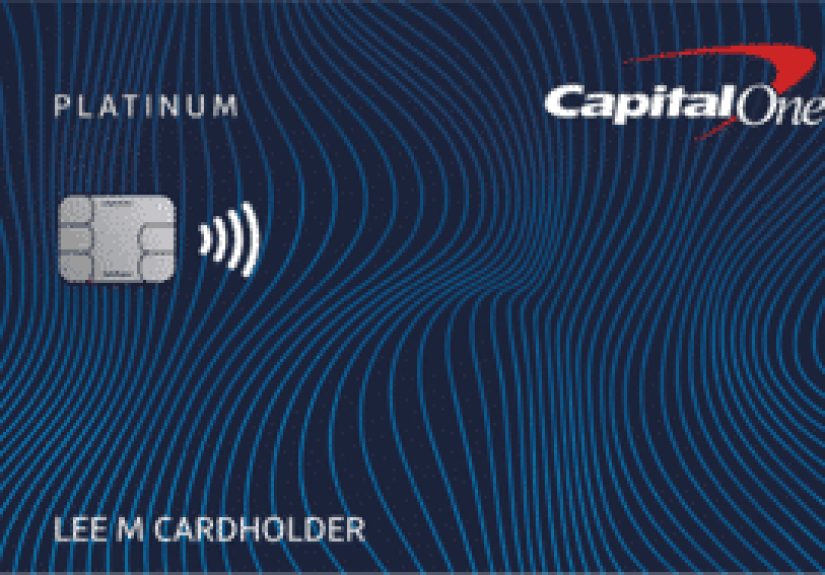
The Capital One Platinum Secured Mastercard is one of the more beginner-friendly secured cards for rebuilding credit.
Its headline perk isn’t flashy points or airport loungesit’s that some applicants can open the account with a deposit as low as $49
and still receive a $200 starting credit line. It also reports to all three major credit bureaus,
offers a potential credit line increase in as little as six months, and may eventually let you graduate to an unsecured card.
Translation: if you use it responsibly (read: treat it like a tool, not “free money”), it can help you rebuild credit without adding a pile of fees.
If you tend to carry balances or you’re hoping rewards will do the heavy lifting, you’ll want to look elsewhere.
What “Secured” Actually Means (and why it’s not a trap)
A secured credit card is a real credit card, but the issuer asks for a refundable security deposit as collateral.
That deposit helps determine your starting credit line and reduces the issuer’s risk. You still have to pay your monthly bill like any other credit card.
The deposit is not a magical bill-paying fund waiting in the shadows.
The big win: because it’s a real credit card, it can help you build credit when the card reports your payment behavior to the credit bureaus.
A prepaid card usually doesn’t report, so it won’t build your credit history.
Capital One Platinum Secured Mastercard: Key Features
1) Security Deposit and Starting Credit Line
Capital One’s Platinum Secured is best-known for its unusual deposit structure. Depending on your credit profile,
you may be approved with a $49, $99, or $200 minimum deposit and still receive an initial credit line of at least $200.
(Yes, that can mean your credit line is higher than your depositan uncommon perk among secured cards.)
If you want a higher starting limit, Capital One also allows you to deposit more than the minimum to raise your initial credit line,
up to a maximum (often cited as up to $1,000 for this product, depending on program terms and your approval details).
2) Credit Reporting: The “Rebuild” Engine
Credit rebuilding happens when your good habits get recorded. Capital One states that your card status is regularly reported to the three major credit bureaus.
That matters because payment history and balances/utilization are big pieces of most scoring models.
If you want the shortest path to “wow, my score moved,” focus on two things: pay on time and keep balances low.
Payment history is widely considered the most important factor in FICO-style scoring, while “amounts owed” (which includes utilization)
is also heavily weighted. You don’t need to carry a balance to build creditpaying in full is usually better for both your score and your wallet.
3) Potential Credit Limit Increases and “Graduation”
Capital One highlights a potential credit line increase review in as little as six months with responsible use.
The issuer also notes you may be able to earn back your deposit and upgrade to an unsecured Platinum card if you demonstrate responsible behavior.
If you don’t graduate, you can typically get your deposit back when you close the account in good standing and pay the balance in full.
This is the “exit ramp” that makes a secured card feel less like a training wheel and more like a real path forward.
4) Fees, Interest, and the “Don’t Feed the APR” Rule
Most credit-building cards come with a high variable APR. The Platinum Secured is designed for rebuilding credit, not financing a new living-room set.
Your best strategy: pay your statement balance in full each month.
If you carry a balance, interest can quickly erase any benefit. If you want credit improvement, you want consistency, not compounding interest.
5) Mastercard Network Perks and Everyday Acceptance
Because it’s a Mastercard, you’ll typically get broad acceptance in the U.S. and internationally, plus common network protections like fraud safeguards.
This isn’t the kind of card you open for luxury perks; it’s the kind you open because it works in the real worldgas, groceries, small subscriptions,
and the occasional emergency “my tire is flatter than my credit score used to be” moment.
6) “Will it Say Secured on the Card?”
No. Capital One says the Platinum Secured card won’t have the word “secured” printed on it.
Your wallet can remain blissfully drama-free.
Who This Card Is Best For
- You’re rebuilding credit after late payments, high utilization, or a rough patch.
- You’re new to credit and need a starter product that reports to major bureaus.
- You want a low-fee approach where your success depends on behavior, not gimmicks.
- You have limited cash for a deposit and hope to qualify for a lower minimum deposit.
Who Should Skip It (or at least think twice)
- You carry balances often. A high APR and a carried balance are a loud, expensive combo.
- You want rewards. The Platinum Secured is about building credit, not earning cash back.
- You need a large limit immediately. A secured card is not a shortcut to big credit lines.
- You’re trying to fix everything at once. If your credit report has errors or collections, address those toodon’t rely solely on one card.
How to Use This Card to Rebuild Credit (Without Overthinking It)
Step 1: Pick a Deposit That Helps, Not Hurts
If you’re approved with a $49 or $99 minimum deposit, greatjust remember the credit line might still start at $200.
If you can afford a larger deposit (and the program allows it for your approval), a larger limit can make utilization easier to manage.
Step 2: Keep Utilization Low (and yes, your $200 limit makes this annoying)
Many credit-education sources recommend keeping utilization under 30%, and top scores often correlate with even lower usage.
With a $200 limit, 30% is $60. Ten percent is $20.
If you’re thinking, “So I can buy… two burritos and a moderately priced candle?”you’re not wrong. That’s why the next step matters.
Step 3: Pay Early, Not Just On the Due Date
If your balance reports high when your statement closes, your utilization can look high even if you pay in full later.
A simple trick: pay once mid-cycle (or right after a bigger purchase) and then again after the statement posts.
Multiple payments can keep reported balances lower.
Step 4: Put One Small Bill on Autopilot
Choose something predictablestreaming, a small phone add-on, a parking passand set autopay for at least the minimum.
Then manually pay the rest to bring the balance to $0 (or near $0) before the due date.
This builds a clean payment history without inviting chaos.
Step 5: Don’t “Test” Your Limit
Maxing out a small limit and paying it off later is like sprinting on a treadmill and expecting your doctor to applaud your blood pressure.
If you need to use more of the limit, consider paying it down immediately after the purchase posts.
Step 6: Monitor Your Credit Reports and Progress
Rebuilding credit isn’t only about new positive behavior; it’s also about making sure your reports are accurate.
Check for errors, dispute what’s wrong, and track whether the card is reporting as expected.
(Capital One also promotes tools like CreditWise for monitoring.)
Two Specific Examples (Because “Be Responsible” Is Not a Plan)
Example A: You’re approved with a $49 deposit and a $200 limit
You use the card for a $15 subscription and a $20 gas fill-up each month. Total spending: $35.
You pay $20 mid-month, then pay the remaining $15 right after the statement posts (or before the due date).
Your reported balance stays modest, your utilization is low, and your payment history stays spotless.
Example B: You deposit $200, then add more to start higher (if allowed)
Suppose you can deposit above the minimum before activation to increase your starting credit line.
That can give you more breathing room so everyday spending doesn’t push utilization into the danger zone.
You still keep habits tight: small recurring purchases, early payments, and full payoff.
Platinum Secured vs. Quicksilver Secured (Same family, different personality)
Capital One also offers the Quicksilver Secured, which requires a $200 minimum deposit and is positioned as a secured card
that can earn rewards (typically cash back) while you build credit.
If your main goal is credit rebuilding with the lowest possible deposit, Platinum Secured is often the one people consider first.
If you prefer to earn rewards while rebuilding and you’re fine with a $200 deposit, Quicksilver Secured may be worth comparing.
Common Questions (and the answers your future self will thank you for)
Do I need to carry a balance to build credit?
No. You can build credit by using the card and paying on time. Carrying a balance can cost you interest and isn’t required for a good score.
What happens if I don’t fund the deposit right away?
Capital One allows funding within a set window after approval. If you don’t complete the required deposit in time, the account won’t open
(and partial deposits are typically returned). Read your approval instructions carefully.
Is a secured card better than a credit-builder loan?
They can both help. A secured card trains you on revolving credit (utilization + payments).
A credit-builder loan trains you on installment payments.
The “better” option depends on what’s missing in your credit profile and what you can manage consistently.
Pros and Cons (No fluff, no fairy dust)
Pros
- Potentially low minimum deposit ($49/$99 for some applicants) with a $200+ starting line
- Reports to all three major credit bureaus
- Possible credit line increase review in as little as six months
- Path to deposit refund and potential upgrade to an unsecured card
- Looks like a normal card (no “SECURED!” label screaming from your wallet)
Cons
- Likely high APR if you carry a balance
- No rewards (this is a credit gym membership, not a free buffet)
- Small limits can make utilization management tricky if you don’t pay early/often
- Approval and deposit tiers vary by applicant
Bottom Line
If you want a straightforward, reputable way to rebuild credit, the Capital One Platinum Secured Mastercard does what it promises:
it gives you a real credit line, reports to the major bureaus, and rewards consistent responsible behavior with the possibility of higher limits
and a path to getting your deposit back. It’s not glamorous, but neither is flossingand both are weirdly powerful when you actually do them.
Use it for small purchases, pay early, pay on time, keep utilization low, and let time do its boring-but-effective magic.
Real-World Experiences (500-ish Words of “What It’s Actually Like”)
Here’s the part most reviews skip: day-to-day life with a secured card is less “financial transformation montage” and more “quiet habits, repeated.”
The first experience most people notice is psychological. When you make a depositespecially if cash is tightyou suddenly care a lot more about
not messing up. It’s your money sitting there as collateral, like a tiny accountability coach that doesn’t talk but absolutely judges.
Then comes the rhythm. Many cardholders end up using the Platinum Secured as a “one-bill card.” Put Netflix (or your preferred subscription),
maybe a small recurring bill, and stop there. Why? Because a $200 limit is both helpful and hilariously easy to overuse. You buy groceries once,
you’re at 60% utilization, and your credit score is like, “Bold choice.” The people who get the best results learn to make the card boring:
one or two predictable charges, then pay it down quickly.
Another common experience is learning the difference between the due date and the statement date the hard way.
Someone pays in full every month… and still sees a high balance reported because the statement closed before they paid.
So they start paying twice: once mid-cycle, once after the statement generates. It feels extra at first, but it’s surprisingly empowering.
You stop reacting to the bill and start controlling it.
There’s also the “graduation day” anticipation. People hear “you could be considered for a higher limit in as little as six months”
and start counting days like it’s a vacation. The healthy mindset is to treat that review as a bonus, not a guarantee.
Some users get increases; others don’t right away. The consistent winners are the ones who behave the same either way:
low balances, clean payments, no drama.
Customer-service experiences tend to be… normal, which is underrated. You want your secured card to be stable,
not a surprise-themed adventure. You also learn quickly that secured cards don’t exist to “save” you from spending.
If you overspend, you still owe the money. The deposit is collateral, not a monthly coupon.
The most encouraging real-world pattern is this: after a few months of predictable usage and on-time payments,
many people report feeling less anxious about credit. Not because the score is instantly perfect, but because the process becomes clear.
It’s not mysterious. It’s habits. And the Platinum Secured is built to reward those habitsquietly, steadily, and without requiring you
to memorize a rewards chart that looks like it was designed by a committee of math professors.