Table of Contents >> Show >> Hide
- What Is Rheumatic Fever, and Why Does Pregnancy Make It More Complicated?
- Common Symptoms to Watch for During Pregnancy
- Complications of Rheumatic Fever in Pregnancy
- How Doctors Diagnose Rheumatic Fever in Pregnancy
- Treatment of Rheumatic Fever in Pregnancy
- Prevention: The Best Treatment Is the One You Never Need
- When to Seek Urgent Medical Care
- Real Experiences Patients Commonly Describe
- Conclusion
- SEO Tags
Pregnancy already asks the heart to work like it picked up a surprise second shift. Blood volume rises, the pulse runs a little faster, and the cardiovascular system gets no memo that it is allowed to take weekends off. Add rheumatic fever or the long shadow it can leave behind, and that extra workload can turn a manageable condition into a serious one.
Here is the twist many readers miss: true acute rheumatic fever in pregnancy is not the most common scenario in the United States. More often, doctors are caring for someone who had rheumatic fever years earlier and is now living with rheumatic heart disease, especially damage to the mitral valve. Pregnancy does not create rheumatic fever out of thin air, but it can expose old valve damage that was quiet before conception. In other words, the heart may have been getting by just fine until pregnancy turned up the volume.
This article explains what rheumatic fever is, how it affects pregnancy, which complications deserve real concern, and how treatment is usually approached when both mother and baby need protection at the same time.
What Is Rheumatic Fever, and Why Does Pregnancy Make It More Complicated?
Rheumatic fever is an inflammatory illness that can develop after an untreated or undertreated group A strep infection, usually strep throat. It is not the same thing as a routine sore throat, and it is not simply “a fever with body aches.” Instead, it is an immune reaction that can affect the joints, skin, brain, and most importantly, the heart. When the heart becomes involved, the valves can become inflamed, scarred, narrowed, or leaky. Over time, that damage is called rheumatic heart disease.
That distinction matters in pregnancy. A pregnant patient may be dealing with:
- Acute rheumatic fever, which is the active inflammatory condition after a recent strep infection.
- Previous rheumatic fever with no major heart damage, which still warrants careful follow-up.
- Rheumatic heart disease, where old valve injury creates the larger pregnancy risk.
The most concerning valve problem is often mitral stenosis, a narrowing of the mitral valve that makes it harder for blood to move forward through the heart. During pregnancy, the body pumps much more blood, so a narrowed valve may suddenly behave like a traffic bottleneck during rush hour. That is when shortness of breath, fluid buildup, palpitations, and even heart failure can show up.
Common Symptoms to Watch for During Pregnancy
One reason rheumatic fever in pregnancy can be tricky is that normal pregnancy symptoms can look suspiciously similar to heart symptoms. Fatigue? Very common in pregnancy. Mild shortness of breath? Also common. Swollen feet? Not exactly rare. The challenge is figuring out when ordinary pregnancy discomfort starts crossing into cardiac warning territory.
Symptoms that should never be shrugged off include:
- Shortness of breath that is sudden, worsening, or present at rest
- Difficulty breathing when lying flat
- Chest pain or chest pressure
- Rapid heartbeat, skipped beats, or pounding palpitations
- Fainting or near-fainting
- Persistent swelling in the legs, hands, or abdomen
- Coughing up blood
- Fever with joint pain after a recent sore throat
In acute rheumatic fever, symptoms may also include painful migrating joints, fever, fatigue, rash, small nodules under the skin, or unusual involuntary movements known as chorea. In patients with valve damage from past rheumatic fever, the symptoms are more often cardiac: reduced exercise tolerance, worsening breathlessness, heart rhythm problems, or signs of fluid overload.
Complications of Rheumatic Fever in Pregnancy
When people search for complications and treatment of rheumatic fever in pregnancy, they are usually asking a bigger question: “What exactly can go wrong?” Fair question. Medicine is easier to handle when it stops speaking in mysterious hints.
Maternal Complications
The biggest maternal risks usually come from heart involvement, especially rheumatic valve disease. Potential complications include:
- Heart failure: If a damaged valve cannot handle the higher blood volume of pregnancy, fluid may back up into the lungs and cause severe breathlessness.
- Arrhythmias: Atrial fibrillation and other rhythm problems may develop, particularly with mitral stenosis.
- Pulmonary hypertension: Pressure can rise in the lung circulation, which makes pregnancy much riskier.
- Blood clots and stroke: Stagnant blood flow and atrial fibrillation raise clot risk.
- Endocarditis: Damaged valves are more vulnerable to infection.
- Need for hospitalization or urgent cardiac intervention: Severe symptoms may require advanced monitoring, valve procedures, or changes to delivery planning.
Mitral stenosis is especially important because it often worsens as pregnancy progresses, particularly in the late second and third trimesters when cardiac workload peaks. A patient who seemed comfortable early in pregnancy may become symptomatic at 28 to 30 weeks, which is rude, inconvenient, and unfortunately very typical for heart disease in pregnancy.
Fetal and Newborn Complications
If the mother’s circulation is compromised, the fetus can feel the effects too. Potential fetal complications include:
- Reduced placental blood flow
- Fetal growth restriction
- Preterm birth
- Low birth weight
- Higher risk of fetal distress if maternal heart function suddenly worsens
It is important to be precise here: rheumatic fever itself is not known for directly infecting the fetus. The main danger comes from how maternal illness, inflammation, hypoxia, and poor cardiac performance can affect pregnancy outcomes.
How Doctors Diagnose Rheumatic Fever in Pregnancy
There is no single magic test that pops up with a neon sign saying, “Yep, definitely rheumatic fever.” Diagnosis is clinical and depends on symptoms, exam findings, medical history, evidence of a recent strep infection, and heart evaluation.
A typical workup may include:
- Detailed history: prior strep throat, scarlet fever, rheumatic fever, valve disease, or childhood heart murmur
- Physical exam: listening for murmurs, signs of fluid overload, abnormal rhythm, or inflammatory findings
- Blood tests: inflammatory markers and evidence of recent strep exposure
- Electrocardiogram: to assess rhythm and conduction issues
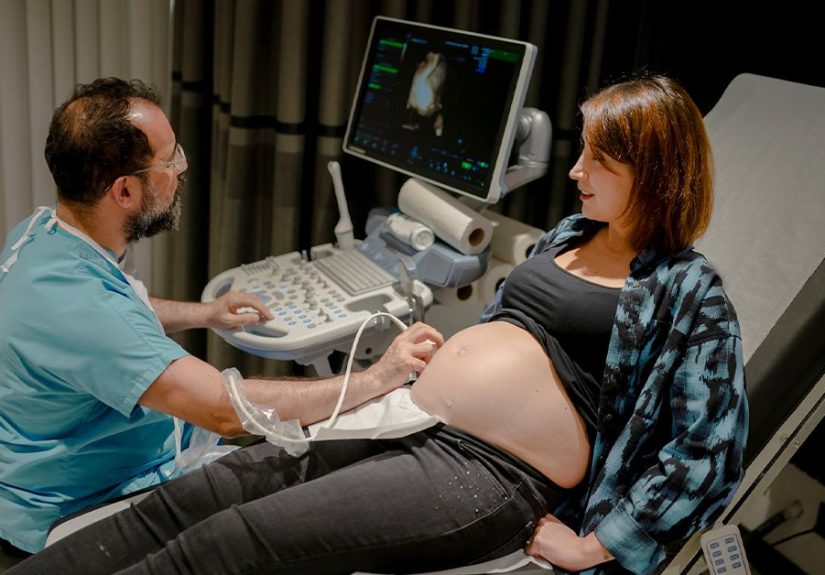
- Echocardiogram: the key imaging test to evaluate valve structure and heart function during pregnancy
- Throat testing: when active strep infection is suspected
For acute rheumatic fever, clinicians use the Jones criteria, which combine major and minor clinical findings plus proof of a preceding group A strep infection. In pregnancy, the echo becomes especially valuable because it helps separate common pregnancy complaints from true valve dysfunction. That matters because “I’m just a little winded” and “my heart is losing the plot” can sound surprisingly similar at first.
Treatment of Rheumatic Fever in Pregnancy
Treatment for rheumatic fever in pregnancy depends on whether the main issue is active inflammation, old rheumatic heart damage, or both. The safest plan usually involves a team approach with obstetrics, maternal-fetal medicine, cardiology, and sometimes anesthesia and cardiac surgery.
1. Antibiotics to Eliminate Strep and Prevent Recurrence
If a recent or persistent group A strep infection is suspected, treatment starts with antibiotics. Penicillin remains the standard option in many cases. This is important because antibiotics treat the underlying strep and help prevent further immune-triggered damage.
Patients with a history of rheumatic fever may also need secondary prophylaxis, meaning ongoing antibiotics to prevent recurrence. That can involve regular benzathine penicillin injections or oral penicillin, depending on the individual case and allergy history.
During pregnancy, medication choices always deserve extra caution, but penicillin-based treatment is commonly used when indicated. Patients with a reported penicillin allergy may need alternative antibiotics or formal allergy evaluation, especially when penicillin is the best therapy.
2. Anti-Inflammatory Treatment Requires Extra Care
In nonpregnant patients, acute rheumatic fever is often treated with salicylates or other anti-inflammatory medication to reduce fever, pain, and inflammation. Pregnancy complicates that decision.
This is the part where self-medicating becomes a terrible hobby. High-dose aspirin or other NSAIDs are not something a pregnant patient should start on her own. After about 20 weeks of pregnancy, routine NSAID use can create fetal risks, including low amniotic fluid and kidney-related problems in the baby. Near late pregnancy, some of these medications may also affect the fetal circulation.
That does not mean all aspirin is forbidden forever. Low-dose aspirin, such as 81 mg daily, is used in obstetrics for specific indications like preeclampsia prevention. But low-dose obstetric aspirin is very different from high-dose anti-inflammatory therapy used for rheumatic inflammation. The dose, goal, timing, and risk profile are not interchangeable. Translation: one baby aspirin plan prescribed by a clinician is not a free pass to improvise your own anti-inflammatory adventure.
3. Managing Rheumatic Heart Disease During Pregnancy
If the patient has valve damage from prior rheumatic fever, treatment shifts toward protecting heart function and reducing maternal-fetal risk. Depending on the valve lesion and symptoms, management may include:
- Frequent prenatal and cardiac follow-up
- Activity modification when symptoms worsen
- Diuretics to reduce fluid overload
- Rate-control medication for fast heart rhythms
- Anticoagulation when clot risk is high, such as atrial fibrillation or certain prosthetic valves
- Careful monitoring of blood pressure, oxygenation, and weight changes
Severe disease may require a catheter-based procedure, such as balloon valvuloplasty, or in rare cases valve repair or replacement. Those decisions are never casual. They depend on gestational age, symptom severity, fetal status, and whether the mother is stable enough to continue pregnancy safely without intervention.
4. Delivery Planning Matters More Than People Realize
A stable patient with controlled symptoms can often have a vaginal delivery with close monitoring, good pain management, and careful fluid balance. The goal is to avoid major swings in heart rate and blood pressure. Cesarean delivery is usually reserved for standard obstetric reasons or for unusual cardiac situations where the care team believes surgery is safer.
Delivery should ideally happen in a center that can handle high-risk maternal cardiac care if the disease is moderate to severe. Planning ahead matters because labor is not just a baby event. It is also a cardiac stress test with contractions.
5. Postpartum Care Is Not an Afterthought
The risk does not disappear the minute the baby arrives and everyone starts congratulating each other. In fact, the immediate postpartum period can be dangerous because fluid shifts after delivery can strain the heart. Patients with rheumatic valve disease may need continued monitoring for days to weeks after birth, especially if they had symptoms late in pregnancy.
Prevention: The Best Treatment Is the One You Never Need
Prevention remains a major part of the story. Prompt treatment of strep throat reduces the chance that acute rheumatic fever will develop in the first place. For patients with a prior history of rheumatic fever, staying on prescribed prophylactic antibiotics can help prevent recurrent attacks and additional valve damage.
Practical prevention steps include:
- Getting a sore throat checked when symptoms suggest strep
- Taking the full antibiotic course exactly as prescribed
- Keeping cardiology appointments before and during pregnancy
- Discussing pregnancy plans before conception if valve disease is already known
- Reporting new shortness of breath, palpitations, swelling, or chest symptoms right away
When to Seek Urgent Medical Care
Call your obstetric or emergency team immediately if you are pregnant and have any of the following:
- Sudden trouble breathing
- Blue lips, severe chest pain, or fainting
- Rapid, sustained palpitations
- Coughing up blood
- Swelling that worsens quickly
- Fever plus recent strep infection and joint pain
- Any major drop in your ability to walk, speak, or breathe normally
With rheumatic fever and pregnancy, it is always better to be told “this is nothing dangerous” than to wait too long and discover it was definitely something dangerous.
Real Experiences Patients Commonly Describe
The experiences below are composite examples based on common clinical patterns, not profiles of one identifiable person.
One common experience is the patient who thought she was simply “having a rough pregnancy.” She notices that walking upstairs leaves her unusually winded. At first, she blames the baby, the weather, the laundry basket, and possibly the staircase itself. But by the third trimester, she cannot lie flat comfortably and starts waking up short of breath. An echocardiogram finally shows significant mitral stenosis linked to old rheumatic valve damage she barely remembered from childhood. What stands out in stories like this is not drama for drama’s sake. It is how easily serious heart symptoms can hide behind normal pregnancy expectations.
Another pattern involves the patient who had known rheumatic heart disease before pregnancy and did everything right. She saw cardiology before conception, adjusted medications, met with maternal-fetal medicine, and had a delivery plan long before the baby picked a name for itself through vigorous kicking. Her experience is often more reassuring: lots of appointments, yes, but also a sense of control. She learns what symptoms matter, when to rest, how to track swelling, and why her team cares so much about fluid balance. Many patients in this situation describe the value of coordinated care. It lowers panic because every specialist is reading from the same playbook.
There are also patients diagnosed after an episode of acute illness during pregnancy. A sore throat seems minor, then fever and joint pain follow, and later a murmur or abnormal heart rhythm brings everything into sharper focus. The emotional reaction can be intense. Patients often describe guilt, even when they did not knowingly ignore anything serious. That is an important point worth repeating: rheumatic fever is not a personal failure. It is a medical condition, and shame is not a treatment plan.
The postpartum stories can be just as revealing. Some patients expect instant relief after delivery and are surprised when their doctors keep watching them so closely. They may feel better emotionally because the baby is here, but the body is still shifting fluid, hormone levels, and circulation in ways that matter to a stressed heart. Patients who understand this ahead of time tend to cope better. They are less likely to dismiss new breathlessness as “just recovery” and more likely to call for help early.
Emotionally, many women describe two parallel fears: fear for their own health and fear that every decision might affect the baby. The most helpful experiences usually involve teams that explain things in plain language. Instead of vague warnings, patients hear specific steps: here is why your echo matters, here is why we are changing this medicine, here is what symptom means call now, and here is why a vaginal delivery may still be the safer plan. Clarity reduces panic. Good communication does not erase risk, but it makes risk feel navigable.
Perhaps the biggest takeaway from patient experiences is that outcomes often improve when symptoms are taken seriously early. A lot of people wait because they do not want to “overreact.” In pregnancy complicated by rheumatic fever or rheumatic heart disease, early evaluation is not overreacting. It is smart, efficient, and usually much less dramatic than waiting for the heart to file a formal complaint.
Conclusion
Rheumatic fever in pregnancy is a high-stakes condition mainly because of what it can do to the heart. Acute rheumatic fever itself needs prompt recognition, but the bigger long-term issue is often rheumatic heart disease, especially mitral valve damage that becomes harder to tolerate once pregnancy increases blood volume and cardiac demand. The major risks include heart failure, arrhythmias, stroke, pulmonary hypertension, and poor pregnancy outcomes when maternal circulation is compromised.
The good news is that treatment of rheumatic fever in pregnancy is not guesswork. Antibiotics, echocardiography, specialist follow-up, tailored heart medications, delivery planning, and postpartum monitoring can significantly improve outcomes. The earlier symptoms are recognized, the better the odds of keeping both mother and baby safer. When the heart starts sending warning signals, pregnancy is not the time to hit snooze.