Table of Contents >> Show >> Hide
- Why These Two Conditions Get Mixed Up
- Psoriasis vs. Lichen Planus at a Glance
- What Psoriasis Usually Looks and Feels Like
- What Lichen Planus Usually Looks and Feels Like
- Main Differences That Help Doctors Tell Them Apart
- How Diagnosis Works
- Treatment: Where the Paths Split
- Can You Have Both?
- When to Call a Doctor
- Living With Either Condition Without Losing Your Mind
- Bottom Line
- Real-World Experiences: What People Often Notice First
- SEO Tags
If your skin has decided to become the main character of your week, you are not alone. Two conditions that often confuse people are psoriasis and lichen planus. Both can cause itchy, inflamed, attention-grabbing patches or bumps. Both can flare. Both can make you stand in bad bathroom lighting and whisper, “Okay, rude.”
But despite some overlap, these conditions are not the same thing. They tend to look different, show up in different places, follow different patterns, and respond to different treatment plans. Knowing those differences matters because the best treatment for psoriasis is not always the best treatment for lichen planus, and vice versa.
Here is the plain-English breakdown: psoriasis usually creates thicker, scaly plaques and is more likely to involve the elbows, knees, scalp, nails, and sometimes joints. Lichen planus often causes smaller, flat-topped, purple or violaceous bumps and is more likely to affect the mouth, wrists, ankles, scalp, nails, or genitals. That is the quick version. Now let’s do the actually-helpful version.
Why These Two Conditions Get Mixed Up
At first glance, psoriasis and lichen planus can both look like “some kind of rash with attitude.” Each can be itchy. Each involves inflammation. Each may come and go in waves. Each can worsen after skin irritation or injury. And each can affect more than just the skin, which is why self-diagnosing from one blurry phone photo is not exactly a winning strategy.
Still, dermatologists separate them by looking closely at the shape, texture, location, symptoms, and pattern of the lesions. Sometimes the difference is obvious. Other times a biopsy is needed to settle the debate once and for all.
Psoriasis vs. Lichen Planus at a Glance
| Feature | Psoriasis | Lichen Planus |
|---|---|---|
| Typical appearance | Thick, raised plaques with noticeable scale | Small, flat-topped, shiny bumps that may look purple or deep red |
| Texture | Dry, rough, scaly | Smoother bumps, sometimes with fine scale |
| Common locations | Scalp, elbows, knees, trunk, lower back, nails | Wrists, ankles, lower legs, lower back, mouth, genitals, scalp, nails |
| Mouth involvement | Uncommon | Common, especially as lacy white patches or painful sores |
| Nail changes | Pitting, thickening, lifting, discoloration | Ridging, thinning, splitting, nail damage or loss |
| Scalp effects | Common and often flaky | Possible; scalp involvement can lead to hair loss |
| Joint involvement | Possible with psoriatic arthritis | Not a classic feature |
| How long it lasts | Usually chronic and relapsing | Skin disease may clear over time; mouth disease can linger or recur |
What Psoriasis Usually Looks and Feels Like
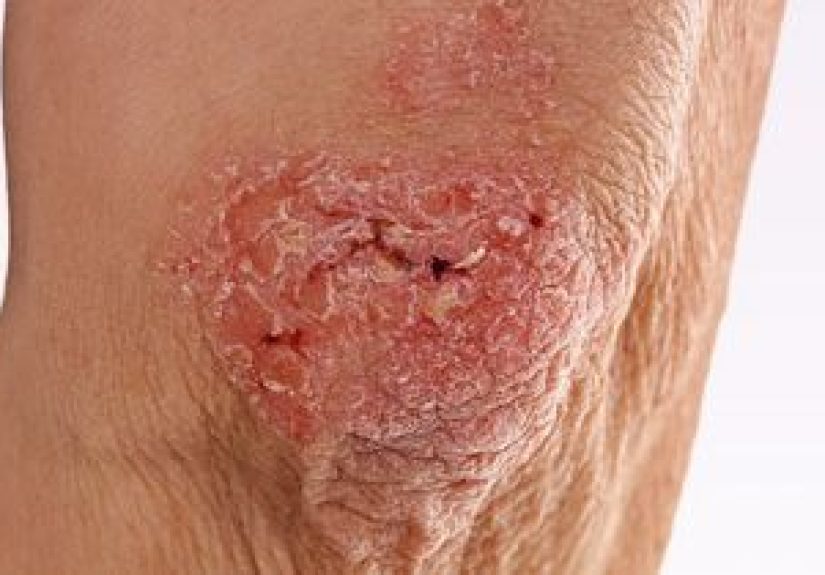
Psoriasis is a chronic inflammatory skin condition driven by an overactive immune response. The result is skin cells turning over too quickly. Instead of shedding on schedule, they pile up. That buildup creates the classic thick plaques with silvery scale.
Classic Signs of Psoriasis
- Raised, well-defined patches
- Silvery, flaky scale on top
- Itching, soreness, burning, or cracking
- Common spots on the elbows, knees, scalp, and trunk
- Nail changes such as pitting, thickening, or lifting
There is more than one type of psoriasis, which is partly why it can confuse people. Plaque psoriasis is the usual suspect, but there are also guttate, inverse, pustular, and erythrodermic forms. Scalp psoriasis can look like stubborn dandruff that did not get the memo. Inverse psoriasis can show up in skin folds and may look red and shiny instead of thick and flaky. Nail psoriasis can make nails look pitted, crumbly, thick, or partly detached.
Psoriasis Is Not Just a Skin Story
This is where psoriasis gets extra important. Some people with psoriasis also develop psoriatic arthritis, which can cause joint pain, swelling, stiffness, and fatigue. If skin symptoms come with sore fingers, swollen toes, heel pain, or morning stiffness, that deserves attention sooner rather than later.
Psoriasis also tends to be a long-haul condition. It may improve, flare, calm down, and then return like a sequel nobody asked for. Stress, infections, certain medications, skin injury, smoking, and alcohol can all play a role in flare-ups for some people.
What Lichen Planus Usually Looks and Feels Like
Lichen planus is also an inflammatory condition, but it behaves differently. The cause is often unclear. Experts think the immune system is involved, and in some cases lichen planus has been linked with certain medications, hepatitis C, dental materials, or other triggers.
Classic Signs of Lichen Planus
- Small, flat-topped, shiny bumps
- Purple, violet, red-purple, or dark lesions depending on skin tone
- Intense itching in many cases
- Common sites include wrists, ankles, lower legs, and lower back
- Fine white lines on the lesions, sometimes called Wickham striae
Lichen planus has a habit of showing up where psoriasis often does not. Oral lichen planus may appear as lacy white patches, tender red areas, or painful sores inside the cheeks, on the gums, or on the tongue. Genital lichen planus can be painful and easily mistaken for other disorders. Lichen planopilaris, a form that affects the scalp, can damage hair follicles and lead to scarring hair loss. Nail involvement may cause thinning, ridging, splitting, or even nail loss.
Unlike psoriasis, lichen planus on the skin may eventually go away on its own over months or years. But “may” is doing a lot of work there. Some people improve quickly, while others deal with a stubborn, recurring version. Oral lichen planus in particular can be chronic and frustrating.
Main Differences That Help Doctors Tell Them Apart
1. Scale vs. Smooth Bumps
Psoriasis tends to be more thick and scaly. Lichen planus tends to be more flat-topped and shiny. If psoriasis is the flaky one at the party, lichen planus is the polished one with a bad temper.
2. Mouth Involvement
This is one of the biggest clues. Lichen planus commonly affects the inside of the mouth. Psoriasis usually does not. If someone has white lacy mouth patches or painful oral sores along with a suspicious rash, lichen planus rises on the list.
3. Joints
Psoriasis can come with psoriatic arthritis. Lichen planus is not known for causing the same joint disease pattern. A rash plus swollen, stiff joints points doctors more toward psoriasis.
4. Favorite Body Spots
Psoriasis loves the scalp, elbows, knees, and nails. Lichen planus often favors the wrists, ankles, mouth, genitals, and sometimes scalp.
5. Course Over Time
Psoriasis usually behaves like a chronic relapsing condition. Lichen planus on the skin may resolve after a period of time, though oral and genital disease can be more persistent.
6. Appearance Under the Microscope
When a dermatologist takes a biopsy, psoriasis and lichen planus have different microscopic patterns. That can be the tie-breaker when the skin exam alone is not enough.
How Diagnosis Works
A dermatologist will usually start with a close skin exam and a few smart questions: Where did it start? Does it itch? Does it hurt? Any nail changes? Any mouth sores? Any joint pain? Any new medications? Any recent infection? Any family history of psoriasis?
Depending on the case, diagnosis may involve:
- A physical exam of the skin, nails, scalp, mouth, and sometimes genitals
- A biopsy if the rash is not classic
- Questions about medication triggers
- Evaluation for joint symptoms if psoriasis is suspected
- Occasional testing for related issues, such as hepatitis C in some lichen planus cases
This is exactly why guessing can go sideways. A thick patch on your elbow might be psoriasis, but a purple itchy patch on your wrist might be lichen planus. A sore in your mouth might be oral lichen planus, but it could also be something entirely different. Skin is complicated. Dermatologists exist for a reason.
Treatment: Where the Paths Split
Psoriasis Treatment
Psoriasis treatment depends on severity, body area, and whether joints are involved. Mild psoriasis may improve with topical treatment alone. More widespread disease may need light therapy or systemic medication.
- Topicals: corticosteroids, vitamin D analogs, retinoids, salicylic acid, and other prescription creams or ointments
- Phototherapy: controlled ultraviolet light treatment
- Systemic treatment: oral or injectable medications for moderate to severe disease
- Biologics: targeted immune therapies for more serious cases
Moisturizers matter, trigger management matters, and sticking with the treatment plan matters even more. Psoriasis loves to improve just enough to tempt people into quitting early.
Lichen Planus Treatment
Lichen planus treatment depends heavily on where it appears and how severe it is. Some skin cases may improve without aggressive treatment. Others absolutely do not play nice and need medication.
- Topical corticosteroids: often first-line for itchy skin lesions
- Calcineurin inhibitors: sometimes used for oral or genital disease
- Antihistamines: may help with itching
- Oral corticosteroids or other immune-calming medicines: for tougher cases
- Specialized care: especially for scalp, nail, mouth, or genital involvement
Oral lichen planus may need long-term follow-up, especially if it is erosive or painful. That is not meant to scare anyone, but it is a good reason not to shrug off mouth sores that keep returning or never fully settle down.
Can You Have Both?
It is not the usual scenario, but yes, a person can have more than one inflammatory skin condition over a lifetime. More commonly, one condition is mistaken for the other until a specialist takes a closer look. That is why “I tried a random cream and it sort of helped” is not proof of anything. Many rashes briefly improve when you throw a steroid at them. That does not make them identical.
When to Call a Doctor
Book an appointment if you have:
- A rash that lasts more than a couple of weeks
- Itching that keeps you awake or causes scratching until you bleed
- Scalp symptoms with noticeable hair loss
- Nail damage that is spreading
- Painful mouth or genital sores
- Joint pain, swelling, or stiffness along with a rash
- Symptoms that are getting worse instead of better
And please do not let embarrassment delay care. Dermatologists have seen it all. They are not judging your elbows, your scalp, or your extremely dramatic left thumbnail.
Living With Either Condition Without Losing Your Mind
Whether the diagnosis is psoriasis or lichen planus, daily habits can make a real difference. Gentle skin care, fragrance-free products, regular moisturizing, and avoiding unnecessary scratching can help reduce irritation. Stress management is also not fluff here. Many people notice their skin behaves worse when life gets chaotic.
For psoriasis, consistency is king. For lichen planus, avoiding irritation is especially important, particularly in delicate areas like the mouth or genitals. If your symptoms are in the mouth, keep up with dental care and regular checkups. If your symptoms are on the scalp or nails, get treatment early because those areas can be stubborn and, in some cases, harder to reverse once damage sets in.
Bottom Line
Psoriasis and lichen planus may both cause inflamed, itchy skin, but they are different conditions with different calling cards. Psoriasis usually creates thick, scaly plaques and may involve the scalp, nails, and joints. Lichen planus usually creates flat-topped purple bumps and is more likely to affect the mouth, wrists, ankles, scalp, nails, or genitals.
If the rash is mysterious, persistent, painful, or spreading, do not rely on internet guesswork alone. A proper diagnosis can save time, reduce flares, and get you to treatment that actually fits the condition instead of merely annoying it.
Real-World Experiences: What People Often Notice First
One reason people confuse psoriasis and lichen planus is that the first symptom is often not especially dramatic. It may start with “a dry patch that won’t quit” or “a few itchy bumps that showed up out of nowhere.” Someone with psoriasis may notice a stubborn flaky area along the hairline and assume it is dandruff with a stronger personality. Weeks later, they realize the scalp itch is not random, the flakes are thicker than usual, and now there is a patch near the elbow joining the party. Another person may first spot tiny purple bumps on the wrists or ankles, feel intense itching, and assume it is an allergic reaction, a soap issue, or maybe the universe simply woke up and chose irritation.
People with psoriasis often describe the frustration of recurrence. The rash improves, then stress hits, winter arrives, or an illness rolls through, and suddenly the plaques are back like they pay rent. Many say the visible scale bothers them almost as much as the itching. It gets on dark clothes, shows up in the car seat, and creates that constant low-level self-consciousness that outsiders do not always understand. Nail psoriasis can be especially annoying because it may look like a fungal infection at first, and people spend months trying over-the-counter products before learning the nails are involved because of psoriasis, not because of bad luck at the gym locker room.
Lichen planus experiences are often different in tone but just as disruptive. A person may develop intensely itchy flat bumps on the wrists and think they were bitten by something. Another may never have much skin itching at all but notices a burning sensation in the mouth when eating spicy food, acidic fruit, or even a surprisingly rude tortilla chip. Oral lichen planus can be sneaky like that. Some people only discover it during a dental exam because those white lacy patches do not always hurt at first. Others notice soreness, tenderness, or ulcers that make ordinary meals feel far more dramatic than they should.
Scalp involvement can be emotionally hard in either condition, but especially with lichen planopilaris because hair loss raises the stakes fast. People often describe panic when they realize this is not just itch or flaking; it is shedding, thinning, and the fear that the hair may not fully come back. That emotional side matters. Skin disease is not superficial just because it is visible on the outside. It affects confidence, sleep, clothing choices, social life, work focus, and sometimes intimacy.
A common shared experience is misdiagnosis at the self-care stage. People often try dandruff shampoo, athlete’s foot cream, eczema lotion, “clean beauty” experiments, elimination diets, and every internet trick recommended by a cousin, a forum, or an algorithm that should frankly mind its business. Sometimes those efforts help a little. Often they just delay the right diagnosis. What many patients say feels best is finally getting a clear explanation: what the condition is, whether it tends to recur, what treatment actually targets it, and what warning signs mean it is time to come back.
That clarity matters. Once people know whether they are dealing with psoriasis or lichen planus, the rash stops being a mystery and starts becoming a management problem. And while management is not always easy, it is a lot better than guessing.
Note: This article is for educational purposes only and should not replace medical advice, diagnosis, or treatment from a licensed clinician.