Table of Contents >> Show >> Hide
- What Is a Psoriasis Rash?
- Psoriasis Rash Pictures (Described): A “What Am I Looking At?” Guide
- Causes of Psoriasis: Why Does This Happen?
- Symptoms: More Than “Just a Rash”
- How Psoriasis Is Diagnosed
- Treatment Options for Psoriasis Rash
- Self-Care and Lifestyle: What Helps Between Appointments
- When to See a Doctor (and When to Seek Urgent Care)
- FAQ: Quick Answers People Actually Want
- Conclusion: Calmer Skin Is a Strategy, Not a Miracle
- Real-Life Experiences With Psoriasis Rash (What People Commonly Report)
Psoriasis can show up like an uninvited houseguest: loud, persistent, and totally convinced it belongs on your elbows.
If you’re staring at a scaly rash and wondering, “Is this eczema? An allergy? A mysterious curse from switching laundry detergent?”
you’re not alone. Psoriasis is common, chronic, and (thankfully) not contagious, but it can be confusing, uncomfortable,
and surprisingly disruptive to everyday life.
This guide breaks down what a psoriasis rash typically looks like (including a “picture guide” in words),
what causes it, the symptoms that matter most, and the treatments that can help calm flare-ups and protect your skin.
It’s educationalnot a substitute for a clinician’s diagnosisbecause your skin deserves more than a guess and a prayer.
What Is a Psoriasis Rash?
Psoriasis is a long-lasting condition in which the immune system becomes overactive and speeds up skin cell growth.
Instead of skin cells forming and shedding in a steady, quiet rhythm, they build up fastleading to thickened patches
(often called plaques), scaling, and inflammation.
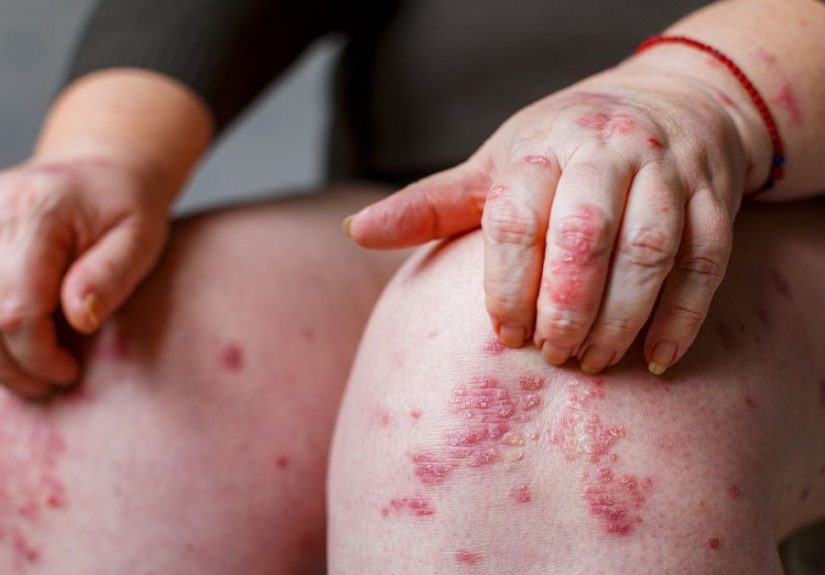
The classic psoriasis rash is an itchy, thick, raised patch of skin with a dry, silvery-white scale on top.
But “classic” is just one outfit psoriasis wearsthere are multiple types, and they can look different depending on
where they show up and how your skin responds.
One reassuring fact worth repeating: psoriasis isn’t contagious. You can’t “catch” it from someone else,
and you can’t pass it along by touch.
Psoriasis Rash Pictures (Described): A “What Am I Looking At?” Guide
Many people search “psoriasis rash pictures” because the visuals can be oddly specificlike your skin is trying to
communicate using a language made entirely of scales. Below is a practical picture guide in words, so you know what
features to watch for when comparing your rash to clinician-reviewed images.
Plaque Psoriasis (Most Common)
- Looks like: thick, raised patches (plaques) with visible scaling; often itchy and sometimes painful or burning.
- Common spots: scalp, elbows, knees, lower backthough plaques can appear anywhere.
- Picture vibe: clearly defined patches that may join together into larger areas.
Plaque psoriasis is the most common typeoften cited as affecting roughly 80% to 90% of people with psoriasis.
Guttate Psoriasis (Drop-Like Spots)
- Looks like: many small, scaly “drops” or bumps that can appear suddenly.
- Common spots: torso, arms, legs (sometimes face/scalp).
- Often linked to: infections such as strep throat; it’s commonly seen in children and young adults.
Guttate psoriasis may clear on its own in weeks to months for some people, and some children can see it go away.
Inverse Psoriasis (Skin Folds)
- Looks like: smoother, thinner inflamed patchesoften with less obvious scaling.
- Common spots: under breasts, armpits, groin, and other folds where skin rubs.
- Picture vibe: shiny or irritated-looking areas that can be mistaken for a fungal rash.
Inverse psoriasis commonly shows up in skin folds and can look different from the “classic” scaly plaques.
Pustular Psoriasis (Pus-Filled Bumps)
- Looks like: plaques topped with small pus-filled bumps.
- Picture vibe: localized or widespread; because it can be serious, it’s worth prompt medical attention.
Pustular psoriasis is one of the recognized psoriasis types and may require clinician-directed treatment.
Erythrodermic Psoriasis (Emergency-Level Redness)
- Looks like: widespread, intense redness/discoloration and peeling/shedding skin.
- Why it matters: it can cover a very large area and may be life-threateningget urgent care.
Erythrodermic psoriasis is a severe type that can affect a large area of skin (sometimes >90%).
Nail and Scalp Psoriasis (The Sneaky Ones)
- Nails: pitting, discoloration, thickening, crumbling, or separation from the nail bed.
- Scalp: thick scale that can resemble dandruff but tends to be more stubborn and plaque-like.
Psoriasis can affect nails and the scalp, and the approach to treatment often depends on location and severity.
Tip for comparing to photos: Focus less on color alone and more on texture and borders.
Psoriasis is often well-defined and scaly, while some other rashes look more “blurry-edged” or oozy.
When in doubt, a clinician visit beats detective work under bathroom lighting.
Causes of Psoriasis: Why Does This Happen?
Psoriasis is driven by immune system activity and inflammation. Researchers don’t point to one single cause;
instead, it’s usually a mix of genetics and environmental factors. Think of it as a “loaded playlist”:
genes set the track list, triggers hit play.
Common Psoriasis Triggers
Not everyone has the same triggers, but several are commonly reportedespecially in people who are genetically predisposed.
Flare-ups may come and go in cycles, lasting weeks to months and then easing for a while.
- Infections: including strep throat (particularly linked with guttate psoriasis).
- Skin injury: cuts, burns, and other trauma can spark new plaques in the injured area.
- Certain medications: some medicines can trigger or worsen psoriasis in some people.
- Stress and weight changes: stress is a commonly reported trigger; weight gain has also been linked with worse psoriasis in some people.
- Smoking and alcohol: avoiding tobacco and limiting alcohol are commonly recommended lifestyle measures for better disease management.
Symptoms: More Than “Just a Rash”
Psoriasis can be uncomfortable on the surface and exhausting underneath it. Many people deal with itching,
burning, or pain, and symptoms can interfere with sleep or concentration.
Skin Symptoms
- Thick, raised plaques with scale
- Itching (sometimes intense)
- Dry, cracked skin that may bleed if scratched
- Stinging, burning, pain, or tightness
These are commonly described features of psoriasis plaques and flare-ups.
Nails and Joints
- Nail changes: pitting, cracking, crumbling, or discoloration
- Joint symptoms: pain, swelling, or stiffnesspossible signs of psoriatic arthritis
Psoriatic arthritis is a related inflammatory condition; estimates often put it around “about one in three”
people with psoriasis, and clinical reviews cite rates up to about 30% in adults with plaque psoriasis.
How Psoriasis Is Diagnosed
Psoriasis is often diagnosed clinicallymeaning a healthcare provider looks at the rash distribution, plaque features,
and symptom history. If the diagnosis is unclear (or to rule out look-alikes), a provider may take a small skin sample
(biopsy) and examine it under a microscope.
Common Look-Alikes
- Eczema: can itch intensely and may look more patchy or dry/bumpy, sometimes with less scale.
- Seborrheic dermatitis: often affects scalp/face with greasy scale.
- Fungal rashes: can show up in folds and may mimic inverse psoriasis.
- Contact dermatitis: may trace back to a new product, metal, fragrance, or irritant.
Because treatments differ, it’s worth getting the right label for your rashyour skin does not need a trial-and-error era.
Treatment Options for Psoriasis Rash
The overall treatment goal is simple to say and harder to do: calm inflammation, slow rapid skin cell growth,
and reduce scaling so the skin can heal. Treatment choices depend on severity, location (scalp, face, folds, palms/soles),
and whether psoriatic arthritis is involved.
1) Topical Treatments (For Mild to Moderate Psoriasis)
Topicals are applied directly to the skin and are often the starting point for mild to moderate disease.
They may also be used alongside light therapy or systemic meds.
- Topical corticosteroids: commonly first-line for many forms; potency and duration depend on location (face/folds need extra caution).
- Vitamin D analogs: can slow skin cell growth; often paired with topical steroids.
- Topical retinoids (e.g., tazarotene): helpful for plaques but can irritate; usually not for sensitive areas.
- Calcineurin inhibitors: sometimes used for thinner skin areas where steroids can be risky.
- Keratolytics (salicylic acid): help lift scale, especially on the scalp, so other meds can work better.
- Coal tar / anthralin: older options that can reduce scale and inflammation; they can be messy or irritating for some.
- Moisturizers/emollients: not “just cosmetic”hydration can reduce itch and support barrier repair.
2) Phototherapy (Light Therapy)
Phototherapy uses controlled ultraviolet (UV) light to slow skin cell growth and reduce inflammation.
It can be a first-line option for moderate to severe psoriasis, either alone or with other treatments.
Because UV can also damage skin when used incorrectly, it should be done under medical guidance
(including home phototherapy when appropriate).
3) Systemic Treatments (Oral or Injected Medications)
If psoriasis is more extensive, affects high-impact areas, or doesn’t respond to topicals, clinicians may consider
systemic therapiesmedications that work throughout the body. These include older systemic agents (like methotrexate or cyclosporine),
newer oral options, and biologic medicines that target specific immune pathways.
Systemic therapy is especially important to discuss if you haveor might havepsoriatic arthritis,
because joint inflammation needs timely treatment to help prevent damage.
What “Severity” Really Means
Severity isn’t only about how much skin is involved. Where the rash is (hands, face, genitals) and how much it affects your
daily life matters, too. Clinical guidance commonly considers body surface area and impact when choosing therapy.
Self-Care and Lifestyle: What Helps Between Appointments
Treatments can do the heavy lifting, but day-to-day habits often decide whether your skin has a calm week or a dramatic one.
The goal is to reduce irritation, support the skin barrier, and lower the odds of flare triggers.
Skin-Friendly Basics
- Moisturize consistently: especially after bathing, to lock in water and reduce scaling.
- Gentle bathing: lukewarm water, mild fragrance-free cleansers, and avoiding harsh scrubbing can help.
- Hands off the scratch cycle: scratching can worsen plaques and cause skin breakdown.
Trigger Strategy (A.K.A. Your “Flare Detective” Toolkit)
- Track patterns: infections, injuries, high-stress weeks, new medswrite it down.
- Stress reduction: not because “it’s all in your head,” but because stress can fuel inflammation.
- Health habits that support control: maintaining ideal weight, avoiding tobacco, and limiting alcohol can improve management.
When to See a Doctor (and When to Seek Urgent Care)
If your rash is new, spreading, painful, or not improving with basic care, it’s worth getting evaluatedespecially because
other conditions can mimic psoriasis. And if you already know you have psoriasis, flare-ups still deserve attention when the pattern changes.
Make an appointment soon if you notice:
- New or worsening plaques, especially on face, genitals, hands, or feet
- Nail changes (pitting, crumbling) alongside a rash
- Joint pain, swelling, or stiffness (possible psoriatic arthritis)
Seek urgent care if you have:
- Widespread redness/discoloration with peeling or severe illness symptoms (possible erythrodermic psoriasis)
- Signs of infection after skin breaks (rapid swelling, fever, worsening pain)
FAQ: Quick Answers People Actually Want
Does psoriasis ever go away?
Psoriasis is usually lifelong, with flare-ups and quieter periods. That said, some peopleespecially children with guttate psoriasis
may see it clear. Treatment can also lead to long stretches of improvement, even when the condition remains “in the background.”
Is psoriasis the same as eczema?
They’re different conditions. They can look similar (itchy rashes), but psoriasis commonly forms thicker plaques with scale,
while eczema often looks more dry and bumpy and can itch more intensely. A clinician can help confirm which one you’re dealing with.
Can I treat psoriasis with sunlight?
Controlled light exposure can help some people, and sunlight may improve psoriasis for certain individuals.
But because too much UV exposure increases skin cancer risk and can irritate skin, talk with your healthcare provider before
trying a “sunlight plan.”
Conclusion: Calmer Skin Is a Strategy, Not a Miracle
A psoriasis rash can be frustrating, itchy, and weirdly opinionated about showing up right before big events.
But once you recognize the patternthick plaques, scaling, common trigger cyclesyou can work with a clinician to build a plan
that actually fits your skin and your life. The most effective approach usually combines smart skin care, targeted treatment
(topicals, phototherapy, or systemic therapy when needed), and a realistic plan for triggers and flare-ups.
If you suspect psoriasis or your symptoms are changingespecially with joint paindon’t wait. The earlier you get a clear diagnosis,
the sooner you can stop guessing and start managing.
Real-Life Experiences With Psoriasis Rash (What People Commonly Report)
Here’s the part that doesn’t always make it into medical summaries: living with psoriasis is often as emotional as it is physical.
Many people describe the first flare as a mix of confusion and annoyancebecause it’s not “just dry skin,” and it doesn’t respond to
the usual lotion-and-hope routine. Some people spend weeks thinking they’ve developed an allergy to soap, laundry detergent, or… oxygen.
Eventually, they notice a pattern: the rash is stubborn, the patches are well-defined, and the scale keeps coming back like it pays rent.
A common theme is the “visibility factor.” Plaques on elbows, knees, hands, or the scalp can feel like your skin is making public
announcements without your permission. People often talk about changing clothing choicesnot because they want to, but because they’re
tired of questions, stares, or well-meaning advice that starts with, “Have you tried coconut oil?” (Sometimes the best response is,
“Yes, and my skin is still auditioning for a snow globe.”)
Itch is another frequent complaint, and not the cute kind of itch where you scratch once and move on. Many describe it as distracting
or sleep-stealing. That’s why consistent skin careespecially moisturizingshows up repeatedly in people’s routines. It’s not glamorous,
but it can make scale less dramatic and help skin feel less tight. Some people build a “two-minute maintenance ritual” after showers:
pat dry, moisturize, apply prescribed treatment, and move on with life before the bathroom mirror starts negotiating.
People also commonly describe psoriasis as a condition of “experiments.” Not reckless experimentsmore like careful trial-and-error
under a clinician’s guidance. They might try a topical plan for a few weeks, adjust potency or frequency, add a vitamin D analog, or
switch to a different approach if results plateau. Those with scalp psoriasis often mention how satisfying it is when treatments finally
reduce scaling enough that hair care feels normal again. And for anyone with plaques in sensitive areas (like folds), the “right” product
can be a game-changerbecause irritation in those spots can affect walking, workouts, and sleep.
One of the most practical experience-based tips people share is keeping a flare diary. Not an elaborate spreadsheet (unless you love those),
but a simple note: “Got sick,” “high stress week,” “new medication,” “skin injury,” “rash worsened.” Over time, patterns can emerge.
That knowledge helps turn psoriasis from a random villain into a slightly more predictable onestill annoying, but less mysterious.
Finally, many people describe a shift that happens after diagnosis: relief. Not because psoriasis is fun (it’s not),
but because naming the problem opens the door to real treatment options and realistic expectations. With the right plan, plaques can calm down,
flare-ups can become less frequent or less intense, and quality of life can improve. The goal isn’t “perfect skin forever” for everyone;
it’s controlenough control that psoriasis stops running the schedule.