Table of Contents >> Show >> Hide
- What Are Pear Tomatoes?
- Why Rosemary Works So Well with Pickled Tomatoes
- Refrigerator Pickled Pear Tomatoes with Rosemary Recipe
- Important Food Safety Notes
- Flavor Variations
- How to Serve Pickled Pear Tomatoes with Rosemary
- Texture Tips for Better Pickled Tomatoes
- Best Vinegar for Pickled Pear Tomatoes
- Common Mistakes to Avoid
- Experience Notes: What Making Pickled Pear Tomatoes with Rosemary Feels Like in a Real Kitchen
- Conclusion
Pickled pear tomatoes with rosemary are the kind of tiny kitchen miracle that makes you feel suspiciously competent. One minute you have a bowl of sunny little pear-shaped tomatoes rolling around the counter like edible marbles. The next, you have a jar of bright, tangy, herb-scented jewels ready to rescue sandwiches, cheese boards, salads, grilled meats, and those “I forgot to make a side dish” dinners.
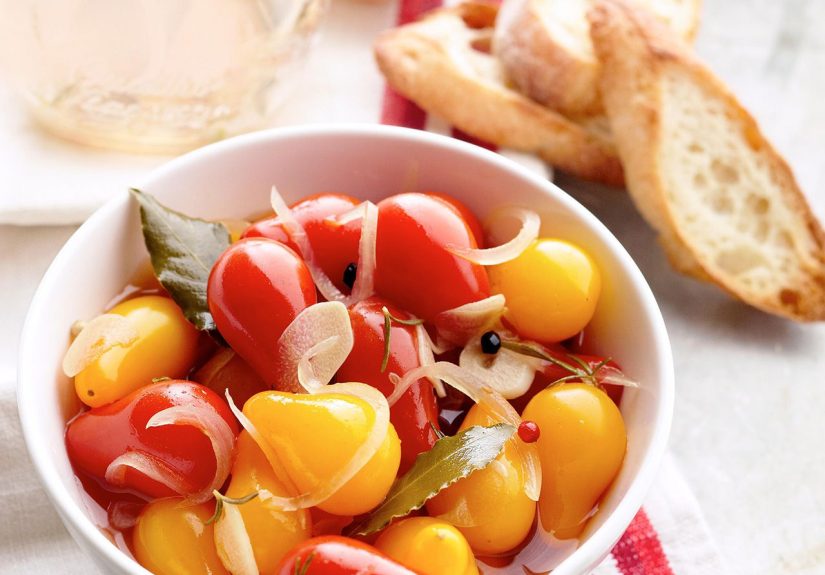
Despite the name, pear tomatoes are not tomatoes mixed with pears. They are small pear-shaped tomatoes, often yellow, sometimes red or orange, and almost always adorable enough to make cherry tomatoes jealous. Their thin skins, sweet flavor, and juicy centers make them excellent candidates for quick pickling. Add rosemary, garlic, peppercorns, vinegar, salt, and a touch of sugar, and suddenly the humble tomato becomes a zippy little flavor bomb.
This guide walks through the flavor, method, safety basics, serving ideas, and real-life experience of making pickled pear tomatoes with rosemary at home. The focus here is refrigerator pickling, which is simple, flavorful, and beginner-friendly. For shelf-stable canning, always follow a tested recipe from a trusted food preservation source and never freestyle the vinegar, water, or processing time. Pickles are fun; botulism is not invited.
What Are Pear Tomatoes?
Pear tomatoes are small tomatoes shaped like miniature pears or teardrops. The most common variety is the yellow pear tomato, loved for its cheerful color and mild, sweet-tart flavor. They are usually about the size of cherry or grape tomatoes, though their curved shape gives them a little more personality on the plate.
Because pear tomatoes are small, they absorb brine faster than large slicing tomatoes. Their skins help them hold their shape, while their juicy centers soak up vinegar and herbs. That makes them perfect for refrigerator pickles, where the goal is not to cook the tomato into submission but to season it until it tastes like summer took a spa day in a rosemary bush.
Why Rosemary Works So Well with Pickled Tomatoes
Rosemary has a piney, savory, slightly lemony flavor that balances the sweetness of pear tomatoes. In a vinegar brine, rosemary becomes softer and rounder. It gives the tomatoes an herbal backbone without making the jar taste like a holiday wreath.
The key is moderation. One or two small sprigs per pint jar are usually enough. Too much rosemary can turn bossy, especially after several days in the refrigerator. Think of rosemary as the confident friend at dinner: charming in small doses, overwhelming if it starts explaining cryptocurrency during dessert.
Refrigerator Pickled Pear Tomatoes with Rosemary Recipe
This recipe is designed for refrigerator storage, not shelf-stable pantry canning. It is fast, flexible, and ideal for using fresh garden tomatoes, farmers market finds, or that container of pear tomatoes you bought because they looked cute and then forgot your plan.
Ingredients
- 1 1/2 pounds pear tomatoes, preferably firm and ripe
- 1 cup white wine vinegar or apple cider vinegar, labeled 5% acidity
- 1 cup water
- 1 tablespoon pickling salt or kosher salt
- 2 tablespoons sugar, honey, or maple syrup
- 2 small fresh rosemary sprigs
- 2 garlic cloves, lightly crushed
- 1 teaspoon black peppercorns
- 1/2 teaspoon mustard seeds, optional
- 1 small strip lemon zest, optional
- Pinch of red pepper flakes, optional
Instructions
- Wash the tomatoes well and remove any stems. Discard any bruised, moldy, or overly soft tomatoes.
- Prick each tomato once with a toothpick. This helps the brine enter the tomato and reduces dramatic tomato explosions in the jar. Tiny drama, big cleanup.
- Place rosemary, garlic, peppercorns, mustard seeds, lemon zest, and red pepper flakes into clean jars.
- Pack the pear tomatoes into the jars gently. Do not crush them. They are tomatoes, not stress balls.
- In a small saucepan, combine vinegar, water, salt, and sugar. Bring to a simmer and stir until dissolved.
- Pour the hot brine over the tomatoes, covering them completely. Leave a little room at the top of each jar.
- Let the jars cool at room temperature for about 30 minutes, then cover and refrigerate.
- Chill for at least 24 hours before eating. For the best flavor, wait 48 hours.
These pickled pear tomatoes taste best within two to three weeks. Keep them refrigerated the entire time, use clean utensils to remove them from the jar, and discard them if they develop mold, an off smell, or unusual bubbling.
Important Food Safety Notes
Tomatoes sit in a tricky acidity zone. Some are naturally acidic enough to feel pickle-friendly, while others need added acid for safe preservation. That is why reputable home-preservation guidance recommends using measured acid ingredients such as bottled lemon juice, citric acid, or vinegar when canning tomatoes.
For refrigerator pickles, the cold temperature does much of the preservation work, but the brine still matters for flavor and quality. Use vinegar clearly labeled 5% acidity. Do not use homemade vinegar for preservation unless you know exactly what you are doing and have proper testing equipment. Homemade vinegar may taste strong but still lack the consistent acidity needed for safe food preservation.
If you want shelf-stable pickled tomatoes that can sit in the pantry, do not simply take this refrigerator recipe and process it in a boiling water bath. Shelf-stable canning requires a tested recipe with specific vinegar-water ratios, jar sizes, headspace, and processing times. Changing the amount of tomatoes, garlic, herbs, vinegar, or water can affect acidity and heat penetration. In other words, canning is not the place for “a little more of this, a little less of that.” Save the improvisation for your playlist.
Flavor Variations
The rosemary version is elegant and savory, but pear tomatoes are friendly little vegetables-fruits that play well with many flavors. Once you understand the basic refrigerator method, you can customize small batches for different meals.
Garlic-Rosemary Classic
This is the version above: pear tomatoes, rosemary, garlic, black pepper, and a clean vinegar brine. It works beautifully with roast chicken, grilled steak, creamy cheeses, and grain bowls.
Spicy Garden Pickled Tomatoes
Add sliced jalapeño or a larger pinch of red pepper flakes. The heat cuts through the sweetness of the tomatoes and makes the jar especially good for tacos, burgers, and Bloody Mary garnishes.
Lemon-Herb Pickled Pear Tomatoes
Add lemon zest and swap one rosemary sprig for thyme. The result is brighter and lighter, excellent for seafood, pasta salad, and fresh mozzarella.
Sweet Onion Pickled Tomatoes
Add a few thin slices of red onion. The onion turns slightly sweet and sharp in the brine, and the tomatoes gain a picnic-table personality that loves sandwiches.
How to Serve Pickled Pear Tomatoes with Rosemary
Pickled pear tomatoes are small but mighty. A spoonful can wake up food that tastes flat, heavy, or too rich. They bring acidity, sweetness, salt, and fragrance in one bite.
- Cheese boards: Pair them with goat cheese, sharp cheddar, brie, or feta.
- Sandwiches: Add them to turkey sandwiches, grilled cheese, or roast beef sliders.
- Salads: Toss them into arugula, cucumber salad, pasta salad, or grain bowls.
- Charcuterie boards: Their acidity cuts through cured meats beautifully.
- Egg dishes: Serve alongside omelets, frittatas, or deviled eggs.
- Grilled foods: Spoon them over grilled chicken, pork chops, sausages, or fish.
- Cocktail garnish: Drop one into a Bloody Mary or skewer with olives.
They are also excellent straight from the jar while standing in front of the refrigerator pretending you are “checking the flavor.” This is not a serving suggestion. This is a lifestyle.
Texture Tips for Better Pickled Tomatoes
The best pickled pear tomatoes are firm, juicy, and lightly puckery. To avoid mushy tomatoes, start with fruit that is ripe but not soft. Overripe tomatoes can collapse in the brine, especially if the liquid is very hot.
Pricking the tomatoes with a toothpick helps the brine penetrate without tearing the skins. It also makes the eating experience better because the tomato releases its seasoned juice more gracefully. Without pricking, some tomatoes behave like tiny vinegar balloons. Entertaining, yes. Elegant, no.
Letting the brine cool slightly before pouring can also help if your tomatoes are very delicate. A hot brine extracts flavor from the herbs and garlic, but boiling liquid directly over extremely ripe tomatoes may soften them too much. Firm pear tomatoes can handle heat better than fragile, overripe ones.
Best Vinegar for Pickled Pear Tomatoes
White wine vinegar gives the cleanest, most delicate flavor. Apple cider vinegar adds fruitiness and a slightly rustic feel. Distilled white vinegar is sharp, affordable, and classic, but it can taste stronger. Rice vinegar may be pleasant for refrigerator pickles, but many rice vinegars are lower in acidity, so check the label carefully if preservation safety matters.
For this rosemary tomato recipe, white wine vinegar is the most balanced choice. It supports the tomatoes without overpowering them and lets the rosemary smell like rosemary instead of being tackled by vinegar in a parking lot.
Common Mistakes to Avoid
Using Soft or Damaged Tomatoes
Pickling improves good produce; it does not magically rescue sad produce. Use firm, clean tomatoes without mold, deep bruises, or cracks.
Adding Too Much Rosemary
Rosemary grows stronger as it sits. Start with a small amount, taste after two days, and adjust future batches.
Skipping the Refrigerator
This recipe is a refrigerator pickle. Keep it cold. Do not store these jars at room temperature.
Confusing Refrigerator Pickling with Canning
Refrigerator pickles are not automatically shelf-stable. Shelf-stable canning must follow tested processing instructions.
Forgetting to Label the Jar
Write the date on the lid or a piece of tape. Future you will appreciate not having to perform refrigerator archaeology.
Experience Notes: What Making Pickled Pear Tomatoes with Rosemary Feels Like in a Real Kitchen
The first thing you notice when making pickled pear tomatoes with rosemary is how cheerful the tomatoes look in the jar. Yellow pear tomatoes especially have a way of making the whole kitchen feel sunnier, even if the sink is full, the dog is judging you, and the basil plant on the windowsill has entered its crispy era. Their shape makes them easy to pack into jars, and because they are small, the process feels less like a major preserving project and more like a quick afternoon upgrade.
The toothpick step may seem fussy until you skip it once. Then you learn. Pricking each tomato lets the brine slip inside and season the tomato more evenly. It also keeps the tomatoes from bursting unpredictably. There is something satisfying about the rhythm: pick up tomato, prick once, drop into jar. It is meditative in the same way folding laundry might be meditative if laundry smelled like rosemary and vinegar instead of responsibility.
After the hot brine goes in, the jar changes almost immediately. The rosemary darkens slightly, the garlic releases its sharp aroma, and the tomatoes become glossy. The smell is bright and savory: vinegar first, then herb, then that sweet tomato note underneath. It is the kind of smell that makes people wander into the kitchen and ask, “What are you making?” with the hopeful tone of someone who expects snacks.
The hardest part is waiting. After 24 hours, the tomatoes are good. After 48 hours, they are much better. The brine rounds out, the rosemary settles down, and the tomatoes become tangy all the way through. The first bite is surprising if you expect a cucumber-style crunch. Pickled pear tomatoes are softer and juicier. They pop gently, releasing sweet tomato juice mixed with vinegar, salt, garlic, and rosemary. It is bright, savory, and a little addictive.
In everyday meals, these pickled tomatoes earn their refrigerator space quickly. A spoonful beside scrambled eggs makes breakfast taste intentional. A few tucked into a turkey sandwich add more personality than another sad lettuce leaf ever could. On a cheese board, they do the work of both pickle and garnish, cutting through rich cheeses while looking fancy enough to suggest you planned everything. You did not, perhaps, but the tomatoes are loyal and will not reveal that.
They are also useful when a meal tastes almost right but needs lift. Pasta salad too heavy? Add pickled pear tomatoes. Grain bowl too earthy? Add pickled pear tomatoes. Leftover roast chicken looking emotionally unavailable? Add pickled pear tomatoes. Their acidity works like a tiny spotlight, making other flavors clearer.
The most important lesson from repeated batches is restraint. Use firm tomatoes, do not overload the rosemary, and keep the brine balanced. The best version tastes fresh, not harsh; herbal, not woody; tangy, not punishing. When done well, pickled pear tomatoes with rosemary taste like a summer garden learned how to wink.
Conclusion
Pickled pear tomatoes with rosemary are easy, beautiful, and wildly useful. They turn sweet little tomatoes into tangy, aromatic bites that belong on cheese boards, sandwiches, salads, grilled dinners, and snack plates. The recipe is simple enough for beginners but flavorful enough to feel special. Just remember the big rule: refrigerator pickles stay in the refrigerator, and shelf-stable canning requires tested instructions from reliable preservation experts.
With firm pear tomatoes, 5% vinegar, fresh rosemary, garlic, salt, and a little patience, you can make a jar that tastes like summer with better organization skills. It is bright, savory, practical, and just fancy enough to make people think you have your life together. Honestly, let them think that. The tomatoes have your back.