Table of Contents >> Show >> Hide
- Why peaches deserve a spot in your diet
- Peach nutrition at a glance
- Health benefits of peaches
- Are peaches good for blood sugar balance?
- Fresh, frozen, canned, or dried: which kind is best?
- How to pick ripe peaches
- How to store and wash peaches safely
- Easy diet tips for eating more peaches
- When peaches may not be the best choice
- of real-life experience with peaches
- Final thoughts
- SEO Tags
Peaches are one of those fruits that make healthy eating feel suspiciously easy. They are juicy, fragrant, naturally sweet, and somehow manage to taste like summer vacation and good decisions at the same time. If you have ever bitten into a perfectly ripe peach and briefly considered writing it a thank-you note, you are not alone.
Beyond the charm, peaches bring real nutritional value to the table. They are relatively low in calories, naturally free of cholesterol and sodium, and they provide fiber, vitamin C, vitamin A-related carotenoids, and potassium. In plain English: they are not just pretty fruit sitting in a bowl trying to look decorative. They can fit into a heart-smart, digestion-friendly, diabetes-aware eating pattern without much drama.
This guide breaks down the health benefits of peaches, their nutrition profile, smart diet tips, storage advice, and a few practical ways to eat more of them without turning your snack into a sugar festival. We will also cover what to know if raw peaches make your mouth itchy, because fruit should be refreshing, not rude.
Why peaches deserve a spot in your diet
Peaches are a whole fruit, and that matters. Whole fruit gives you water, fiber, natural sweetness, and plant compounds in one neat package. Unlike fruit juice, which can rush in like a loud guest and spike your intake fast, whole peaches are slower, more filling, and easier to work into balanced meals.
That combination is part of what makes peaches such a smart everyday food. They can satisfy a sweet craving, contribute important nutrients, and help you build meals that feel enjoyable instead of painfully virtuous. No one wants a snack that tastes like punishment.
Peach nutrition at a glance
A raw medium peach has about 50 calories, around 15 grams of carbohydrate, about 2 grams of fiber, and roughly 1 gram of protein. It also contributes vitamin C, vitamin A-related nutrients, and smaller amounts of potassium, magnesium, and several trace minerals. A cup of sliced raw peaches comes in at about 66 calories and provides roughly 2.5 grams of fiber and more than 300 milligrams of potassium.
That is a pretty good return for a fruit that tastes like dessert. Peaches are also naturally low in fat and contain no cholesterol. Their sweetness comes with nutritional extras, which is a lot more impressive than what most pastries can say.
Key nutrients in peaches
- Fiber: helps support fullness, digestion, and steadier blood sugar response when compared with juice.
- Vitamin C: supports immune function, helps with collagen formation, and helps the body absorb nonheme iron from plant foods.
- Vitamin A-related carotenoids: support normal vision, immune function, and healthy tissues.
- Potassium: supports normal muscle and nerve function and fits well in heart-conscious eating patterns.
- Antioxidants: peaches contain vitamin C and other plant compounds that help protect cells from oxidative stress.
Health benefits of peaches
1. Peaches support digestive health
Peaches contain dietary fiber, and fiber is one of those quiet overachievers in nutrition. It helps keep digestion moving, supports satiety, and can make meals feel more satisfying. If your diet tends to be heavy on refined snacks and light on produce, adding peaches is one easy way to nudge your fiber intake upward without suddenly becoming a person who talks about bran at parties.
Both the soluble and insoluble fiber in fruit can play a role in digestive wellness. That does not mean peaches are a miracle cure for every stomach complaint, but they absolutely belong in a fiber-friendly eating pattern.
2. They fit into heart-smart eating
Peaches are low in sodium, low in fat, and provide potassium and fiber. That combination makes them a natural fit for eating patterns designed to support heart health. Potassium helps balance the effects of sodium in the diet, while fiber-rich foods are associated with better cardiovascular health over time.
No single peach is going to swoop in wearing a cape and fix your blood pressure on the spot. But regularly choosing fruit like peaches instead of salty or ultra-processed snacks can absolutely move your diet in a healthier direction.
3. Peaches help you get more vitamin C
Vitamin C is important for immune function, collagen production, antioxidant protection, and wound healing. It also helps your body absorb nonheme iron from plant-based foods. That means peaches pair especially well with foods like oats, beans, lentils, spinach, pumpkin seeds, and fortified cereal.
Try sliced peaches over oatmeal with chia seeds, or add them to a spinach salad with grilled chicken and almonds. It is a practical way to make a healthy meal more appealing and nutritionally smarter at the same time.
4. Their orange-yellow pigments support eye and tissue health
Peaches contain carotenoids, which the body can use to make vitamin A. Vitamin A is important for vision, immune function, and the maintenance of healthy tissues. While peaches are not the highest vitamin A food on the planet, they still contribute useful amounts, especially when they show up regularly in your diet alongside other colorful produce.
This is one more reason peaches work well in a “eat the rainbow” style of eating. Their warm golden color is not just good marketing from nature. It signals beneficial plant compounds too.
5. Peaches bring antioxidants to the party
Peaches contain vitamin C and other antioxidant compounds. Antioxidants help protect cells from oxidative stress, which is one reason fruit-rich diets are consistently linked with better long-term health. That does not mean peaches are a magic anti-aging button hidden in the produce aisle. It means they are one helpful piece of a bigger pattern that includes lots of fruits, vegetables, whole grains, and other minimally processed foods.
6. They can help with fullness without overloading calories
Because peaches are juicy, sweet, and relatively low in calories, they can be useful for people trying to manage appetite or maintain a healthy weight. A peach can be much more satisfying than a handful of candy because it gives you volume, water, fiber, and actual nutrients.
That said, peaches are not “diet food” in the sad, bleak sense of the phrase. They are just a flavorful fruit that happens to make smart eating easier.
Are peaches good for blood sugar balance?
Yes, peaches can fit into a blood sugar-conscious eating plan. Whole fruits are generally recommended over juice because fiber helps slow digestion and improves satiety. A medium peach contains about 15 grams of carbohydrate, which is useful to know if you count carbs or plan portions carefully.
The best strategy is not fear. It is structure. Eat peaches as part of a balanced meal or snack, especially with protein or healthy fat. Good pairings include Greek yogurt, cottage cheese, nuts, nut butter, or a turkey-and-peach salad. These combinations can make the snack more filling and gentler on blood sugar than eating fruit juice or a peach pastry with half a zip code’s worth of added sugar.
If you have diabetes, individual responses can vary. Portion size still matters, but peaches do not need to be exiled from your kitchen just because they taste sweet.
Fresh, frozen, canned, or dried: which kind is best?
Fresh peaches are the classic choice. They are juicy, aromatic, and excellent for snacking, slicing, and grilling.
Frozen peaches can be a great option too, especially unsweetened varieties. They work beautifully in smoothies, oatmeal, sauces, and baked dishes.
Canned peaches are convenient, but the label matters. Peaches packed in juice or water are usually a better everyday choice than peaches packed in heavy syrup, which adds extra sugar and calories.
Dried peaches are portable and flavorful, but they are more concentrated in sugar and calories because the water has been removed. They can still fit into a healthy diet, but smaller portions make more sense.
In other words, peaches are flexible. The “best” form depends on your budget, your schedule, and whether your produce drawer currently looks organized or like a fruit retirement home.
How to pick ripe peaches
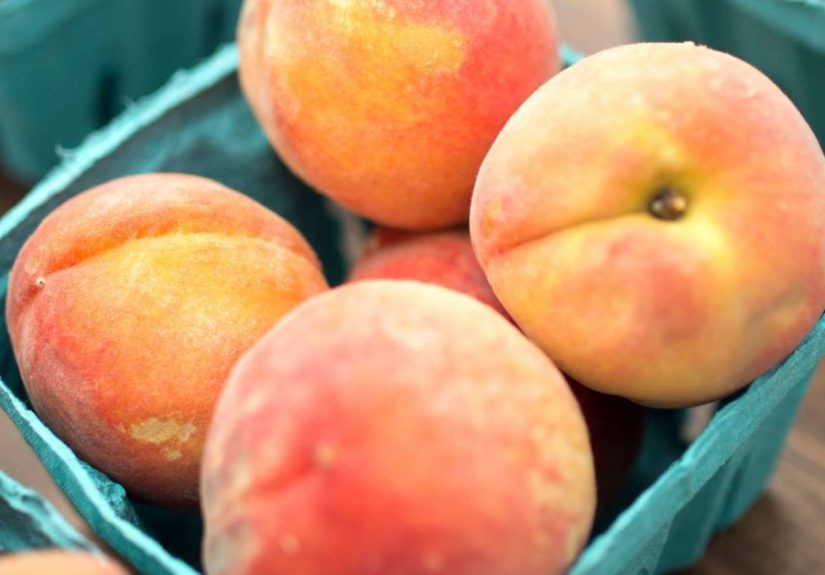
When choosing peaches, do not rely on red blush alone. A peach can look gorgeous and still be disappointingly firm and starchy. A better clue is the background color. Riper peaches usually shift from green to a more yellow or cream tone, and they should smell sweet and peachy rather than like absolutely nothing.
A ripe peach will also give slightly when you press it gently. Not mushy. Not rock-hard. You are aiming for “ready to eat,” not “this fruit has seen things.”
How to ripen peaches at home
If your peaches are still firm, place them in a loosely closed paper bag at room temperature for a couple of days. Check them daily. Once ripe, use them soon or refrigerate them.
How to store and wash peaches safely
Store ripe peaches in the refrigerator and try to use them within three to five days for best quality. If possible, let them come to room temperature before eating. Cold peaches are good. Room-temperature ripe peaches are poetry.
As for washing, keep it simple. Wash peaches under running water right before eating or cutting them. Do not use soap, detergent, bleach, or commercial produce wash. Also trim away bruised or damaged spots before eating. If you wash produce before storage, dry it thoroughly, because excess moisture can speed spoilage.
One more smart kitchen habit: wash peaches before peeling or slicing so surface dirt and bacteria are less likely to move from the skin to the flesh through your knife.
Easy diet tips for eating more peaches
Build a better breakfast
Top Greek yogurt or cottage cheese with sliced peaches and chopped walnuts. Add peaches to oatmeal with cinnamon. Blend frozen peaches into a smoothie with plain yogurt and rolled oats. Breakfast can be healthy and still feel like a reward.
Use peaches in savory meals
Peaches are not limited to desserts. Dice them into salsa with red onion, jalapeño, cilantro, and lime. Add slices to a chicken salad with arugula and goat cheese. Grill peach halves and serve them next to pork tenderloin or salmon for a sweet-smoky contrast that feels far fancier than the effort required.
Swap peaches for sugary desserts sometimes
Not every craving needs a full production involving frosting. A ripe peach with a spoonful of ricotta, a sprinkle of cinnamon, or a square of dark chocolate on the side can hit the dessert note while still bringing nutrition along for the ride.
Freeze extras before they go soft
If your peaches are racing toward overripe status, slice and freeze them. Future you will appreciate having smoothie fruit ready to go instead of watching perfectly good produce turn into a sticky science project.
When peaches may not be the best choice
For most people, peaches are easy to enjoy. But there are a few exceptions. Some people with pollen-related allergies develop oral allergy syndrome, also called pollen-food allergy syndrome, after eating raw fruits like peaches. Symptoms often include an itchy mouth, scratchy throat, or mild swelling of the lips or mouth.
In many cases, cooked peaches are better tolerated because heat changes the proteins that trigger the reaction. But if you have symptoms every time you eat peaches, or if you ever have trouble breathing, dizziness, or more severe symptoms, get medical care and speak with an allergist. Fruit should never be your villain origin story.
Also, if you are watching your carbohydrate intake carefully, remember that peach-based desserts, syrups, jams, cobblers, and sweetened canned products are very different from a plain peach. The fruit is not the issue. What gets done to it sometimes is.
of real-life experience with peaches
In real life, peaches tend to win people over in a way that nutrition charts never can. A lot of healthy foods are appreciated in theory. Peaches are appreciated at first bite. That matters, because the best diet tips are the ones normal people will actually use on a Tuesday when they are tired, hungry, and one minor inconvenience away from ordering fries.
One common experience with peaches is that they make healthier breakfasts feel less like an obligation. A bowl of plain oatmeal can be fine. A bowl of oatmeal with sliced peach, cinnamon, and a spoonful of yogurt feels like someone actually cared about breakfast. The same thing happens with cottage cheese, chia pudding, and high-protein yogurt. Peaches add aroma, sweetness, and texture without needing added sugar to do all the work.
Another very real peach experience is learning the heartbreak of buying them too early. Firm peaches can sit on the counter looking promising while offering the emotional warmth of a baseball. Then, almost magically, they soften, smell amazing, and become exactly what you wanted in the first place. This is why people who eat peaches often get surprisingly good at checking for background color, softness, and fragrance. Peach shopping becomes a skill. Not a degree-worthy skill, but a skill.
Many people also notice that peaches are easier to fit into everyday snacks than heavier desserts. A cold peach in the afternoon can be enough to quiet a sweet craving without leaving you sleepy or overstuffed. Pair it with almonds or string cheese, and you have a snack that actually holds you over. That is useful for students, busy parents, office workers, and basically anyone who has ever opened the pantry and hoped crackers would somehow become a balanced meal.
Then there is the seasonal experience. When peaches are truly in season, they can shift from “good fruit” to “where have you been all my life?” Their flavor is richer, their juice is messier, and suddenly people start adding them to salads, grilling them, freezing them, or eating them over the sink like a raccoon with excellent taste. Seasonal fruit often makes healthy eating easier because it tastes good enough that you do not feel deprived.
Some experiences are less glamorous but still important. People with pollen allergies sometimes discover that raw peaches make their mouths itch, even though cooked peaches in oatmeal or baked dishes are fine. Others learn that canned peaches packed in syrup are delicious but not quite the same nutritional bargain as fresh or frozen unsweetened peaches. And plenty of people figure out, after one forgotten bag in the fridge drawer, that peaches are not a “buy now, think later” fruit. They reward a little planning.
That is probably the most practical takeaway of all. Peaches are healthiest when they are easy to reach, ready to eat, and part of meals you genuinely enjoy. Wash them, slice them, pair them with protein, freeze the extras, and use them before they collapse into mushy regret. Nutrition advice sounds a lot nicer when it smells like ripe peaches.
Final thoughts
Peaches are more than a sweet summer treat. They are a nutrient-rich whole fruit that can support digestion, heart-smart eating, immune health, and balanced snacking. They provide fiber, vitamin C, vitamin A-related carotenoids, potassium, and antioxidants in a package that is easy to enjoy fresh, frozen, or packed in juice.
The smartest way to eat peaches is also the simplest: choose ripe fruit, wash it properly, enjoy it whole or paired with protein, and let it replace some of the ultra-processed sweets that crowd modern diets. That is not a fad. That is just good eating with better flavor.