Table of Contents >> Show >> Hide
- What Is One Shot Metallic Sign Enamel Paint?
- Why Sign Painters Like One Shot Metallic Enamel
- Best Uses for One Shot Metallic Sign Enamel Paint
- Surface Preparation: The Step You Should Not Skip
- How to Apply One Shot Metallic Sign Enamel Paint
- Drying, Curing, and Handling
- Safety Tips for Solvent-Based Metallic Enamel
- Common Mistakes to Avoid
- One Shot Metallic Enamel vs. Gold Leaf
- Buying Tips: Choosing the Right Metallic Color
- Real-World Experience With One Shot Metallic Sign Enamel Paint
- Conclusion
One Shot Metallic Sign Enamel Paint is one of those products that feels like it belongs in a workshop with a hand-lettered door, a coffee-stained sketchbook, and at least one person who can pull a perfect pinstripe while casually talking about yesterday’s lunch. Known officially by many artists and suppliers as 1 Shot Lettering Enamel, this oil-based, high-gloss sign paint has earned a loyal following among sign painters, pinstripers, mural artists, vehicle lettering pros, and creative DIYers who want a finish with real presence.
The metallic colors are especially popular because they bring a rich, reflective character to lettering, borders, ornaments, glass signs, mailbox numbers, vehicle graphics, display boards, and decorative projects. A flat color says, “Hello.” A metallic enamel says, “Hello, I brought a spotlight.”
But this paint is not just about sparkle. One Shot has long been respected for flow, coverage, sharp edges, durability, and that classic brush-painted look that digital vinyl can imitate but never fully replace. If you are considering One Shot Metallic Sign Enamel Paint for a project, this guide explains what it is, where it works best, how to apply it, how to avoid common mistakes, and what real-world users should know before opening the can.
What Is One Shot Metallic Sign Enamel Paint?
One Shot Metallic Sign Enamel Paint is a professional-grade lettering enamel designed for hand-painted signs, pinstriping, vehicle graphics, decorative lettering, and custom artwork. The brand is widely known in the sign-painting world for its oil-based enamel formula, glossy finish, and strong color payoff. The phrase “One Shot” comes from the idea of strong coverage in a single stroke, which is exactly what sign painters want when they are pulling letters, outlines, curves, and stripes by hand.
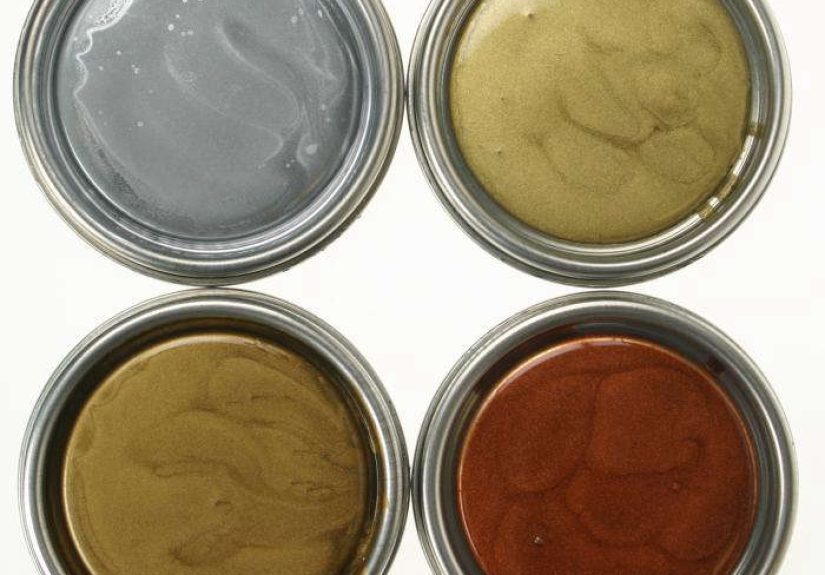
The metallic range includes colors commonly associated with 1 Shot Lettering Enamels, such as Metallic Gold 109L, Metallic Copper 110L, Metallic Brass 111L, and Metallic Silver 193L. Availability may vary by retailer, but these colors are often the go-to choices for artists who want shimmer without switching to leaf, foil, or specialty automotive systems.
Unlike regular craft paint, this is a solvent-based enamel. It is made for serious adhesion, smooth flow, and durable finish quality. It can be used on properly prepared surfaces such as metal, glass, wood, enamel-receptive vinyl, banners, and some vehicle surfaces. That said, preparation matters. One Shot Metallic Sign Enamel Paint rewards patience and punishes shortcuts with the enthusiasm of a tiny, glossy teacher holding a red pen.
Why Sign Painters Like One Shot Metallic Enamel
It Flows Smoothly From the Brush
The magic of a good lettering enamel is not just color; it is control. One Shot Metallic Sign Enamel Paint is valued because it can flow evenly from a lettering brush, quill, striping brush, or detail brush. When the paint is properly stirred and the surface is clean, it allows the artist to create smooth strokes without fighting drag, clumps, or patchy coverage.
This is especially important for script lettering, outlines, drop shadows, and scrollwork. Metallic paint has particles that need to lay evenly, so a smooth-flowing formula helps avoid streaks and uneven sparkle. The result is a cleaner line and a more professional finish.
It Delivers a High-Gloss Metallic Finish
The metallic finish is the star of the show. Gold, brass, copper, and silver tones can instantly make a sign look more expensive, more vintage, or more custom. Metallic Gold works beautifully for classic storefront lettering, decorative borders, and retro-style signs. Metallic Silver can look modern and crisp on dark backgrounds. Metallic Copper adds warmth and character, especially on wood or black panels. Metallic Brass gives a slightly antique, upscale feel without going full treasure chest.
It Works for Interior and Exterior Projects
One Shot Lettering Enamel is commonly used for both indoor and outdoor sign applications when applied correctly. For exterior work, the surface must be clean, dry, stable, and compatible with enamel. Outdoor durability also depends on exposure, climate, color choice, film thickness, substrate, and whether the work is protected from constant abrasion or harsh chemicals.
For indoor projects, the paint can be used on display signs, decorative panels, furniture accents, wall art, shop windows, menu boards, props, and branded decor. Just remember that “indoor” does not mean “paint it in a sealed closet.” Solvent-based paint needs proper ventilation.
Best Uses for One Shot Metallic Sign Enamel Paint
Hand-Lettered Storefront Signs
Metallic enamel is a strong choice for storefront signs because it catches the eye without looking cheap. A black panel with Metallic Gold lettering, for example, creates a classic barber shop, café, boutique, or tattoo studio feel. Add a fine outline in white or cream, and suddenly the sign looks like it has a monthly subscription to charm.
Vehicle Lettering and Pinstriping
One Shot has a long history in custom automotive graphics and pinstriping. Metallic colors can add highlight lines, accent stripes, numbers, names, logos, and decorative flourishes. Before painting on vehicles, always test compatibility with the existing finish. Fresh automotive paint, clear coats, waxes, silicone, and detailing products can affect adhesion. A small test panel is cheaper than repainting a door while quietly questioning your life choices.
Glass Signs and Window Art
Metallic enamel can be used on glass for decorative signs, window lettering, and reverse-glass effects. Glass must be extremely clean. Any dust, grease, wax, or cleaner residue can interfere with adhesion. For permanent or long-term glass work, experienced sign painters often combine proper cleaning, careful layout, and compatible backing or protective methods.
Wooden Signs and Decorative Panels
Wood is a wonderful surface for metallic lettering, but raw wood is thirsty. It can absorb paint unevenly, leaving dull spots and fuzzy edges. For best results, sand the surface, seal it, prime it if needed, and allow it to dry fully before lettering. A smooth enamel-receptive basecoat helps metallic paint sit on top instead of sinking in like it is looking for buried treasure.
Mailboxes, House Numbers, and Small Custom Projects
One Shot Metallic Sign Enamel Paint is also popular for smaller projects such as mailbox numbers, address plaques, motorcycle helmets, toolboxes, skateboards, trophies, decorative frames, and custom gifts. Small projects are great for practice because they let you learn how the paint flows before tackling a large sign where every wobble feels like it needs its own apology letter.
Surface Preparation: The Step You Should Not Skip
Great sign paint cannot rescue a dirty surface. Before using One Shot Metallic Sign Enamel Paint, make sure the surface is clean, dry, and free of grease, wax, dust, chalk, silicone, and loose material. This is the difference between paint that lasts and paint that peels off like a bad sticker.
For Metal
Metal should be cleaned, sanded if needed, and primed with a compatible metal primer when appropriate. Rust, oxidation, and oily residue must be removed. If the metal is slick, a light scuff can improve mechanical adhesion. Always wipe the surface after sanding so dust does not become an unwanted texture effect.
For Wood
Wood should be smooth, sealed, and primed or base-coated before lettering. On porous wood, metallic enamel may appear uneven because the surface absorbs some of the binder. A proper base makes the metallic finish brighter and sharper.
For Glass
Glass should be cleaned thoroughly with a suitable cleaner and wiped dry. Avoid leaving fingerprints after cleaning. Even one sneaky thumbprint can create adhesion problems or visible defects in the final design.
For Vinyl and Banners
Not all vinyl accepts enamel equally. Some vinyl surfaces contain plasticizers or coatings that resist paint. Use enamel-receptive materials or a compatible primer when needed. When in doubt, test first. The paint can be excellent, but it cannot negotiate with an incompatible substrate.
How to Apply One Shot Metallic Sign Enamel Paint
1. Stir the Paint Thoroughly
Metallic pigments settle. That is normal. Before painting, stir the enamel slowly and thoroughly until the metallic particles are evenly distributed. Do not just shake the can and hope for the best. Shaking can introduce bubbles, and bubbles are not the artistic collaborator you invited.
2. Use the Right Brush
For lettering, use a quality lettering quill or sign-painting brush. For pinstriping, use a striping brush designed to hold paint and release it evenly. Cheap brushes can shed hairs, create uneven strokes, and make you blame the paint when the real villain is the tool.
3. Thin Only When Needed
One Shot reducers are commonly used to adjust flow for brushing, spraying, or airbrushing. The correct reducer depends on temperature and application style. In cooler conditions, a low-temperature reducer may help flow and drying. In warmer conditions, a high-temperature reducer may help slow evaporation and reduce drag. Avoid over-thinning, because too much reducer can weaken coverage and make metallic particles look uneven.
4. Work in the Right Temperature Range
Lettering enamel performs best in moderate conditions. Very cold weather can slow drying dramatically, while high heat can make the paint tack too quickly. A comfortable shop temperature is usually better for both the painter and the paint. If you are sweating into your layout lines or painting while wearing gloves because your fingers are numb, conditions may not be ideal.
5. Apply Smooth, Confident Strokes
Metallic enamel looks best when strokes are deliberate and even. Try not to overwork the paint. Repeated brushing can disturb metallic particles and create streaks. Load the brush properly, pull the stroke smoothly, and let the enamel level. Practice on scrap material before touching the final surface.
Drying, Curing, and Handling
Dry time depends on temperature, humidity, film thickness, airflow, surface type, and whether reducers or additives are used. A thin lettering stroke may set faster than a heavy filled area. Metallic enamel can feel dry on the surface before it is fully cured underneath, so avoid stacking, masking, washing, or clear coating too soon.
If you need to tape over painted areas, wait until the paint is sufficiently cured and use a low-tack tape tested on the surface. Pull tape carefully. If the paint is still soft, tape can leave marks or lift edges. Patience is cheaper than repair work.
Safety Tips for Solvent-Based Metallic Enamel
One Shot Metallic Sign Enamel Paint is a professional coating, not a water-based classroom paint. Use it with adequate ventilation, keep it away from sparks and open flames, and wear appropriate protective equipment. Gloves and eye protection are smart. A suitable respirator may be needed when ventilation is not enough, especially during spraying or airbrushing.
Do not smoke while using the paint. Do not use it near pilot lights, heaters, or anything that can ignite vapors. Dispose of solvent-soaked rags properly. Oil-based paint waste can create fire risk if handled carelessly, so follow the product label, safety data sheet, and local disposal rules. The goal is a beautiful sign, not an accidental workshop campfire.
Common Mistakes to Avoid
Painting Over Wax or Silicone
Vehicle surfaces, glass, and signs may contain wax, silicone, polish, or cleaning residue. Paint may fisheye, crawl, or refuse to stick. Clean and test before committing.
Not Stirring Metallic Paint Enough
If the metallic pigment is not evenly mixed, the color can look weak at first and overly heavy near the bottom of the can later. Stir until the paint is consistent from top to bottom.
Using Too Much Thinner
Reducers are helpful, but more is not always better. Over-thinned metallic enamel may lose hiding power and create streaky results. Add reducer gradually.
Skipping a Test Panel
Every surface is a tiny mystery novel. A test panel tells you whether the paint flows, covers, adheres, and dries the way you expect. It also gives you a safe place to discover that your “quick little project” needs a different brush.
One Shot Metallic Enamel vs. Gold Leaf
Metallic enamel and gold leaf are not the same. Gold leaf offers a brilliant, traditional gilded look with unmatched reflectivity. One Shot Metallic Gold is easier, faster, and more affordable for many projects, but it does not create the mirror-like luxury of real leaf. Think of metallic enamel as a stylish leather jacket and gold leaf as a tuxedo with opera tickets in the pocket.
For storefront signs, metallic enamel can be a practical choice when you want warmth and shine without the time and cost of gilding. For premium glass signs, luxury branding, or restoration work, real leaf may be worth the investment. Many sign painters use both, choosing the material based on budget, style, and expected durability.
Buying Tips: Choosing the Right Metallic Color
Metallic Gold is the most classic option. It pairs beautifully with black, deep green, navy, burgundy, cream, and dark brown backgrounds. Use it for vintage signs, boutique branding, address plaques, and decorative lettering.
Metallic Silver feels cooler and more modern. It works well on black, charcoal, blue, red, and white backgrounds. It is excellent for automotive details, industrial-style signs, and contemporary graphics.
Metallic Copper has warmth and personality. It looks great on rustic wood, matte black, forest green, and deep blue. Copper is ideal when gold feels too formal and silver feels too cold.
Metallic Brass sits between gold and antique metal tones. It can look elegant, traditional, and slightly aged. Use it for classic lettering, vintage panels, and signs that need a refined but not overly shiny look.
Real-World Experience With One Shot Metallic Sign Enamel Paint
Working with One Shot Metallic Sign Enamel Paint feels different from using ordinary paint because it asks you to slow down. That may sound inconvenient, but it is part of the charm. The first thing many painters notice is the smell and body of the enamel. It immediately tells you this is a solvent-based coating, so the setup matters: ventilation, gloves, a stable work surface, clean rags, mineral spirits or proper brush cleaner, and enough space to let the painted piece dry without someone bumping into it five minutes later.
On small signs, the paint can be very satisfying. For example, a black wooden address plaque with Metallic Gold numbers can go from plain to polished in one afternoon. The trick is preparing the board well. Sand it smooth, seal it, apply a clean basecoat, and let that base cure. When the surface is smooth, the metallic enamel glides more evenly and the gold looks brighter. If the surface is rough, the brush catches, the metallic particles sit unevenly, and the final result looks less “custom sign shop” and more “craft table during a power outage.”
On glass, the experience is both exciting and unforgiving. Metallic Silver or Gold can look fantastic on a window or reverse-glass panel, but glass shows every fingerprint and every uneven stroke. Clean the glass more than you think you need to, then clean it once more just to prove you are serious. A stabilo pencil, layout guide, or pounce pattern can help keep lettering aligned. Once the brush touches the glass, confidence matters. Hesitation often creates wobbles, while a steady pull creates that clean hand-lettered character people love.
For pinstriping and automotive accents, One Shot metallic colors can add a classic custom look, especially on motorcycles, helmets, toolboxes, and older vehicles. However, surface compatibility is critical. Modern clear coats, waxes, ceramic coatings, and silicone-based products can interfere with adhesion. A test spot or practice panel is not optional; it is insurance. Also, metallic colors can behave slightly differently than solid colors because the particles must stay suspended and aligned. Stir often, keep the brush loaded consistently, and avoid dragging a half-dry stroke too far.
The biggest lesson from hands-on use is that One Shot Metallic Sign Enamel Paint rewards clean technique. It is not difficult, but it is honest. If the surface is dirty, it tells you. If the brush is wrong, it tells you. If the paint is over-thinned, it tells you in streaks. But when the surface is right, the brush is right, and the stroke is steady, the finish has a lively hand-painted quality that vinyl and printed graphics rarely match. It feels human, durable, and a little nostalgicin the best possible way.
Conclusion
One Shot Metallic Sign Enamel Paint is a trusted choice for artists, sign painters, pinstripers, and creative makers who want metallic color with professional character. Its oil-based enamel formula, glossy finish, smooth flow, and classic color options make it useful for signs, glass, wood, metal, vehicle lettering, and decorative accents.
The best results come from careful preparation, proper stirring, the right brush, moderate working conditions, and safe handling. This is not the paint to slap onto a dusty board five minutes before dinner and expect perfection. Treat it like a professional material, and it can deliver crisp lettering, bright metallic shine, and a finish that feels handcrafted rather than mass-produced.
Whether you are painting a storefront sign, restoring a vintage panel, adding gold numbers to a mailbox, or practicing your first pinstripe, One Shot Metallic Sign Enamel Paint offers a satisfying blend of tradition and performance. It has sparkle, but more importantly, it has substance. And in the world of sign painting, that combination is worth keeping on the shelf.