Table of Contents >> Show >> Hide
- Why This Old-Fashioned Chicken Noodle Soup Still Works
- Old-Fashioned Chicken Noodle Soup Recipe
- What Makes a Chicken Noodle Soup Taste Old-Fashioned?
- Best Ingredient Tips for the Richest Homemade Flavor
- Common Mistakes to Avoid
- How to Serve, Store, and Reheat Chicken Noodle Soup
- Why This Recipe Belongs in Every Kitchen
- Experiences From the Kitchen: Why Old-Fashioned Chicken Noodle Soup Never Gets Old
- Conclusion
There are fancy soups, trendy soups, and soups that arrive with ingredients you have to pronounce like you’re auditioning for a cooking show. Then there is old-fashioned chicken noodle soup: humble, golden, cozy, and completely uninterested in showing off. It does not need a spotlight. It just quietly fixes bad days, cold evenings, and that moment when dinner needs to feel like a hug instead of a project.
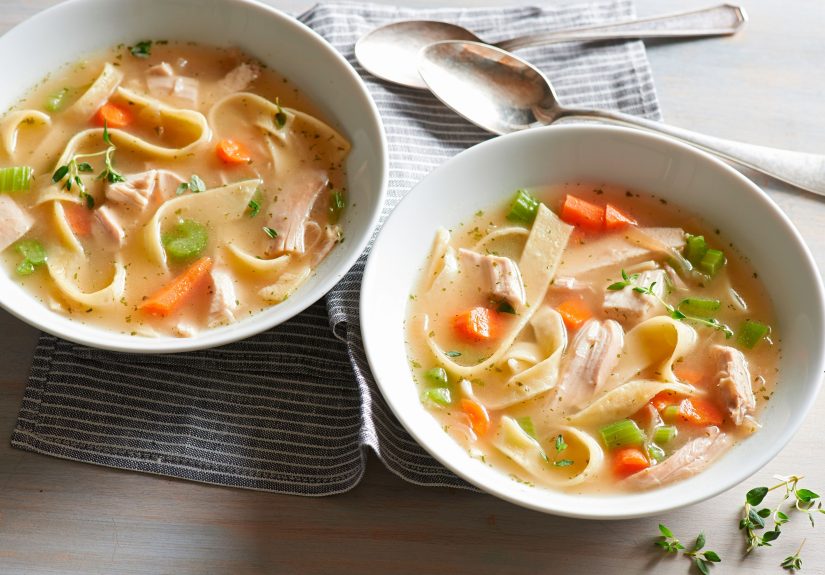
This old-fashioned chicken noodle soup recipe is built the classic way, with tender chicken, a rich savory broth, carrots, celery, onion, and soft egg noodles that soak up every drop of goodness. It is the kind of homemade chicken noodle soup that tastes like someone sensible wore an apron, stirred the pot slowly, and believed soup could solve at least half of life’s problems. Honestly, that person may have been right.
Why This Old-Fashioned Chicken Noodle Soup Still Works
The beauty of an old-fashioned chicken noodle soup recipe is that it is based on fundamentals instead of gimmicks. You build flavor from the ground up. The chicken gently simmers in water with aromatics. The broth turns golden and savory. The vegetables soften without disappearing into mush. The noodles cook just enough to become tender, not tragic. Every ingredient has a job, and none of them are there for decoration.
Classic chicken noodle soup also wins because it is flexible without losing its soul. You can use a whole chicken or bone-in pieces. You can keep it brothy and light or make it a little heartier with more noodles. You can add parsley, thyme, or even a tiny squeeze of lemon at the end to wake everything up. But the heart of the recipe never changes: rich broth, tender chicken, comforting noodles, and simple vegetables cooked with care.
Old-Fashioned Chicken Noodle Soup Recipe
Ingredients
- 1 whole chicken, about 3 1/2 to 4 pounds, or 2 1/2 to 3 pounds bone-in chicken thighs and drumsticks
- 12 cups water
- 1 large yellow onion, halved
- 4 medium carrots, divided
- 4 celery stalks, divided
- 4 garlic cloves, smashed
- 2 bay leaves
- 1 teaspoon black peppercorns, or 1/2 teaspoon ground black pepper
- 2 1/2 teaspoons kosher salt, plus more to taste
- 2 cups wide egg noodles
- 2 to 3 cups shredded cooked chicken from the pot
- 2 tablespoons chopped fresh parsley
- 1 teaspoon fresh thyme leaves, optional
- 1 to 2 teaspoons fresh lemon juice, optional
Instructions
- Build the broth. Place the chicken in a large Dutch oven or soup pot. Add the onion, 2 carrots cut into large chunks, 2 celery stalks cut into large chunks, garlic, bay leaves, peppercorns, salt, and water. Bring the pot just to a boil, then immediately lower the heat to a gentle simmer.
- Simmer slowly. Cover partially and simmer for about 1 hour to 1 hour 20 minutes, or until the chicken is tender and cooked through. Skim off any foam or excess fat from the top as needed. This is not the moment to boil the soup like it owes you money. A gentle simmer makes a clearer, better-tasting broth.
- Remove the chicken. Transfer the chicken to a large bowl or sheet pan. Let it cool until easy to handle. Strain the broth into a clean pot and discard the spent onion, garlic, bay leaves, peppercorns, and the first batch of vegetables.
- Add fresh vegetables. Dice the remaining 2 carrots and 2 celery stalks. Add them to the strained broth and simmer for 10 to 12 minutes, until just tender.
- Shred the meat. Remove the skin and bones from the cooked chicken. Shred or chop the meat into bite-size pieces. You will need about 2 to 3 cups for the soup, though nobody will complain if a little extra finds its way into the pot.
- Cook the noodles. Add the egg noodles to the simmering broth and cook according to package directions, usually 6 to 8 minutes, until tender.
- Finish the soup. Stir the shredded chicken back into the pot. Add parsley and thyme, if using. Taste and adjust with more salt and pepper as needed. Add a small splash of lemon juice if you want a brighter finish.
- Serve hot. Ladle into bowls and serve with crackers, warm bread, or the smug satisfaction of having made real homemade chicken noodle soup from scratch.
What Makes a Chicken Noodle Soup Taste Old-Fashioned?
Old-fashioned flavor is really about method. First, the broth needs time. Even when the ingredient list is simple, a slow simmer pulls flavor from the bones, the meat, and the vegetables. That is what gives the soup depth instead of that flat “hot water wearing a chicken costume” problem that weak soups sometimes have.
Second, the vegetables matter. Onion, carrots, and celery are not there because every recipe on earth signed a secret agreement. They work because they bring sweetness, savoriness, and aroma in balanced proportions. Together they create the familiar backbone people associate with classic chicken soup.
Third, the noodles should feel comforting, not fussy. Wide egg noodles are the traditional favorite because they are tender, slightly rich, and sturdy enough to hold up in broth. They are not trying to reinvent dinner. They understand the assignment.
Finally, old-fashioned soup usually keeps the seasoning simple. Salt, pepper, parsley, bay leaf, maybe thyme. That is enough. The goal is not to bury the chicken flavor under a parade of spices. The goal is to let the broth taste like itself, only better.
Best Ingredient Tips for the Richest Homemade Flavor
Use bone-in chicken when possible
A whole chicken or bone-in pieces create a fuller broth and more tender meat. Boneless chicken works in a pinch, but for true old-fashioned chicken noodle soup, the bones do some of the heavy lifting.
Cook vegetables in two stages
This is one of the smartest tricks for a classic soup. The first round flavors the broth. The second round gives you vegetables with actual texture. Without that second addition, the carrots and celery can become so soft they practically apologize when you lift your spoon.
Choose wide egg noodles
Egg noodles give the soup that nostalgic diner-meets-grandma’s-kitchen feel. They cook quickly and soak up flavor beautifully. If you love homemade noodles, use them. If you bought a bag from the store because life is busy, the soup police will not kick down your door.
Finish with herbs and a little brightness
Fresh parsley makes the whole pot taste livelier. A touch of thyme adds warmth. A small squeeze of lemon at the end can sharpen the flavors without making the soup taste lemony. It just makes everything feel more awake.
Common Mistakes to Avoid
Boiling too hard: A rolling boil can make the broth cloudy and the chicken tougher. Gentle simmering is the better path.
Under-salting the broth: Soup needs proper seasoning to taste complete. Taste as you go. A bland chicken noodle soup is basically a missed opportunity in a bowl.
Overcooking the noodles: Noodles left in the pot too long can swell until they absorb half the broth and most of your optimism. Cook them until just tender.
Using only old vegetables from the broth: Those vegetables did their flavor job, but they are usually too tired to be the stars of the final bowl. Fresh vegetables added later make a big difference.
How to Serve, Store, and Reheat Chicken Noodle Soup
This soup is wonderful served as a main dish with warm bread, saltines, or a simple green salad. It also works as a starter for a comfort-food dinner, though many people will happily skip the rest of the meal and go back for a second bowl instead.
For leftovers, refrigerate the soup once cooled. If you expect leftovers, you can even cook the noodles separately and add them to each bowl before serving. That keeps the broth from getting overly absorbed. Reheat gently on the stove over medium-low heat, adding a splash of broth or water if the soup has thickened overnight.
Chicken noodle soup also freezes well, though the texture is best when the noodles are stored separately or added fresh later. If you know you are freezing part of the batch, set some broth and chicken aside before adding all the noodles. Future you will feel very accomplished, and deservedly so.
Why This Recipe Belongs in Every Kitchen
An old-fashioned chicken noodle soup recipe is more than a comfort food classic. It is practical, forgiving, and deeply useful. It stretches ingredients. It feeds a family. It can be made ahead. It works for cozy Sunday dinners, rough weekdays, and those moments when everyone in the house suddenly wants “something warm.”
It also teaches good cooking habits. You learn how to build broth, layer flavor, season thoughtfully, and trust simple ingredients. That is why chicken noodle soup keeps showing up in American kitchens generation after generation. It is not just nostalgic. It is dependable.
Most importantly, it tastes like care. You cannot really rush that feeling. Even when you make shortcuts, the spirit of the soup remains the same: comforting, familiar, and quietly generous. That is what makes this homemade chicken noodle soup recipe old-fashioned in the best possible way.
Experiences From the Kitchen: Why Old-Fashioned Chicken Noodle Soup Never Gets Old
The first thing I always notice when making old-fashioned chicken noodle soup is the smell that starts about twenty minutes into the simmer. It is not loud or flashy. It just slowly fills the kitchen with that onion-carrot-celery aroma that makes the whole room feel softer. You walk by the stove and suddenly remember every cold day, every sick day, every holiday weekend when someone sensible had a pot going. Few foods have that kind of emotional range. Cake is exciting. Chicken noodle soup is reassuring. Sometimes reassuring wins.
One of my favorite things about this soup is that it rewards patience in a very obvious way. At the start, you are looking at a pot of raw chicken, rough-cut vegetables, and water, which is not exactly a glamorous scene. But give it time and it transforms into something deeply golden and fragrant. That change feels almost old-school in the best sense. In a world where everything wants to be faster, louder, and more optimized, this soup calmly says, “How about we simmer for a while and make something worth eating?” Fair point, soup. Fair point.
I have also learned that chicken noodle soup is a sneaky memory machine. The minute you shred the chicken by hand, you feel connected to every cook who has done the exact same thing at a kitchen counter while trying not to burn their fingers. The minute you drop in the egg noodles, you start thinking about who is going to get the first bowl. It is not just dinner anymore. It becomes a small ritual. Ladle, stir, taste, adjust, repeat. There is something grounding about that rhythm.
Of course, experience also teaches a few lessons the hard way. For example, I have absolutely left noodles in the soup too long and watched them turn from pleasantly tender into something that could only be described as enthusiastic starch. I have under-salted the broth once, tasted it, and realized I had created warm disappointment. I have also learned that a tiny squeeze of lemon at the end can rescue a soup that tastes flat. Not enough to make it citrusy, just enough to make the whole bowl perk up like it finally had a cup of coffee.
Another thing I love about this recipe is how adaptable it is to real life. Some days you have a whole chicken and enough time to do the full simmer-from-scratch version. Other days you have leftover cooked chicken, half an onion, and a heroic amount of determination. Either way, the spirit of the dish survives. The old-fashioned part is not about perfection. It is about making something warm, useful, and honest from what you have.
And then there is the actual eating of it, which deserves its own paragraph because a truly good bowl of chicken noodle soup has a kind of magic balance. The broth should be savory and clear, the carrots sweet, the celery mellow, the chicken tender, the noodles soft but not collapsing into chaos. Get that balance right and the soup does not just taste good. It feels correct. Like the culinary equivalent of finding the cool side of the pillow.
That is why this recipe keeps earning a place in the kitchen. It is not trendy. It is not trying to go viral. It does not need dramatic cheese pulls or a 14-step garnish situation. It just works. It warms people up, stretches across several meals, and somehow tastes even more meaningful when shared. For all the complicated dishes in the world, there is something deeply satisfying about returning to a pot of old-fashioned chicken noodle soup and realizing the classics became classics for a reason.
Conclusion
If you want a meal that is simple, satisfying, and full of homemade comfort, this old-fashioned chicken noodle soup recipe deserves a permanent spot in your rotation. It brings together everything that makes classic American soup so lovable: rich broth, tender chicken, soft egg noodles, and vegetables that actually taste like they belong there. It is easy enough to make on an ordinary day, but good enough to become part of your family’s regular comfort-food tradition. In other words, it is not just soup. It is dinner with good manners.