Table of Contents >> Show >> Hide
- What Nothing Actually Announced (And Why It Was a Big Deal)
- Why “Coming to the US” Is Harder Than It Sounds
- From Phone (1) to Phone (2): What “More Premium” Looked Like
- The Glyph Interface: Gimmick, Genius, or Both?
- US Launch Timing: What “This Summer” Turned Into
- How Phone (2) Fit Into the US Smartphone Landscape
- Software: Nothing OS and the “I Want Android, Not a Theme Park” Crowd
- Buying Advice: Should You Care About the Launch Plans Now?
- Conclusion: The Summer Nothing Chose to Matter
- Experiences: What the Phone (2) Moment Felt Like (And What Buyers Actually Noticed)
If you’ve ever looked at the smartphone aisle and thought, “Wow, look at all these beautifully engineered rectangles doing the exact same thing,”
Nothing has been nodding aggressively beside you. The company’s whole brand pitch is basically: phones don’t have to be boring. And when Nothing
teased that the Phone (2) was headed to the United States “this summer,” it wasn’t just another launch windowit was a mission statement.
The first Nothing phone was more of a “global-ish” device with limited US access, so the Phone (2) getting an official US runway felt like the sequel
finally getting the big-budget theatrical release (with better lighting, naturally).
In this article, we’ll break down what “this summer” meant in practical terms, why the US launch matters, what changed from Phone (1) to Phone (2),
and what shoppers should realistically expectbeyond blinking lights that make your friends say, “Wait… what is that?”
What Nothing Actually Announced (And Why It Was a Big Deal)
The headline wasn’t “Here are the full specs, price, and carrier deals.” It was more like: “Yes, we’re coming to America, and yes, it’ll be soon.”
Nothing publicly confirmed a US launch window for Phone (2) in summer 2023, following earlier hints from company leadership that the next phone would be
more premium and that the US market was a major priority this time around.
That might sound like standard pre-launch hype, but it landed differently because the Phone (1) didn’t get broad, simple US availability. Many US fans
had to import it or jump through limited-access programs. For Phone (2), Nothing’s message was clear: this isn’t a side questthis is the main storyline.
Why “Coming to the US” Is Harder Than It Sounds
In the US, a phone isn’t truly “available” unless it plays nicely with the network situation. Compared to many markets, the US is a maze of band support,
certification, carrier features, and “yes, it works… but also no, we won’t promise it works.” It’s not just about having 5G; it’s about having the
right 5G and supporting the carrier requirements that make calling, texting, and data behave like they should.
The carrier reality check
Nothing positioned Phone (2) as a proper US-ready device, with stronger North American focus than Phone (1). In practice, that meant broader
compatibility (especially with major GSM carriers) and a more straightforward sales approach. Still, buyers needed to pay attention to details like
certification and supportbecause the US market has a long history of “unlocked” phones that are technically alive but socially awkward at the carrier party.
From Phone (1) to Phone (2): What “More Premium” Looked Like
“More premium” can mean a lot of things in phone marketing. Sometimes it means titanium. Sometimes it means a slightly fancier box. In Nothing’s case,
Phone (2) leaned premium through a mix of performance upgrades, a larger and brighter display, refined design/build, and a more mature take on its signature
LED system (the Glyph Interface).
Performance that stopped being “midrange cute”
The Phone (2) moved up to a flagship-tier Qualcomm Snapdragon 8-series platform (Snapdragon 8+ Gen 1), which was a meaningful jump from the Phone (1)’s
midrange positioning. Translation: more headroom for gaming, better sustained performance, and fewer moments where your phone feels like it needs a snack and a nap.
Display upgrades that matter daily
Phone (2) landed with a 6.7-inch LTPO OLED display with a 120Hz refresh rateexactly the kind of spec you notice every single day,
not just when you’re showing off at a coffee shop. LTPO also helps with efficiency by adapting refresh rate depending on what’s on screen.
Scrolling looks smoother, animations feel more polished, and the phone generally acts like it got promoted from “intern” to “team lead.”
Battery, charging, and the “please last until bedtime” factor
A bigger battery (4,700 mAh) plus fast wired charging (up to 45W) gave Phone (2) a stronger all-day pitch.
Wireless charging support also made it feel more like a modern flagship experience. None of this is glamorous, but it’s the stuff that makes you keep a phone longer.
The Glyph Interface: Gimmick, Genius, or Both?
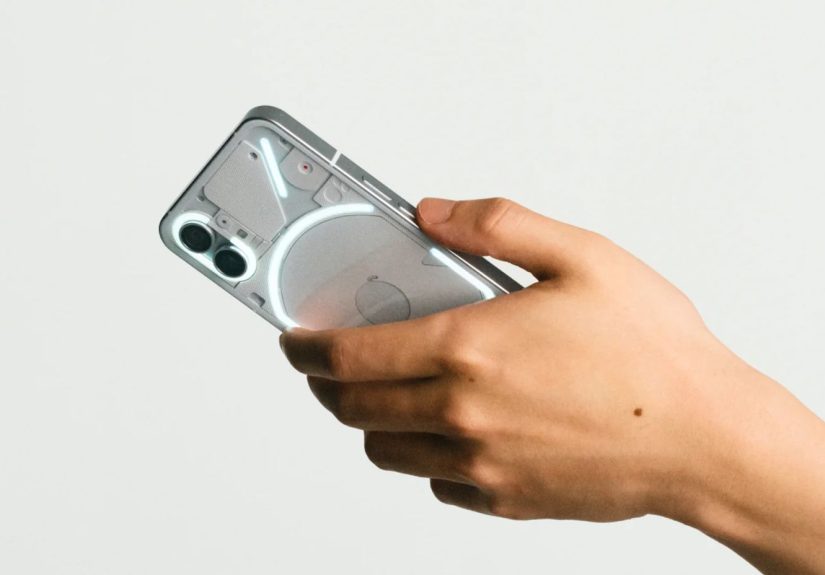
The Glyph lights are the part of Nothing phones that strangers notice firstand the part many buyers debate the most.
On Phone (2), Nothing kept the transparent-backed aesthetic and expanded the LED system into more zones and more behaviors.
The company also pushed the idea that Glyph could be useful, not just flashy: visual timers, silent notifications,
and even app-linked indicators (like showing progress or status without waking the screen).
Here’s the honest take: Glyph is both a functional feature and a delightful bit of theater. If you love silent notifications and the idea of
“glanceable” status, it can genuinely help. If you want your phone to disappear into the background, Glyph is basically the opposite of stealth mode.
US Launch Timing: What “This Summer” Turned Into
“This summer” was the teaser. The full story arrived when Nothing held its launch event on July 11, 2023 and opened the door for North American sales shortly after.
US availability followed in mid-July, with open purchasing through Nothing’s own sales channels and a pricing structure that clearly aimed at premium-midrange buyers.
In other words: this wasn’t a vague “summer” that quietly turned into “late fall.” It actually landed in summerlike a rare calendar miracle.
Pricing strategy: premium vibe, not premium pain
Nothing priced Phone (2) to feel accessible compared to ultra-flagships while still delivering flagship-class performance.
The US starting price landed at $599, scaling upward with more RAM/storage options.
That put it in a competitive zone: above budget phones, below the “$1,200 and your wallet files a complaint” tier.
How Phone (2) Fit Into the US Smartphone Landscape
The US market is dominated by a few familiar giants, and that’s exactly why Nothing’s arrival mattered.
Many shoppers want something different but don’t want to gamble on a phone that feels unsupported.
Phone (2) aimed at people who want a fresh design, solid performance, and a cleaner software vibewithout paying top-tier flagship prices.
Who it was competing against
- Google Pixel A-series / Pixel flagship models: often the default “smart choice” for camera + clean Android.
- Samsung Galaxy S-series and A-series: huge ecosystem, broad carrier support, and familiar comfort.
- OnePlus and other Android value players: speed-focused phones that live in the “flagship-ish for less” zone.
Nothing’s competitive advantage wasn’t just specs. It was personality. The Phone (2) tried to feel like a phone made by humans who have seen joy before.
Software: Nothing OS and the “I Want Android, Not a Theme Park” Crowd
Nothing OS (based on Android) became a key part of the Phone (2) pitch, with a design language built around minimalism and intentional UI choices.
Instead of drowning users in duplicate apps and confusing menus, Nothing pushed a cleaner, distinctive interface with customization that feels curated
rather than chaotic.
Software support expectations mattered too. Phone (2) launched with Android 13-era software and a defined update policy that, while not class-leading,
was still competitive for a newer brand trying to prove it can stick around.
Buying Advice: Should You Care About the Launch Plans Now?
Even though the “this summer” moment is historical, it still matters because it marked the point when Nothing shifted from “cool international curiosity”
to “serious US contender.” And that shift affects everything: resale value, support confidence, accessory ecosystem, repair options, and whether you’ll
feel like you bought a phone that the company remembers exists.
Phone (2) made the most sense if you wanted:
- A distinctive design that doesn’t look like every other glass slab
- Flagship-class performance without flagship pricing
- A cleaner, more intentional Android experience
- Fun hardware personality (Glyph) that can also be practical
You should have been cautious if you needed:
- Maximum carrier compatibility across every US network scenario
- The absolute best low-light photography in the price range
- Longest possible software support compared to top-tier rivals
Conclusion: The Summer Nothing Chose to Matter
“Nothing unveils launch plans” sounds like a headline for a company that sells invisible phones. But for Phone (2), the plan was real:
a summer 2023 US arrival that signaled ambition, not experimentation. Nothing didn’t just tease a deviceit teased a bigger promise:
that a new brand could still break into a market that usually treats newcomers like they showed up to a private party without the right wristband.
The Phone (2) brought a more premium build, stronger performance, upgraded display and charging, and a more developed Glyph system
all while keeping the playful identity that made people pay attention in the first place.
In a world of phones that often feel like “the same, but slightly different,” Nothing’s US summer move was a reminder that different can still be practical.
Experiences: What the Phone (2) Moment Felt Like (And What Buyers Actually Noticed)
Launch plans are one thing; living with a phone is another. The “Phone (2) is coming to the US this summer” announcement created a very specific kind of
consumer experiencepart hype, part skepticism, and part “please don’t make me import a phone like it’s a rare vinyl record.”
For many US Android fans, the emotional arc looked like this: excitement about the design, curiosity about the Glyph lights,
and then the practical checklistbands, carriers, warranty, returns, and whether your phone will behave normally when you walk into a basement.
The first hands-on conversations around Phone (2) tended to revolve around the same real-world themes. One was feel:
the phone looked like a concept device, but it didn’t feel fragile or toy-like. People who enjoy hardware texture and industrial design loved that it had
personality without feeling like a prank. Another theme was performance relief.
Moving to a Snapdragon 8-series chip meant fewer “is it lagging or am I just impatient?” moments.
Apps snapped open quickly, animations looked smooth on the high-refresh display, and the phone felt confident doing normal life tasks
maps, camera, messaging, music, and a dozen background processes you didn’t ask for.
The Glyph interface created its own mini-culture. Some owners used it like a practical notification system:
set a few key alerts, flip the phone face-down, and enjoy a calmer relationship with your screen.
Others treated it like a conversation starterbecause it absolutely is. The first time the LEDs pulse on a table,
someone will ask what it is. That’s not marketing copy; that’s just physics.
And yes, some people tried it for a week, smiled, and then turned most of it off. That’s also normal.
The best “experience” takeaway is that Glyph is optional delight: it doesn’t have to run your life, but it can make your phone feel less generic.
US buyers also learned to think like network detectives. The most common “experience” question wasn’t about the processor or even the camera.
It was: Will it work well on my carrier? For many, compatibility with major GSM networks was straightforward, but people who rely on specific
carrier featuresor who want guaranteed support in every corner of a huge networkpaid extra attention. That’s not unique to Nothing.
It’s just part of buying an unlocked phone in the US, where “unlocked” sometimes means “free,” and sometimes means “free… to troubleshoot.”
Camera experiences were usually framed in terms of expectations. Most people didn’t buy Phone (2) assuming it would dethrone the best camera phones.
They wanted a camera that’s reliably good, fast enough to capture real life, and strong in daylight with solid portraits.
In that role, the Phone (2) generally delivered: photos looked sharp, colors felt modern, and the overall camera experience felt “premium enough”
for the price category. Low-light and edge cases were where comparisons with dedicated camera-focused rivals became more noticeableexactly what you’d expect
when you’re shopping below the ultra-flagship tier.
The biggest experiential win, though, was simpler: the Phone (2) made people feel something about a phone again.
It’s fun to own a device that isn’t trying to impersonate every other device. It’s refreshing when the software feels intentional instead of cluttered.
And it’s weirdly satisfying to put your phone face-down and still “see” what’s happening without being sucked into the screen.
If the goal of the US “this summer” launch plan was to prove Nothing could be more than a stylish footnote, the lived experience for many buyers
was that it actually had a pointand that point was: phones can be useful, premium, and still have a sense of humor.