Table of Contents >> Show >> Hide
- What Are Nasal Polyps, Exactly?
- Can Natural Treatment Really Get Rid of Nasal Polyps?
- 12 Home Treatments for Nasal Polyps
- 1. Use saline nasal irrigation every day
- 2. Try saline spray between full rinses
- 3. Add moisture to your air with a clean humidifier
- 4. Inhale steam for temporary relief
- 5. Drink enough water to thin mucus
- 6. Avoid smoke, fumes, and strong chemical irritants
- 7. Get serious about allergy control at home
- 8. Reduce dust and mold in your environment
- 9. Keep asthma and related conditions well managed
- 10. Sleep with your head slightly elevated
- 11. Use warm compresses for sinus pressure
- 12. Prioritize sleep, recovery, and everyday hygiene
- What Not to Put in Your Nose
- When Home Remedies Are Not Enough
- How to Build a Simple At-Home Routine
- Final Thoughts
- Experience-Based Insights: What Living With Nasal Polyps Often Feels Like
- SEO Tags
If your nose has been acting like it signed a long-term lease on congestion, nasal polyps may be part of the drama. These soft, noncancerous growths can show up inside the nose or sinuses when inflammation hangs around for too long. The result? A stuffed-up nose, postnasal drip, reduced sense of smell, snoring, pressure, and that annoying feeling that your head is wearing a winter coat in July.
The good news is that many home strategies can help calm irritation, support sinus drainage, and make breathing easier. The less-good news is that “natural treatment” does not always mean “complete cure.” Small nasal polyps may improve when inflammation is controlled, but larger or stubborn polyps often need medical treatment too. So this article is not selling magic onions, mystery oils, or garlic cloves jammed into your nostrils like tiny vampire repellents. It is a practical, evidence-based guide to what may actually help.
If you are looking for nasal polyps natural treatment, start with this simple truth: home care works best when it reduces the inflammation and irritation that feed the problem. Think of it as improving the neighborhood so the troublemakers stop thriving.
What Are Nasal Polyps, Exactly?
Nasal polyps are soft growths that develop in the lining of the nasal passages or sinuses. They are usually linked to long-term inflammation rather than anything scary or cancerous. People with allergies, asthma, chronic sinusitis, aspirin sensitivity, or recurring irritation from smoke and environmental triggers are more likely to deal with them.
Small polyps may not cause many symptoms. Larger ones can block airflow and mucus drainage, which can lead to congestion, sinus pressure, snoring, frequent sinus infections, or a frustrating loss of smell and taste. Many people say living with nasal polyps feels like having a permanent “almost cold” that never quite packs its bags.
Can Natural Treatment Really Get Rid of Nasal Polyps?
Sometimes home treatment helps ease symptoms enough that life feels normal again. But it is important to be honest: most natural remedies do not “remove” polyps the way a medical treatment might shrink or surgically remove them. What they can do is lower irritation, improve sinus drainage, thin mucus, and help prevent flare-ups from getting worse.
In plain English, home remedies are often useful teammates, not always the entire team.
12 Home Treatments for Nasal Polyps
1. Use saline nasal irrigation every day
This is the gold-star home habit for many people with chronic sinus symptoms. A saline rinse helps wash out mucus, allergens, dust, and irritants while moisturizing the nasal lining. It can also help your nose feel less swollen and stuffy. Use a neti pot, squeeze bottle, or sinus rinse system with sterile, distilled, or previously boiled and cooled water. That part matters. Your sinuses are not the place for shortcuts.
2. Try saline spray between full rinses
If a full sinus rinse feels like too much commitment before your first cup of coffee, a saline spray is a simpler backup plan. It will not flush the sinuses as deeply as irrigation, but it can keep the nasal passages moist and help loosen crusting, especially in dry air or during allergy season.
3. Add moisture to your air with a clean humidifier
Dry air can irritate inflamed nasal tissue and make mucus thicker and harder to move. A humidifier may help keep the airways more comfortable and less cranky. Just do not forget the cleaning part. A dirty humidifier can turn into a tiny mold and bacteria nightclub, which is the exact opposite of helpful.
4. Inhale steam for temporary relief
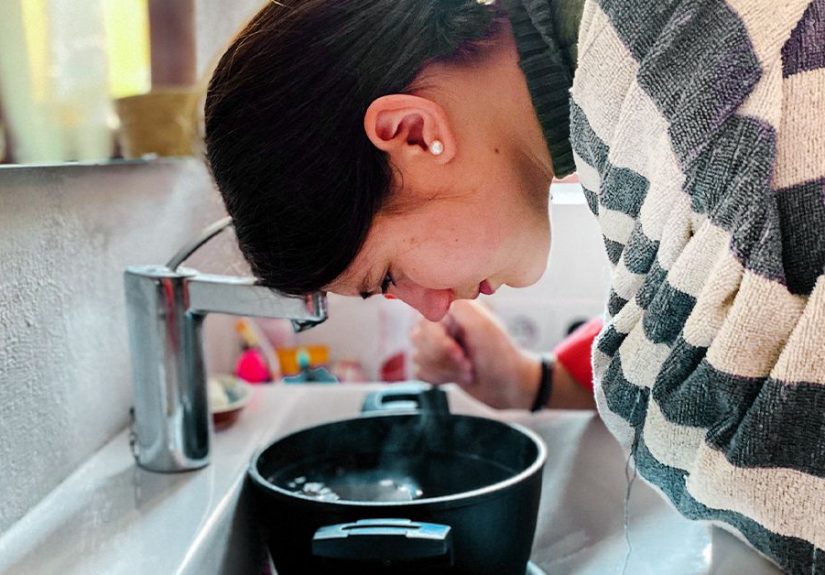
Steam does not melt polyps like cartoon snowmen, but it can temporarily loosen mucus and ease that tight, clogged feeling. A warm shower, steamy bathroom, or bowl of hot water can help. Keep it gentle and safe. The goal is comfort, not turning your face into a cautionary tale.
5. Drink enough water to thin mucus
Hydration sounds boring until you realize thick mucus behaves like traffic at rush hour. Drinking enough fluids helps keep mucus thinner and easier to move, which may reduce sinus pressure and postnasal drip. Water is great. Broth is fine. Sugary drinks pretending to be “wellness” are not mandatory.
6. Avoid smoke, fumes, and strong chemical irritants
Tobacco smoke, cleaning fumes, exhaust, dust, and heavy fragrances can irritate the nose and sinuses, feeding the inflammatory cycle behind nasal polyps. If your nose gets angry after exposure, believe it. Open windows when possible, wear a mask around strong irritants, and do not volunteer your sinuses for unnecessary combat.
7. Get serious about allergy control at home
When allergies are part of the picture, polyps often enjoy the chaos. Wash bedding weekly in hot water, keep windows closed during heavy pollen days, shower after being outside, and keep pets out of the bedroom if dander is a trigger. This is not glamorous self-care, but it is the kind that actually earns its paycheck.
8. Reduce dust and mold in your environment
Dust mites and mold can keep the nose inflamed for weeks or months without making a dramatic announcement. Vacuum regularly, especially rugs and upholstered furniture. Use a dehumidifier in damp rooms if needed. Fix leaks. Clean visible mold safely. Your sinuses prefer a boring home environment, not a science experiment.
9. Keep asthma and related conditions well managed
Nasal polyps often travel with friends, especially asthma and chronic sinus inflammation. If you already know you have asthma, allergic rhinitis, or aspirin sensitivity, keeping those conditions controlled may reduce flare-ups that make nasal polyps worse. In many cases, your nose is not being dramatic. It is part of a larger inflammation story.
10. Sleep with your head slightly elevated
Lying flat can worsen congestion and postnasal drip for some people, especially at night. Raising your head a little with an extra pillow or wedge may help you breathe more comfortably and cut down on morning sinus misery. It is a simple trick, but sometimes simple tricks are the ones that save the night.
11. Use warm compresses for sinus pressure
If facial pressure is part of your symptoms, a warm compress over the cheeks, nose, or forehead may help soothe discomfort and encourage drainage. It is not a cure, but it can make you feel more human, which counts for something when your face feels like it is storing weather.
12. Prioritize sleep, recovery, and everyday hygiene
Inflamed sinuses do not love exhaustion, repeated viral infections, or constant exposure to germs. Getting enough sleep, washing your hands, and avoiding sick contacts when possible can reduce the infections and irritation that keep symptoms smoldering. This is not the most exciting item on the list, but the body repairs itself better when it is not running on fumes.
What Not to Put in Your Nose
Let us save your sinuses from the internet’s stranger ideas. Do not put raw garlic, undiluted essential oils, random herbal pastes, or homemade mystery mixtures into your nose. They can irritate the tissue, cause burning, worsen swelling, or simply create a whole new problem for your doctor to discuss with a very patient expression.
Also, do not use plain tap water for nasal rinses. Always use distilled, sterile, or boiled and cooled water. Safe technique matters just as much as the rinse itself.
When Home Remedies Are Not Enough
Natural care can be useful, but it has limits. If you have persistent blockage, repeated sinus infections, major loss of smell, worsening asthma, or symptoms that keep coming back, a medical evaluation is worth it. Standard treatment often includes nasal steroid sprays, short courses of oral steroids, treatment for allergies or asthma, biologic medications in some cases, or surgery for larger polyps.
See a doctor sooner if you have severe facial swelling, high fever, vision changes, intense headache, heavy nosebleeds, trouble breathing, or symptoms mostly on one side of the nose. A stubborn “stuffy nose” should not automatically be blamed on allergies forever.
How to Build a Simple At-Home Routine
If you want something practical, here is a realistic routine. In the morning, do a saline rinse and use a saline spray later if dryness returns. During the day, stay hydrated and avoid known triggers like smoke or dusty rooms. In the evening, shower off pollen, run a clean humidifier if the air is dry, and sleep with your head slightly elevated. Then repeat until your nose stops acting like a clogged hallway.
Consistency matters more than perfection. A decent daily routine done regularly usually beats a heroic but chaotic routine done twice a month.
Final Thoughts
The best nasal polyps natural treatment plan is one that lowers inflammation, improves drainage, and cuts down on triggers that keep the cycle going. Saline irrigation, humidified air, hydration, allergen control, and cleaner indoor air can all make a meaningful difference. But if symptoms are significant, recurrent, or getting worse, home treatment should work alongside professional care, not instead of it.
In other words, respect the power of home remedies, but do not ask them to do a surgeon’s job. Your nose deserves realism, relief, and maybe a little less chaos.
Experience-Based Insights: What Living With Nasal Polyps Often Feels Like
The experience of dealing with nasal polyps is often more exhausting than dramatic. It usually does not look like an emergency. It looks like a person buying tissues in bulk, forgetting what coffee smells like, and wondering why they are tired even after eight hours in bed. Many people describe it as a slow drip of inconvenience that eventually takes over sleep, energy, exercise, mood, and concentration.
One common experience is the “I thought it was just allergies” stage. Someone starts with seasonal congestion, then notices the stuffy feeling never really leaves. They mouth-breathe at night, wake up with a dry throat, and feel like their head is packed with cotton. At first, they shrug it off. Months later, they realize they have not smelled shampoo, rain, or dinner properly in ages. That is often the moment the problem starts feeling real.
Another familiar story is the nightly snoring saga. A person with nasal polyps may not even know how blocked they are until a partner points out the snoring, restless sleep, or constant throat-clearing. Once they start a simple home routine, such as saline rinsing and reducing bedroom allergens, they sometimes notice the first win is not dramatic breathing freedom. It is sleeping a little deeper and waking up a little less foggy. Small improvements can feel huge when the baseline has been miserable for a long time.
People with allergies or asthma often describe nasal polyps as part of a chain reaction. Pollen kicks up the nose. The nose inflames the sinuses. The postnasal drip irritates the throat. The chest gets tighter. Suddenly, one problem has invited three friends over. In those cases, home treatment works best when it is not just “fix the nose,” but “calm the whole inflammatory mess.” Cleaning the bedroom, controlling dust, avoiding smoke, and staying on top of related conditions can make the nose much less rebellious.
There is also a mental side to the experience that does not get enough attention. When smell fades, enjoyment fades with it. Food becomes flatter. Warning smells become harder to detect. Daily life feels oddly dull. Some people say this is the symptom that bothers them most, even more than congestion. Breathing through your mouth is annoying. Losing the smell of coffee, shampoo, rain, or your favorite meal is surprisingly emotional.
Then there is the reality check many people eventually reach: home remedies may help a lot, but they do not always solve everything. Some people feel noticeably better with rinsing, humidity, and trigger control. Others improve halfway and then hit a wall. That does not mean they failed. It usually means the inflammation is bigger than what home care alone can handle. For many, the smartest move is combining a good home routine with proper medical treatment instead of treating the whole issue like a DIY challenge with a humidifier and optimism.
The most encouraging pattern is this: people often do better when they stop looking for one miracle fix and start using steady, boring habits that reduce irritation day after day. Saline rinse. Cleaner air. Fewer triggers. Better sleep. More water. Less smoke. It is not flashy, but it is often the difference between feeling constantly clogged and finally getting a little breathing room.