Table of Contents >> Show >> Hide
- What Is Mughlai Chicken?
- Why This Mughlai Chicken With Gravy Recipe Works
- Ingredients for Mughlai Chicken Gravy
- Best Chicken Cut for Mughlai Chicken
- Step-by-Step Mughlai Chicken With Gravy Recipe
- How to Make the Gravy Extra Smooth
- Flavor Variations
- What to Serve With Mughlai Chicken
- Storage and Reheating Tips
- Common Mistakes to Avoid
- Experience Notes: What I Learned Making Mughlai Chicken With Gravy
- Conclusion
Some chicken recipes politely enter the room. Mughlai chicken with gravy arrives wearing silk, smelling like toasted spices, and acting like it owns the dining table. Rich, creamy, gently spiced, and deeply aromatic, this classic North Indian-inspired dish is the kind of curry that makes plain rice feel like it has suddenly received a promotion.
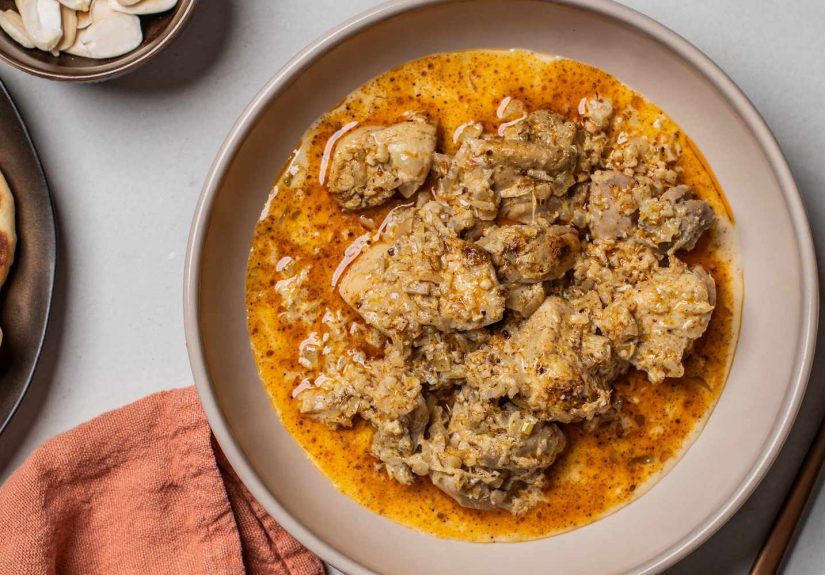
This Mughlai chicken with gravy recipe is built for home cooks who want restaurant-style flavor without needing a royal kitchen staff, a copper cauldron, or a dramatic background score. The gravy is made with onions, yogurt, cream, nuts, whole spices, and tender chicken simmered until every bite tastes luxurious but still balanced. It is not meant to burn your eyebrows off. Mughlai cooking is more about warmth, fragrance, texture, and richness than aggressive heat.
Below, you will find a complete step-by-step recipe, ingredient tips, cooking notes, serving ideas, storage advice, and real kitchen experience to help you make a smooth, flavorful Mughlai chicken gravy that tastes special enough for guests but practical enough for a weekend dinner.
What Is Mughlai Chicken?
Mughlai chicken is a rich chicken curry associated with the flavors of Mughlai cuisine, a style influenced by royal kitchens of the Indian subcontinent. Compared with everyday chicken curry, Mughlai chicken usually has a smoother, creamier gravy and uses ingredients such as yogurt, cream, almonds, cashews, fried onions, cardamom, cinnamon, cloves, coriander, cumin, and garam masala.
The result is a dish that feels elegant rather than fiery. The gravy should be velvety, slightly nutty, mildly tangy from yogurt, and gently sweet from browned onions and cream. Think of it as the well-dressed cousin of chicken curry: still comforting, but with better posture.
Why This Mughlai Chicken With Gravy Recipe Works
A good Mughlai chicken recipe depends on layers. First, the chicken is marinated with yogurt, ginger, garlic, and spices so it becomes flavorful before it even touches the pan. Then onions are cooked until golden to create natural sweetness. Nuts are blended into the sauce to give body, while cream adds that silky finish everyone secretly hopes for when they order curry at a restaurant.
The best part is that this recipe does not require complicated equipment. A heavy pan, blender, measuring spoons, and a little patience are enough. The patience matters because Mughlai gravy rewards slow cooking. Rush the onions and they taste sharp. Burn them and the gravy gets bitter. Cook them properly and they become the quiet hero of the dish.
Ingredients for Mughlai Chicken Gravy
For the Chicken Marinade
- 2 pounds boneless skinless chicken thighs or bone-in chicken pieces
- 1/2 cup plain whole-milk yogurt
- 1 tablespoon ginger-garlic paste
- 1 tablespoon lemon juice
- 1 teaspoon ground coriander
- 1/2 teaspoon ground cumin
- 1/2 teaspoon turmeric
- 1/2 teaspoon Kashmiri chili powder or mild paprika
- 1 teaspoon salt
For the Mughlai Gravy
- 3 tablespoons ghee or neutral oil
- 2 large yellow onions, thinly sliced
- 1 tablespoon ginger-garlic paste
- 1 bay leaf
- 1 cinnamon stick
- 4 green cardamom pods, lightly crushed
- 3 cloves
- 1 teaspoon ground coriander
- 1/2 teaspoon ground cumin
- 1/2 teaspoon Kashmiri chili powder or paprika
- 1/4 teaspoon ground nutmeg
- 1/2 teaspoon garam masala
- 1/3 cup raw cashews or blanched almonds, soaked in hot water for 20 minutes
- 1/2 cup plain yogurt, whisked until smooth
- 1/2 cup heavy cream
- 1 to 1 1/4 cups warm chicken stock or water
- 1 teaspoon sugar or honey, optional
- Salt to taste
- 2 tablespoons chopped cilantro for garnish
- 2 tablespoons toasted sliced almonds for garnish
Best Chicken Cut for Mughlai Chicken
Boneless chicken thighs are the easiest choice because they stay juicy and cook evenly. Chicken breast works, but it can dry out if cooked too long. Bone-in chicken gives deeper flavor, especially if you have time to simmer the curry gently. For a party-style Mughlai chicken gravy, bone-in pieces are excellent. For a weeknight meal, boneless thighs are the friendly option that does not make you wrestle with bones while wearing a nice shirt.
Step-by-Step Mughlai Chicken With Gravy Recipe
Step 1: Marinate the Chicken
In a large bowl, combine yogurt, ginger-garlic paste, lemon juice, coriander, cumin, turmeric, Kashmiri chili powder, and salt. Add the chicken and coat every piece well. Cover and refrigerate for at least 30 minutes. For deeper flavor, marinate for 2 to 4 hours.
Do not skip the marinade. Yogurt helps the spices cling to the chicken and gives the final dish a gentle tang. It is the difference between chicken that tastes seasoned and chicken that tastes like it just wandered into the gravy at the last minute.
Step 2: Soak and Blend the Nuts
Place cashews or blanched almonds in a small bowl and cover them with hot water for about 20 minutes. Drain and blend with a few tablespoons of water until smooth. This nut paste thickens the gravy and gives Mughlai chicken its signature richness.
Step 3: Cook the Onions Slowly
Heat ghee or oil in a heavy pan over medium heat. Add the sliced onions and cook, stirring often, until they turn golden brown. This usually takes 12 to 15 minutes. Remove half of the onions and set them aside for blending if you want a smoother gravy.
Keep the heat moderate. Dark brown onions can taste bitter, and bitter gravy is not a personality trait we want in dinner. Golden is the goal.
Step 4: Bloom the Whole Spices
Add the bay leaf, cinnamon stick, cardamom pods, and cloves to the pan. Stir for 30 seconds until fragrant. Whole spices add depth to the gravy and make the kitchen smell like something wonderful is about to happen.
Step 5: Add Ginger-Garlic Paste and Ground Spices
Stir in the ginger-garlic paste and cook for 1 minute. Add coriander, cumin, Kashmiri chili powder, nutmeg, and garam masala. Cook the spices briefly so their aroma opens up. If the pan looks dry, splash in a tablespoon of water to prevent burning.
Step 6: Cook the Chicken
Add the marinated chicken to the pan. Cook for 6 to 8 minutes, stirring occasionally, until the chicken begins to lose its raw color and the marinade thickens around it. This step helps seal flavor into the meat and prevents the gravy from tasting watery.
Step 7: Build the Mughlai Gravy
Lower the heat. Add the nut paste and stir well. Whisk the yogurt until smooth, then add it gradually while stirring. Pour in warm chicken stock or water. Cover the pan and simmer gently for 18 to 25 minutes, depending on the size of the chicken pieces.
Keep the curry at a gentle simmer. Boiling aggressively can cause yogurt to split, and split yogurt makes the gravy look less smooth. It will still taste fine, but it may not have that royal, glossy finish.
Step 8: Finish With Cream
Once the chicken is fully cooked and tender, reduce the heat to low and stir in the cream. Add sugar or honey if you want a very mild sweetness. Taste and adjust salt. Simmer for another 3 to 5 minutes until the gravy becomes creamy and cohesive.
For food safety, chicken should reach an internal temperature of 165°F when checked with a food thermometer. This is the one part of the recipe where guessing is not charming.
Step 9: Garnish and Serve
Remove the cinnamon stick, bay leaf, and whole cloves if you can find them. Garnish with cilantro and toasted sliced almonds. Serve hot with naan, roti, paratha, basmati rice, jeera rice, or pulao.
How to Make the Gravy Extra Smooth
For a restaurant-style Mughlai chicken gravy, blend the cooked onions with the soaked nuts before adding them back to the pan. This creates a smoother sauce with fewer onion pieces. You can also strain the blended mixture if you want an ultra-silky texture, though most home cooks can happily skip that step and still get excellent results.
Another trick is to use warm liquid instead of cold water when building the gravy. Warm stock blends more easily with yogurt and nut paste. It also keeps the cooking temperature steady, which helps prevent curdling.
Flavor Variations
Restaurant-Style Mughlai Chicken
Add 1 tablespoon of butter with the cream and finish with a tiny pinch of crushed dried fenugreek leaves. This gives the gravy a polished restaurant aroma without turning it into butter chicken.
Spicier Mughlai Chicken Gravy
Add 1 finely chopped green chili with the ginger-garlic paste or increase the Kashmiri chili powder. Mughlai chicken is traditionally mild to medium, so increase heat carefully. You want warmth, not a fire alarm.
Nut-Free Mughlai Chicken
If you need a nut-free version, skip the cashews or almonds and use extra yogurt plus a little heavy cream. The gravy will be less nutty but still creamy. You can also blend cooked onions very smoothly to give the sauce more body.
Dairy-Light Version
Replace part of the cream with evaporated milk or use a smaller amount of cream at the end. Full-fat yogurt is still recommended because low-fat yogurt can split more easily during simmering.
What to Serve With Mughlai Chicken
Mughlai chicken with gravy pairs beautifully with soft naan because the bread catches every drop of sauce. Basmati rice is another classic choice, especially when the gravy is slightly thinner. For a more festive plate, serve it with saffron rice, peas pulao, cucumber raita, and a simple onion salad with lemon.
If you want a complete dinner, add a vegetable side such as roasted cauliflower, sautéed spinach, or green beans. The gravy is rich, so something fresh or lightly spiced on the side keeps the meal balanced.
Storage and Reheating Tips
Mughlai chicken often tastes even better the next day because the spices have time to settle into the gravy. Store leftovers in an airtight container in the refrigerator for up to 3 days. Reheat gently on the stovetop over low heat, adding a splash of water or stock if the gravy has thickened too much.
You can freeze Mughlai chicken, but cream-based sauces may change texture slightly after thawing. For best results, freeze the curry before adding cream, then stir in fresh cream while reheating.
Common Mistakes to Avoid
Using High Heat After Adding Yogurt
Yogurt can split when boiled hard. Always lower the heat and stir continuously when adding yogurt to the gravy.
Skipping the Onion Browning
Pale onions produce a flat gravy. Take time to cook them until golden and sweet.
Adding Too Much Garam Masala
Garam masala is powerful. A small amount adds fragrance; too much can dominate the dish and make it taste dusty. Measure with respect.
Making the Gravy Too Thick Too Early
Nut paste thickens as it cooks. If the gravy looks a little loose at first, do not panic. Let it simmer before deciding whether to reduce it further.
Experience Notes: What I Learned Making Mughlai Chicken With Gravy
The first thing you learn when making Mughlai chicken with gravy is that the recipe is not difficult, but it does have opinions. It wants you to slow down. It wants the onions cooked properly, the yogurt added gently, and the spices given a minute to bloom. Try to rush it, and the gravy quietly becomes average. Give it a little patience, and suddenly dinner tastes like something that should be served in a fancy bowl while someone compliments your “depth of flavor,” which is always a nice sentence to hear.
My biggest experience-based tip is to use chicken thighs if you want the safest path to tenderness. Chicken breast can work, especially if you cut it into larger pieces and avoid overcooking, but thighs are more forgiving. They stay juicy through simmering and absorb the gravy beautifully. Bone-in chicken gives even more flavor, but it also takes longer and can be slightly messier at the table. For family dinners, boneless thighs are the sweet spot: flavorful, easy, and less likely to create a pile of bones beside the plate like a tiny archaeological site.
Another lesson is that the gravy texture depends heavily on the nuts. Soaking cashews or almonds is not just a polite suggestion; it makes blending much easier. If the nuts are not softened, the sauce may taste fine but feel slightly grainy. A powerful blender helps, but even an ordinary blender can make a smooth paste if the nuts are soaked long enough and blended with a little warm water. Cashews give a creamier, sweeter finish, while almonds add a slightly deeper nuttiness. Both are delicious, so this is one of those rare kitchen decisions where everyone wins.
The yogurt step deserves special attention. Cold yogurt added straight into a hot pan can misbehave. Whisk it first, lower the heat, and add it slowly while stirring. This keeps the gravy smoother. If it still separates a little, do not throw the pan into the sink and question your life choices. Reduce the heat, stir calmly, and continue. Once the cream and nut paste settle in, the sauce often comes back together enough to be perfectly enjoyable.
Serving also changes the experience. With naan, Mughlai chicken feels indulgent and cozy because the bread scoops up the thick gravy. With basmati rice, the dish becomes softer and more balanced, especially if the gravy is slightly thinner. For guests, I like serving it with rice, naan, sliced cucumbers, lemon wedges, and a quick raita. The fresh sides cut through the richness and make the meal feel complete rather than heavy.
Finally, Mughlai chicken is a wonderful make-ahead dish. The flavor deepens after resting, which means leftovers are not a compromise; they are a reward. Reheat it slowly and add a splash of water or stock to loosen the gravy. If you are cooking for company, make it earlier in the day, then finish with cream and garnish before serving. It reduces stress and makes you look organized, which is basically the culinary version of wearing a blazer.
Conclusion
This Mughlai chicken with gravy recipe brings together tender chicken, creamy nut-thickened sauce, warm spices, yogurt, and cream in one deeply comforting dish. It is rich but not overwhelming, elegant but not fussy, and impressive without demanding professional chef energy. Whether you serve it with naan, rice, or pulao, the key is balance: golden onions, smooth nut paste, gentle simmering, and careful seasoning.
Make it once, and it may become your favorite special-occasion chicken curry. Make it twice, and you will probably start adjusting the spice level, perfecting the gravy texture, and casually saying things like, “I prefer cashews here for mouthfeel.” Congratulations. You are now that cook.
Note: This article is written as original, publish-ready content based on established Mughlai-style cooking techniques, practical recipe testing principles, and standard chicken safety guidance.