Table of Contents >> Show >> Hide
- What Is the Military Sleep Method?
- Why the Method Gets So Much Attention
- How to Do the Military Sleep Method, Step by Step
- Why This Can Actually Help You Fall Asleep Faster
- The Catch: It Is Not a Miracle and It Is Not for Every Sleep Problem
- How to Make the Military Sleep Method Work Better
- When You Should Look Beyond Sleep Hacks
- Is the Military Sleep Method Worth Trying?
- Common Real-World Experiences With the Military Sleep Method
- Final Thoughts
Some people drift off the second their head hits the pillow. The rest of us? We perform a full Broadway revival in our brains starring tomorrow’s to-do list, that awkward thing we said in 2017, and a sudden urge to reorganize the garage at 11:43 p.m. That is exactly why the military sleep method has exploded online. It promises something wildly attractive: the ability to fall asleep fast, even when life feels loud, stressful, and absolutely committed to ruining bedtime.
But does this famous technique really work? The honest answer is more interesting than the hype. The military sleep method is not magic, and it is not a guaranteed “lights out in 120 seconds” trick for every human with a pulse. Still, it combines several legitimate sleep-friendly habits: muscle relaxation, slow breathing, mental imagery, and reduced cognitive chatter. In other words, it is less “secret government nap code” and more “a smart way to stop your nervous system from acting like it just drank three espressos.”
In this guide, we will break down what the military sleep method is, where it came from, how to do it step by step, why it may help, where the claims get exaggerated, and how to make it more effective in the real world. Because if you are going to test a viral sleep hack, it might as well be one that asks you to breathe slowly and relax your face instead of buying moon dust from the internet.
What Is the Military Sleep Method?
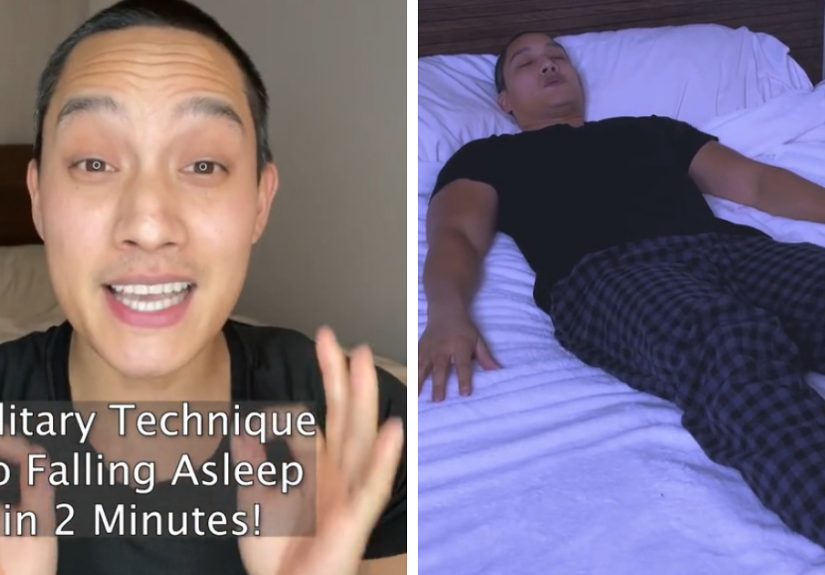
The military sleep method is a relaxation routine designed to help you quiet your body and mind quickly enough to fall asleep. Most modern versions follow the same structure: relax the face, release the shoulders and arms, slow the breath, relax the chest and legs, then visualize something calm or repeat a simple mental cue until your thoughts settle down.
The method is commonly linked to Lloyd Bud Winter’s book Relax and Win: Championship Performance, which helped popularize the claim that military trainees could learn to fall asleep in roughly two minutes, even under less-than-cozy conditions. That origin story is part of what made the technique famous. It sounds impressive, intense, and very efficientlike your bedtime was suddenly assigned to a drill sergeant who tolerates no nonsense.
Here is the important reality check: the two-minute sleep claim is part of the method’s lore, not a modern medical guarantee. Sleep experts generally agree that the method itself has not been specifically tested in high-quality clinical studies. What has been studied are the pieces inside it, and those pieces are solid: relaxation techniques, breathing exercises, guided imagery, and habits that reduce bedtime arousal.
Why the Method Gets So Much Attention
Because modern life is basically a conspiracy against sleep. We stare at bright screens, snack too late, keep strange schedules, answer messages at midnight, and then expect our brains to switch from “urgent spreadsheet raccoon mode” to “peaceful cloud drifting mode” in six seconds. The military sleep method appeals to people because it offers structure. When you are tired but wired, structure helps.
It also works on a deeper level: the technique gives your brain something specific to do besides worry. Instead of arguing with yourself about whether you are sleepy enough, you move attention through the body, control the breath, and redirect mental energy toward neutral or calming images. That lowers the mental volume. Not always immediately, but often enough to matter.
How to Do the Military Sleep Method, Step by Step
If you want to try the method tonight, do not overcomplicate it. The goal is not to perform like an Olympic sleeper. The goal is to reduce tension, reduce stimulation, and stop your thoughts from crowd-surfing across your brain.
Step 1: Relax Your Face
Lie down comfortably. Close your eyes. Unclench your forehead. Soften your eyelids. Let your jaw hang loose. Relax your cheeks, lips, and even the muscles around your tongue. This sounds tiny, but it matters. Many people carry tension in the face without realizing it. If your face is bracing like it is preparing for impact, your body gets the message that sleep is not exactly safe territory yet.
Step 2: Drop Your Shoulders and Arms
Let your shoulders fall away from your ears. Release your neck. Relax one arm at a time, starting from the upper arm and moving through the forearm, wrist, and hand. Then do the same on the other side. If you notice you are still holding tension, imagine your arms getting heavier with each exhale, like your body has officially resigned from the stress committee.
Step 3: Relax Your Chest and Slow Your Breathing
Now turn your attention to your breathing. Do not force giant dramatic breaths like you are auditioning for a wellness commercial. Just breathe slowly and evenly. Let the chest soften. A slightly longer exhale can help signal safety and calm. Think less “performance breathing” and more “my nervous system no longer needs to send memos.”
Step 4: Relax Your Legs
Move down through the thighs, calves, ankles, and feet. Let each area go loose. If your legs feel busy, twitchy, or oddly interested in practicing karate, do not panic. Just notice the tension and let it melt a little at a time. The aim is not total perfection. It is progressive unwinding.
Step 5: Clear Your Mind With Imagery or a Simple Phrase
This is the part many people either love or find hilariously awkward at first. Imagine a peaceful scene: floating on a calm lake, lying in a dark quiet room, resting in a hammock, or watching slow clouds drift across the sky. Use sensory details. What do you hear? What does the air feel like? If visualization is not your thing, repeat a simple phrase such as don’t think or just rest for several seconds.
The point is not to force your mind blank. Human minds are terrible at being commanded into silence. The point is to gently crowd out stimulating thoughts with something boring, rhythmic, or soothing. Bedtime is one of the few moments in life where boring is a feature, not a bug.
Why This Can Actually Help You Fall Asleep Faster
The military sleep method works best when you understand what it is really doing. It is not knocking you out. It is reducing the conditions that keep you awake.
First, the method resembles progressive muscle relaxation. This kind of body scanning and releasing tension can help people notice how physically “on” they still are at bedtime. Second, the breathing component can reduce physiological arousal. Third, visualization gives the brain a calmer target than worry, rumination, or late-night mental detective work about whether that email sounded rude.
In practical terms, the method may help if your main issue is that your body feels tense, your thoughts keep looping, or your bedtime routine is missing an actual off-ramp. It may be especially useful for people who are mentally overstimulated, mildly anxious at bedtime, traveling, or trying to recover from a stretch of terrible sleep habits.
The Catch: It Is Not a Miracle and It Is Not for Every Sleep Problem
Here is where a responsible article has to put on its sensible shoes. The military sleep method is not a cure for chronic insomnia, sleep apnea, restless legs syndrome, depression-related sleep disruption, medication effects, shift-work issues, or a lifestyle built around energy drinks and midnight doomscrolling.
It also may not work in two minutes, especially at first. In fact, many people need days or weeks of practice before the sequence feels natural. If your first attempt feels clunky, that is normal. Relaxation is a skill, and skills are rude enough to require practice.
There is another psychological twist worth mentioning: trying too hard to fall asleep often backfires. Sleep does not like pressure. The more aggressively you chase it, the more it jogs away laughing. If the method starts to feel like a bedtime performance review, ease up. Use it as a calming ritual rather than a stopwatch challenge.
How to Make the Military Sleep Method Work Better
If you want better odds, pair the method with healthy sleep habits. This is where the non-glamorous stuff does the heavy lifting.
- Keep a regular schedule. Going to bed and waking up at consistent times helps your body know when sleep is supposed to happen.
- Make the room sleep-friendly. Cool, dark, quiet beats hot, bright, and chaotic every single time.
- Put screens away before bed. Your phone is not a lullaby device. It is a tiny casino for your attention.
- Watch late caffeine and alcohol. Caffeine can linger for hours, and alcohol often disrupts sleep quality later in the night.
- Avoid heavy meals right before bed. Your digestive system should not have to host a dinner party while you are trying to sleep.
- Create a wind-down routine. Reading, stretching, dim lights, a warm shower, or calm music can cue your body that bedtime is approaching.
Think of the military sleep method as a good final scene in a bedtime routine, not the entire movie. If your evenings are chaotic and overstimulating, a two-minute technique has to work much harder.
When You Should Look Beyond Sleep Hacks
If you have trouble sleeping several nights a week for weeks at a time, or you are exhausted during the day even when you think you slept enough, do not settle for endless internet hacks. Talk to a healthcare professional. Evidence-based care matters.
For chronic insomnia, experts often recommend cognitive behavioral therapy for insomnia (CBT-I) as the first-line treatment. That is a bigger, more strategic approach that may include sleep education, stimulus control, relaxation training, and changes that retrain how your mind and body respond to bedtime. In plain English: if your sleep has become a long-running feud, you may need more than a clever trick.
You should also seek help if you snore heavily, gasp during sleep, wake up choking, feel a creepy-crawly urge to move your legs at night, or rely on sleep aids constantly. Those can point to issues that deserve proper evaluation.
Is the Military Sleep Method Worth Trying?
Yeswith realistic expectations. It is free, simple, low-risk for most people, and built from techniques that genuinely support relaxation. It may not knock you out in 120 seconds, but it can help shift your body out of “alert mode” and into something closer to “maybe sleep will stop ghosting me tonight.”
The best way to think about it is this: the military sleep method is not a magic off switch. It is a sleep setup routine. And good sleep often depends less on dramatic hacks than on repeated signals that tell your body, night after night, you are safe, you are done for the day, and you do not need to solve every problem before sunrise.
Common Real-World Experiences With the Military Sleep Method
People who try the military sleep method often report a surprisingly similar first reaction: this feels too simple to do anything. Then they try it for a few nights and realize how tense they actually are at bedtime. The jaw is clenched. The shoulders are halfway to the ears. The stomach is tight. The brain is running a late shift no one approved. For many, the biggest benefit is not instant sleep but a sudden awareness that they have been trying to sleep with the emotional posture of someone waiting for tax news.
Another common experience is that the body relaxes faster than the mind. A person may feel their arms and legs go heavy, their breathing slow down, and their chest loosenyet the brain still insists on replaying conversations, scheduling tomorrow, or writing imaginary acceptance speeches. That is where visualization tends to matter most. Some people do well imagining a canoe on still water or a dark quiet room. Others prefer repeating a short phrase because mental pictures feel like too much work. This does not mean they are failing. It just means different brains respond to different calming anchors.
Many people also discover that the method works better on the fourth or fifth night than on the first. That makes sense. The sequence becomes familiar, and familiarity itself is soothing. Bedtime stops feeling random. Instead of lying there wondering what to do, you have a script. Relax the face. Drop the shoulders. Exhale. Soften the legs. Clear the mind. Repeat. It becomes a ritual, and rituals are powerful because they reduce uncertainty.
There are also plenty of people who say the method “definitely works,” but what they usually mean is more nuanced than the internet headline. Often, they do not literally fall asleep in two minutes every night. What changes is that they fall asleep faster than before, wake up less frustrated, and stop spiraling when sleep does not arrive immediately. That is still a meaningful win. Going from 45 minutes of tossing and turning to 15 minutes of calm drifting is not flashy, but it is life-improving.
On the other hand, some people try the method and feel underwhelmed. Usually, one of three things is happening. First, they are expecting instant results and abandon it too quickly. Second, their sleep environment is fighting themtoo much light, too much noise, too much screen exposure, too much caffeine, or a bedtime that changes every night. Third, they are dealing with a bigger sleep issue, such as chronic insomnia, nighttime anxiety, or a medical condition that a relaxation technique alone cannot fix.
Perhaps the most relatable experience of all is this: the method sometimes works best on nights when you stop demanding that it work. When used as a calm routine rather than a desperate challenge, it can feel less like a test and more like permission. Permission to slow down. Permission to unclench. Permission to let the day end without one more thought, one more scroll, one more tiny crisis. And honestly, in a culture that treats rest like a negotiable side quest, that may be the most powerful part of the whole method.
Final Thoughts
The military sleep method is worth trying if you want a practical, no-cost way to calm down at bedtime. It is easy to learn, easy to repeat, and grounded in real relaxation principles. Just keep your expectations sane. You are not failing if you do not fall asleep in two minutes flat. You are succeeding if the method helps your body soften, your mind quiet down, and your nights become less of a wrestling match.
Sleep is rarely improved by panic, perfectionism, or bedtime theatrics. More often, it improves through repetition, environment, and a nervous system that finally gets the memo that the day is over. If the military sleep method helps deliver that memo, then yesit may very well feel like it definitely works.