Table of Contents >> Show >> Hide
Note: This article discusses a public comedy controversy involving jokes about domestic violence. It is written for analysis and web publication in a non-graphic, informational way.
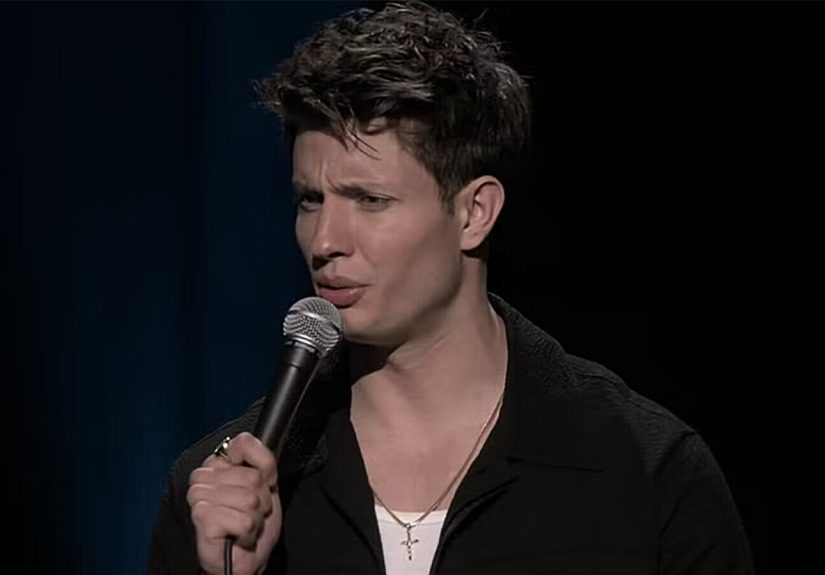
Comedy has always loved a dangerous line. The trouble starts when a comedian treats that line less like a boundary and more like a trampoline. That is roughly where Matt Rife found himself after his Netflix special Natural Selection sparked backlash over an opening joke about domestic violence, then kept the controversy alive with a mock apology, and later tried to swat the whole thing away with a defense that sounded more like a shrug than a reckoning: “I didn’t hit anybody.”
On paper, that defense sounds simple. In real life, it landed like a brick in a glass house. Critics were not accusing Rife of personally committing violence. They were criticizing the joke, the framing, the target, and the bigger message that came with it. To many viewers, especially women and survivors of abuse, the issue was never whether he had physically harmed someone himself. The issue was whether joking about abuse in a way that blames or belittles victims is clever, lazy, cruel, or some combination of all three. Spoiler alert: a lot of people chose door number four, “all of the above.”
The controversy became more than a standard celebrity flare-up because it touched several modern pressure points at once: Netflix comedy culture, TikTok fandom, gender politics, cancel-culture rhetoric, and the old stand-up argument about whether audiences are too sensitive or comics are too sloppy. With Rife, the debate also carried extra heat because his rise was fueled by a large female fan base that knew him less as an insult comic and more as the flirty king of crowd work clips. When Natural Selection arrived, many viewers felt they had been sold one comedian and handed another.
What Happened in Natural Selection?
Rife’s Netflix special premiered in November 2023 and quickly got attention for reasons both good and very bad. The commercial side looked strong. The cultural side looked like a car trying to parallel park into a bonfire. The special opened with a joke about a restaurant hostess with a black eye, followed by a punchline implying that if she could cook, she would not have been hit. He then framed the bit as a test of whether the audience was “fun,” essentially using domestic violence as a vibe check.
That move instantly shaped the conversation around the special. Viewers who might have forgiven a risky joke if it felt sharp or purposeful instead saw something else: an opener that seemed to make a victim the butt of the joke. In comedy terms, critics argued it was a classic case of punching down. In human terms, they thought it was ugly. And once clips spread across social media, the backlash moved fast.
This was not a tiny niche quarrel among comedy nerds in a basement lined with vinyl records and emotional damage. The criticism spilled across TikTok, entertainment media, and mainstream news coverage. People were not only reacting to the joke itself, but also to what it suggested about Rife’s instincts. Was he trying to prove he could be edgier than the charming crowd-work persona that made him famous? Was he rebelling against the expectations of a female-heavy audience? Or was he simply serving undercooked material and hoping confidence would count as seasoning?
Why the Backlash Blew Up So Fast
His Audience Expected One Version of Matt Rife
Much of Rife’s popularity came from short-form clips that made him look quick, playful, and unusually responsive to audiences. His appeal was not just that he was handsome, though that certainly did not hurt. It was that he felt accessible. The internet had turned him into a sort of comedy boyfriend for an era of algorithmic thirst. Then Natural Selection showed a harder, more defensive, more antagonistic side.
That mismatch mattered. Audience backlash is often fiercest when fans feel whiplash. People can tolerate edgy humor when they believe the comedian understands the material, the target, and the room. But when the joke feels cheap, the reaction turns from “That was offensive” to “Wait, who are you actually talking to?” Rife’s special seemed to ask that question over and over.
The “Apology” Made Everything Worse
If the special lit the fuse, the Instagram response poured lighter fluid on it. Rather than offering a real apology, Rife posted what he called an official one that linked to a site selling helmets for people with special needs. That triggered a second wave of criticism, this time not only for the domestic violence joke but for the ableist tone of the comeback itself.
From a crisis-management perspective, this was elite-level self-sabotage. If your first controversy is “people think I mocked abuse victims,” and your follow-up is “here is a mocking fake apology involving disability,” you have not exactly redirected the narrative. You have merely upgraded it to a worse narrative with bonus features. In the public eye, the post looked less like standing by a joke and more like sneering at anyone who objected to it.
That response also reinforced a perception that Rife was not interested in defending the joke on artistic grounds. He seemed more interested in mocking the people who disliked it. For critics, that distinction mattered. There is a difference between saying, “I believe in dark humor,” and saying, “Everyone who disliked this must be the problem.” One opens a debate. The other starts a food fight.
Then Came the Defense: “I Didn’t Hit Anybody”
Months later, Rife revisited the controversy during a Hollywood Bowl performance, where he referenced the outrage around his earlier comments. He joked about getting in trouble over the “special needs helmets” bit and, in the broader defense around the controversy, leaned into the idea that the criticism was misplaced because, in his words, he had not actually hit anyone. On its face, that argument sounds like common sense. Under pressure, though, it collapses quickly.
Why? Because criticism of speech is not the same thing as accusing speech of being identical to physical violence. Nobody serious was arguing that telling a joke equals assault. They were arguing that public jokes can normalize attitudes, trivialize real trauma, and reveal a comedian’s target choices. Saying “I didn’t hit anybody” skips over the actual complaint and replaces it with an easier one to knock down.
It is the rhetorical version of showing up to a chess match wearing boxing gloves and then bragging that nobody can beat you at boxing. Technically dramatic, strategically useless.
Rife did briefly add that domestic violence is not funny, which sounds like a corrective, but by then the damage was done. For many people, the sentence felt less like reflection and more like an escape hatch. If you frame a controversy with mockery first and seriousness second, audiences tend to believe the first instinct is the real one.
The Bigger Debate: Can Comedy Go Dark Without Going Cheap?
Of course comedy can go dark. It always has. Some of the best stand-up ever written has taken on death, trauma, addiction, racism, religion, war, and personal shame. The issue is not whether a subject is forbidden. The issue is whether the comedian has an actual point of view, real craft, and enough intelligence to know where the joke lands.
That is why the Matt Rife controversy stuck. Critics did not just say the joke was offensive. They said it was weak. That distinction is brutal for a comic because offense alone can sometimes be worn like a badge. Unfunny offense is much harder to glamorize. If a comedian is going to walk into material involving domestic violence, audiences expect some combination of precision, insight, tension, misdirection, or social commentary. What they do not want is a joke that sounds like it was assembled from old stereotypes and overconfidence in the parking lot.
There is also a real-world context here that makes the subject especially sensitive. Intimate partner violence affects millions of people in the United States. For survivors, jokes that blame victims or turn visible signs of abuse into punchlines do not exist in some sealed-off comedy bubble. They land in a culture where many people already struggle to be believed, supported, or taken seriously. That does not mean comedy must become sterile. It does mean audiences may judge a comedian by whether the joke punches at power, exposes hypocrisy, or merely stomps on pain because it is easy.
Why This Controversy Became a Brand Story
Plenty of comics survive backlash. In fact, some monetize it beautifully. The difference here is that Rife’s fame was tied to likability as much as humor. He was not introduced to the broader public as a snarling, chaos-loving provocateur. He was introduced as the guy whose clips made women laugh, flirt, scream, and flood comment sections with heart-eye emojis. That made the controversy feel, for some fans, less like a predictable scandal and more like a betrayal of the implied contract.
That is also why the “you can’t cancel me” energy surrounding the story felt oddly beside the point. Rife continued to work, continued to draw crowds, and continued to benefit from the attention. The backlash did not erase him. But it did alter the frame around him. After the special, his public image was no longer just “viral crowd-work heartthrob.” It became “viral crowd-work heartthrob with a controversy problem.” That is a very different headline to carry around, especially when you are still building a mainstream brand.
In entertainment, controversy is not always a career killer. Sometimes it is merely a label-maker. And labels, unlike apology links, tend to stick.
Audience Experience: Why This Story Hit So Hard
To understand why this topic kept resurfacing, it helps to look at the experience around it, not just the headlines. For many viewers, the first reaction was not abstract outrage. It was a very immediate feeling of discomfort. Some had pressed play expecting a smooth transition from TikTok charisma to Netflix polish. Instead, they were greeted by a joke that made abuse feel casual. That kind of opening changes how an audience watches everything that follows. It is like a host greeting you at the door by kicking over a chair and then asking why dinner feels awkward.
Female fans seemed to feel that shift especially strongly. Public reactions suggested that many had supported Rife because he appeared charming, fast, and self-aware. When the special opened with material they saw as mean-spirited, the disappointment felt personal. The experience was not just “I disliked this joke.” It was “I thought I understood this comedian, and now I’m not sure I do.” In fandom culture, that feeling spreads fast because it mixes entertainment criticism with identity. People are not only evaluating the material; they are reevaluating their own taste, loyalty, and instincts.
For survivors of abuse or people close to them, the experience could be even more jarring. Public criticism around the joke repeatedly emphasized that abuse is not some distant punchline for millions of Americans. It is a lived reality. In that context, a joke about a black eye does not land as edgy cleverness. It can feel like dismissal, minimization, or victim-blaming dressed up in a microphone and stage lighting. Even viewers who normally defend dark humor often drew a line here, not because the topic was untouchable, but because the setup did not seem to offer insight, only contempt.
Then came the apology stunt, which changed the experience from disappointment to disbelief. A real apology might not have satisfied everyone, but it would have signaled that Rife understood why people were upset. The fake apology did the opposite. It told critics, “I see your concern, and I raise you more mockery.” That made many viewers feel that the conversation was no longer about comedy alone. It was about character, ego, and whether the comedian was capable of hearing criticism without turning it into another performance.
Even for supporters, the experience became complicated. Some defended him on the grounds that comedy should be free to offend. Others seemed less interested in the joke itself than in resisting what they saw as online overreaction. That split is common in modern entertainment controversies. People stop arguing only about what was said and start arguing about what reactions are permitted. Suddenly the discourse becomes a messy three-ring circus: one ring debating the joke, another debating the backlash, and a third selling popcorn labeled “free speech” to everyone within reach.
In the end, the experiences surrounding this controversy explain why it lingered. It touched fans, critics, survivors, culture-watchers, and even people who were just fascinated by how quickly a Netflix special could become a referendum on audience trust. The strongest public reaction was never just about one line. It was about what that line revealed, what the follow-up confirmed, and what the whole episode suggested about the fragile relationship between virality and actual comedic judgment.
Final Take
Matt Rife’s defense of the domestic violence joke missed the real point. “I didn’t hit anybody” is not a meaningful answer to criticism that a joke trivialized abuse, targeted the wrong person, and revealed a shaky understanding of what makes dark comedy work. The backlash was not proof that comedy is dead, nor proof that audiences have become impossible to satisfy. It was proof that audiences still know the difference between risk and laziness.
That may be the most useful lesson in the entire saga. In the streaming era, comics can reach millions quickly, but so can the response. A joke no longer lives only in the room where it was told. It lives in clips, headlines, reactions, and receipts. If a comedian wants to play with fire, that is part of the job. But if the material burns down trust faster than it builds laughter, the audience gets a vote too. And in this case, a lot of them used it.