Table of Contents >> Show >> Hide
- What the Luma Is (and What It Isn’t)
- Quick Specs That Actually Matter in a Real Kitchen
- What You Can Put in the Luma (and What You Really Shouldn’t)
- How the Luma Works (Step-by-Step, Minus the Fairy Dust)
- What You Get at the End (and How to Use It Without Regret)
- Is the Luma Worth It? A Practical Buyer’s Reality Check
- Tips for Better Results (and Less “Why Does This Smell Weird?”)
- FAQ
- Real-World Experiences (Bonus: of “Living With It”)
- Conclusion: The Bottom Line on the Luma Electric Kitchen Composter
If your kitchen trash can has ever smelled like a middle-school science experiment (banana peel + onion skin + “I’ll take it out later”),
you’ve already met the problem an electric kitchen composter is trying to solve. The Luma Electric Kitchen Composter is a
countertop appliance that dries and grinds food scraps into a much smaller, drier, less-stinky materialusually in a single evening.
It’s like giving your leftovers a tiny spa day… followed by a haircut.
But before we call it “magic,” let’s be honest about what it does, what it doesn’t do, and who it’s actually great for. This guide breaks down
how the Luma works, what you can put inside, how to use the finished material safely, and what real-world ownership tends to feel like after the
honeymoon phase (when you stop composting “just for fun” and start composting because life is messy).
What the Luma Is (and What It Isn’t)
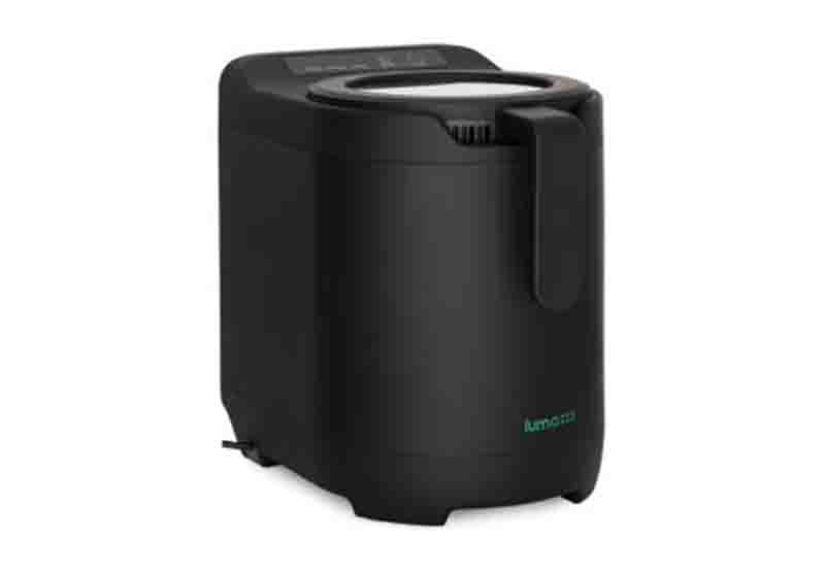
The Luma is best described as a countertop food waste recycler: it runs through a controlled cycle of heating, grinding, and cooling
to reduce the volume of scrapsoften dramatically. In plain English: it turns wet, smelly scraps into dry, crumbly grounds that are easier to store,
easier to handle, and less likely to attract fruit flies.
What it isn’t: a full backyard-style compost ecosystem happening in fast-forward. Traditional composting is a biological process where
microorganisms break down organic matter over time. The Luma speeds up the “make it not gross in the kitchen” part by removing moisture and pulverizing
scraps, but the output may still need time (and the right conditions) to become fully stable in soil.
Quick Specs That Actually Matter in a Real Kitchen
Capacity and footprint (a.k.a. “Will it steal my counter space?”)
The Luma’s bucket capacity is 2.5 liters (often marketed as about 84 oz). In practical terms, that’s enough for many
small households to run a batch every couple of daysespecially if you’re mostly dealing with fruit and veggie scraps, coffee grounds, and eggshells.
Physically, it’s closer to “stand-mixer sized” than “toaster sized,” so plan its parking spot like you would any serious countertop appliance.
Cycle time and stages (why it isn’t always the same)
Most cycles land in the 3–6 hour range, but the exact time depends on what you feed it. Wet scraps take longer because the machine has
to drive off moisture before grinding can finish cleanly. The Luma runs in stagesdrying, grinding, then coolingso it’s not just “blend until dust.”
Power and practicality
This is a powered appliance, not a passive compost bin. Like any device that heats and grinds, it uses electricity while running. Owners typically
use it a few times per week, often overnight, so it’s done by morning without disrupting daytime cooking.
Odor control (the carbon filter is doing the heavy lifting)
The Luma uses an activated carbon filter to reduce odors as it vents. There’s also a filter-use indicator system that tracks run-time
and reminds you when it’s time to replace/reset. Translation: you don’t have to guess when your “odor-eating” helper has retired.
What You Can Put in the Luma (and What You Really Shouldn’t)
One of the biggest differences between electric composters and backyard piles is what the machine is designed to handle. The Luma’s guidance tends to
be more flexible than traditional backyard compost rulesbut “machine can process it” and “it’s smart to add a lot of it” aren’t the same thing.
Commonly allowed scraps
- Fruit and vegetable scraps (peels, ends, cores in reasonable sizes)
- Coffee grounds and many tea bag materials
- Eggshells
- Nuts, seeds, legumes (in typical kitchen amounts)
- Weeds and foliage (light garden trimmings)
- Some animal-based scraps (like small meat remnants, dairy leftovers, shellfish scraps) depending on your comfort with odor and cleaning
Do NOT put these in (your future self will thank you)
- Large bones (they’re too dense and can strain the system)
- Hardwood (same “too dense” problem)
- Cooking oil (oil doesn’t “dry into compost”; it turns into mess + smell)
- Candy and gum (sugary, sticky, and not compost-friendly in any universe)
- Hard shells (think extremely tough shells that don’t break down well)
- Metal, plastic, synthetic fibers (just… no)
Only in small amounts (aka “yes, but don’t get bold”)
- Very fibrous produce (celery strings, thick corn husks, pineapple-like fibers)
- Starches (rice/pasta/bread-heavy loads can get clumpy)
- Sugar-rich fruit, sauces, jam, honey (sticky + higher odor potential)
- Butters and spreads (fat-heavy, can shorten “odor-free” dreams)
- Napkins and natural fabrics (even if they’re compostable elsewhere, keep these minimal)
Real-kitchen example: tossing in a few orange peels and coffee grounds with veggie scraps tends to be fine. Dumping in a full plate of buttery pasta,
two chicken wings, and a half jar of jam is how you discover what “deep cleaning” means at 7:12 a.m.
How the Luma Works (Step-by-Step, Minus the Fairy Dust)
1) Load smarter, not harder
Pull out the inner bucket, add scraps, and keep them below the fill indicator. If scraps are very wet, you’ll get better results by mixing in drier
items (like eggshells or coffee grounds) rather than creating a “kitchen smoothie.”
2) Lock the lid and start the cycle
The unit won’t run unless the lid is properly secured. Once started, it automatically progresses through drying, grinding, and cooling. Drying time
depends heavily on moisture content; grinding can be the longest stage; cooling happens at the end so you’re not greeted by a bucket of “volcano-hot”
crumbs.
3) Give it breathing room
Like most heat-using appliances, it needs ventilation space. Don’t wedge it into a tight corner where it can’t vent properly, and don’t bury it behind
three cutting boards like it’s in witness protection.
What You Get at the End (and How to Use It Without Regret)
The finished material is typically dry, crumbly, and dramatically reduced in volume. It’s easier to store and far less “alive” than
raw scraps. But it’s important to treat it as a soil amendment ingredient, not a finished potting soil replacement.
Best ways to use Luma output
-
Mix it into an outdoor compost pile or tumbler as a “pre-processed” food waste input. Because it’s drier and smaller, it can break
down more smoothly when combined with browns (leaves, shredded cardboard). - Bury small amounts in garden soil and avoid leaving it on the surface. Think “fold it in,” not “sprinkle it like parmesan.”
- Add it gradually around established outdoor plants and water normallysmall doses are easier for soil biology to handle.
What to avoid (especially indoors)
- Don’t top-dress indoor houseplants with thick layers of the output.
- Don’t use large percentages in seed-starting mixes or delicate seedlings.
- Don’t store it wet. If it gets rewetted and sealed, you can reawaken odor and mold potential.
Why the caution? Drying makes scraps easier to handle, but when dried food material is rewetted, decomposition can restartsometimes with unpleasant
smells, visible mold, or pest attraction if it’s used too heavily or too soon. The safest play is to treat the output like a concentrated ingredient:
mix it with soil, browns, or an existing compost system rather than using it as a stand-alone “instant compost.”
Is the Luma Worth It? A Practical Buyer’s Reality Check
The convenience payoff
The Luma shines for people who want to reduce kitchen odor, trash volume, and “take it out right now” urgency. It can be especially helpful if you:
(1) live in an apartment or condo, (2) don’t have outdoor compost space, (3) hate fruit flies with a personal passion, or (4) want a cleaner way to
collect scraps before taking them to curbside/community compost.
The trade-offs
- Counter space: it’s not tiny, so small kitchens may struggle.
- Ongoing maintenance: carbon filters aren’t forever, and the bucket needs cleaning.
- Electricity use: it’s an appliance that heats and grinds, so it’s not “free” to run.
- Output expectations: it’s not identical to cured compost from a well-managed pile.
Who it’s best for
- Apartment dwellers who want to reduce trash odor and mess
- Busy households that generate lots of produce scraps and coffee grounds
- People who already garden but want fewer pests around an outdoor pile
- Anyone using compost drop-off/curbside service who wants easier scrap storage
Who should probably skip it
- Anyone who already has easy curbside composting and minimal food waste
- Small kitchens with no spare counter footprint
- People who want “real compost” without electricity or replacement parts
Tips for Better Results (and Less “Why Does This Smell Weird?”)
Build a balanced bucket
Wet scraps alone can lead to longer cycles and funkier results. Mix in drier items like coffee grounds or crushed eggshells. If you have very wet
scraps (melon rinds, watery veg), consider draining excess liquid before loading.
Keep the stink-fighters in rotation
Citrus peels and coffee grounds are commonly used by owners to keep odors down during operation. They don’t magically erase everything, but they can
help the “kitchen atmosphere” stay friendlier.
Don’t overload (future-you deserves peace)
Keeping scraps below the fill line matters. Overloading can reduce processing quality and may require a second run. Also, pausing mid-cycle just to add
“one more thing” can throw off the machine’s timing and lead to uneven results.
Clean the bucket like it’s cookware, not a trash can
The bucket is where odors are born or prevented. A quick wash after each batch (or at least a consistent routine) keeps residue from building up. If you
ever notice stubborn smells, clean more thoroughly and check whether the carbon filter is due for replacement/reset.
FAQ
Does it really work “overnight”?
For many households, yes. A common routine is to load scraps through the day, start the cycle at night, and empty it in the morning. That rhythm fits
naturally into a kitchen scheduleno daytime noise, no waiting around for it to finish.
Is it loud?
Owners and reviewers often describe it as relatively quiet compared to other appliances that grind. You’ll still hear it, but it’s typically more of a
background hum/whir than a blender-on-max drama scene.
Can it handle meat and dairy?
The machine’s guidance is more permissive than backyard compost rules, but odor and maintenance are the real considerations. If you add richer scraps
(fatty foods, dairy, meat remnants), expect stronger smells and plan on more diligent cleaning and filter attention.
Will the output replace store-bought compost?
Think of it as a helpful ingredient, not a complete replacement. Used thoughtfullymixed into soil, combined with browns, or finished in a compost pile
it can support soil health. Used heavily and immediately (especially indoors), it can cause odor, mold, or pest problems.
Real-World Experiences (Bonus: of “Living With It”)
Most people don’t buy the Luma because they’re dreaming of becoming a compost influencer. They buy it because their trash smells bad, their outdoor bin
is a pest magnet, or their apartment lifestyle doesn’t include a backyard compost pile (unless you count the mystery crumbs under the couch).
In the first week, the biggest “aha” moment is usually how much volume disappears. Scraps that would normally fill a small countertop bin can
turn into a surprisingly modest amount of dry grounds. That shift alone changes a household routine: fewer trash runs, fewer odor spikes, and less
feeling like you need to sprint to the dumpster every time you slice a pineapple.
Many owners fall into a rhythm that looks like this: keep a small container for scraps during the day, load the Luma at night, press start, go to bed,
and empty it in the morning. It’s not just convenientit’s emotionally soothing. There’s something deeply satisfying about waking up to a cleaner kitchen
and a bucket that doesn’t look like yesterday’s salad had a tragic ending.
The second-week lesson is usually about inputs. Soft produce scraps are easy wins. Coffee grounds and eggshells behave nicely and can
help keep the bucket from feeling too wet. But owners quickly learn that “anything from the kitchen” is not the goal. Hard pits, big bones, thick fibrous
stalks, and oily leftovers are the troublemakers. The Luma may tolerate some of these in small amounts, but your nose and your cleaning schedule will be
the ones voting on whether it was a good idea.
By weeks three and four, the experience becomes less about novelty and more about systems. People who love it most usually do three things:
(1) they keep the bucket clean, (2) they respect the “small amounts” list for sticky/fatty foods, and (3) they use the output wiselymixing it into soil
outdoors, adding it to a compost pile, or burying it rather than sprinkling it on top like it’s decorative mulch.
The most common “surprise downside” is the footprint. Even people who like the results sometimes wish it were slimmer or easier to tuck away. The next most
common reality check is that filters are not optional. If you run frequent cycles, the carbon filter replacement schedule becomes part of ownershiplike
changing a water filter or replacing vacuum bags (except less glamorous, because no one has ever bragged about their activated carbon cartridge at a party).
Overall, the real-world experience tends to boil down to this: if you treat the Luma like a kitchen waste management toola way to make
scraps cleaner, smaller, and easier to handleit can feel like a genuine upgrade. If you expect it to produce fully finished compost with zero effort,
zero maintenance, and zero follow-up, you may end up disappointed. The happiest owners are the ones who use it as the first step in a smarter food-waste
routine, not the only step.
Conclusion: The Bottom Line on the Luma Electric Kitchen Composter
The Luma Electric Kitchen Composter is at its best when you want a cleaner, less smelly, more convenient way to manage food scrapsespecially in a home
without an easy outdoor compost setup. It can dramatically reduce waste volume, help prevent pests, and make “composting” feel doable on a Tuesday night
when your energy is already spent.
Just go in with the right expectations: it creates a dry, ground material that’s easiest to use when mixed into soil thoughtfully or finished in an
outdoor compost system. Treat it like a high-powered pre-compost step, keep up with cleaning and filters, and it can turn kitchen scraps from a daily
nuisance into something genuinely useful.