Table of Contents >> Show >> Hide
If your cheese routine begins and ends with cheddar, mozzarella, and the occasional “mystery shred” from the back of the fridge, it may be time for a delicious plot twist. Non-cow cheeses open the door to brighter tang, deeper richness, saltier bites, creamier textures, and a whole lot of personality. Some are grassy and fresh. Some are buttery and nutty. Some are so bold they practically introduce themselves before you unwrap them.
The best part is that “non-cow cheese” is not one category with one flavor. It is a huge, fascinating world made from goat, sheep, buffalo, or mixed milks. That means you can find a cheese for nearly every mood: a soft chèvre for toast, briny feta for salads, aged manchego for snacking, pecorino for pasta, halloumi for grilling, and buffalo mozzarella for when your tomato salad deserves better than boring.
This guide breaks down the most popular and useful non-cow cheeses to know, what they taste like, how to use them, and what to watch for on the label. Because here is the sneaky little secret of the cheese counter: some names tell you the milk source, while others describe a style. So yes, labels matter. Cheese can be romantic, but grocery shopping still needs reading glasses.
What Counts as a Non-Cow Cheese?
A non-cow cheese is any cheese made from milk other than cow’s milk, usually goat, sheep, buffalo, or a blend of those milks. Some cheeses are clearly tied to one animal. Chèvre means goat cheese. Pecorino refers to sheep’s milk cheese. Mozzarella di bufala is made from water buffalo milk. Other cheeses, however, are style names rather than animal names. Feta, halloumi, ricotta, and romano may vary by producer, so the ingredient list matters if you want to avoid cow’s milk completely.
That label check is not just cheese-counter homework. It also matters for allergies and preferences. Non-cow cheese may be a great flavor choice, but it is not automatically safe for people with a milk allergy, and it is not automatically lactose-free either. Fresh cheeses, especially, can still contain meaningful lactose. In other words, “goat” and “sheep” are useful words, but they are not magic spells.
Quick List of Non-Cow Cheeses
- Chèvre
- Caprino
- Goat Gouda
- Goat Brie
- Feta
- Manchego
- Pecorino Romano
- Ricotta Salata
- Roquefort
- Ossau-Iraty
- Mozzarella di Bufala
- Buffalo Ricotta
- Buffalo-Milk Burrata
- Halloumi
Goat Milk Cheeses
1. Chèvre
Chèvre is the gateway cheese for many people exploring non-cow dairy. In the U.S., it usually refers to fresh goat cheese sold in logs, rounds, or tubs. It is bright, tangy, creamy, and slightly crumbly, with a clean acidity that wakes up salads, omelets, sandwiches, and roasted vegetables. Spread it on toast with honey, herbs, or jam and suddenly breakfast looks suspiciously expensive.
2. Caprino
Caprino is an Italian goat cheese that can be soft and fresh or firmer and aged, depending on how it is made. Fresh caprino is mild, lactic, and spreadable, while aged versions become denser and more complex. If chèvre is the friendly extrovert at the cheese party, caprino is the cool cousin with better shoes and a more interesting travel history.
3. Goat Gouda
Goat Gouda takes the mellow, caramel-friendly personality of Gouda and gives it a lighter, tangier edge. Younger versions are smooth and creamy, while aged wheels become firmer with a butterscotch-like depth. This is an excellent choice for people who say they do not like “goaty” cheese but still want to try something beyond cow’s milk.
4. Goat Brie or Bloomy-Rind Goat Cheese
Goat milk can also be turned into soft-ripened, bloomy-rind cheeses similar to Brie or Camembert. These cheeses tend to be creamy under the rind, snowy white in color, and more delicate than many people expect. They offer a mushroomy, buttery, tangy combination that works beautifully on a cheese board with fruit, crackers, and a loaf of bread you absolutely did not mean to finish.
5. Aged Goat Wheels
Not all goat cheese is fresh and crumbly. Aged goat wheels, including washed-rind, natural-rind, and even blue goat cheeses, can be nutty, savory, earthy, and surprisingly bold. If fresh chèvre feels too bright for you, an aged goat cheese might be the better move. It delivers complexity without shouting. Think less lemon zing, more quiet confidence.
Sheep Milk Cheeses
6. Feta
Feta is one of the most recognizable cheeses in the world, but it is also one of the easiest to misunderstand. Traditional Greek-style feta is often made from sheep’s milk or a blend of sheep and goat milk, though some feta on the market is made from cow’s milk. Flavor-wise, feta is briny, crumbly, tangy, and wonderfully sharp. It belongs in salads, grain bowls, roasted vegetables, stuffed peppers, and any dish that needs a salty little attitude adjustment.
7. Manchego
Manchego is one of the great sheep’s milk classics. It is firm but not hard, buttery yet nutty, and balanced enough to please beginners and cheese nerds alike. Younger manchego is creamier and milder; older manchego grows firmer, saltier, and more concentrated. Pair it with quince paste, almonds, olives, or crisp apple slices and you will understand why manchego disappears from party boards at a speed that should qualify as suspicious.
8. Pecorino Romano
Pecorino Romano is sharp, salty, and built for grating. It is the sheep’s milk cousin that pasta lovers should know by name. Toss it over cacio e pepe, carbonara, soups, or roasted potatoes and you get a punchy, savory finish that is less shy than Parmesan. Just note that “romano” alone can be made from different milks depending on the producer, so if you want true sheep’s milk, look for pecorino.
9. Ricotta Salata
Ricotta salata is what happens when ricotta grows up, gets structured, and starts making firm life choices. Unlike soft, spoonable fresh ricotta, ricotta salata is pressed, salted, and aged, giving it a dry, crumbly, sliceable texture. Traditionally linked to sheep’s milk in Sicily, it has a clean, milky flavor with a pleasant briny edge. It is terrific grated over pasta, shaved onto salads, or crumbled onto grilled vegetables.
10. Roquefort
Roquefort is for blue-cheese fans who want something classic, creamy, and gloriously assertive. Made from sheep’s milk, it offers a peppery, earthy, salty intensity with a rich, fudgy body. It is the sort of cheese that can bully a weak cracker, so pair it with pears, honey, walnuts, or dark bread. Small amounts go a long way. Roquefort does not whisper. Roquefort delivers a monologue.
11. Ossau-Iraty
Ossau-Iraty is a semi-firm sheep’s milk cheese with a smooth, nutty, buttery character that makes it incredibly versatile. It is less salty and aggressive than pecorino and less flashy than Roquefort, which is exactly why many people fall in love with it. It works on cheese boards, in sandwiches, melted into potatoes, or eaten in thin slices while pretending you are only “testing” it for quality control.
Buffalo Milk Cheeses
12. Mozzarella di Bufala
This is the celebrity of buffalo milk cheese, and honestly, the fame is deserved. Mozzarella di bufala is softer, richer, and tangier than standard cow’s milk mozzarella, with a lush, creamy interior and a delicate springy bite. It shines in Caprese salad, on pizza added after baking, or simply torn over tomatoes with olive oil and flaky salt. This is not the cheese to hide under a mountain of toppings. Let it be the main character.
13. Buffalo Ricotta
Buffalo ricotta is richer and silkier than many cow’s milk ricottas, with an almost cloudlike creaminess that makes it feel luxurious even in simple dishes. Spoon it onto toast, add it to pasta, fold it into desserts, or serve it with grilled peaches. It is soft, sweet, and mild, but in a polished way. Think cashmere, not bath towel.
14. Buffalo-Milk Burrata
Burrata is often made with cow’s milk, but buffalo-milk versions exist and are worth seeking out. Because buffalo milk is rich in fat and protein, the result is extra luscious: a tender outer shell with a creamy, stracciatella-filled center. Use it when you want dinner to feel fancy without actually doing much work. Tomato salad, grilled bread, olive oil, black pepper, done.
Mixed-Milk and Check-the-Label Cheeses
15. Halloumi
Halloumi is famous for one glorious skill: it holds its shape when grilled or pan-seared. Traditionally it is associated with sheep and goat milk, but modern versions may include cow’s milk, so the label matters. Flavor-wise, halloumi is salty, savory, and slightly tangy, with a springy, squeaky texture when raw and crisp edges when cooked. It is one of the best meatless proteins for salads, sandwiches, grain bowls, tacos, and skewers.
16. Fresh Ricotta
Fresh ricotta is another cheese that can be made from different milk sources, including sheep, goat, buffalo, or cow whey. If you find a non-cow version, expect the same soft, spoonable comfort of ricotta with subtle changes in richness and flavor. Goat ricotta may taste lighter and brighter. Sheep ricotta may feel richer. Buffalo ricotta often leans extra creamy. It is one of the easiest cheeses to use because it is equally happy in lasagna and dessert.
How to Choose the Right Non-Cow Cheese
For beginners
Start with young manchego, buffalo mozzarella, or mild goat Gouda. These are approachable, balanced, and less likely to scare anyone who thinks cheese should behave politely.
For people who like tangy flavors
Reach for chèvre, feta, or fresh caprino. These cheeses bring brightness and acidity, which makes them excellent with vegetables, fruit, and olive oil-heavy dishes.
For cooking
Use pecorino for grating, halloumi for grilling, ricotta salata for crumbling, and buffalo mozzarella for fresh finishing. Different jobs, different stars.
For serious cheese-board energy
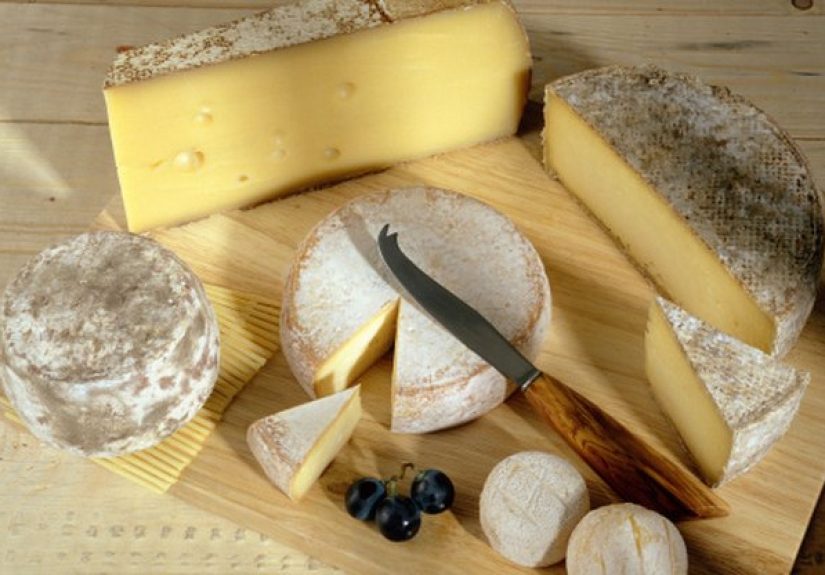
Build around one goat cheese, one sheep cheese, and one buffalo cheese. A bloomy goat round, a wedge of manchego, and a ball of buffalo mozzarella create contrast in flavor, texture, and drama. Add fruit, nuts, honey, olives, and bread, and suddenly you are hosting. Even if it is just for yourself. Especially if it is just for yourself.
Important Shopping Notes
First, read the label. Some cheese names describe style, not milk source, and U.S. food labeling requires the milk source to be identified when it is not cow’s milk. Second, do not assume non-cow means lactose-free. Fresh, soft cheeses can still be relatively high in lactose. Third, do not assume non-cow cheese is safe for a cow’s milk allergy. Goat and sheep milk proteins can still trigger reactions in some people with milk allergy. And finally, for anyone at higher risk of foodborne illness, pasteurized cheese is the safer choice.
Conclusion
The beauty of a list of non-cow cheeses is that it is really a list of possibilities. Goat cheeses can be tangy, fluffy, earthy, or creamy. Sheep’s milk cheeses can be buttery, nutty, salty, or blue-veined and bold. Buffalo cheeses can be lush, silky, and luxurious. The category is bigger than many shoppers realize, and once you know which names signal animal type and which ones require a label check, the cheese case becomes a lot more fun.
So the next time you want to upgrade a salad, pasta dish, snack board, or weeknight dinner, skip autopilot. Pick one non-cow cheese and try it on purpose. That single move can make your food taste brighter, richer, saltier, creamier, or just more interesting. Which, frankly, is what cheese should be doing all along.
Experience: What Exploring Non-Cow Cheeses Feels Like
Exploring non-cow cheeses is one of those rare food adventures that feels both sophisticated and wonderfully low-stakes. You are not climbing a mountain. You are not learning a new language. You are standing in front of a cheese counter thinking, “Well, that one looks weirdly elegant.” And somehow that tiny decision can change the way you eat for months.
The first experience many people have is with fresh goat cheese. It usually starts innocently enough. Someone puts a little round of chèvre on a salad, or spreads it on crostini with honey, and suddenly your usual shredded cheese options begin to feel emotionally underdeveloped. Goat cheese has that effect. It is bright and tangy, which makes a familiar dish taste more alive. It turns roasted beets into a real course. It makes toast feel like lunch at a small café where the napkins are cloth and nobody is in a hurry.
Then comes sheep’s milk cheese, and that experience is different. Sheep cheeses often feel richer and more grounded. Manchego, for example, has a calm confidence about it. It does not demand attention the way a blue cheese does, but it absolutely earns it. A few slices with almonds and apple can feel more satisfying than a full plate of random snacks. Pecorino brings a sharper experience. The first time you grate it over hot pasta and taste that salty, savory kick, you realize some cheeses are not just toppings. They are strategy.
Buffalo milk cheeses offer their own kind of surprise. The experience there is usually textural. Buffalo mozzarella is not just mozzarella with a more dramatic résumé. It is silkier, richer, and more tender. You tear into it and get that creamy softness that makes a tomato salad feel less like a side dish and more like a life decision you fully stand behind. Buffalo ricotta has a similar effect. It makes simple food feel luxurious, which is basically the culinary version of wearing comfortable shoes that also look expensive.
There is also the fun of contrast. One of the best experiences is serving a board with a fresh goat cheese, an aged sheep cheese, and a buffalo mozzarella side by side. Suddenly everyone has opinions. Someone loves the tang. Someone wants the nutty sheep cheese. Someone hovers over the mozzarella like it is a family heirloom. Non-cow cheeses create that kind of conversation because they are distinct. They do not blur together into a generic “cheese flavor.” They each show up with a point of view.
And perhaps that is the best part. Exploring non-cow cheeses teaches you to taste more carefully. You notice salt, butteriness, acidity, grassiness, and texture in a way you might not with more familiar cheeses. It turns eating into a small act of attention. And for something that begins with a wedge, a spoon, or a humble little log in wax paper, that is a pretty excellent return on investment.