Table of Contents >> Show >> Hide
- What Exactly Is a Triplex Lamp?
- Why Swedish Design Was the Perfect Home for Triplex
- The Signature Look of Triplex Lamps
- Triplex Lamps and Swedish Functionalism
- Why Collectors Still Love Triplex Lamps
- How to Use the Triplex Look in a Modern Home
- Buying Tips for Vintage Lovers
- Common Decorating Mistakes to Avoid
- Why Triplex Lamps Still Matter
- Experience: What Living With the Triplex Mood Feels Like
- Conclusion
If you hear the phrase Swedish lighting, your brain may jump to soft-glowing glass globes, elegant brass details, and rooms so calm they practically whisper, “Please take off your shoes and breathe deeply.” Fair enough. But Triplex lamps from Sweden bring a different flavor to the Scandinavian lighting conversation. They are not dainty little wallflowers. They are practical, adjustable, mechanically clever, and just stylish enough to make an industrial lamp feel like it belongs in a design museum instead of hovering over a drafting table.
That is exactly what makes them interesting. The Triplex lamp sits at the crossroads of utility and beauty, which is basically the sweet spot of great Swedish design. These lamps are associated with the inventor Johan Petter Johansson and the wider world of Swedish functionalist design. They were created to solve a very real problem: people needed better, more flexible light for work. What came out of that problem-solving mindset was a lamp with reach, movement, and presence. In other words, the Triplex lamp did not chase trends. It chased the light.
Today, collectors, decorators, and vintage lighting fans love Triplex lamps because they feel honest. They do not hide their joints, arms, pivots, or purpose. They show you exactly how they work, and somehow that transparency becomes their charm. In a world crowded with lighting that tries too hard, that kind of confidence is refreshing.
What Exactly Is a Triplex Lamp?
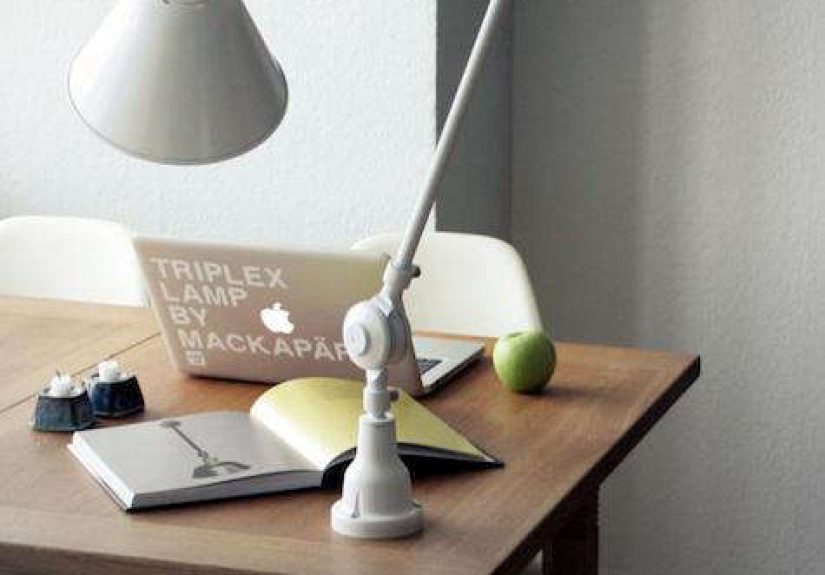
At its core, a Triplex lamp from Sweden is a highly adjustable task or wall-mounted lamp built around movement. Vintage examples are known for telescopic or extendable arms, pivoting sections, rotating shades, and a no-nonsense industrial silhouette. Many were designed so the light could be pushed, pulled, angled, raised, or swung exactly where it was needed. That may sound ordinary now, but when you look at early examples, the engineering still feels surprisingly smart.
This is why Triplex lamps continue to stand out in the history of Scandinavian lighting design. They were not simply decorative fixtures that happened to look modern. They were modern because they were useful. The design logic came first. The beauty arrived as a side effect, which is honestly the classiest way for beauty to show up.
That practical DNA also explains why Triplex lamps are often discussed as industrial lamps, architect lamps, or task lights. They were built for workshops, studios, desks, walls, and work zones where good lighting mattered. Their appeal now extends far beyond those spaces, but the original spirit remains: direct the light where life is happening.
Why Swedish Design Was the Perfect Home for Triplex
To understand why the Triplex lamp feels so distinctly Swedish, it helps to step back and look at the wider design culture around it. Swedish modern design developed a reputation for blending utility with everyday beauty. Instead of treating well-made objects as luxuries reserved for fancy salons and dramatic sighing, Swedish designers pushed the idea that practical household goods could also be visually refined.
That mindset helped shape interiors that valued simplicity, clean lines, and a strong relationship to light. In the Nordic world, light is never a minor issue. Long dark seasons make illumination feel emotional as well as functional. Good lighting is not just about seeing the page on your desk. It is about comfort, atmosphere, and the daily experience of the home.
Triplex lamps fit beautifully into that tradition. They are spare without feeling cold, mechanical without feeling harsh, and useful without feeling boring. They belong to a design culture that understood a plain object could still have grace if it was thoughtfully made.
The Signature Look of Triplex Lamps
1. Articulated Arms That Actually Earn Their Keep
The first thing many people notice is the lamp’s movement. A vintage Triplex lamp often has articulated arms, adjustable joints, or a telescopic reach that lets the fixture stretch far beyond the wall. This mechanical flexibility is not a gimmick. It is the whole point. The lamp is designed to serve the user, not the other way around.
That is part of why Triplex lamps feel so contemporary even decades later. Adjustable lighting is still one of the smartest lighting solutions in a home office, reading corner, workshop, or kitchen nook. The difference is that many modern adjustable lamps can feel flimsy or over-designed. Triplex lamps tend to feel sturdy, deliberate, and refreshingly direct.
2. Materials That Keep Things Grounded
Triplex lamps are commonly associated with painted metal, steel, aluminum, or other durable materials that reinforce their industrial roots. Depending on the model and era, the lamp may feature a crisp utilitarian finish or a softer, aged patina that only makes it more handsome. Some related Swedish lighting from the mid-century period also introduces brass and opaline glass, giving the broader Swedish lighting landscape a warmer and more atmospheric look.
That contrast is worth noting. If the pure Triplex mood is all about mechanics and movement, the wider Swedish lighting story often adds glow, softness, and material richness. Together, these qualities help explain why Swedish lamps remain so collectable. They can be disciplined without feeling severe.
3. Shades That Mean Business
Triplex shades are usually shaped for direction rather than drama. They are there to focus and control the beam, not to perform a theatrical monologue about themselves. And yet, that restraint is exactly why they look so good. A conical or modestly rounded metal shade on a smartly engineered arm has a quiet authority. It says, “I know what I’m here to do,” which is more than we can say for many decorative chandeliers.
Triplex Lamps and Swedish Functionalism
If you love design history, the Triplex lamp is a wonderful example of Swedish functionalism in action. Functionalism favored objects and interiors shaped by use, logic, efficiency, and modern life. It gained real momentum in Sweden in the early twentieth century and became especially visible around the era of the Stockholm Exhibition of 1930.
That does not mean everything suddenly turned sterile and joyless. Swedish functionalism, at its best, made room for warmth. It encouraged uncluttered living, better standards for daily objects, and a more thoughtful connection between design and real human needs. The Triplex lamp reflects that beautifully. It is an engineered lighting tool, yes, but it also has elegance in proportion, rhythm in its armature, and a kind of sculptural presence that becomes stronger the longer you look at it.
This is why collectors and stylists often use Triplex lamps in interiors that are not strictly industrial. A lamp like this can work in a minimalist apartment, a vintage-inspired study, a Scandinavian reading room, or even a kitchen with warm woods and pale walls. It adds structure without visual heaviness.
Why Collectors Still Love Triplex Lamps
They Feel Authentic
There is something deeply satisfying about a lamp that looks exactly like what it is. A Swedish Triplex lamp does not pretend to be handmade pottery, a cloud, a mushroom, or a poetic metaphor for moonlight. It is a machine for illumination, and it embraces that identity with style.
They Bridge Industrial and Scandinavian Decor
One of the biggest strengths of Triplex lamps is versatility. They can lean industrial, Scandinavian modern, utilitarian, or even slightly architectural depending on the room around them. Put one near dark leather and black steel, and it looks workshop-cool. Place it beside pale oak, white plaster, and wool textiles, and it suddenly feels curated and refined.
They Solve Real Lighting Problems
Design lovers enjoy aesthetics, but they also enjoy seeing what they are doing. That is where Triplex lamps shine, literally. Their ability to direct light makes them a strong option for reading, drawing, desk work, bedside use, and task-heavy corners where a fixed lamp would be less useful.
How to Use the Triplex Look in a Modern Home
In a Home Office
A Triplex-style lamp is a natural fit for a home office. Mount it near a desk and use the extendable arm to pull light close when you are working, then shift it away when you want a cleaner visual line. It is one of the few lighting choices that can make a workspace feel smarter instead of just more decorated.
In a Reading Nook
If you are building a reading corner, a Triplex lamp brings focus and character. Pair it with an upholstered chair, a small side table, and a rug with enough texture to make the space feel settled. Suddenly your nook looks like the kind of place where brilliant ideas happen, or at least where you can dramatically reread the same mystery novel for the third time.
In a Kitchen or Dining Area
Not every vintage Triplex lamp belongs in a kitchen, of course, but the spirit of the design works well there. Swedish interiors often balance hard-working materials with gentle atmosphere. A directional lamp above a prep zone or breakfast corner can add both function and personality. If the true industrial look feels too severe, layer it with softer Swedish elements like pale wood, linen, and warm metal accents.
Buying Tips for Vintage Lovers
If you are shopping for an original Triplex lamp from Sweden, condition matters. Vintage lighting often needs rewiring or electrical updates, especially if it is being used in the United States. Check whether the joints move smoothly, whether the telescoping action still works well, and whether the shade and hardware appear original.
You should also expect variation. Some Triplex lamps are more rugged and workshop-like, while others read as more streamlined or refined. The market descriptions around these lamps often highlight their adjustable arms, Swedish origin, and connection to early or mid-century modern design. That means you may find them described under several overlapping labels, from industrial task lamp to Scandinavian wall light.
If an original is outside your budget, borrow the idea rather than chasing an exact copy. Look for a lamp with a long articulated arm, modest metal shade, and simple engineering. The real lesson of Triplex is not just the silhouette. It is the combination of flexibility, restraint, and purpose.
Common Decorating Mistakes to Avoid
Do not over-style it. A Triplex lamp has enough personality on its own. It does not need to be surrounded by twenty-seven tiny objects all begging for attention.
Do not ignore scale. Some vintage Swedish lamps have serious reach. Measure the wall, the desk, and the surrounding furniture before buying. A lamp that extends several feet can feel heroic in one room and mildly hostile in another.
Do not forget the bulb quality. Even the smartest vintage lamp will look sad under a harsh, cold bulb. Use a warm, comfortable bulb that supports the lamp’s atmosphere and purpose.
Why Triplex Lamps Still Matter
Trends come and go. One year the world wants mushroom lamps, the next it wants giant paper lanterns, and somewhere in between everyone suddenly decides chrome is back. But Triplex lamps from Sweden have the kind of staying power that comes from being useful first and beautiful second. That order matters.
They represent a deeper idea in Swedish lighting design: that everyday objects should improve life not only through appearance, but through thoughtful performance. A lamp should not merely exist in a room. It should work for the room. It should respond to the user. It should shape comfort, focus, and mood.
That is why the Triplex lamp continues to feel relevant. It offers flexibility for modern living, sculptural clarity for design lovers, and enough history to satisfy collectors who like their objects with a side of context. Not bad for a lamp that began by solving a practical problem.
Experience: What Living With the Triplex Mood Feels Like
The most interesting thing about the Triplex lamp aesthetic is that it changes the feeling of a room before it changes the brightness. That sounds dramatic, but it is true. The moment you place a lamp with an articulated arm and a focused shade into a space, the room starts to feel more intentional. It feels like someone plans to do something there. Read. Sketch. Write. Repair a watch. Pretend to write a novel while mostly reorganizing pens. The light creates purpose.
That experience is very different from what happens with purely decorative lighting. A decorative lamp can be lovely, but a Triplex-style lamp introduces energy. The long arm reaching outward suggests motion even when the fixture is still. The pivot points make the object feel alive, almost conversational. You do not just switch it on. You interact with it. You angle it toward a book, lift it over a work surface, or pull it closer as evening settles in. The lamp becomes part of your routine.
In a Scandinavian-inspired room, that interaction feels especially satisfying. Imagine a quiet corner with pale wood floors, a wool throw, a stack of magazines, and a chair that does not beg for attention but secretly gives excellent back support. Add a Triplex-style lamp, and the whole scene tightens up in the best way. Suddenly the corner is not just pretty. It is usable. It has a job. And because the lamp is visually honest, the room feels more grounded, less staged.
There is also something oddly comforting about the lamp’s mechanical nature. The hinges, joints, and reach remind you that good design is not magic. It is problem-solving. You can see the logic. You can trust the structure. In a home full of sealed gadgets and mysterious black boxes, that kind of visible functionality feels refreshing. It is almost old-fashioned in the nicest sense.
Another part of the experience is the quality of focus it encourages. A Triplex lamp does not flood the room with vague glow and call it a day. It helps create zones. When pointed at a desk, it makes the desk matter. When turned toward a reading chair, it gives that chair a little stage presence. The rest of the room can stay softer and calmer. This makes the home feel layered, which is one of the reasons Swedish interiors often seem restful instead of flat.
Even people who are not design nerds tend to respond to this kind of lamp. They may not know the history or recognize the name Johan Petter Johansson, but they notice the difference. They notice that the lamp looks smart. They notice that it moves well. They notice that it feels substantial. And most of all, they notice that the room around it somehow works better.
That is the real experience of Triplex lighting. It is not only about vintage appeal or Scandinavian cool. It is about living with an object that quietly improves the rhythm of everyday life. You reach for it without thinking. You rely on it after sunset. You admire it when morning light hits the metal just right. Over time, it stops feeling like a collectible and starts feeling like part of the architecture of your day. That is when you know a lamp is doing more than glowing. It is earning its place.
Conclusion
Triplex lamps from Sweden prove that practical design does not have to be bland. With their articulated arms, industrial intelligence, and strong ties to Swedish functionalism, they offer a master class in how form can follow function without losing visual charm. They also remind us that some of the best lighting ideas are not the flashiest ones. They are the ones that solve real problems beautifully.
Whether you are a collector, a vintage lighting enthusiast, or simply someone trying to make a room feel smarter and warmer, the Triplex lamp is worth knowing. It is part of a larger Swedish story about utility, light, comfort, and everyday beauty. And honestly, that is a pretty bright legacy.