Table of Contents >> Show >> Hide
- What Is the Labour & Wait Bread Bin?
- Why Bread Storage Is Trickier Than It Looks
- Design: Classic Enamel With a Purpose
- How the Labour & Wait Bread Bin Helps Keep Bread Fresh
- Best Types of Bread to Store in This Bread Bin
- Where to Place the Labour & Wait Bread Bin
- Cleaning and Care Tips
- How It Compares With Other Bread Storage Options
- Who Should Buy the Labour & Wait Bread Bin?
- Buying Considerations Before You Add It to Your Kitchen
- Practical Tips for Better Bread Storage
- Style Value: Why This Bread Bin Looks So Good
- Experiences Related to the Labour & Wait Bread Bin
- Conclusion
Some kitchen tools whisper. Others clatter, wobble, blink, beep, and somehow still fail to justify the drawer space they occupy. The Labour & Wait Bread Bin belongs to the first group. It is not trying to be clever. It does not need an app, a charging cable, or a dramatic unboxing video. It simply sits on the counter looking like it has been there since the kitchen learned good manners.
At first glance, the Labour & Wait Bread Bin looks like a nostalgic enamel container with handsome lettering and a sturdy lid. Look closer, however, and you find a practical storage object built around a simple but important idea: bread needs protection, but it also needs to breathe. Too much exposure dries it out. Too much sealing traps moisture. The sweet spot is somewhere in the middle, which is exactly where a well-designed bread bin earns its keep.
This article explores what makes the Labour & Wait Bread Bin special, how it fits into a modern American kitchen, what types of bread benefit most from it, and why this old-fashioned piece of kitchen storage still feels surprisingly relevant. Spoiler: your sourdough does not want to live naked on the counter like a tiny flour-dusted philosopher.
What Is the Labour & Wait Bread Bin?
The Labour & Wait Bread Bin is an enamel bread storage container designed for keeping loaves, rolls, pastries, and other baked goods tidy and protected on the countertop. Labour & Wait is known for durable, everyday household goods with a classic utility aesthetic, and this bread bin fits that identity perfectly. It is practical, handsome, and just decorative enough to make your kitchen look more organized than it may actually be before coffee.
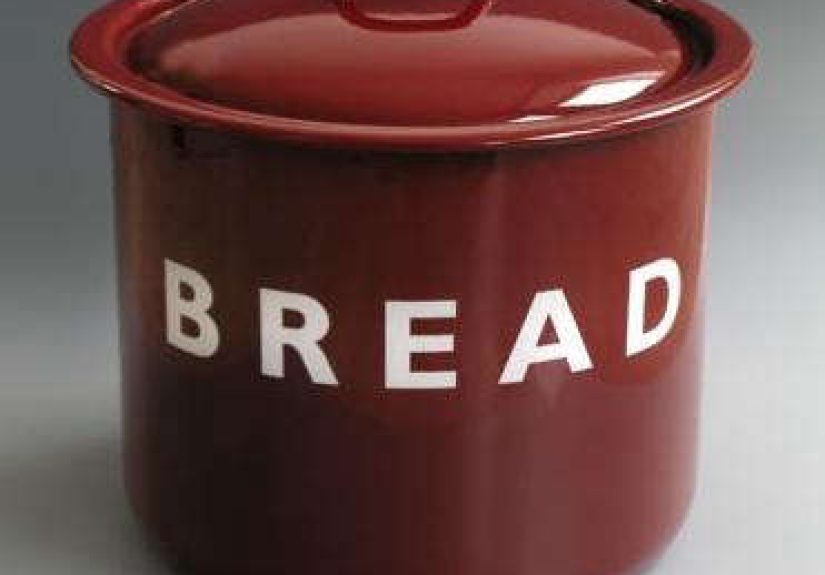
The bin is made of enamel and has a round, lidded shape with bold white lettering. Its design has been associated with traditional European kitchenware: simple lines, durable materials, and a visual style that feels more “working pantry” than “plastic storage aisle.” According to product information, the bin is especially made for Labour & Wait by Riess in Austria, a manufacturer known for enamelware. That detail matters because enamel is not merely a pretty face; it is hard, smooth, easy to wipe clean, and resistant to lingering food odors.
One of the most important features is the inclusion of air holes. These ventilation holes allow bread to breathe, helping reduce the stale-versus-mold dilemma that haunts every household that buys a beautiful loaf on Saturday and forgets about it until Wednesday.
Why Bread Storage Is Trickier Than It Looks
Bread is a little dramatic. Leave it uncovered, and it dries out. Seal it too tightly, and the crust softens while moisture builds up. Put it in the refrigerator, and many fresh loaves turn stale faster because cold temperatures encourage starch retrogradation, the process that makes bread firm, dry, and less delicious. In other words, your refrigerator may be great for milk, but it is not automatically the spa retreat your baguette deserves.
The ideal bread storage method depends on the loaf. A crusty sourdough boule behaves differently from sliced sandwich bread. A soft brioche has more fat and sugar than a lean country loaf, which can help it stay tender longer. Homemade bread often lacks the preservatives found in many supermarket loaves, so it tends to go stale more quickly. That is where a bread box or bread bin becomes useful: it creates a controlled countertop environment that protects bread from direct light and excess air while still permitting some ventilation.
A good bread bin is not magic. It will not keep a loaf fresh forever, and it cannot rescue bread that has already crossed into crouton territory. But for short-term storage, especially for bread you plan to eat over the next few days, it can be a smart and attractive solution.
Design: Classic Enamel With a Purpose
The Labour & Wait Bread Bin has the kind of design that feels both old and new. The enamel finish gives it a polished, durable look, while the white lettering adds a crisp graphic detail. The typeface has been described by Labour & Wait as Gill Sans, a classic choice that reinforces the bin’s practical, no-nonsense personality.
The shape is generous without being fussy. Product listings have described the bin as roughly 28 centimeters in diameter and about 27 centimeters high to the top of the handle. For American readers, that means it is large enough for many round loaves, smaller boules, dinner rolls, bagels, muffins, or a modest bakery haul. It is not a long rectangular box, so an oversized baguette will not fit unless you cut it first. But for round loaves and everyday bread storage, the proportions make sense.
Why Enamel Works Well in the Kitchen
Enamelware has been used in kitchens for generations because it combines metal strength with a smooth glass-like coating. It is easy to clean, visually timeless, and less likely to absorb odors than porous materials. Compared with wood, enamel is simpler to wipe down. Compared with plastic, it feels more permanent and more at home in a design-conscious kitchen.
That said, enamel can chip if treated roughly. This is not a football helmet for your focaccia. If you drop the lid onto a tile floor or bang the bin against a cast-iron skillet, the finish may suffer. Used normally, however, enamel is a practical material for a countertop storage piece that you will touch every day.
How the Labour & Wait Bread Bin Helps Keep Bread Fresh
The main job of a bread bin is balance. Bread needs enough moisture retention to avoid becoming dry and hard, but not so much trapped humidity that mold gets a VIP invitation. The Labour & Wait Bread Bin addresses this with a covered design and small air holes. The lid creates a protective interior environment, while the ventilation prevents the container from becoming completely airtight.
This is especially helpful for artisan bread, homemade loaves, sourdough, rolls, and pastries that benefit from a dark, room-temperature storage space. A bread bin also keeps crumbs contained. That may sound minor until you have wiped the counter for the fourth time and found a mysterious sesame seed on your elbow.
For best results, allow fresh bread to cool completely before storing it. Warm bread releases steam. If you trap that steam too soon, you may soften the crust and encourage moisture buildup. Once the loaf is cool, store it whole when possible and slice only what you need. The less crumb exposed to air, the longer the loaf stays pleasant.
Best Types of Bread to Store in This Bread Bin
Artisan Loaves
Round sourdough boules, country loaves, seeded loaves, and other bakery-style breads are natural candidates. Place the cut side down on a clean board or wrap the loaf loosely in paper before placing it in the bin. This helps protect the exposed crumb while allowing airflow around the crust.
Homemade Bread
Homemade bread often tastes best within the first couple of days. Because it usually does not contain commercial preservatives, it needs thoughtful storage. The Labour & Wait Bread Bin provides a dedicated spot that is more controlled than the open counter and more breathable than a sealed plastic container.
Bagels, Rolls, and Breakfast Bakes
The bin is also useful for bagels, rolls, English muffins, croissants, scones, and small baked goods. If your kitchen has a habit of turning every baked item into a countertop obstacle course, a bread bin restores order with one simple move: put the carbs in the carb house.
Packaged Sandwich Bread
Store-bought sliced sandwich bread can still go inside the bin, but it is often best kept in its original bag. The bin adds darkness and organization, while the bag helps maintain the texture that packaged bread is designed to keep. Just make sure the bag is sealed between uses.
Where to Place the Labour & Wait Bread Bin
Placement matters more than most people think. Keep the bread bin in a cool, dry spot away from direct sunlight, the oven, the stovetop, and steamy appliances. Heat and moisture are not friends of fresh bread. A shaded section of counter, pantry shelf, or sideboard works well.
Avoid placing the bin right beside a window where sunlight can warm it throughout the day. Also avoid crowding it against appliances that generate heat. The goal is boring stability: room temperature, low drama, no surprise sauna sessions for your rye loaf.
Cleaning and Care Tips
The Labour & Wait Bread Bin is easy to care for, but it still deserves basic maintenance. Empty crumbs regularly, wipe the inside with a clean damp cloth, and dry it thoroughly before putting bread back inside. Moisture left in the bottom of any bread container can encourage mold, and nobody wants to discover a science project where the cinnamon rolls used to be.
If a loaf does become moldy, remove it immediately and clean the bin well before using it again. Bread is porous, so visible mold is usually a sign to discard the entire loaf rather than performing tiny surgery on the offending slice. It is disappointing, yes, but so is learning that “just cut around it” is not a food safety strategy.
How It Compares With Other Bread Storage Options
Bread Bin vs. Plastic Bag
A plastic bag is good at keeping bread soft, but it can trap too much moisture, especially in warm kitchens. That may soften the crust and increase the risk of mold. A bread bin provides a more breathable environment and looks much better on the counter. Plastic bags say, “I bought bread.” A Labour & Wait Bread Bin says, “I have considered my bread’s lifestyle needs.”
Bread Bin vs. Refrigerator
For most fresh bakery-style bread, the refrigerator is not ideal. It may slow mold growth, but it can make bread stale faster. The better short-term choice is room-temperature storage in a cool, dry place. For longer storage, freezing is usually better than refrigerating.
Bread Bin vs. Freezer
The freezer is excellent for long-term bread storage. Slice the loaf, wrap it well, and freeze portions for toast or reheating. The bread bin, however, is better for bread you plan to eat soon. Think of it this way: the freezer is a pause button; the bread bin is a comfortable waiting room.
Who Should Buy the Labour & Wait Bread Bin?
This bread bin is best for someone who cares about both utility and atmosphere. If your kitchen leans classic, farmhouse, vintage, industrial, cottage, or minimalist, the enamel finish will likely fit right in. It is also appealing for people who buy bakery bread, bake at home, or want a more attractive alternative to leaving loaves in bags across the counter.
It may not be the best choice for someone with extremely limited counter space or for a household that only eats long baguettes. It is also a premium-looking object, so bargain hunters may prefer a simpler metal or bamboo bread box. But for shoppers who value long-lasting design and everyday usefulness, the Labour & Wait Bread Bin has strong appeal.
Buying Considerations Before You Add It to Your Kitchen
Before choosing this bread bin, measure your counter space. Its round shape is beautiful, but it needs room. Also consider the type of bread you buy most often. If you usually purchase round sourdough, rolls, or smaller loaves, the shape works well. If your weekly bread is always a long baguette, you may need to cut it or choose a longer box.
Color matters too. The black version feels bold and graphic. The brown or red oxide versions lean warmer and more vintage. Both styles work well with white, wood, stone, stainless steel, and butcher-block surfaces. The design is strong enough to be seen, but simple enough not to fight with your toaster for attention.
Practical Tips for Better Bread Storage
Use the Labour & Wait Bread Bin as part of a broader bread strategy. For crusty loaves, keep the loaf whole as long as possible. After cutting, place the cut side down or wrap it loosely in paper before storing it. For soft sandwich bread, keep it in its original bag and place the bag in the bin. For bread you will not finish in two or three days, slice and freeze it.
Do not overload the bin. Bread needs airflow, and crowding the container with too many baked goods can trap moisture. If you store muffins, rolls, and bread together, check them daily. Sweet baked goods and soft rolls may mold faster than lean crusty loaves, especially in humid weather.
Finally, keep the bin clean and dry. Bread storage is not just about the container; it is about habits. A beautiful bread bin filled with old crumbs is still an old crumb hotel.
Style Value: Why This Bread Bin Looks So Good
The Labour & Wait Bread Bin succeeds because it does not overdesign a simple object. The enamel surface, clear lettering, compact round form, and practical lid all work together. It has personality without novelty. It looks vintage without feeling fake. It is decorative, but not silly. In a kitchen full of screens, cords, and branded packaging, that restraint feels refreshing.
It also helps create a visual anchor. A bread bin gives bread a home, which instantly makes the kitchen look more intentional. Instead of a half-open bag of rolls leaning against the coffee maker like it had a long night, you get one clean container. Organization is sometimes less about buying more storage and more about giving the right things a proper place.
Experiences Related to the Labour & Wait Bread Bin
Living with a bread bin changes the rhythm of a kitchen in small but noticeable ways. The first experience is visual. A loaf no longer drifts around the counter in its bakery bag, shedding crumbs like confetti after a parade. Instead, it disappears into a tidy enamel container. The counter looks calmer, and the kitchen feels more finished. This may sound dramatic for bread storage, but anyone who has fought countertop clutter knows that one well-designed object can make an entire space feel more civilized.
The second experience is practical. When bread has a dedicated spot, people actually use it more thoughtfully. You know where the loaf is. You know whether it is almost gone. You are less likely to buy a second loaf while the first one quietly ages behind the cereal. The Labour & Wait Bread Bin becomes part of a daily ritual: open the lid, take out the loaf, slice what you need, close the lid, and move on. Simple? Yes. Oddly satisfying? Also yes.
For home bakers, the experience can be even better. A fresh loaf cooling on the rack is a tiny household event. Once it cools completely, placing it in a handsome enamel bread bin feels like the final step in the process. You mixed, kneaded, waited, baked, admired the crust, took one unnecessary photo, and now the loaf has a proper home. The bin respects the effort. It says, “This bread was not made to be shoved into a flimsy bag next to the bananas.”
There is also a sensory benefit. Because the bin is not transparent, it reduces visual noise. You are not constantly looking at packaging, twist ties, labels, or crumbs. The bread is there when you need it, hidden when you do not. In a small kitchen, that matters. In an open-plan home, where the kitchen is always on display, it matters even more.
The Labour & Wait Bread Bin also encourages better storage habits. You start letting bread cool before storing it. You pay attention to humidity. You remember to freeze what you will not eat quickly. You learn that crusty bread and soft sandwich bread need different treatment. The bin does not do all the thinking for you, but it nudges you toward better behavior. It is like a polite kitchen coach, except it never asks you to do burpees.
Over time, the bin becomes more than a container. It becomes part of the kitchen’s identity. Guests notice it. Someone asks where it came from. Someone else lifts the lid hoping for rolls. It develops the quiet charm of a useful object that earns its space every day. That is the real appeal of the Labour & Wait Bread Bin: it is not a gadget that promises to revolutionize your life. It is a durable, beautiful, sensible thing that makes one daily task better. Sometimes that is enough. In fact, in a kitchen, that may be exactly the point.
Conclusion
The Labour & Wait Bread Bin is a thoughtful blend of classic design and practical bread storage. Its enamel construction, bold lettering, ventilated body, and generous round shape make it a standout choice for people who want their kitchen tools to look good and work hard. It will not stop time, defeat mold forever, or make supermarket bread taste like it came from a Parisian bakery at sunrise. But it can help protect fresh loaves, reduce countertop clutter, and add a strong note of timeless style to the kitchen.
For bread lovers, home bakers, and design-minded cooks, this bread bin offers something refreshingly simple: a proper place for bread. And in a world full of overcomplicated kitchen gadgets, that kind of simplicity feels downright luxurious.