Table of Contents >> Show >> Hide
- Why Your Kidneys Deserve More Attention
- 1. Know Your Risk and Get Simple Screening Tests
- 2. Keep Blood Pressure in a Healthy Range
- 3. Manage Blood Sugar if You Have Diabetes
- 4. Eat a Kidney-Friendly Diet
- 5. Stay Hydrated (But Not Overloaded)
- 6. Move Your Body and Maintain a Healthy Weight
- 7. Be Smart With Medicines and Supplements
- 8. Quit Smoking and Limit Alcohol
- Everyday Habits That Add Up
- When to Call Your Clinician
- Real-Life Experiences: What Protecting Kidney Health Looks Like
- The Bottom Line
If your kidneys could talk, they’d probably say something like, “We quietly filter 150+ quarts of blood a day… the least you could do is drink some water and skip the extra salt.” Jokes aside, your kidneys are unsung heroes. They filter waste, balance fluids and minerals, help control blood pressure, support bone health, and even help your body make red blood cells.
Chronic kidney disease (CKD) affects millions of people in the United States and often develops silently for years before symptoms appear. By the time swelling, fatigue, or changes in urination show up, kidney damage can already be advanced. The good news? Small changes in your daily habits can significantly lower your risk and help keep your kidneys working well for the long haul.
Why Your Kidneys Deserve More Attention
Healthy kidneys do far more than make urine. According to major kidney organizations, your kidneys:
- Filter waste products and extra fluid from your blood
- Help regulate blood pressure
- Keep bones healthy by activating vitamin D
- Help make red blood cells
- Balance important minerals like sodium, potassium, and phosphorus
Because they’re so closely tied to your heart, blood vessels, and metabolism, protecting kidney health is really about protecting your entire body.
1. Know Your Risk and Get Simple Screening Tests
Step one in keeping your kidneys healthy is knowing where you stand. Some people have a much higher risk of kidney disease, including those who:
- Have diabetes
- Have high blood pressure
- Have a family history of kidney failure
- Are 60 or older
- Live with obesity, heart disease, or other metabolic conditions
If you fall into any of these groups, talk with your clinician about basic kidney screening. Two simple tests can reveal early trouble:
- eGFR (estimated glomerular filtration rate): A blood test that estimates how well your kidneys filter waste.
- Urine albumin test: Checks for protein leakage in the urineoften one of the earliest signs of kidney damage.
These tests are quick, relatively inexpensive, and can be repeated over time to monitor your kidney health. Catching changes early means you and your care team can act before major damage occurs.
2. Keep Blood Pressure in a Healthy Range
High blood pressure and kidney disease are like a bad two-way relationship: each one can make the other worse. Over time, elevated blood pressure can damage the tiny blood vessels in the kidneys, reducing their ability to filter waste.
Most guidelines recommend keeping blood pressure below 130/80 mm Hg for people at higher risk, but your individual target should come from your clinician. Lifestyle habits that support healthy blood pressure include:
- Limiting sodium (salt) from processed foods, canned soups, fast food, and salty snacks
- Eating more whole foods like fruits, vegetables, beans, nuts, and whole grains
- Staying physically active most days of the week
- Maintaining a healthy weight
- Limiting alcohol and avoiding tobacco
If you’re prescribed blood pressure medication, take it exactly as directed and let your clinician know about side effects or concerns. Keeping blood pressure under control is one of the most powerful ways to protect your kidneys.
3. Manage Blood Sugar if You Have Diabetes
Diabetes is one of the leading causes of kidney failure in the United States. Over time, high blood sugar can damage the delicate filtering units in your kidneys.
If you live with diabetes, you can support your kidneys by:
- Checking your blood sugar regularly and knowing your target ranges
- Working with your care team on medications or insulin if needed
- Choosing meals that prioritize fiber, lean protein, and healthy fats over added sugars and refined carbs
- Combining healthy eating with regular physical activity
Consistently keeping blood sugar close to your target can significantly reduce your risk of diabetic kidney disease and other complications.
4. Eat a Kidney-Friendly Diet
You don’t need a complicated “kidney detox” to support kidney healthyour kidneys are literally your built-in detox system. What they do need is a diet that doesn’t overload them with salt, added sugars, and excess protein.
Dial Back the Sodium
Most adults should aim for less than 2,300 mg of sodium per day, and many people at high risk for kidney or heart disease may benefit from even lower targets. Big sodium sources to watch out for:
- Processed meats (bacon, sausage, deli meat)
- Canned soups and instant noodles
- Frozen dinners and fast food
- Chips, crackers, and salty snacks
Choose Balanced Protein
Protein is important, but more isn’t always betterespecially if you’re already at risk for kidney disease. Very high–protein diets can increase the kidneys’ workload. Try to:
- Include a modest portion of lean protein at meals (fish, poultry, beans, lentils, tofu)
- Limit frequent large servings of red and processed meats
- Be cautious with heavy use of protein powders or supplements unless recommended by a professional
Emphasize Heart- and Kidney-Friendly Foods
Because kidney disease and heart disease are closely linked, what’s good for your heart is usually good for your kidneys too. For most people without advanced kidney disease, that includes:
- Colorful fruits and vegetables
- Whole grains like oats, brown rice, and quinoa
- Healthy fats from olive oil, nuts, seeds, and avocado
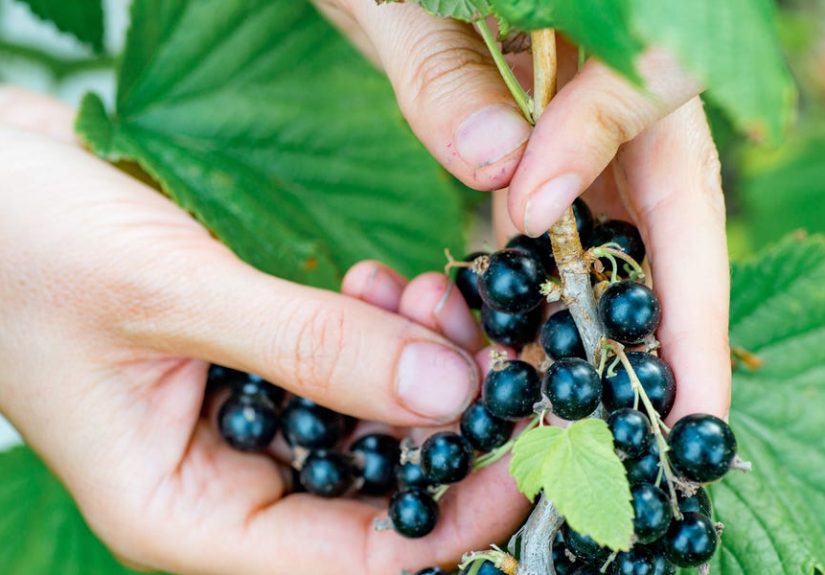
Certain fruits like berries, apples, grapes, and pomegranates are often highlighted for kidney and heart health because of their antioxidant content and generally favorable mineral profile. If you already have moderate to advanced CKD, however, your clinician or renal dietitian may recommend specific limits on potassium, phosphorus, or proteinso always follow their individualized guidance.
5. Stay Hydrated (But Not Overloaded)
Fluids help your kidneys move waste products out of your body and maintain a healthy balance of electrolytes. For many adults with normal kidney function, aiming for around eight cups (about 64 ounces) of fluids per day is a reasonable target, though needs vary with climate, activity level, and medical conditions.
When it comes to hydration for kidney health:
- Water is your MVP. It’s calorie-free and easy on your kidneys.
- Go easy on sugary drinks like soda, sweet tea, and energy drinks.
- Limit high–phosphorus or high–sodium beverages, such as certain dark colas and sports drinks.
If you already have kidney disease or heart failure, your clinician may actually ask you to limit fluids. In that case, follow their instructions closelymore water is not always better when your kidneys are not working normally.
6. Move Your Body and Maintain a Healthy Weight
Regular physical activity helps manage two of the biggest risk factors for kidney disease: high blood pressure and diabetes. It also supports a healthy weight and improves overall cardiovascular health.
Most adults benefit from at least 150 minutes of moderate-intensity activity per weekthink brisk walking, cycling, dancing, or swimmingplus a few days of strength training. You don’t have to become a marathon runner; even short walks after meals can help with blood sugar and blood pressure.
If you’re just starting out, begin with 5 to 10 minutes at a time and gradually add more. The best exercise is the one you’ll actually do consistently.
7. Be Smart With Medicines and Supplements
Your kidneys help process many medications and supplements, so it’s important not to overload them. Certain drugs, especially when used frequently or at high doses, can increase the risk of kidney injury.
Key points to keep in mind:
- Use NSAIDs carefully. Over-the-counter pain relievers like ibuprofen and naproxen can stress the kidneys, especially with long-term use, high doses, or when you’re dehydrated.
- Tell your clinician about all medicines and supplements. That includes herbal products, vitamins, and weight-loss supplements.
- Ask before starting “detox” or high-dose supplements. “Natural” doesn’t always mean “kidney-safe.”
- Follow sick-day rules if you have kidney or heart disease. Your care team may advise temporarily adjusting certain medications when you’re vomiting, have diarrhea, or aren’t eating or drinking normally.
Never stop or change prescribed medications on your own; always check with your clinician or pharmacist first.
8. Quit Smoking and Limit Alcohol
Smoking damages blood vessels throughout your body, including those in your kidneys. It also worsens high blood pressure and raises the risk of heart disease and strokeconditions that often travel with kidney disease.
Quitting smoking is one of the most impactful steps you can take for your kidneys and overall health. Alcohol, in excess, can raise blood pressure and add extra calories that make weight and blood sugar harder to manage. Many experts recommend:
- If you drink, do so in moderation (up to one drink per day for women, up to two for men, or as advised by your clinician)
- Avoiding binge drinking, which can severely stress the kidneys and liver
Everyday Habits That Add Up
Kidney health isn’t just about one big decision; it’s shaped by what you do most days. Here are simple habits that quietly protect your kidneys over time:
- Start your day with water instead of sugary drinks
- Check food labels and choose lower-sodium options
- Add a 10–15 minute walk after meals
- Schedule regular checkups if you have diabetes, high blood pressure, or a family history of kidney disease
- Keep a list or photo of your medications and share it at appointments
When to Call Your Clinician
Because kidney problems often start silently, routine screening is important, especially if you’re at higher risk. But you should also reach out to a clinician if you notice:
- Swelling in your hands, feet, ankles, or around your eyes
- Foamy or bubbly urine
- Blood in your urine
- Persistent fatigue, weakness, or trouble concentrating
- Significant changes in how often you urinate
- Shortness of breath or chest discomfort
These symptoms can have many causes, but it’s always better to get them checked early rather than wait.
Real-Life Experiences: What Protecting Kidney Health Looks Like
Advice is helpful, but it often becomes real when you see how it plays out in everyday life. Here are a few composite examples, based on common experiences, that show what “keeping your kidneys healthy” can look like.
Maria, 52: Turning a Scare into a New Routine
Maria has high blood pressure and a busy job. For years, she skipped checkups and relied on fast food and vending-machine snacks. At a routine visit, her clinician ordered labs “just to check everything.” Her blood pressure was high, and her eGFR had dipped lower than expected for her age.
That mild abnormal result became her wake-up call. With her clinician and a dietitian, she made small but powerful changes:
- Swapping daily fast food lunches for leftovers and salads
- Choosing low-sodium versions of her favorite canned soups
- Setting a reminder to take her blood pressure medicine every morning
- Walking 20 minutes in the evening while listening to her favorite podcast
Six months later, her blood pressure was better controlled, her weight had dropped slightly, and her kidney tests had stabilized. She didn’t become a totally different person overnightbut gradual, consistent habits protected her kidneys and her heart.
Jared, 35: Active but Not Invincible
Jared is a recreational runner who rarely gets sick. He figured kidney disease was something only older people needed to worry about. After a tough weekend race, he developed severe muscle soreness and started taking high doses of over-the-counter pain relievers around the clock. At the same time, he wasn’t drinking much water.
A few days later, he felt unusually tired and noticed his urine was darker and less frequent. At an urgent care visit, his clinician explained that heavy NSAID use plus dehydration can strain the kidneys. Thankfully, his labs normalized after stopping the medication, hydrating, and restingbut the experience stuck with him.
Now, Jared is much more careful about:
- Using pain relievers only as directed on the label
- Hydrating before and after long runs
- Checking in with his clinician when something feels “off” rather than toughing it out
He still runs and pushes himself, but he does it with a new respect for what his kidneys do behind the scenes.
Elaine, 67: Living Well with Diabetes
Elaine has lived with type 2 diabetes for more than 15 years. A few years ago, her clinician noticed early signs of kidney stressprotein in her urine and a slight drop in eGFR. Instead of panicking, Elaine and her care team created a clear plan.
Step by step, she:
- Learned how to read food labels and spot hidden sodium and added sugars
- Started meeting with a diabetes educator and a dietitian twice a year
- Switched to a medication that helped both her blood sugar and her kidneys
- Joined a walking group at her local community center
Today, she still has CKDbut it’s stable. She gets labs every few months, keeps a written list of her medications, and has a “sick-day” plan so she knows when to call her clinician. She often says, “I can’t change the fact that I have kidney disease, but I can absolutely change how fast it progresses.”
What These Experiences Have in Common
Maria, Jared, and Elaine have different lives and different risk factors, but their kidney-health stories share the same themes:
- They found out about problems earlythanks to labs, symptoms, or both.
- They made realistic, sustainable changes instead of extreme, short-lived ones.
- They worked with, not against, their clinicians and dietitians.
- They treated kidney health as part of overall health, not a separate chore.
Your own experience will be unique, but the takeaway is universal: you have more power than you think to protect your kidneys. You don’t need perfectionconsistent “pretty good” habits beat occasional bursts of “perfect” every time.
The Bottom Line
Kidney health isn’t just a niche medical topic; it’s central to how your body functions day in and day out. By knowing your risk, staying on top of blood pressure and blood sugar, eating a kidney-friendly diet, staying active and hydrated, using medications wisely, and steering clear of tobacco, you give your kidneys the best chance to keep doing their vital work for years to come.
If you’re unsure where to start, one simple step todaylike scheduling a checkup, reading a food label, or swapping a sugary drink for watercan be the first move toward healthier kidneys. Your future self (and your hardworking kidneys) will thank you.