Table of Contents >> Show >> Hide
- Park Bom’s Public Image Was Never Allowed To Be Just Her Own
- The Heartbreaking Reason Is Bigger Than Vanity
- Why Park Bom’s “Transformation” Should Be Discussed Carefully
- The Internet Makes Every Change Look Like A Scandal
- What Fans Hear Beneath The Headlines
- The Bigger Lesson Behind Park Bom’s Story
- Extra Reflections: Experiences Many People Recognize In Park Bom’s Story
Celebrity headlines love a simple explanation. A star changes, the internet gasps, and suddenly everyone becomes a part-time detective with a full-time opinion. But Park Bom’s story has never been simple, and pretending otherwise would be the fastest way to miss the point.
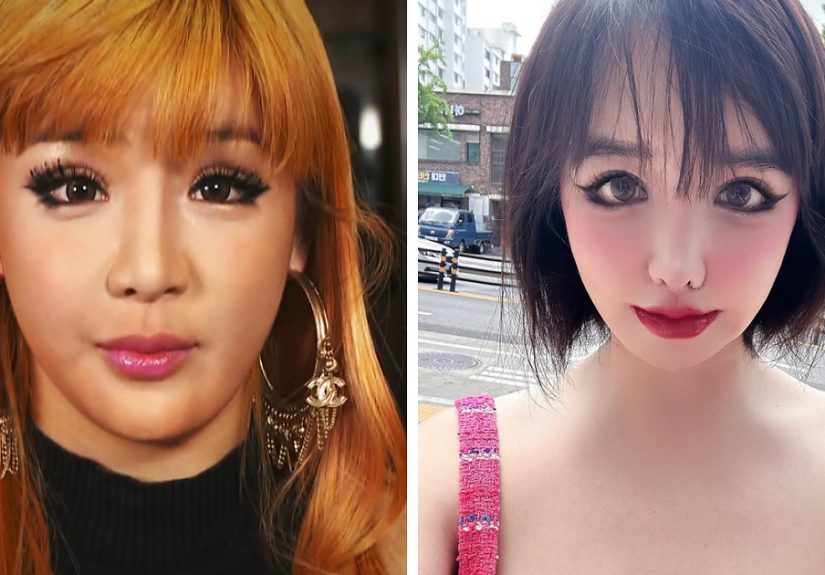
For years, the 2NE1 singer has been followed not only for her unmistakable voice and stage legacy, but also for endless discussion about her appearance. Every comeback photo, concert clip, selfie, and red-carpet frame has been inspected like it belonged in a lab. And when recent headlines reignited talk about her transformation, many readers fixated on the phrase “plastic surgery” as if that alone explained everything. It does not.
The deeper, sadder, more human story is about pressure. Pressure to look camera-ready at all times. Pressure to remain frozen in the version of yourself the public first fell in love with. Pressure to survive an industry where beauty is not just part of the package, but often treated like the packaging itself. In Park Bom’s case, public reporting over the years has pointed to a messy combination of image pressure, stress, health-related swelling rumors, and relentless scrutiny. That is exactly why her story feels heartbreaking: not because her face changed, but because the world kept demanding that it never should.
Park Bom’s Public Image Was Never Allowed To Be Just Her Own
Park Bom rose to fame as one of the most recognizable voices in K-pop, helping 2NE1 become one of the defining girl groups of its generation. She was never a background figure, never the person you forgot after the song ended. Her voice had drama, grit, and emotional weight. That should have been more than enough. In a better universe, it would have been.
Instead, like many female stars in K-pop, her public identity became tied to a visual standard that was almost impossible to satisfy. Fans wanted charisma. Labels wanted marketability. Media wanted spectacle. Comment sections wanted perfection with a side of confession. And if any of that sounds exhausting, congratulations, you are still in possession of common sense.
That pressure matters because the conversation around Park Bom’s transformation did not happen in a vacuum. It happened inside a culture where appearance can shape career opportunities, public treatment, and even perceived worth. In South Korea, public reporting and commentary have long described a beauty economy in which cosmetic procedures are normalized, face shape ideals are highly specific, and image management starts early. K-pop did not invent that culture, but it certainly operates inside it, amplifies it, and exports it with immaculate lighting.
The Heartbreaking Reason Is Bigger Than Vanity
The most responsible way to read Park Bom’s story is not as a morality tale about a celebrity “going too far.” It is a case study in what happens when fame, beauty standards, health struggles, and internet obsession collide.
That is why the phrase “heartbreaking reason” lands so hard. Because if public reports and commentary reveal anything, it is this: the issue was never just personal vanity. It was the burden of being seen as a product while still trying to remain a person.
K-pop rewards polish and punishes visible change
One of the cruelest parts of idol culture is that artists are expected to be dynamic and frozen at the same time. Fans want new concepts, new eras, new styling, new visuals, and new energy. But they also want the artist to remain recognizably identical to the version they memorized years ago. Grow older? Problem. Gain weight? Problem. Look tired? Problem. Look different after makeup, lighting, stress, or medical issues? Also somehow a problem.
That double standard turns ordinary human change into public controversy. A performer does not just age or fluctuate or recover or rest. She becomes a trending topic. And then strangers start speaking about her face like they are discussing a software update.
Beauty pressure becomes professional pressure
In many entertainment industries, appearance helps. In K-pop, appearance can feel job-adjacent in a much more direct way. The logic is brutal: better visuals mean better branding, better branding means better opportunities, and better opportunities mean survival. Even outside the music world, reporting has described appearance-based competition in South Korea as deeply embedded in social and professional life. Put that culture next to an idol system, and the pressure can become overwhelming.
That context helps explain why rumors about cosmetic procedures around stars like Park Bom never stay personal. They become symbolic. People project all their anxieties about beauty, class, aging, femininity, fame, and control onto one face. Park Bom did not just become a singer people listened to. She became a screen people read into.
Why Park Bom’s “Transformation” Should Be Discussed Carefully
It is important to say this clearly: public discussion of Park Bom’s appearance has often mixed fact, rumor, speculation, fan concern, deleted posts, and outright cruelty. Some reports have framed her changing look as connected to beauty pressure and insecurity. Others have referenced stress, weight fluctuation, or health-related swelling. Those are not small differences. They are the difference between journalism and guesswork.
That is exactly why careless coverage does damage. Once a celebrity’s face becomes internet property, nuance disappears fast. Filters get treated as evidence. Angles become “proof.” A bad screenshot becomes a diagnosis. And suddenly, people who know nothing about a person’s health, treatment history, stress level, medication, or makeup are speaking with terrifying confidence.
Park Bom’s story deserves better than that. The real tragedy is not that people noticed she looked different. The tragedy is that they often seemed more interested in solving her face than understanding her circumstances.
The Internet Makes Every Change Look Like A Scandal
Online culture has a special talent for turning uncertainty into entertainment. A few photos go viral. Commenters zoom in like they are auditioning for a detective show no one asked for. Headlines go dramatic. Then the story mutates into something cleaner, harsher, and less true than whatever actually happened.
Park Bom has lived through that cycle repeatedly. And once that pattern begins, even normal explanations stop sounding “dramatic” enough for the algorithm. Stress? Too ordinary. Swelling? Too medical. Aging? Too human. The internet prefers a plot twist. It wants a shocking reveal, a villain, a before-and-after collage, and a comment section performing concern while sharpening knives.
That is why stories like hers resonate beyond K-pop. You do not need to be a global idol to recognize the feeling. Plenty of ordinary people know what it is like to have others comment on their weight, skin, face, or “what happened to you?” after a stressful year. Park Bom’s fame only turned that experience into a stadium-sized version of something painfully familiar.
What Fans Hear Beneath The Headlines
Strip away the gossip, and the emotional core of the story becomes much clearer. Fans do not just hear rumors about surgery. They hear years of pressure. They hear the possibility that an artist may have felt she needed to alter herself to stay worthy of the stage. They hear the sadness of someone whose appearance became a public battleground. They hear a woman trying to survive a system that profits from fantasy but offers very little mercy to the people expected to embody it.
That is why the story feels heartbreaking even when the public record remains incomplete. You do not need every private detail to understand the shape of the pain. When an artist’s look becomes more discussed than her music, something has already gone wrong.
And Park Bom’s legacy deserves to be bigger than speculation. This is a singer whose voice helped define an era. A performer whose presence helped make 2NE1 iconic. A public figure who has navigated controversy, comeback, anxiety, and intense scrutiny while still remaining one of K-pop’s most recognizable names. That should count for more than the latest viral close-up. It should count for a lot more.
The Bigger Lesson Behind Park Bom’s Story
Park Bom’s story is ultimately about what happens when beauty stops being a preference and starts acting like a job requirement. It is about the emotional cost of being watched too closely for too long. It is about how quickly concern can blur into cruelty when the internet decides that someone’s face is public property.
It is also about the impossible standards placed on women in entertainment. Be beautiful, but effortless. Be honest, but not too honest. Be glamorous, but natural. Age, but invisibly. Change, but not noticeably. And above all, never look like life has touched you, even when life has absolutely tackled you in broad daylight.
That contradiction is the real villain here. Not one photo. Not one rumor. Not one procedure, confirmed or unconfirmed. The real problem is the culture that makes so many women feel that being talented is not enough unless beauty arrives first, leaves last, and never asks for a day off.
So yes, the headlines may ask what happened to Park Bom’s face. A better question is what happened to our ability to let artists be human.
Extra Reflections: Experiences Many People Recognize In Park Bom’s Story
There is a reason this story connects with so many people even beyond the K-pop world. At its core, it taps into an experience millions understand: the exhausting feeling of being watched while changing. Not performing, not thriving, not posting a carefully edited highlight reel. Just changing. The sort of change that happens after stress, after illness, after a rough year, after medication, after grief, after burnout, or simply after time. Most people get to go through that privately. Celebrities do not.
Imagine living in a world where every tired expression becomes “proof” of something, where a bad angle becomes a headline, and where strangers decide they know your body better than you do. That is what makes celebrity image discourse so emotionally brutal. For ordinary people, one cruel comment about appearance can linger for weeks. For a star, that comment becomes ten thousand comments, then a trend, then an article, then a rumor repeated until it starts sounding like history.
Many people also recognize the experience of trying to look “normal” while something difficult is happening in your life. You still go to work. You still smile in photos. You still show up to events. But underneath that effort is the quiet fear that someone will notice you look different and decide that difference is the most interesting thing about you. That fear can make people overcorrect. More makeup. Better lighting. Stronger filters. More effort. More concealment. More pressure. It becomes a loop, and it is not hard to see how someone in a beauty-driven industry could get trapped inside it.
Another deeply familiar experience is the pressure to stay loyal to an earlier version of yourself. Maybe it is the version from high school, from your twenties, from before stress changed your body, or from before life carved new lines into your face. People often do not just compare celebrities to beauty standards. They compare them to their own memory of who that celebrity used to be. And memory is unfair. Memory always has softer lighting and better timing.
That is why Park Bom’s situation feels bigger than celebrity gossip. It mirrors the way society treats visible change as failure. Look different, and people assume something is wrong. Look too polished, and they say you are fake. Speak honestly, and people doubt you. Stay silent, and they invent the story for you. It is a no-win setup, and many women know that game by heart.
In that sense, the lasting emotional truth of Park Bom’s story is not really about surgery rumors at all. It is about the loneliness of being judged from the outside while carrying a reality no one else fully sees. It is about how appearance can become a language other people force onto you. And it is about the quiet dignity of continuing anyway, even when the world keeps trying to reduce you to your most zoomed-in image.
If there is anything worth taking from this story, it is not a beauty lesson. It is a compassion lesson. People do not owe the public a perfect face, a medical explanation, or a frozen version of the past. Not idols. Not actors. Not influencers. Not the person standing next to you in line buying coffee and minding their business. The kindest response to visible change is not obsession. It is grace.
Note: This article discusses public reporting and cultural analysis around Park Bom’s image, beauty pressure, and fan discourse. It intentionally avoids treating rumor and online speculation as confirmed medical or cosmetic fact.