Table of Contents >> Show >> Hide
- What Makes a Smoothie a “Jump Start” (Not Just a Cold Fruit Puddle)
- The Jump Start Smoothie Formula (So You Can Freestyle)
- Core Jump Start Smoothie (Everyday Rocket Fuel)
- 5 Jump Start Variations (Same Engine, Different Paint Job)
- Meal Prep That Doesn’t Feel Like Meal Prep
- Food Safety & Clean Blender Habits (Unsexy, Necessary)
- Common Smoothie Problems (And the Fixes That Actually Work)
- Make It Fit Your Day (Without Turning Breakfast Into a Spreadsheet)
- : Real-Life “Jump Start” Experiences (What People Notice)
- Conclusion
Some mornings, the idea of “making breakfast” feels like asking your brain to run a marathon before it’s even put on shoes. Enter: the jump start smoothiefast, customizable, and basically the culinary equivalent of turning your computer off and back on again (but tastier and with fewer pop-up windows).
This guide gives you one rock-solid “base” jump start smoothie recipe, five craveable variations, and the simple formula behind all of them so you’re not trapped making the exact same banana situation until the end of time. Along the way, we’ll keep an eye on what actually makes a smoothie feel energizing (instead of “I’m hungry again in 38 minutes”), how to avoid sugar overload, and how to meal-prep smoothies like a functioning adulteven if you’re not one before 9 a.m.
What Makes a Smoothie a “Jump Start” (Not Just a Cold Fruit Puddle)
1) Energy that lasts: protein + fiber + healthy fats
If your smoothie is mostly fruit juice and fruit, it can taste amazing and still leave you raiding the pantry soon after. A “jump start” blend is different: it’s built to keep you satisfied by pairing natural carbs with protein, fiber, and a little healthy fatclassic “steady energy” building blocks. Tips like adding leafy greens, yogurt, nut butter, oats, seeds, or avocado show up again and again in nutrition-focused smoothie guidance for a reason.[4][7]
2) Added sugar: keep it on a short leash
The easiest way to accidentally create a dessert-in-a-cup is to add sweetened yogurt, sweetened milk, fruit juice, honey, and “just one more date” in the same blender party. Many health organizations advise limiting added sugars, and the American Heart Association’s commonly cited guideline is about 6 teaspoons per day for most women and 9 for most men.[1] Translation: it’s smart to let fruit do most of the sweet talking.
3) Real-world practicality: quick, repeatable, and flexible
A jump start smoothie should be easy on busy mornings. That means using frozen fruit for thickness, choosing an unsweetened liquid base, and having “plug-and-play” add-ins you can toss in without measuring like you’re defusing a bomb.
The Jump Start Smoothie Formula (So You Can Freestyle)
You can follow recipes forever, or you can learn the simple framework and make a great smoothie with whatever’s in your kitchen. Here’s a widely used healthy smoothie structure that keeps flavor, texture, and nutrition balanced.[6]
- Liquid base: 1/2 to 1 cup (unsweetened milk, soy milk, oat milk, kefir, or water)
- Frozen produce: 1 to 2 cups (frozen berries, mango, peaches, spinach, cauliflower, etc.)
- Creamy + staying power: 1/4 to 1/2 cup (Greek yogurt, cottage cheese, tofu, avocado) or 1–2 Tbsp (nut butter, tahini)
- Fiber/protein booster: 1–3 Tbsp (oats, chia, flax, hemp hearts) or a scoop of protein powder (optional)
- Flavor boost: cinnamon, ginger, cocoa, vanilla, citrus zest, mintsmall amounts, big impact
- Sweetness check: taste first; only add honey/dates if you truly need it
Think of it like building a playlist: you want a lead singer (fruit), a solid rhythm section (protein + fiber), and one fun instrument (spice/flavor) so it doesn’t sound like the same song every day.
Core Jump Start Smoothie (Everyday Rocket Fuel)
This is the “do-it-most-days” base recipe. It’s creamy, not-too-sweet, and designed to keep you full. Make it as written once, then start swapping components like you’re customizing a character in a video game.
Ingredients (1 large or 2 small servings)
- 3/4 cup unsweetened milk (dairy or fortified soy), or kefir, or water
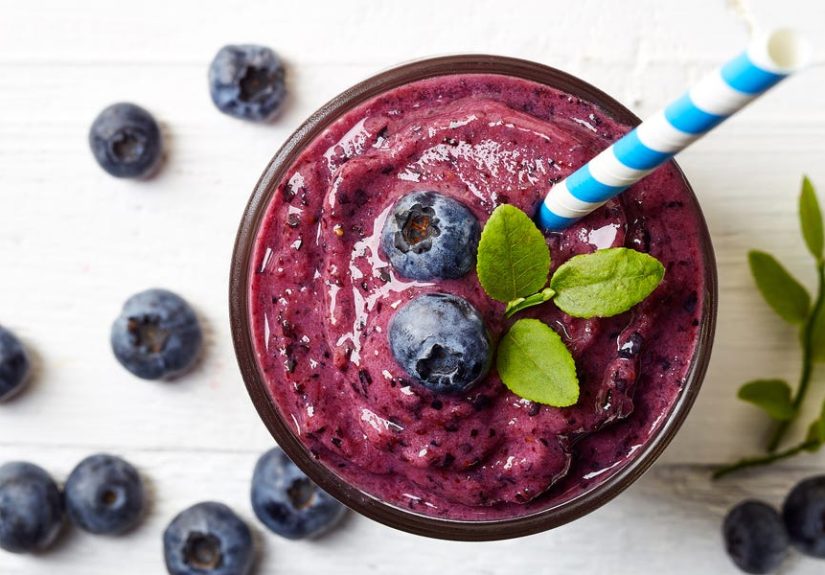
- 1 cup frozen mixed berries
- 1/2 frozen banana (break into chunks)
- 1/2 cup plain Greek yogurt (or soy yogurt)
- 2 Tbsp old-fashioned oats
- 1 Tbsp ground flaxseed or chia seeds
- 1 big handful baby spinach (optional but encouraged)
- 1/2 tsp cinnamon
- Pinch of salt (yes, reallytiny pinch helps flavors pop)
Directions
- Load smart: Add liquid first, then yogurt, then powders/seeds, then frozen fruit and banana on top. This helps the blender grab everything without a dramatic “ice boulder” standoff.
- Blend 45–75 seconds until smooth. If it’s too thick, add a splash more liquid and blend again.
- Taste. If you want more sweetness, add 1 pitted date or 1 tsp honeythen blend 10 seconds. (But try it first.)
Why it works
Berries bring flavor and fiber, Greek yogurt boosts protein and creaminess, oats and seeds add staying power, and spinach quietly upgrades the nutrient profile without turning your smoothie into lawn clippings (promise). Guidance on using greens and balancing sweetness shows up consistently in health-focused smoothie advice.[4][7]
5 Jump Start Variations (Same Engine, Different Paint Job)
1) Green Morning Kick (Bright, fresh, not “salad”)
- 3/4 cup unsweetened milk
- 1 cup frozen mango
- 1/2 banana
- 1/2 cup plain Greek yogurt
- 1–2 handfuls spinach
- 1 Tbsp chia
- 1/2 tsp grated fresh ginger or 1/4 tsp ground ginger
- Optional: squeeze of lime
This style is a classic “green smoothie” buildfruit for sweetness, leafy greens for nutrients, and protein/fiber for balance.[12]
2) Peanut Butter Banana Oat (Classic comfort, breakfast vibes)
- 3/4 cup milk (or unsweetened almond/oat milk)
- 1 frozen banana
- 1/2 cup plain yogurt
- 1/4 cup oats
- 1 Tbsp peanut butter
- Dash cinnamon
- Optional: 1 tsp honey if you want it sweeter
This combo is beloved because it tastes like a snack but behaves like breakfast. Versions of this ingredient set appear in mainstream recipe sources for a reason: it’s filling, creamy, and easy.[13]
3) Berry “PB&J” Protein (Tastes like a treat, acts like fuel)
- 3/4 cup kefir or milk
- 1 1/2 cups frozen strawberries + blueberries
- 1/2 cup plain Greek yogurt (or cottage cheese if you like it extra creamy)
- 1 Tbsp peanut butter (or almond butter)
- 1 Tbsp ground flaxseed
- 1/2 tsp vanilla
Using fermented dairy like kefir can add tang and creaminess; freezing it into cubes is also a legit texture upgrade move.[10]
4) Tropical Oat Lift (Creamy, sunny, not overly sweet)
- 3/4 cup unsweetened milk or fortified soy milk
- 1 cup frozen pineapple
- 1/2 cup frozen peaches or mango
- 1/2 cup plain yogurt
- 2 Tbsp oats
- 1 Tbsp hemp hearts or chia
- Pinch turmeric + black pepper (optional “golden” vibe)
Oats help thicken and make the smoothie feel more like a mealan approach often used in breakfast smoothie recipes.[2][12]
5) Coffee Jump Start (Caffeine + breakfast, peacefully coexisting)
- 1/2 cup chilled coffee or espresso
- 1/2 cup milk (or soy milk)
- 1 frozen banana
- 1 Tbsp nut butter (cashew/almond/peanut)
- 1/2 cup plain yogurt (optional but helps creaminess)
- Handful of ice or (better) coffee ice cubes
- Pinch cocoa powder or cinnamon (optional)
If you’re a “coffee first, life later” person, this variation turns breakfast into something you’ll actually remember to consume.
Meal Prep That Doesn’t Feel Like Meal Prep
Freezer smoothie packs (the “future you” love language)
Grab 5 freezer bags or containers. In each, add your frozen fruit, spinach (if using), and any dry add-ins like oats or seeds. Store in the freezer. In the morning, dump one pack into the blender, add liquid + yogurt, blend, and go. This saves time and reduces the “staring into the fridge like a detective” phase.
Freeze fruit the right way (for better texture)
Frozen fruit is the secret to thick smoothies without adding a blizzard’s worth of ice. If you freeze your own, spread fruit on a tray first to “flash freeze,” then bag itso it doesn’t become one giant frozen fruit brick that could double as a doorstop.[10]
Kefir or yogurt cubes = instant creaminess
Want a thicker, milkshake-like texture without extra sweeteners? Freeze plain kefir (or yogurt thinned with a little milk) in ice cube trays. Using frozen cultured dairy can make smoothies taste richer and stay colder without watering down the flavor.[10]
Food Safety & Clean Blender Habits (Unsexy, Necessary)
Smoothies use raw produce, so basic food safety matters. Rinse fruits and vegetables under running water before prepping; don’t wash produce with soap or detergents. Scrub firm produce (like apples) if needed, and cut away bruised or damaged areas.[2] Also: wash hands before preparationyes, even if you “just rinsed them.” The blender does not sanitize your life choices.[2]
After blending, rinse the blender immediately. Dried-on smoothie gunk is basically edible cement. A quick trick: add warm water + a drop of dish soap to the blender and run it for 10 seconds, then rinse well.
Common Smoothie Problems (And the Fixes That Actually Work)
“It’s too watery.”
Add more frozen fruit, a few spoonfuls of yogurt, or 1–2 tablespoons of oats/chia. If you used lots of ice, swap some ice for frozen fruit next time for better flavor and texture.[8]
“It’s too thick and my blender is protesting.”
Add liquid a splash at a time. Also, load the blender with liquid first, then softer items, then frozen items on top. Pause to scrape the sides if needed, and don’t be afraid to let it blend a little longer.
“It tastes flat or weirdly bitter.”
Add a pinch of salt, a squeeze of citrus, or a warm spice like cinnamon. If greens are making it bitter, use baby spinach (milder) and pair it with mango, pineapple, or banana to soften the flavor.
“It’s way too sweet.”
Use unsweetened milk/yogurt, skip juice as a base, and limit sweeteners. If you want it less sweet but still tasty, add lemon/lime, plain yogurt, or a small handful of spinach. Keeping smoothies from turning into sugar rockets is a common recommendation in blood-sugar-friendly smoothie tips.[7]
Make It Fit Your Day (Without Turning Breakfast Into a Spreadsheet)
Want more protein?
Use Greek yogurt, soy milk, cottage cheese, or a scoop of protein powder. Some clinical-style smoothie recipes also include options like wheat germ and protein powder for extra nutrition density.[11]
Want more fiber?
Add berries, chia/flax, oats, and (yes) spinach. Whole-fruit smoothies generally keep more of the natural fiber than juicing, which is one reason smoothies can be more satisfying than juice drinks.[5]
Trying to be mindful about added sugar?
Start with unsweetened ingredients and let fruit provide sweetness. Many U.S. nutrition recommendations emphasize limiting added sugarsoften framed as staying under a percentage of daily calories for most people.[3] A simple rule: if it tastes “dessert sweet,” it probably is.
Making smoothies for kids or picky eaters?
Keep it familiar: berries + banana + yogurt. Add spinach slowly (a little at a time), use cinnamon or vanilla for “bakery smell,” and serve in a fun cup with a straw. MyPlate-style tips often suggest using fruit to naturally sweeten foods like yogurt and smoothies instead of adding sugar.[9]
: Real-Life “Jump Start” Experiences (What People Notice)
The first time someone tries a “balanced” jump start smoothie, the most common reaction is surprisenot because it tastes like kale punishment, but because it actually holds them over. Many people are used to smoothies that drink like juice: delicious, refreshing, and then… gone from your stomach like it took an Uber. When you build in protein (Greek yogurt or soy milk), fiber (berries, oats, chia), and a little fat (nut butter or seeds), the experience shifts. The smoothie starts to feel like breakfast instead of a fruity beverage you accidentally inhaled while looking for your keys.[7]
Another real-world change: taste buds adjust. If someone normally drinks sweet coffee drinks or bottled smoothies with added sugar, a fruit-only sweetened smoothie can taste “less exciting” for about two mornings. Then the palate recalibrates, and suddenly a berry-banana blend tastes plenty sweet. That’s when add-ins like cinnamon, ginger, cocoa, or vanilla become the fun partbecause they make a smoothie feel special without turning it into candy. It’s also when greens stop feeling scary. Baby spinach has a mild flavor, and paired with mango or pineapple, it tends to disappear into the background like a stealthy nutritional upgrade.[4]
Prep routines are where the habit either sticks or collapses dramatically. People who succeed long-term rarely “wing it” every day. They set up tiny systems: freezer packs labeled “Berry PB,” “Tropical,” “Green,” and “Coffee.” They keep a scoop in the oats container. They stash chia and flax next to the blender. The result is a morning routine that’s closer to assembling than cookingdump, pour, blend, sip. And when life gets chaotic, the smoothie habit becomes a reliable default because the decision-making is already done.
Texture is the sneaky make-or-break detail. In real kitchens, the biggest complaint isn’t flavorit’s that a smoothie can come out thin, icy, or weirdly foamy. The fix is almost always the same: rely on frozen fruit for thickness, use cultured dairy (or kefir cubes) for creaminess, and avoid overloading the blender with ice. Once people nail texture, they’re far more likely to repeat the recipebecause a thick, creamy smoothie feels like a treat. That’s why so many practical smoothie tips focus on balancing liquid and frozen ingredients and using smart thickeners like oats, yogurt, or nut butter.[6][8][10]
Finally, there’s the “bonus win” people notice after a week or two: fewer snack emergencies. A balanced smoothie doesn’t magically make days perfect, but it often reduces the mid-morning crash that leads to impulsive grabbingespecially when the smoothie is built with the same logic you’d use for a solid breakfast plate: fruit, protein, and something hearty. Once that clicks, jump start smoothies stop being a trend and become a toolone that tastes good, takes minutes, and makes mornings slightly less chaotic (which is honestly a huge flex).
Conclusion
A jump start smoothie isn’t about being “perfect.” It’s about building a fast breakfast that tastes good, keeps you satisfied, and doesn’t require a full kitchen production. Start with the core recipe, try one variation this week, and set yourself up with freezer packs so tomorrow morning you can be the kind of person who has breakfast handled before your inbox wakes up.