Table of Contents >> Show >> Hide
- What Is the Ivanhoe Esso, Exactly?
- Porcelain Enamel 101: Why This Finish Is a Legend
- The Warehouse Shape: Deep Bowl, Big Purpose
- Where the Ivanhoe Esso Looks Best
- Size, Spacing, and Hanging Height
- Bulbs and Brightness: Get the Glow Right
- Cord, Canopy, and the Tiny Details That Make It Feel Vintage
- Safety and Ratings: The Part Where We Keep Your House from Becoming a TikTok Cautionary Tale
- Care and Cleaning: Keep the Gloss, Lose the Grime
- Styling Ideas: How to Make It Look Like You Planned This
- Buying Notes: Discontinued Listings, Current Options, and Smart Alternatives
- Conclusion: Why People Keep Coming Back to This Look
- Experience Notes: Living With an Ivanhoe Esso–Style Porcelain Pendant (Extra )
Some light fixtures whisper. The Ivanhoe Esso Warehouse Porcelain Pendant doesn’t whisperit
shows up in steel-toe boots, drops a toolbox on your countertop (gently), and then somehow looks
adorable doing it.
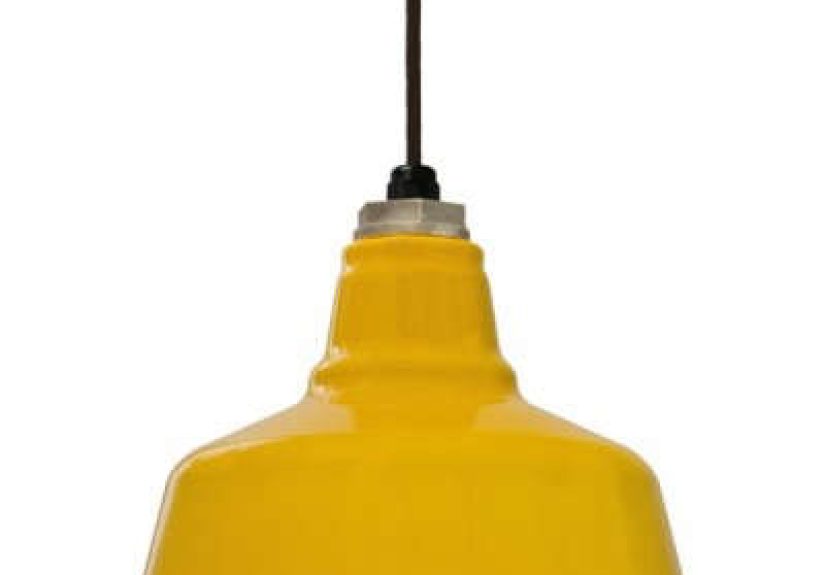
This is the kind of pendant that borrows its silhouette from early warehouse and gas-station lighting:
a compact deep-bowl shade with a glossy porcelain enamel finish and a bright interior that
pushes light where you actually need itdown onto desks, breakfast tables, sinks, and all the places
life happens. If you like interiors that feel a little industrial, a little vintage, and a lot “I meant to do this,”
you’re in the right aisle.
What Is the Ivanhoe Esso, Exactly?
“Ivanhoe Esso” is a name associated with a vintage-inspired line of warehouse-style porcelain enamel pendants
popularized by American-made production and that classic RLM/industrial heritage. The “Esso” version
is the compact one: it keeps the deep-bowl warehouse look but in a smaller, space-friendly size.
The defining traits are simple and very on-purpose:
- Deep-bowl warehouse shade (typically in an 8-inch or 10-inch diameter)
- High-gloss porcelain enamel over steel for a tough, shiny finish
- Bright white interior to boost reflected light
- Cord-hung pendant format (often offered with standard or cotton-twist cord options)
The vibe? Think “early 20th-century service station,” but with modern wiring and the ability to live happily
above your kitchen sink without making your home feel like an auto bay.
Porcelain Enamel 101: Why This Finish Is a Legend
Porcelain enamel (often called vitreous enamel) is essentially a glassy, inorganic coating fused to metal at
high temperature. In plain English: it’s not just paint trying its best. It’s a hard, glass-like surface that’s
engineered to take a beatingone reason enamel-coated products have been used in demanding environments
for generations.
What you get in real life
-
Durability: Enamel resists abrasion better than many conventional finishes, which matters when your
pendant is living above chairs, backpacks, and the occasional enthusiastic baguette swing. -
Color stability: Because it’s inorganic and glassy, porcelain enamel is known for holding onto its color and gloss
better than many paint-based finishes. -
Cleanability: High-gloss enamel is typically easy to wipe down with mild soap and watergreat for kitchens,
mudrooms, and anywhere dust has a part-time job.
Translation: a porcelain enamel pendant is a smart buy if you want that crisp, glossy “vintage warehouse”
look without treating your lighting like fragile décor.
The Warehouse Shape: Deep Bowl, Big Purpose
The deep-bowl shade isn’t just aesthetic nostalgiait’s optical strategy. A bowl shape focuses light downward,
which makes it excellent for task lighting (prep surfaces, sinks, desks, laundry folding zones, and
that one spot on your counter where mail goes to become a permanent roommate).
The classic trick here is the white interior. Lighter interiors help reflect light back down and out, so you
get a brighter working area without necessarily needing a giant fixture.
Where the Ivanhoe Esso Looks Best
Because it’s compact, the Ivanhoe Esso style works in places where larger warehouse shades would feel like
you hung a satellite dish indoors (bold choice, but let’s not).
1) Mudrooms and entryways
Mudrooms need tough finishes and real illumination. Porcelain enamel is comfortable around scuffs and
constant traffic. A deep bowl keeps light on the floor and benchesuseful for shoes, bags, and the daily
“where are my keys?” sprint.
2) Hall closets and pantries
Small space + big visibility problem. A focused pendant helps you actually see what’s in there, which is how
you prevent buying your fourth jar of paprika “just in case.”
3) Breakfast tables and compact dining nooks
The 8-inch or 10-inch bowl is a sweet spot for small tables: it gives you a defined pool of light without turning
brunch into an interrogation scene.
4) Laundry rooms and workshops
This is where the warehouse DNA really makes sense. The finish is practical, the shape is focused, and the look
says, “Yes, I fold towels in style.”
5) Half-baths (with the right rating)
Half-baths can handle a pendant if the fixture and installation are appropriate for moisture exposure. More on
ratings in the safety sectionbecause nobody wants their “industrial chic” moment to become a “why is the breaker
tripping?” situation.
Size, Spacing, and Hanging Height
Getting the scale right is what makes an industrial pendant look intentional instead of accidental. Here are
practical guidelines that designers and major lighting retailers commonly recommend.
How high to hang it
-
Over kitchen islands / counters: A common standard is 30–36 inches from the bottom of the pendant
to the countertop. - In open walking areas: Aim for about 7 feet of clearance from the floor to the bottom of the fixture.
How many, and how far apart?
- Multiple pendants: Many guides suggest spacing pendants roughly 18–30 inches apart, adjusting for shade size.
- Edge breathing room: Keep pendants about 6–12 inches in from the edges of the island or table so they don’t feel like they’re hanging off a cliff.
For the Ivanhoe Esso’s compact 8–10 inch range, you can use a single pendant over a small sink or nook,
or a pair over a smaller island where you want symmetry without visual clutter.
Bulbs and Brightness: Get the Glow Right
The deep bowl gives you direction. The bulb gives you the mood. Put them together well and you get a space
that feels crisp, warm, and usable. Put them together poorly and you get “airport security line,” but in your kitchen.
Brightness (lumens) that actually works
- Desk / nook: ~800–1,200 lumens (depending on shade height and surrounding light)
- Sink / task zone: ~1,200–2,000 lumens
- Kitchen island task lighting: ~1,500–3,000 lumens per pendant (often less if you have multiple fixtures)
Color temperature (Kelvin) cheat sheet
- 2700K–3000K: Warm, inviting, classic “home” light
- 3500K: Neutral, clean, great for kitchens without feeling harsh
- 4000K+: Cooler, more clinicaluse only if you truly love “ultra-crisp”
If you’re chasing that vintage gas-station/warehouse vibe without making your countertops look like a laboratory bench,
3000K is often the safest “warm but not yellow” choice.
Cord, Canopy, and the Tiny Details That Make It Feel Vintage
The shade gets all the attention, but the supporting cast matters: cord type, canopy size, and hardware finishes can
push the look either “authentic industrial” or “modern farmhouse with a wink.”
Cotton twist cord vs. standard cord
-
Cotton twist: Looks period-correct and adds texture. Great in kitchens, nooks, and anywhere you want the
pendant to feel like an object, not just a utility. - Standard cord: Cleaner and more minimal. If your space is already visually busy, this helps the shade stay the star.
Pro tip: if you’re mixing metals (brass faucet + black cabinet pulls + stainless appliances), pick a cord and canopy finish
that “ties the room together” instead of introducing a fourth competing opinion.
Safety and Ratings: The Part Where We Keep Your House from Becoming a TikTok Cautionary Tale
Two important words in lighting: location rating. Fixtures are commonly categorized for
dry, damp, or wet locations. A kitchen is typically dry (unless you’re very committed to boiling pasta without a lid).
Bathrooms and covered outdoor areas can be damp. Inside a shower enclosure is wet. The fixture should match the environment.
- Dry location: Normal indoor spaces
- Damp location: Moisture/condensation likely (bathrooms, covered patios, near sinks)
- Wet location: Direct water exposure (showers, exposed exterior)
Always confirm the fixture’s rating and follow local electrical code requirements. If you’re installing over a sink,
in a bath, or anywhere moisture is part of the vibe, consider a damp-rated option and proper ventilation.
And if anything about wiring feels “I watched a video once,” call a licensed electrician.
Care and Cleaning: Keep the Gloss, Lose the Grime
The maintenance plan for porcelain enamel is refreshingly unglamorous:
mild soap + water + a soft cloth. That’s it. No abrasives, no steel wool, no “industrial degreaser bath”
unless you like surprise finish damage.
Quick routine
- Turn off power and let the shade cool (because physics).
- Wipe with a damp microfiber cloth and mild soap solution.
- Dry and buff lightly to bring back the shine.
If the fixture lives near salt air (coastal homes), clean more frequentlycorrosion is persistent and extremely rude.
Styling Ideas: How to Make It Look Like You Planned This
The Ivanhoe Esso look plays nicely with a lot of aesthetics. Here are a few combinations that consistently work:
Modern farmhouse (without the “live laugh love” emergency)
Pair a glossy enamel pendant with white tile, warm wood, and matte black accents. The enamel adds shine so the room
doesn’t feel flat.
Industrial loft
Combine with concrete, exposed brick, and blackened steel. Choose a neutral enamel color (black, white, silver) to keep
the look architectural.
Retro service-station nod
Want that gas-station heritage? Try a bold enamel color (red, blue, green) with a simple countertop and a few vintage cues:
a framed map, a metal stool, or signage-inspired typographyjust one or two touches so it feels curated, not themed.
Buying Notes: Discontinued Listings, Current Options, and Smart Alternatives
If you’re hunting specifically for the “Ivanhoe Esso Warehouse Porcelain Pendant” name, you may notice some listings
are marked discontinued in certain catalogs. Don’t panicthis style is a category, not a unicorn. Look for:
porcelain enamel, deep-bowl warehouse shade, and a compact diameter (8–10 inches).
What to check before you buy
- Shade diameter and depth (small spaces love 8–10 inches)
- Finish color (high-gloss enamel reads brighter than matte paint)
- Interior color (white interiors generally throw more usable light)
- Cord length and whether it’s adjustable
- Location rating (dry/damp/wet)
- Bulb type and dimming compatibility (especially if you want mood lighting)
You can also go the vintage route: true antique porcelain enamel shades exist and can be restored and rewired.
If you do, prioritize safety and professional rewiringold fixtures can be charming, but old insulation is not.
Conclusion: Why People Keep Coming Back to This Look
The Ivanhoe Esso Warehouse Porcelain Pendant hits a rare sweet spot: it’s compact enough for real homes,
rugged enough for real life, and visually bold without being loud. The deep-bowl shape delivers task lighting with purpose,
and the porcelain enamel finish brings that glossy, vintage-industrial charisma that still looks fresh decades after the first
warehouse shade ever lit up a workbench.
If you want lighting that feels like it has a backstorywithout requiring you to actually live in a converted factorythis is
one of the smartest ways to get there.
Experience Notes: Living With an Ivanhoe Esso–Style Porcelain Pendant (Extra )
Once this kind of pendant is installed, the first thing people notice isn’t a spec sheetit’s the presence.
A porcelain enamel deep-bowl pendant has a way of “anchoring” a small zone. Over a sink, it makes the area feel like
a purposeful workstation. Over a breakfast table, it creates a little island of light that subtly tells everyone,
“This is where we gather,” even if the gathering is just you, your coffee, and a heroic amount of toast.
Day to day, the experience is surprisingly practical. The glossy finish reflects ambient light in the room, so even when the
pendant is off, it still adds a bit of brightnessespecially in white, silver, or lighter colors. When it’s on, the deep-bowl
shape keeps the light from spraying into your eyes at awkward angles. That matters more than most people expect.
If you’ve ever sat under a bare bulb and felt like you were being interrogated by your own dining room, you’ll appreciate
how a bowl shade keeps the beam focused.
There’s also a very real “life-proof” feeling to porcelain enamel. Kitchens get messy. Mudrooms get dusty. Laundry rooms
collect lint the way your phone collects fingerprints. A quick wipe with mild soap and water tends to bring the shade back
to looking crisp, which is satisfying in a “why can’t everything in my house be this cooperative?” kind of way.
Owners often end up treating it like a reliable appliance: it’s decorative, sure, but it behaves like it was built for work.
The styling experience is fun because the pendant plays well with both vintage and modern pieces. Put it near a clean-lined,
modern faucet and it reads like a deliberate contrastindustrial heritage meeting contemporary minimalism. Put it near
warm woods, beadboard, or vintage tile and it feels like it belongs in the room’s original blueprint. And if you choose a bold
enamel color (classic red, deep blue, green), it becomes the kind of detail guests comment onoften with a surprised,
“Wait, where did you find that?” energy.
The only “gotchas” people run into are predictable: hanging it too low (hello, forehead bonk), choosing a bulb that’s too cool
(suddenly your kitchen looks like a high school science lab), or skipping a dimmer (you don’t always need full daylight at 9 PM).
Get the height right, pick a warm-to-neutral LED with good color rendering, and you end up with lighting that feels both
nostalgic and modernlike a vintage jacket that somehow fits perfectly today.