Table of Contents >> Show >> Hide
- Is an Itchy Belly Button Normal During Pregnancy?
- Common Causes of Itchy Belly Button During Pregnancy
- 1. Stretching Skin Around the Growing Belly
- 2. Dry Skin and Pregnancy Hormones
- 3. Friction From Clothing
- 4. Sweat, Heat, and Moisture Trapped in the Navel
- 5. Contact Dermatitis
- 6. Belly Button Piercing Irritation
- 7. Yeast or Bacterial Irritation
- 8. PUPPP or Polymorphic Eruption of Pregnancy
- 9. Prurigo of Pregnancy
- 10. Intrahepatic Cholestasis of Pregnancy
- Safe Ways to Treat an Itchy Belly Button During Pregnancy
- What Not to Do When Your Belly Button Itches
- When to Call a Doctor
- How to Prevent Belly Button Itching During Pregnancy
- Frequently Asked Questions
- Real Experiences: What Itchy Belly Button During Pregnancy Can Feel Like
- Conclusion
Pregnancy has a way of turning ordinary body parts into daily news headlines. One week your belly button is quietly minding its business; the next week it feels tight, itchy, sensitive, or suddenly more dramatic than a reality-show reunion. The good news: an itchy belly button during pregnancy is usually caused by normal skin stretching, dryness, friction, or hormonal changes. The not-so-fun news: sometimes itching can signal a rash, infection, or a pregnancy-related condition that deserves a call to your healthcare provider.
This guide explains the most common causes of belly button itching in pregnancy, safe treatment options, when to worry, and how to build a simple comfort routine that does not involve scratching your stomach like you are trying to win a lottery ticket. While most itching is harmless, pregnancy is not the season for guessing games, so we will also cover red flags that should be checked promptly.
Is an Itchy Belly Button Normal During Pregnancy?
Yes, mild itching around the belly button is common during pregnancy. As the uterus expands, the skin over the abdomen stretches, and the navel area often becomes one of the tightest, most sensitive spots. Many pregnant people notice itching in the second or third trimester, when the belly grows faster and the skin has less room to politely negotiate.
The belly button may also flatten, pop outward, or feel tender as pressure increases from inside the abdomen. These changes are usually temporary. After delivery, many belly buttons gradually return close to their pre-pregnancy shape, although every body has its own renovation schedule.
Common Causes of Itchy Belly Button During Pregnancy
1. Stretching Skin Around the Growing Belly
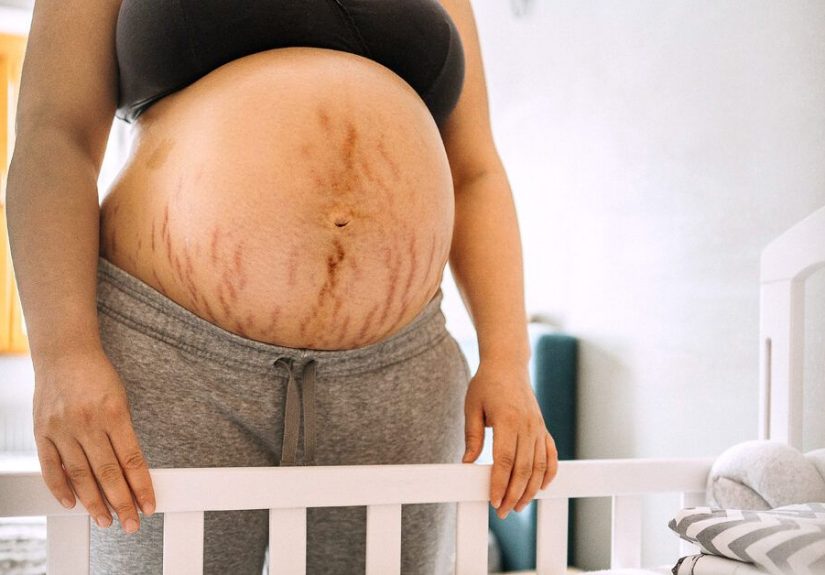
The most common reason for an itchy belly button during pregnancy is simple: your abdominal skin is stretching. Stretching can pull on the skin around the navel and make it feel dry, tight, tingly, or itchy. Stretch marks may also appear as collagen and elastin fibers under the skin are stretched quickly. Early stretch marks can itch, burn, or feel slightly raised before they fade over time.
This type of itch usually stays on the belly, sides, or around the belly button. It often improves with moisturizer, cool compresses, gentle clothing, and avoiding hot showers.
2. Dry Skin and Pregnancy Hormones
Hormonal changes can make skin more sensitive and prone to dryness. Even someone who never had dry skin before pregnancy may suddenly feel like their belly is made of tissue paper. Dry skin loses moisture more easily, which can trigger itching, flaking, and irritation around the navel.
Dryness may get worse after long hot showers, harsh soaps, fragranced lotions, or cold weather. A fragrance-free cream or ointment is often better than a thin, scented lotion because it seals in moisture more effectively.
3. Friction From Clothing
Waistbands, maternity leggings, belly bands, and tight shirts can rub against the navel. If your belly button has popped out, it may get more friction than usual. This can lead to redness, tenderness, or a maddening little itch that shows up every time fabric touches the area.
Soft, breathable fabrics can help. If a seam or elastic band sits directly over your belly button, try adjusting the fit or choosing clothing with a smoother front panel. Your belly button has enough responsibilities right now; it does not need to fight a waistband.
4. Sweat, Heat, and Moisture Trapped in the Navel
The belly button is a tiny fold of skin, which means sweat, lint, soap residue, and moisture can collect there. During pregnancy, body temperature may feel higher, and sweating can increase. Trapped moisture may cause irritation, odor, or itchiness.
Gently washing the area and drying it well after bathing can reduce irritation. Do not scrub aggressively or dig into the navel with sharp objects. A soft washcloth and careful drying are usually enough.
5. Contact Dermatitis
Contact dermatitis happens when something touching the skin causes irritation or an allergic reaction. Around the belly button, possible triggers include fragrance, laundry detergent, metal from jewelry or buttons, belly oils, adhesive from bandages, or ingredients in skincare products.
Contact dermatitis may cause itching, redness, bumps, burning, or a rash exactly where the trigger touched the skin. Switching to fragrance-free detergent, wearing soft cotton layers, and stopping new products can help identify the culprit.
6. Belly Button Piercing Irritation
A belly button piercing can become uncomfortable during pregnancy as the skin stretches. Jewelry may pull, snag, or create small tears in the skin. Even a piercing that behaved perfectly for years can suddenly decide it wants attention.
If the piercing area becomes itchy, painful, red, swollen, or starts draining fluid, contact your healthcare provider. Some people need to remove belly jewelry during pregnancy, especially if the skin is stretching tightly or irritation keeps returning.
7. Yeast or Bacterial Irritation
Because the navel can trap moisture, it may become irritated by yeast or bacteria. Signs may include redness, odor, swelling, tenderness, discharge, crusting, or warmth. This is different from ordinary stretching itch because the area may look inflamed or feel sore.
Do not guess-treat a suspected infection during pregnancy. Your provider can check the area and recommend a pregnancy-safe treatment if needed.
8. PUPPP or Polymorphic Eruption of Pregnancy
PUPPP, also called polymorphic eruption of pregnancy, is an itchy pregnancy rash that usually appears later in pregnancy. It often starts on the abdomen, especially around stretch marks, and may spread to the thighs, buttocks, breasts, or arms. It can look like small red bumps, hives, or raised patches.
PUPPP is uncomfortable but usually not dangerous to the baby. Treatment focuses on itch relief, such as topical medications, antihistamines, cool compresses, or other options recommended by a healthcare provider. Because other pregnancy rashes can look similar, it is smart to have a new rash checked.
9. Prurigo of Pregnancy
Prurigo of pregnancy can cause itchy bumps that may appear on the arms, legs, or abdomen. The bumps can become crusted from scratching. This condition is generally not considered dangerous for the baby, but it can be extremely annoying and may need medical treatment to calm the itch.
10. Intrahepatic Cholestasis of Pregnancy
Intrahepatic cholestasis of pregnancy, often called ICP or cholestasis of pregnancy, is a liver-related condition that can cause intense itching. Unlike many skin rashes, cholestasis often causes itching without a visible rash at first. It commonly affects the palms and soles, but itching can spread to other areas, including the belly.
Cholestasis is important because it may increase risks for the baby and requires medical monitoring. Symptoms that need prompt attention include severe itching, itching that is worse at night, itching on the hands or feet, yellowing of the skin or eyes, dark urine, pale stools, nausea, or loss of appetite. Diagnosis usually involves blood tests for bile acids and liver function. Treatment may include medication such as ursodeoxycholic acid and closer pregnancy monitoring.
Safe Ways to Treat an Itchy Belly Button During Pregnancy
Moisturize Like It Is Your New Part-Time Job
Apply a fragrance-free cream or ointment after showering while the skin is still slightly damp. Focus on the belly, sides, and around the belly button. Products with simple ingredients are often best because pregnancy skin can be dramatic about fragrance, dyes, and botanical extras.
Moisturizer will not guarantee prevention of stretch marks, but it can reduce dryness and make tight skin feel more comfortable. Think of it less as magic and more as basic skin diplomacy.
Use Cool Compresses
A cool compress can calm itch quickly. Place a clean, cool cloth over the itchy area for 10 to 15 minutes. Avoid ice directly on the skin, because extreme cold can irritate sensitive tissue.
Try a Lukewarm Oatmeal Bath
A lukewarm bath with colloidal oatmeal may soothe irritated skin. Keep the water warm, not hot. Hot water can strip natural oils and make itching worse. After bathing, gently pat the skin dry and apply moisturizer.
Keep the Belly Button Clean and Dry
Wash the belly button gently with mild soap and water. Rinse well to remove soap residue, then dry the area carefully. If your navel is deeper, use a soft towel corner or clean cotton pad to absorb moisture, but do not scrape or poke.
Wear Soft, Breathable Clothing
Choose loose cotton shirts, maternity pants with soft panels, and underwear that does not rub the navel. If your belly button is sensitive, avoid rough seams or tight elastic directly over it.
Ask Before Using Medication
Some over-the-counter products may be appropriate during pregnancy, but always check with your healthcare provider before using medicated creams, antihistamines, or steroid products. Your provider may suggest a short course of hydrocortisone, a pregnancy-safe antihistamine, or a prescription treatment depending on the cause.
What Not to Do When Your Belly Button Itches
First, try not to scratch. Yes, this is deeply unfair advice when the itch feels like it has a personal agenda. But scratching can break the skin, worsen inflammation, and increase the risk of infection. Pressing gently around the itchy area, using a cool compress, or applying moisturizer can help interrupt the itch-scratch cycle.
Avoid strong exfoliants, alcohol-based products, heavily fragranced oils, hot baths, tanning, and random home remedies you found at 1:00 a.m. while panic-searching. Also avoid applying essential oils or herbal preparations without medical guidance; “natural” does not automatically mean pregnancy-safe.
When to Call a Doctor
Call your healthcare provider if belly button itching is intense, spreading, painful, or not improving with gentle care. You should also seek medical advice if you notice a rash, blisters, pus, foul odor, fever, warmth, swelling, severe abdominal pain, or bleeding from the navel.
Contact your provider promptly if itching affects your palms or soles, becomes worse at night, happens without a rash, or comes with yellow skin, yellow eyes, dark urine, pale stools, nausea, or unusual fatigue. These symptoms can be related to cholestasis of pregnancy and need evaluation.
If you ever notice decreased fetal movement, severe abdominal pain, or symptoms that feel alarming, seek urgent medical care. Pregnancy is one of those life chapters where “better safe than sorry” deserves a standing ovation.
How to Prevent Belly Button Itching During Pregnancy
Prevention is not always possible, especially when the main cause is a growing belly doing exactly what it is supposed to do. Still, a few habits can reduce irritation. Use fragrance-free products, moisturize daily, drink enough water, avoid overheating, wear breathable clothing, and keep the navel clean and dry.
If you have a belly button piercing, monitor it closely. Remove jewelry if it pulls, snags, or irritates the skin, and ask your provider about the safest option. If you have eczema, psoriasis, or a history of skin allergies, tell your obstetrician or dermatologist early so they can help you plan pregnancy-safe care.
Frequently Asked Questions
Does an itchy belly button mean my belly button is about to pop out?
Not always. Itching can happen whether your belly button stays in, flattens, or pops out. However, increased pressure and stretching around the navel can make the area feel itchy or sensitive before visible changes happen.
Can I use regular lotion on my itchy pregnant belly?
Many regular lotions are fine, but fragrance-free, dye-free creams or ointments are usually gentler. If a product stings, burns, or makes the itch worse, stop using it and ask your provider for advice.
Is belly button itching a sign of stretch marks?
It can be. Stretch marks may feel itchy as they develop because the skin is stretching quickly. But itching does not always mean stretch marks are coming, and stretch marks can appear with or without itching.
Can PUPPP start around the belly button?
PUPPP commonly starts on the abdomen and around stretch marks. Some rashes may involve the area near the belly button, but a new rash during pregnancy should be checked because several pregnancy skin conditions can look alike.
Is it normal for the belly button to hurt and itch?
Mild tenderness with itching can happen from stretching or friction. However, strong pain, swelling, redness, discharge, fever, or a bulge that is painful should be evaluated by a healthcare provider.
Real Experiences: What Itchy Belly Button During Pregnancy Can Feel Like
Many pregnant people describe belly button itching as oddly specific. The rest of the belly might feel fine, but the navel becomes the tiny center of chaos. One common experience is the “tight sweater” feeling: the skin around the belly button feels stretched, shiny, and dry, especially after a shower or at the end of the day. Moisturizer helps for a while, then the itch returns when clothing rubs or the belly feels tighter after meals.
Another common story involves the belly button changing shape. Someone with a deep “innie” may notice it becoming shallow, flat, or even an “outie.” As this happens, the skin that used to be tucked inside is suddenly exposed to fabric, air, soap, and friction. It may feel ticklish, tender, or itchy because it is not used to being part of the outside world. In this case, wearing softer shirts and keeping the area moisturized often makes a noticeable difference.
Some people find that itching gets worse at night. During the day, distractions make it easier to ignore, but once everything is quiet, the itch seems to grab a microphone. If the itch is mild and mostly on the belly, dry skin or stretching may be the cause. But if nighttime itching is intense, affects the hands or feet, or comes without a rash, it is worth calling a provider to rule out cholestasis.
There are also “product betrayal” experiences. A belly oil, body butter, or scented lotion that smelled wonderful before pregnancy may suddenly cause burning, bumps, or redness. Pregnancy skin can become more reactive, so the safest routine is often boring in the best way: gentle cleanser, fragrance-free moisturizer, soft clothes, and no experimental potions.
For those with belly button piercings, the experience can be especially uncomfortable. As the skin stretches, jewelry may pull or feel too tight. Some people switch to flexible maternity jewelry, while others remove the piercing entirely. The right choice depends on comfort, skin condition, and provider guidance. Any redness, drainage, or increasing pain should be checked.
The most reassuring pattern is this: mild belly button itching caused by stretching usually comes and goes, improves with moisturizing, and does not come with serious symptoms. The most important pattern to take seriously is itching that is severe, widespread, rashy, infected-looking, or focused on the palms and soles. In pregnancy, comfort matters, but safety comes first. Your belly button may be dramatic, but your healthcare team can help you figure out whether it is normal pregnancy weirdness or something that needs treatment.
Conclusion
An itchy belly button during pregnancy is usually caused by stretching skin, dryness, friction, sweat, or sensitivity around a changing navel. Simple care such as moisturizing, cool compresses, gentle cleansing, and soft clothing often helps. However, severe itching, a new rash, infection signs, or itching on the palms and soles should never be brushed off. Conditions like PUPPP, prurigo, contact dermatitis, infection, or cholestasis of pregnancy may need medical care.
The best approach is calm observation plus practical comfort. Treat the skin gently, avoid scratching, and contact your healthcare provider when symptoms feel unusual, intense, or persistent. Pregnancy brings enough surprises; your belly button does not have to run the entire show.