Table of Contents >> Show >> Hide
- Why Kids Need Stage Makeup
- Before You Start: Safety First
- How to Do Stage Makeup on Kids: 11 Steps
- Step 1: Gather Kid-Safe Stage Makeup Supplies
- Step 2: Wash and Moisturize the Face
- Step 3: Apply a Light Base
- Step 4: Use Concealer Only Where Needed
- Step 5: Set the Base with Powder
- Step 6: Add Blush for Stage Color
- Step 7: Define the Eyebrows
- Step 8: Apply Simple Eye Makeup
- Step 9: Choose a Visible Lip Color
- Step 10: Check the Look Under Bright Light
- Step 11: Remove Makeup Gently After the Show
- Common Mistakes to Avoid
- Best Product Types for Kids’ Stage Makeup
- Age-Appropriate Stage Makeup Tips
- Real-World Experience: What Parents Learn Backstage
- Conclusion
Stage makeup for kids is not about turning a child into a tiny Broadway diva who demands sparkling water and a dressing room fern. It has a much more practical purpose: helping young performers look expressive, polished, and visible under bright stage lights. Whether your child is dancing in a recital, playing a tree in a school musical, singing in a choir concert, or proudly delivering one line as “Villager Number Three,” good stage makeup can keep their face from disappearing into the spotlight.
That said, children’s skin is delicate, their patience is limited, and their ability to sit still while someone approaches their eyeball with mascara is, frankly, negotiable. The best kids’ stage makeup routine should be safe, simple, age-appropriate, and performance-ready. Think “clear features from row 20,” not “red carpet contour tutorial.”
This guide walks you through how to do stage makeup on kids in 11 steps, including skin prep, foundation, blush, eyes, lips, hygiene, removal, and real-world tips from recital-day chaos. You will also learn what products to avoid, how to prevent irritation, and how to keep the process fun instead of turning backstage into a glitter-covered courtroom drama.
Why Kids Need Stage Makeup
Under normal indoor lighting, a child’s natural face already has plenty of color and expression. On stage, however, lighting changes everything. Bright white lights, colored gels, distance from the audience, and costumes can flatten facial features. A child who looks lively up close may look pale, washed out, or expressionless from the back of the auditorium.
Stage makeup restores definition. It helps the audience see eyebrows lift, cheeks smile, eyes sparkle, and lips move. For dance recitals, theater productions, pageants, choir performances, and school plays, makeup acts like a visual microphone for the face. The goal is not beauty correction. The goal is visibility, character, and confidence.
Before You Start: Safety First
Children’s stage makeup should always begin with safety. Use cosmetics designed for skin, not craft paint, marker, acrylic paint, or random glitter from the art drawer. “Non-toxic” on a craft product does not automatically mean “safe for skin,” especially around the eyes and mouth. Choose products labeled for cosmetic use, preferably fragrance-free, hypoallergenic, and suitable for sensitive skin.
Do a patch test before performance day. Apply a tiny amount of each new product behind the ear or inside the elbow, then wait at least 24 hours to check for redness, itching, swelling, or bumps. If your child has eczema, allergies, sensitive skin, or a history of reactions, keep the routine extra simple and ask a pediatrician or dermatologist before using heavy face paint or specialty adhesives.
Also, never share mascara, eyeliner, lip products, or sponges between children. Backstage germs are very enthusiastic little performers. Clean tools, labeled products, and disposable applicators can prevent infections and skin flare-ups.
How to Do Stage Makeup on Kids: 11 Steps
Step 1: Gather Kid-Safe Stage Makeup Supplies
Before your child sits down, set up everything you need. This prevents the classic parent panic of searching for lipstick while the curtain call is apparently happening in seven minutes.
A basic kids’ stage makeup kit may include gentle cleanser, lightweight moisturizer, child-safe foundation or tinted moisturizer, concealer if needed, translucent setting powder, blush, neutral eyeshadow, brown or black eyeliner, mascara for older or cooperative children, eyebrow pencil or powder, lip color, cotton swabs, makeup sponges, clean brushes, tissues, makeup remover, and a small mirror.
For very young children, simplify the kit. Often, foundation or powder, blush, a little brow definition, soft eyeshadow, and lip color are enough. For stage makeup for kids, “less but visible” is usually better than layering products until the child looks like they are about to host a late-night magic show.
Step 2: Wash and Moisturize the Face
Start with a clean face. Wash away sunscreen, snack crumbs, playground dust, and whatever mysterious sparkle children seem to collect from the atmosphere. Use a gentle cleanser and lukewarm water, then pat the skin dry with a clean towel.
Apply a light, fragrance-free moisturizer. This creates a smoother surface and helps reduce dryness from powders or long-wear products. Let the moisturizer absorb for a few minutes before applying makeup. If the show is outdoors, use sunscreen first, let it settle, and then apply makeup on top. For indoor performances, a moisturizer alone is usually enough unless your child is arriving from daytime activities.
Avoid heavy primers unless your child has already tested them without irritation. Many adult primers contain silicones, fragrance, or mattifying ingredients that may feel uncomfortable on young skin.
Step 3: Apply a Light Base
The base evens out the skin and keeps the face from looking patchy under lights. You do not need a full-coverage adult foundation unless the theater director specifically requests it for a role. For most kids, a lightweight foundation, tinted moisturizer, or stage-safe cream base works well.
Use a damp sponge or clean brush to apply a thin layer across the forehead, cheeks, nose, and chin. Blend into the hairline, jawline, and neck so there is no “floating face” effect. Choose a shade that matches the child’s skin tone or is only slightly warmer if the lights are extremely bright. Avoid going several shades darker, which can look muddy or unnatural up close.
If your child has freckles, birthmarks, or natural skin texture, you do not need to cover everything. Stage makeup should enhance the performer, not erase them.
Step 4: Use Concealer Only Where Needed
Concealer is optional. Use it only for redness around the nose, minor blemishes, or under-eye shadows if the child looks tired. Apply a tiny amount and tap it in gently with a clean finger or small sponge.
Skip concealer on irritated skin, open scratches, active rashes, or peeling areas. Makeup can make these spots more uncomfortable and may draw attention to texture. If your child has a rash, swelling, or signs of infection, do not cover it for the show. Health wins over choreography every time, even if the costume has sequins.
Step 5: Set the Base with Powder
Stage lights can be warm, and nervous children can sweat. A small amount of translucent powder helps set the base and reduce shine. Use a fluffy brush and press powder lightly onto the forehead, nose, chin, and cheeks.
Do not overload the face with powder. Too much can make young skin look dry or chalky, especially under strong lighting. A light dusting is enough. If your child has dry or eczema-prone skin, use powder only where needed or skip it entirely.
For dance recitals or long shows, pack blotting papers or tissues. Press, do not rub. Rubbing can move makeup around and create patchy spots right before the big number.
Step 6: Add Blush for Stage Color
Blush is one of the most important parts of children’s stage makeup because lights can wash out natural cheek color. Choose a soft rose, peach, berry, or warm pink depending on the child’s skin tone and costume colors.
Smile gently and apply blush to the apples of the cheeks, sweeping slightly upward toward the temples. It should look stronger than everyday makeup but not like two circles painted by an enthusiastic clown intern. From a distance, blush helps the face look lively and expressive.
For darker skin tones, choose richer berry, brick, coral, or warm plum shades instead of pale pinks that may appear ashy. For very fair skin, build slowly so the color stays fresh rather than harsh.
Step 7: Define the Eyebrows
Eyebrows frame expressions. On stage, brows can disappear, especially on blonde, light brown, or very fine-haired children. Use a brow pencil or powder one shade close to the child’s natural hair color. Fill lightly through sparse areas and extend the tail just enough to be visible.
Keep the shape soft. Kids do not need dramatic Instagram brows, sharp arches, or carved concealer edges. The goal is simply to help the audience read surprise, joy, worry, and “I forgot the next dance step but I am smiling bravely anyway.”
Brush through the brows with a clean spoolie to soften any lines. If your child dislikes brow products, skip this step and focus on blush and lips instead.
Step 8: Apply Simple Eye Makeup
For most young performers, neutral eye makeup works best. Apply a light beige, taupe, soft brown, champagne, or peach shadow across the eyelid. Add a slightly deeper shade in the crease for definition if the child can sit still comfortably.
Use eyeliner carefully. A thin line close to the upper lash line can make eyes more visible. Brown eyeliner often looks softer on younger children than black. Avoid lining the waterline, which is the inner rim of the eye. It can cause irritation and is not necessary for most kids’ performances.
Mascara is optional. For older children, apply one light coat while asking them to look down or blink gently onto the wand. For younger kids, skip mascara or use a clean disposable wand with extreme care. A child who squeezes their eyes shut at the sight of mascara is not being difficult; they are being sensible.
Step 9: Choose a Visible Lip Color
Lip color helps the audience see mouth movements, especially in theater, choir, and musical performances. Choose a long-wearing lipstick, tinted balm, or lip stain in rose, berry, red, coral, or warm pink. Avoid very pale nude shades because they can disappear under lights.
Apply a thin layer, blot with tissue, and add a second light layer if needed. For younger children, a tinted balm may feel more comfortable than lipstick. If the show involves singing, speaking, or lots of water breaks, choose a product that will not smear dramatically onto the chin. Nobody wants Act Two to include “The Case of the Wandering Lipstick.”
For character roles, lip color may need to match the costume or makeup design. Still, keep products skin-safe and comfortable.
Step 10: Check the Look Under Bright Light
Stage makeup can look too bold in the bathroom mirror and just right on stage. Before leaving home, check your child’s face under bright light and from several feet away. Step back across the room. Can you see the eyes, cheeks, brows, and lips clearly? Does the makeup look balanced with the costume?
If the face still looks flat, add a little more blush or lip color. If the makeup looks heavy, blend the edges with a clean sponge. Take a quick photo from a distance. Photos often reveal whether the makeup reads well under stronger light.
Also check comfort. Ask whether anything stings, itches, feels tight, or bothers the eyes. If a product causes discomfort, remove it immediately. A child who feels itchy or irritated may rub their face during the performance, which can create smudges and stress.
Step 11: Remove Makeup Gently After the Show
Makeup removal is not optional. Even if everyone is tired and the child is asleep in the car clutching one tap shoe, stage makeup should come off as soon as practical. Leaving heavy cosmetics on overnight can irritate skin, clog pores, and make removal harder the next morning.
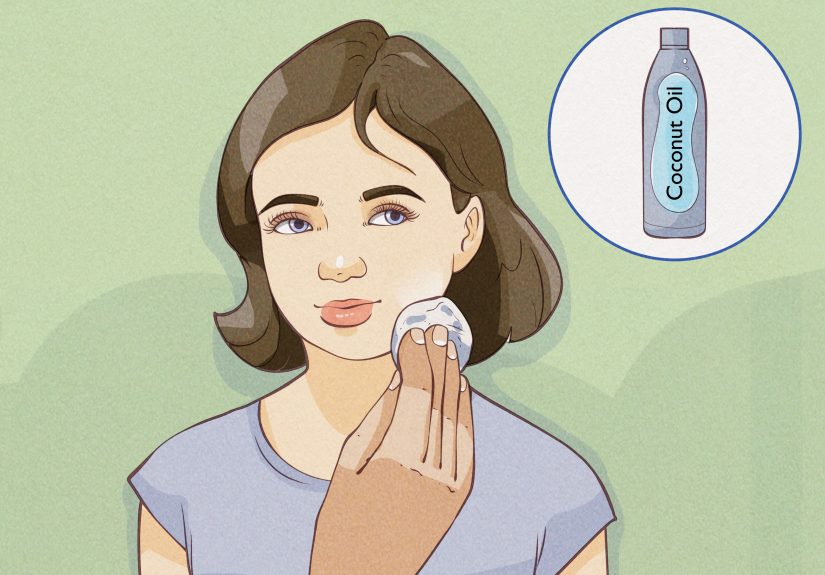
Use a gentle makeup remover, micellar water, cleansing balm, or fragrance-free baby oil to loosen makeup. Wipe softly with cotton pads or a clean washcloth. Avoid scrubbing, especially around the eyes. Follow with a mild cleanser and moisturizer.
For waterproof mascara or long-wear lip color, hold remover over the area for a few seconds before wiping. Patience works better than friction. If glitter is involved, use tape very gently on clothing only, not near the eyes or on sensitive skin. Cosmetic glitter should be removed carefully so it does not scratch the eye area.
Common Mistakes to Avoid
Using Craft Paint Instead of Face Paint
Craft paint belongs on posters, not children’s faces. Always use products intended for cosmetic use on skin. This is especially important near the eyes, lips, and nose.
Applying Too Much Makeup Too Fast
Build color in thin layers. Heavy makeup can feel uncomfortable and may crack, smear, or irritate skin. Kids also have short patience windows, and once that window closes, you are negotiating with a tiny union representative.
Sharing Eye and Lip Products
Sharing mascara, eyeliner, lipstick, lip gloss, and sponges can spread germs. Label each child’s products and use disposable applicators when working with multiple performers.
Skipping the Patch Test
A patch test can help catch irritation before performance day. It is especially important for face paint, glitter gels, adhesives, barrier sprays, and specialty character makeup.
Forgetting Makeup Removal
Stage makeup is made to last, but that does not mean it should become pajamas. Remove it gently after the show and moisturize the skin.
Best Product Types for Kids’ Stage Makeup
Look for fragrance-free, hypoallergenic, dermatologist-tested, and non-comedogenic products when possible. Cream products are easy to blend, but powders may feel lighter. Water-based face paints are usually easier to remove than grease-based products, although some stage looks require stronger formulas.
For sensitive skin, keep the routine short: moisturizer, light base, blush, simple eyeshadow, and lip color. Avoid heavy contouring, strong adhesives, thick glitter gels, and products with intense fragrance. If your child has known allergies, read ingredient labels carefully every time, even with familiar brands, because formulas can change.
For eye safety, avoid loose glitter near the eyes, never apply eyeliner inside the lash line, and do not use decorative contact lenses without a prescription and professional guidance. Stage makeup should help the child perform, not send the family on an unscheduled trip to urgent care.
Age-Appropriate Stage Makeup Tips
For Preschool and Early Elementary Kids
Keep it quick and simple. Use blush, lip color, light powder, and maybe a touch of eyeshadow. Skip mascara if the child is wiggly or nervous. A five-minute routine is better than a perfect look that requires emotional recovery snacks.
For Older Elementary Kids
You can add soft eyeliner, brow definition, and a slightly stronger lip. Explain each step before applying it so the child feels included and calm.
For Tweens and Young Teens
Older kids may want more involvement. Let them help choose shades within the performance guidelines. Teach hygiene, blending, and removal. This is a great opportunity to make makeup feel like a tool, not a requirement for beauty.
Real-World Experience: What Parents Learn Backstage
The first time you do stage makeup on a child, you may imagine a peaceful scene: your child sitting sweetly, you blending blush like a professional, soft music playing, everyone glowing with theatrical joy. The real version may involve missing bobby pins, one sock, a costume tag scratching someone’s neck, and a child asking whether lipstick is edible. This is normal. Backstage preparation is part beauty routine, part emergency logistics, and part snack management.
One of the biggest lessons parents learn is to practice before the actual event. A trial run helps you learn how much makeup shows under light, which products irritate your child, and how long the routine really takes. The answer is usually “longer than you thought,” especially if your child asks philosophical questions during eyeliner. Practice also helps children understand the feeling of makeup. If they have never worn foundation or lip color before, recital day is not the ideal time for surprises.
Another helpful experience is packing a small performance makeup bag. Include the exact products used at home, cotton swabs, tissues, makeup remover, a spare lip color, a clean sponge, hair ties, and a small mirror. Keep the bag organized and labeled. Backstage tables can become a jungle of identical pink blushes and mystery brushes. If your child performs more than once a year, having a dedicated stage kit saves time and stress.
Parents also learn that comfort matters more than perfection. A slightly uneven eyeliner line will not be noticed from the audience, but a child rubbing watery eyes for the entire performance definitely will be. If mascara causes blinking panic, skip it. If lipstick feels sticky, switch to tinted balm. If foundation makes the child itchy, remove it and use blush and lip color instead. Kids perform better when they feel like themselves.
Lighting is another surprise. Makeup that looks dramatic in the kitchen may look soft and natural on stage. This is why blush and lip color often need to be stronger than everyday makeup. However, there is a fine line between stage-ready and “tiny soap opera villain.” Take a photo from a distance, check the costume, and adjust. The best look is clean, visible, and appropriate for the role.
Finally, make the process positive. Tell your child what each step is for: “This blush helps people see your smile,” or “This lip color helps the audience see your words.” Avoid comments that suggest they need makeup to be pretty. The message should be clear: they are already wonderful; stage makeup is just part of the costume, like ballet shoes, a microphone, or a pirate hat. When children understand makeup as a performance tool, the experience becomes healthier, more fun, and less emotionally loaded.
Conclusion
Learning how to do stage makeup on kids is really about balance. You want enough color and definition for the audience to see your child’s expressions, but not so much that the makeup feels uncomfortable, unsafe, or too grown-up. Start with clean skin, use child-safe products, keep the eyes protected, build color gradually, and remove everything gently after the show.
The best kids’ stage makeup does not hide the child. It helps their hard work shine from the stage to the very last row. And if there is a little glitter on your car seat afterward? Congratulations. You are officially part of show business.