Table of Contents >> Show >> Hide
- Step 1: Figure Out What You Actually Hate (Yes, There’s a Difference)
- Step 2: Build a “Two-Adult Safety Net” (Non-Negotiable)
- Step 3: Find One Corner of School That Doesn’t Suck
- Step 4: Make the Day Smaller (Micro-Goals Beat Motivation)
- Step 5: Protect Your Brain and Body Like It’s a Group Project (Because It Is)
- Step 6: Social Survival Without Becoming a Different Person
- Step 7: Academic Strategy When You’re Mentally Tired
- Step 8: When It’s More Than HateWhen It’s Mental Health
- Step 9: Change the Game If You Can (Schedule, Programs, or Even Schools)
- Step 10: Build an Exit Plan (So Your Brain Stops Feeling Trapped)
- Conclusion: You Don’t Have to Love High School to Win Against It
- Real-Life-Style Survival Stories ( of Experience)
Some people describe high school as “the best years of your life.” Those people are either (1) lying, (2) selling class rings, or (3) peaked during
pep rally season. If you’re reading this, you’re probably living a different storyline: a school you dislike, classmates you don’t click with, rules that
feel designed by bored robots, and a daily schedule that makes time move like wet cement.
Here’s the good news: you don’t have to love high school to survive itand you definitely don’t have to “make it magical” to make it
workable. The goal is simple: protect your mental health, keep your grades (or your progress) from exploding, find a few safe people, and build an
exit ramp toward whatever comes next.
Step 1: Figure Out What You Actually Hate (Yes, There’s a Difference)
“I hate this school” can mean a bunch of different thingsand each one needs a different solution. Before you try to fix everything, name the main
problem(s). Think of it like diagnosing a glitchy phone: you don’t replace the whole device if it’s just the charger.
Four common “I hate it here” categories
- People-problem: bullying, drama, cliques, feeling invisible, or feeling targeted.
- Pressure-problem: nonstop homework, tests, performance anxiety, or fear of disappointing someone.
- Place-problem: the environment feels unsafe, hostile, chaotic, or just not for you.
- Brain-problem: anxiety, depression, ADHD, learning differences, burnout, or stress overload making everything harder.
You can have more than one. (Congrats! You’ve unlocked the “deluxe edition.”) But identifying the biggest two helps you choose the right survival
tools instead of trying random advice like it’s a TikTok trend.
Step 2: Build a “Two-Adult Safety Net” (Non-Negotiable)
If school feels miserable, you need at least two adults you can reach out tobecause sometimes one adult is busy, confused, or thinks
“it’ll blow over.” Pick two people from different places so you have backup.
Good candidates (choose two)
- A school counselor, social worker, psychologist, or trusted teacher
- A coach, club advisor, librarian, nurse, or front-office adult who’s consistently kind
- A parent/guardian, older sibling, aunt/uncle, or family friend
- A therapist, pediatrician, or another health professional
If bullying is part of why you hate school, involving adults isn’t “snitching”it’s the fastest way to get actual protection and documentation.
If you ever feel unsafe, threatened, harassed, or stalked, tell an adult immediately and keep records (screenshots, dates, descriptions).
How to start the conversation (copy/paste style)
- Short version: “I’m not doing okay at school. I need help figuring out a plan.”
- Specific version: “I’m being targeted during lunch and online. I want help reporting it and staying safe.”
- Academic version: “My stress is messing with my work. Can we talk about options and support?”
You’re not asking them to fix your entire life in one meeting. You’re asking them to help you create a plan that makes your days less awful and more
manageable.
Step 3: Find One Corner of School That Doesn’t Suck
You don’t need to become student body president. You just need one place in the building where your nervous system can unclench.
That one “okay” corner can keep the rest of the day from swallowing you whole.
Examples of “safe corners”
- The library (quiet, predictable, and blessedly low-drama)
- A specific classroom where a teacher feels human
- A club that’s aligned with your interests (gaming, art, robotics, debate, volunteering)
- A study hall, music room, or after-school program
- A campus job or responsibility (office aide, tech helper, peer tutor)
Why does this matter? Because feeling even a small sense of belonging at schoolhaving a connection, a trusted adult, or a consistent activitycan
reduce the “I’m trapped” feeling. You’re creating a thread that ties you to something other than the worst parts.
Step 4: Make the Day Smaller (Micro-Goals Beat Motivation)
When you hate school, motivation is unreliable. So don’t build your survival plan on “feeling motivated.” Build it on
micro-goalstiny, specific tasks you can complete even when your brain is loudly complaining.
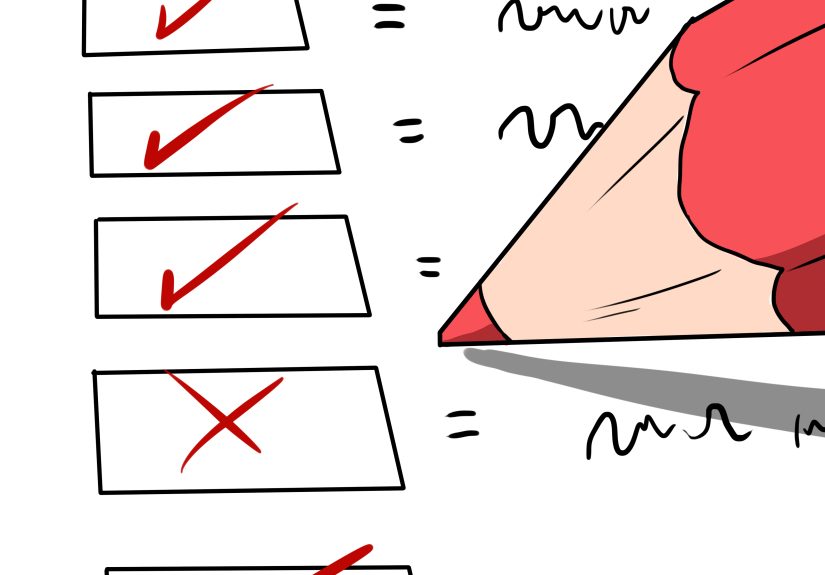
The “three-checkmark” method
Each school day, aim for just three checkmarks:
- One academic checkmark: finish one assignment, start an essay outline, or ask one teacher one question.
- One self-care checkmark: drink water, eat something with protein, walk outside for five minutes, breathe on purpose.
- One connection checkmark: text your safe person, sit near the “okay” group, attend your club, or say hi to one friendly human.
This works because it creates forward motion without requiring you to suddenly become a cheerful productivity influencer. You’re not trying to win the
day. You’re trying to finish it.
Build routines that reduce decision fatigue
- Pack your bag the night before (future-you deserves rights)
- Use one planner system: paper, phone, or a single appnot six half-used options
- Set two daily “anchor times”: start homework at X, stop at Y
- Make a “default” after-school routine: snack → 20 minutes chill → 30 minutes work
Step 5: Protect Your Brain and Body Like It’s a Group Project (Because It Is)
High school survival isn’t just emotional. It’s physical. Sleep, food, movement, and screen habits can turn the volume down on stressor crank it up.
You don’t need a perfect wellness routine. You need a better baseline.
Sleep (the most underrated cheat code)
Teens generally need a lot of sleep to function, and not getting enough makes stress, anxiety, mood swings, and focus worse. If you can, prioritize:
- A consistent bedtime/wake-up window most days
- Less late-night scrolling (your phone is not a therapist, and it never sends a bill)
- A wind-down ritual: shower, music, reading, or anything that isn’t “doom content”
Food + hydration (boring but powerful)
When you’re stressed, your body burns energy like it’s trying to run a marathon while doing algebra. Try to eat something in the morning and bring a
water bottle. If cafeteria food is questionable (respect), pack something you’ll actually eat. Your brain works better when it’s not running on fumes.
Movement (no, you don’t have to become a gym person)
Movement helps regulate stress. That can be sports, surebut it can also be walking a lap after school, dancing in your room, stretching between
classes, or biking on weekends. The goal is “move enough to feel slightly more human.”
Step 6: Social Survival Without Becoming a Different Person
If the social scene is a big reason you hate school, you might feel pressure to “reinvent yourself.” You don’t have to. You just need a strategy that
keeps you safe, reduces drama, and helps you find your peopleslowly.
Be “medium visible”
If you’re dealing with cliques or bullying, being extremely visible can feel riskyand being totally invisible can feel lonely. “Medium visible” means:
- Pick a few predictable places to sit
- Stick with one or two friendly classmates when possible
- Keep your boundaries firm (you don’t owe everyone access to you)
- Limit your time around repeat-drama zones
Find friends through activities, not popularity contests
Clubs, teams, volunteering, theater, tech crew, art roomsthese are friend factories because you’re doing something together. You don’t have to walk up
and say, “Hello, I am applying for friendship.” You just show up repeatedly and let familiarity do its job.
Online drama rules (save yourself)
- Mute aggressively. Protect your peace like it’s your last charger.
- Don’t argue in comment sections. Nothing good has ever been born there.
- If someone is harassing you: screenshot, block, report, tell an adult.
Step 7: Academic Strategy When You’re Mentally Tired
If you hate school, homework can feel like the universe is personally pranking you. But you don’t need straight A’s to “prove” anything. You need
sustainable progress that keeps options open.
Use the “minimum effective dose” approach
- Ask teachers what matters most: “What should I focus on to pass/do well?”
- Prioritize high-point assignments and tests over tiny low-point tasks
- Start with the easiest part of a hard assignment to build momentum
- Use office hours or tutoring to reduce the time you spend stuck
Advocate for flexibility (politely, clearly)
Teachers are more likely to help when they see effort and clarity. Try: “I’m struggling with stress and focus right now. Can we talk about an extension
or an alternate way to show I understand the material?” You’re not asking for a free pass. You’re asking for a workable path.
If learning feels harder than it “should”
If you suspect ADHD, anxiety, depression, or a learning difference is amplifying everything, you deserve support. In U.S. schools, there may be options
like academic accommodations, a 504 plan, or special education services depending on your needs. A counselor or trusted adult can help you ask the right
questions and start the process.
Step 8: When It’s More Than HateWhen It’s Mental Health
Sometimes “I hate school” is really “I’m overwhelmed, anxious, depressed, or burnt out.” If you’re noticing persistent sadness, panic, hopelessness,
intense irritability, or you’re losing interest in everythingnot just schoolplease talk to a trusted adult and consider professional support.
Early support can make a real difference.
Signs you should get help ASAP
- You can’t sleep (or you sleep all the time) and it’s affecting daily life
- Your anxiety is causing physical symptoms (stomach pain, headaches, panic)
- You’re skipping school because you feel unsafe or mentally unwell
- You feel hopeless, trapped, or like you can’t keep going
If you are in immediate danger or thinking about harming yourself, call 911 (U.S.) or go to the nearest emergency room.
You can also call or text 988 (the Suicide & Crisis Lifeline in the U.S.) for immediate support.
Step 9: Change the Game If You Can (Schedule, Programs, or Even Schools)
Surviving doesn’t always mean “endure it exactly as-is.” Sometimes the smartest move is changing your environmentpartially or completelyso the daily
misery drops from a 9/10 to something you can handle.
Small changes with big impact
- Switch classes away from a conflict zone if possible
- Move lunch periods or seating with staff help
- Ask about different tracks, electives, or alternative programs
- Try tutoring, study hall, or a supported learning period
Bigger options to explore (depends on your state/district)
- Transfer options: magnet schools, charter schools, open enrollment, or district transfers
- Dual enrollment: taking community college classes while in high school
- Career and technical education (CTE): programs tied to real job skills
- Early college programs: pathways that combine high school and college credits
- Online or hybrid courses: for specific subjects that feel unbearable in-person
Not every option is available everywhere, but it’s worth asking a counselor: “What alternative pathways exist here?” Even knowing your choices can make
you feel less trapped.
Step 10: Build an Exit Plan (So Your Brain Stops Feeling Trapped)
Your brain panics when it believes there’s no end. So give it an end: a timeline, milestones, and a future target that belongs to younot to the
loudest people in your hallway.
Try the “semester ladder”
- This week: identify your two-adult safety net + one safe corner
- This month: improve one routine (sleep, homework, or social boundaries)
- This semester: stabilize grades + join one activity or commitment
- This year: build a next-step plan (college, trade, work, gap year, military, whatever fits you)
Also: start collecting small proof that you’re growing. Save kind messages. Track your checkmarks. Keep a folder of completed work.
Misery lies to you. Receipts help.
Conclusion: You Don’t Have to Love High School to Win Against It
Surviving a high school you hate isn’t about pretending it’s fine. It’s about building support, protecting your energy, and taking control where you
canso you leave with your mental health intact and your future still wide open.
Your school may be a chapter you wouldn’t recommend to others. But it doesn’t get to be the whole book. You’re allowed to dislike where you are while
still moving toward where you want to go. That’s not weakness. That’s strategy.
Real-Life-Style Survival Stories ( of Experience)
Note: The following stories are compositesrealistic scenarios built from common student experiences (names/details changed).
1) Maya: The “Lunch Period Panic” Problem
Maya didn’t hate every classshe hated the in-between. Lunch was the daily dread: noisy tables, cliques that looked like they were
auditioning for a reality show, and a rotating cast of comments that made her want to disappear. She tried hiding in the bathroom, then got in trouble
for “wandering.” The turning point wasn’t a sudden confidence makeover. It was practical: she found a “safe corner” in the library and asked a counselor
for help adjusting her lunch plan. The counselor connected her with a quiet club meeting twice a week during lunch, and on other days Maya sat at a
smaller table near staff. She also used the three-checkmark method: one assignment started, one snack eaten, one friendly text sent. Lunch didn’t become
funbut it stopped being terrifying, and that made the rest of the day survivable.
2) Jaden: The “I’m Fine” Kid Who Was Not Fine
Jaden told everyone he “just hated school” and played it off like a personality trait. But his grades were sliding, he was sleeping four hours a night,
and he felt angry all the time. He thought asking for help meant he was weakuntil he realized the “tough it out” strategy was basically a slow-motion
crash. He started with one adult: a coach who noticed he was spacing out. The coach didn’t give him a lecture; he helped Jaden set up a meeting with a
counselor. Together they made a plan: shorter study blocks, tutoring twice a week, and a rule that homework ended at a set time so sleep could happen.
Jaden didn’t become a new person. He became a more functional version of himself. And weirdly, once he slept more, school got about 30% less
unbearablewhich is not nothing.
3) Luis: The “My Friend Group Is a Fire” Situation
Luis’s biggest stress wasn’t teachers; it was his group chat. Every day came with a new argument, screenshot, accusation, or “pick a side” ultimatum.
He felt guilty stepping backlike he’d be abandoned if he wasn’t available 24/7. He tried a small experiment: “medium visible.” He muted the loudest
threads, stopped replying immediately, and started showing up to an after-school tech club where the vibe was “build stuff” instead of “ruin each
other.” The first week felt lonely. The second week felt calmer. By the third week, he had two friends who talked about music and coding instead of
people. The drama didn’t vanish, but it lost power over his mood. Luis learned a brutal truth: some friendships aren’t friendships; they’re stress
subscriptions.
4) Ava: The “I Hate This Place, But I Want Out With Options” Plan
Ava wanted to transfer, but it wasn’t realistic mid-year. So she built an exit plan like it was a mission. She met with a counselor and asked about
alternative pathways: dual enrollment for a class she loved, a CTE elective connected to a career interest, and a schedule change away from a constant
conflict. She also kept a “receipts folder” on her phone: finished assignments, compliments from teachers, and reminders that she was progressing even
when it didn’t feel like it. Ava stopped waiting for school to become enjoyable and treated it like a launchpad she didn’t have to decorate. By the end
of the year, she wasn’t “happy” at schoolbut she had credits, confidence, and choices. That’s survival with momentum.