Table of Contents >> Show >> Hide
- Why Men’s Makeup in 2024 Feels Different
- How to Shop Smarter for Makeup
- Your Best Beginner Makeup Kit
- How to Apply Makeup for Men Step by Step
- How to Handle Beards, Stubble, and Post-Shave Shadows
- Common Mistakes That Make Makeup Look Obvious
- How to Remove Makeup Without Wrecking Your Skin
- Real-World Experiences: What It Is Actually Like to Start Wearing Makeup
- Final Takeaway
Let’s start with the obvious: makeup does not check your driver’s license before it lets you buy concealer. In 2024, makeup for men is less about dramatic transformation and more about smart, low-stress grooming. Think skin tints that look like skin, concealers that quietly handle a surprise breakout, brow gels that make you look more awake, and lip balm that keeps you from looking like you survived a desert crossing. In other words, the modern men’s makeup routine is practical, subtle, and far less intimidating than the beauty aisle would have you believe.
If you are new to the category, the biggest mistake is assuming you need a giant kit, a ring light, and a master’s degree in contouring. You do not. Most guys can build a useful routine with just a few products: a tinted moisturizer or skin tint, a concealer, a brow product, and a lip balm. Add powder if you get shiny, and you are already doing more than enough. The real trick is not buying more. It is buying better.
This guide breaks down exactly how to shop for men’s makeup in 2024, how to choose shades that actually match, and how to apply everything in a way that looks natural in daylight, office lighting, and the cruel honesty of a car mirror. We will also cover beard-friendly tips, hygiene rules, and what the experience is actually like when you start wearing makeup for the first time.
Why Men’s Makeup in 2024 Feels Different
The biggest shift in 2024 is texture. Men who wear makeup are generally not chasing a heavy, full-glam finish for everyday life. They want products that even out redness, soften under-eye darkness, reduce the look of blemishes, and disappear into the skin instead of sitting on top of it like a tiny beige legal problem.
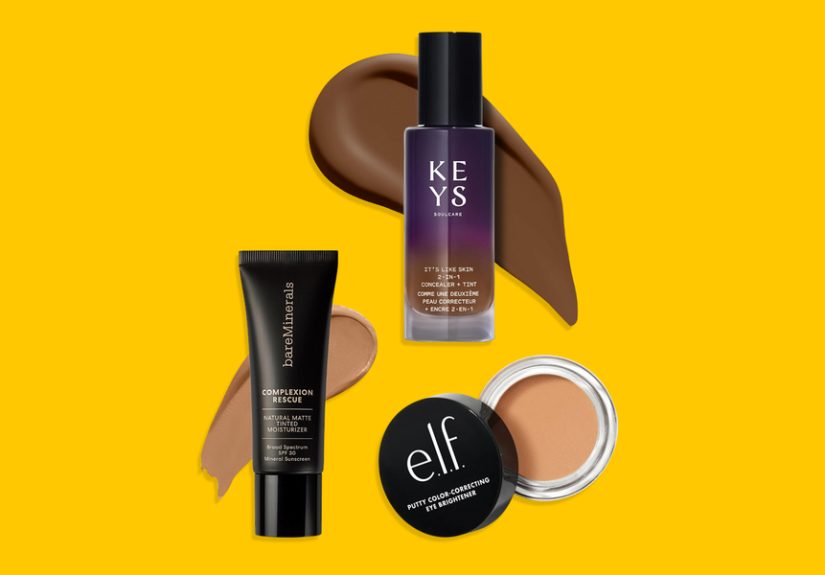
That is why lighter formulas have become such a big deal. Skin tints, tinted moisturizers, BB creams, and flexible concealers make sense because they are easier to blend, harder to overdo, and more forgiving for beginners. They also work well with the most common goal in this category: looking refreshed without making it obvious that makeup is involved.
Another thing that has changed is the shopping experience. Shade-finder tools, virtual matching, and in-store matching services make it easier to buy complexion products without guessing wildly and walking home with a foundation that turns your face one color and your neck another. That is not a “statement look.” That is a cautionary tale.
How to Shop Smarter for Makeup
1. Start with your actual goal, not the packaging
Before you buy anything, ask one simple question: what do you want the product to do? Not what it promises. What do you need?
- If you want lighter overall coverage, shop for a skin tint, tinted moisturizer, or BB cream.
- If you want to hide a breakout or under-eye darkness, get a concealer.
- If you get shiny by noon, add a translucent powder.
- If your brows look sparse or messy, try a clear or tinted brow gel.
- If your lips look dry, a lip balm is not optional. It is diplomacy for your face.
Do not get trapped by “for men” branding. Sometimes it is useful. Sometimes it is just regular makeup wearing a black hoodie and whispering the word “bro.” Buy the formula that suits your skin and your routine, not the one with the most aggressively masculine font.
2. Match undertone before you match ego
The best complexion product is the one that vanishes. To get there, you need to know two things: your skin depth and your undertone. Skin depth is how light or deep your skin tone is. Undertone is the subtle tone underneath it, usually warm, cool, or neutral.
If your skin pulls golden, peachy, or yellow, you are probably warm. If it leans pink, red, or bluish, you may be cool. If you are somewhere in the middle and many products almost work, you may be neutral. This matters because a formula that matches your depth but not your undertone can still look off. That is how people end up looking too orange, too pink, or oddly ghostly in photos.
When testing foundation or skin tint in person, swipe a couple of shades along your jawline and check them in natural light. The right one should blend into both your face and neck without creating a visible border. If you are shopping online, use a brand’s shade finder, then compare the recommendation with customer photos before buying. Technology helps, but sunlight remains the undefeated champion of truth.
3. Choose texture based on your skin type
Oily skin usually does well with lightweight, non-greasy formulas and a bit of powder. Dry skin tends to look better with hydrating products that do not cling to flaky areas. Combination skin often likes a flexible middle ground: a moisturizing tint with powder only in the T-zone. Sensitive skin should keep formulas simple, avoid over-fragrance when possible, and patch-test new products before putting them all over the face.
A patch test is worth the tiny effort. Apply a little product on a small area, such as the inside of your arm or along the jaw, then give it a day or two. That is much better than discovering on Monday morning that your new concealer and your skin have become bitter enemies.
4. Shop with hygiene in mind
Do not share makeup. Do not borrow eye makeup. Do not swipe a mystery tester onto your face like you are starring in a low-budget skin-care horror movie. If you test products in store, use single-use applicators. Keep tools clean. Replace products when they smell strange, separate, dry out, or stop performing normally.
A good beginner setup does not need ten brushes. Your fingers can apply many creams and tints just fine. But if you use brushes or sponges, wash them regularly. Wet-product brushes need more frequent cleaning than dry-product brushes, and anything used around the eyes deserves extra caution.
Your Best Beginner Makeup Kit
If you want a clean, natural everyday look, start here:
- Tinted moisturizer, BB cream, or skin tint for light all-over evening.
- Concealer for under-eyes, redness, or blemishes.
- Translucent powder if you run oily or want longer wear.
- Brow gel to tidy and subtly define brows.
- Lip balm for moisture and a healthier finish.
That is enough for most men. You can add bronzer, blush, or color corrector later, but a beginner routine should feel manageable. Makeup is supposed to make life easier, not turn your bathroom into a chemistry lab.
How to Apply Makeup for Men Step by Step
Step 1: Prep your skin properly
Good makeup starts with skin care. Wash your face with a gentle cleanser, apply moisturizer, then use a broad-spectrum SPF 30 or higher sunscreen. This part matters more than people think. Makeup goes on better over hydrated skin, and sunscreen still matters even if some of your makeup contains SPF. Think of the sunscreen in makeup as a bonus, not the whole security team.
Let your skin care sit for a few minutes before applying makeup. If you rush straight from moisturizer to complexion product, everything can slide around. Give your face a brief intermission.
Step 2: Apply your skin tint or foundation lightly
For most men, less is more. Start with a small amount of skin tint, tinted moisturizer, or lightweight foundation. Dot it on the center of the face, especially around the nose, cheeks, and forehead, then blend outward with fingers, a sponge, or a brush. The goal is not a mask. The goal is to soften unevenness while letting real skin still look like real skin.
Keep the layer thin. You can always add a little more where needed. Thick foundation is usually what makes beginners feel like makeup “looks weird.” It is not that makeup failed. It is that the face got drywall.
Step 3: Conceal only where needed
Once your base is on, step back and see what still needs help. Then use concealer sparingly on dark circles, breakouts, redness, or post-shave discoloration. Tap it in with your ring finger, a small brush, or a sponge. Do not rub aggressively. Patting keeps the coverage where you want it.
If under-eye darkness is especially blue or purple, a peach or orange-toned corrector underneath concealer can help, depending on your skin tone. But for beginners, this is optional. A good concealer used carefully can do a lot on its own.
Step 4: Set only the places that need it
If your face gets shiny, use a little translucent powder on the forehead, nose, and chin. You do not need to powder your whole face unless you are very oily or want a more matte look. Too much powder can flatten the skin and emphasize dryness.
Press or lightly tap the powder on rather than dragging it everywhere. This is especially helpful over concealer so you do not accidentally move the coverage you just placed.
Step 5: Groom your brows
Brows frame the face, and a little grooming goes a long way. Brush them up and outward with clear or tinted brow gel. This makes them look tidier, fuller, and more awake without screaming, “Hello, I have done my brows.” It is one of the easiest upgrades in the entire routine.
Step 6: Finish with lip balm
Dry lips can make an otherwise polished face look rough. Use a plain balm or a subtle tinted balm if you want a bit more life in the lips. No drama required. Just fewer cracks and more comfort.
How to Handle Beards, Stubble, and Post-Shave Shadows
Facial hair changes the game, but not in a bad way. If you wear a beard, avoid plastering heavy product deep into the hair. Keep complexion products focused on the exposed skin and blend carefully around the beard line. A damp sponge can help soften the edge so there is no obvious stop-and-start point.
If you have visible beard shadow or stubble that creates a blue, gray, or green cast, a warm color corrector can help neutralize it before you add a light layer of complexion product. The key word is light. You are correcting, not frosting a cupcake.
Hydration matters here too. Well-moisturized skin looks better under makeup, especially around beard areas where texture can be rougher and product can catch more easily.
Common Mistakes That Make Makeup Look Obvious
- Choosing a shade that matches your hand instead of your face and neck.
- Applying too much product right away.
- Skipping moisturizer and sunscreen.
- Using a super matte formula on dry skin.
- Ignoring undertone.
- Forgetting to blend around the nose, jawline, and hairline.
- Trying to hide texture with more coverage, which usually makes texture more visible.
The cure for almost all of these is simple: use less, blend more, and check your work in natural light. The bathroom mirror is a liar. Daylight is a brutally honest friend.
How to Remove Makeup Without Wrecking Your Skin
At the end of the day, take it off. Always. Use a makeup remover, micellar water, cleansing balm, or a gentle face wash that can handle sunscreen and complexion products. Then moisturize. Leaving makeup on overnight can clog pores, irritate skin, and make tomorrow’s application look worse. Your future face would like to file a formal complaint.
Real-World Experiences: What It Is Actually Like to Start Wearing Makeup
Here is the part most guides skip: the experience of wearing makeup for the first time is usually much less dramatic than men expect. A lot of beginners assume they will either look amazing immediately or feel like they are in costume. In reality, the first few days are mostly a mix of curiosity, minor confusion, and the strange realization that a tiny dab of concealer can make you look like you slept better than you actually did.
Many men start with one practical reason. A recurring breakout before meetings. Dark circles that make every Tuesday look like a personal crisis. Redness around the nose. Unevenness after shaving. The first experience is often surprisingly specific: one product, one problem, one little fix. Then something interesting happens. Instead of feeling “made up,” they usually feel more put together. Not transformed. Just edited. Like the face version of straightening your shirt collar before walking into a room.
Shopping can feel awkward at first, especially if you are used to walking into a store and heading directly toward shampoo, deodorant, and whatever soap promises to smell like cedar, mountains, or unresolved feelings. But the awkwardness fades fast once you realize beauty staff have seen everything, and most do not care who is buying concealer as long as you stop testing foundation on the back of your hand like it is 2009. Men who use in-store shade matching often say the same thing afterward: they wish they had done it sooner, because guessing online had cost them more money and more frustration.
The second common experience is learning that technique matters more than product count. A beginner may buy three or four items, then end up loving only two of them. Usually the winners are the most flexible: a skin tint that blends with fingers and a concealer that does not cake up by lunchtime. The products that lose are often the ones that looked impressive online but demand studio-level precision in real life. Men tend to stick with routines that take under five minutes. Anything longer starts feeling like a hobby, and not everyone signed up for that.
There is also the confidence factor, which is real, though not always in the big, cinematic way people imagine. It is often quieter than that. You stop thinking about the breakout on your chin because it is less obvious. You stop worrying that you look tired in photos. You notice that your skin looks a little more even on video calls. In many cases, the biggest benefit is not vanity. It is mental bandwidth. When you feel less distracted by how your skin looks, you pay more attention to everything else.
And yes, there can be a learning curve. Sometimes the wrong shade makes you look oddly beige. Sometimes too much powder turns “polished” into “office statue.” Sometimes you forget to blend near the jaw and discover it later in sunlight, which is a humbling spiritual event. But most men get better quickly because the goal is simple: natural-looking improvement, not perfection. Once you understand your skin, your shade, and your preferred finish, the routine becomes easy. That is the real 2024 experience of men’s makeup: less stigma, better tools, smarter shopping, and a much more realistic idea of what success looks like. Usually, success looks like someone saying, “You look good,” without immediately knowing why.
Final Takeaway
Shopping for and applying makeup for men in 2024 does not require a giant budget, a massive routine, or a whole new identity. It just requires a little strategy. Buy products based on what you want them to do. Match undertone carefully. Use lightweight formulas first. Apply makeup over moisturized, protected skin. Blend in good light. Clean your tools. Remove everything at night. And remember: the best men’s makeup usually looks like your face on a very cooperative day.
That is the sweet spot. Not fake. Not fussy. Just polished enough to make life easier and your reflection a little more agreeable before your first coffee.