Table of Contents >> Show >> Hide
- Florida Anise at a Glance
- Before You Plant: Don’t Let the Name Fool You
- Pick the Right Spot: Light, Soil, and Microclimate
- When to Plant Florida Anise
- How to Plant Florida Anise (Step-by-Step)
- Florida Anise Care: What to Do After Planting
- Propagation: How Florida Anise Makes More Florida Anise
- Pests, Deer, and Disease (Translation: Why People Love This Shrub)
- Landscape Design Ideas That Actually Work
- Troubleshooting: What Your Florida Anise Is Trying to Tell You
- 500-Word Grower Experience Notes: What It’s Like Living with Florida Anise
- Conclusion: The “Low Drama” Evergreen for Shade
Florida anise (Illicium floridanum) is the evergreen shrub you plant when you want your shade garden to look expensive
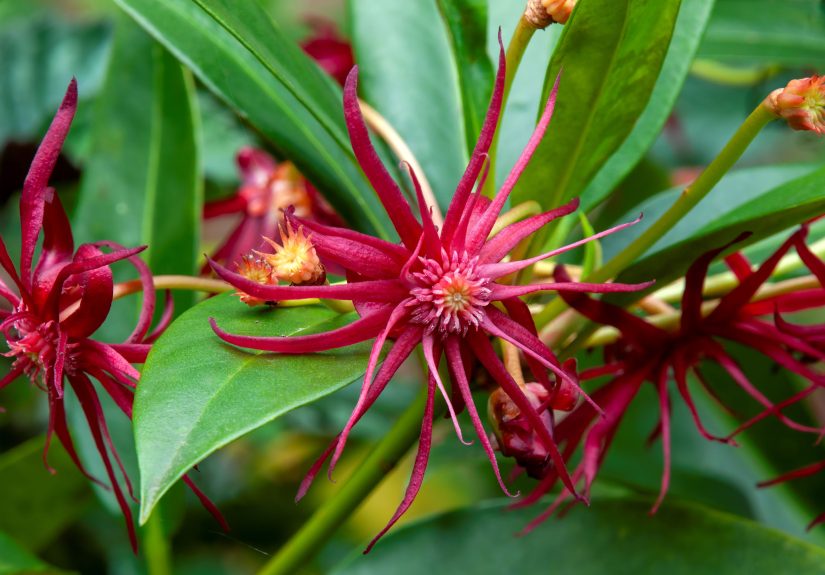
without acting high-maintenance about it. It’s glossy, dense, and leafy year-round, with spring flowers that look like tiny
maroon fireworks… and, depending on your nose, smell like “interesting” (some gardeners politely call it “spicy,” others go with
“fishy,” and honestly, both can be true).
The best part: Florida anise is built for the real worldhumid summers, dappled shade, moist soils, and those awkward spots where
lawn grass gives up and moss starts a takeover. Plant it right, keep it evenly watered while it settles in, and it rewards you with
a lush, evergreen screen that behaves like a professional hedge if you ask nicely (and prune occasionally).
Florida Anise at a Glance
- Type: Broadleaf evergreen shrub (native to the Southeast)
- Typical size: About 6–10 feet tall and wide (bigger with time and good conditions)
- Light: Part shade to full shade is the sweet spot; sun is possible with consistent moisture
- Soil: Moist, organic-rich, slightly acidic, well-drained (tolerates periodically wet sites)
- Blooms: Maroon to purple star-like flowers in spring; seed pods later
- Personality: Low drama, high polish
Before You Plant: Don’t Let the Name Fool You
Florida anise is not a kitchen spice
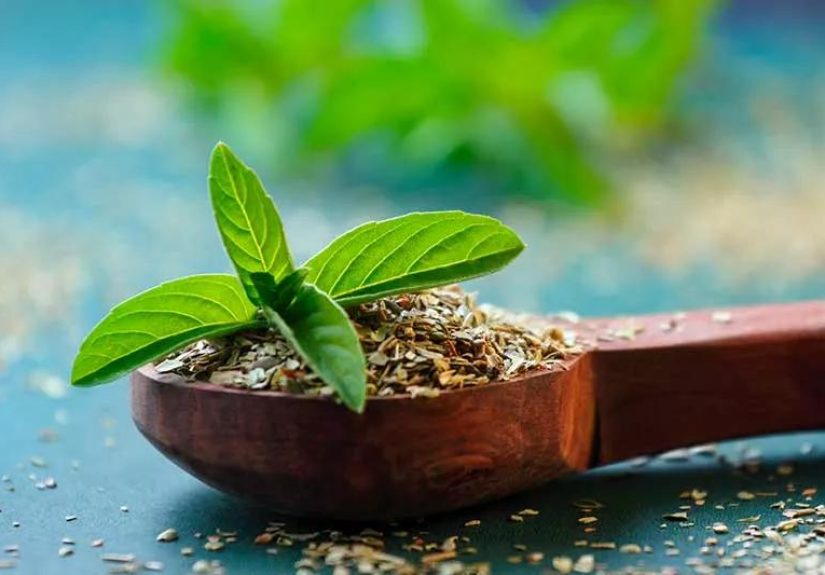
Florida anise smells like anise or licorice when you crush the leaves, but that doesn’t mean it belongs in tea, cookies, or any
other “Pinterest potion.” Florida anise is considered toxic if ingested, and it should be planted with basic
common-sense precautions around kids and pets. This shrub is for landscaping, not snacking.
Florida anise vs. yellow anise
Garden centers also sell “yellow anise” (Illicium parviflorum), a close cousin with lighter flowers and often brighter
foliage. They like similar conditions (shade + moisture), but they’re different plants. If you’re shopping by tag, check the
botanical name: Illicium floridanum = Florida anise.
Pick the Right Spot: Light, Soil, and Microclimate
Light: shade is a feature, not a bug
Florida anise naturally grows in woodland settingsthink shaded stream banks and moist ravinesso it’s happiest in
partial shade to full shade. In deeper shade, it can look a bit more open and airy. In brighter light, it tends to
fill in more densely, but only if the soil stays evenly moist. If you can offer morning sun and afternoon shade, that’s basically
the plant equivalent of a spa membership.
Soil: moist, rich, and slightly acidic
If Florida anise had a dating profile, it would say: “Looking for consistent moisture, high organic matter, and a slightly acidic
situation.” It thrives in soils amended with compost or leaf mold and does best when it isn’t forced into repeated dry-down cycles.
It’s a strong candidate for rain gardens or naturally damp areas, as long as it’s not stuck in stagnant water for
long periods.
Hardiness: know your zone (and your winter wind)
Florida anise is commonly grown in USDA Zones 7–10. In colder pockets, it may survive with protection and a good
microclimate (like an east-facing wall or sheltered courtyard), but don’t make it fight arctic winds just to prove a point. If your
winters are borderline, choose a protected site and mulch well.
When to Plant Florida Anise
For most home landscapes, the easiest planting windows are early spring or fall. Spring planting
gives roots time to establish before summer heat. Fall planting lets the shrub settle in while temperatures are mild, often with
less watering stress. Either way, avoid planting right before extreme heat waves or hard freezes.
How to Plant Florida Anise (Step-by-Step)
1) Test the spacing like you mean it
Florida anise is not a “tiny corner accent.” Give it room to become the lush evergreen screen it was born to be. For a natural
shrub look, plan for 6–10 feet of width. For a hedge, you can plant closer and prune to shape.
2) Dig a wide hole, not a deep one
Dig a hole about 2–3 times wider than the root ball, but only as deep as the root ball itself. You want the shrub
to sit at the same level it was growing in the pot (or slightly higher in heavier soils).
3) Improve the backfill (lightly) with organic matter
Mix compost into the excavated soil if your ground is sandy, compacted, or low in organic matter. The goal is better moisture
retention and root-friendly texturenot turning the planting hole into a luxurious “pot” inside a clay bowl. Keep it balanced.
4) Set the plant, straighten it, then backfill
Remove the shrub from the pot. If roots are circling, gently loosen them. Place it in the hole, rotate it until the best side faces
the view, then backfill and firm the soil lightly to remove air pockets.
5) Water deeply and mulch like a pro
Water thoroughly right after planting. Add 2–3 inches of mulch (pine straw, shredded bark, or leaf mulch), keeping
mulch a few inches away from the stems. Mulch is your moisture manager, temperature buffer, and weed bouncer.
Florida Anise Care: What to Do After Planting
Watering: consistent moisture is the whole secret
For the first growing season, aim for even moisture. That usually means deep watering when the top couple inches of
soil start to dry, with adjustments for rainfall and heat. After establishment, Florida anise can handle short dry spells better,
but it still performs best with regular moistureespecially in brighter light.
Fertilizing: keep it modest
Florida anise doesn’t demand heavy feeding. In decent soil, an annual top-dressing of compost plus mulch is often enough. If growth
seems weak or leaves look pale, use a balanced slow-release fertilizer in spring, following label directions. Avoid over-fertilizing,
which can push soft growth that stresses easily in heat or cold snaps.
Pruning: optional, but useful
Left alone, Florida anise develops a naturally rounded form. If you want a hedge or tighter shape, prune after flowering in spring.
Many landscapes do well with a light annual prune to maintain size and density. It can even be trained into a multi-trunk “small
tree” look if you selectively limb up lower branches over time.
Cold snaps and summer scorch
In hot climates, leaf scorch is most likely when the plant gets intense sun and not enough moisture. In colder zones, winter burn
can happen in exposed sites. The fix is mostly planning: plant where it’s sheltered from harsh wind, maintain mulch, and keep soil
moisture steady going into extremes.
Propagation: How Florida Anise Makes More Florida Anise
Root suckers (the easy method)
Florida anise can spread by root suckers, which means you may see small shoots emerging near the base over time.
These can be separated carefully (when they have their own roots) and replanted. If you prefer a tidy footprint, remove suckers as
they appear.
Stem cuttings (for patient gardeners)
Semi-hardwood cuttings taken in warm months can root with the help of a clean cut, rooting hormone, and a humid environment. Use a
well-draining propagation mix, keep it evenly moist (not soggy), and expect this to take time. Florida anise is not a “root in water
by Tuesday” kind of plant.
Seed (possible, but slower)
Florida anise forms star-shaped seed pods later in the season. Growing from seed is doable, but it’s slower and less predictable
than cuttings or suckers. Most home gardeners stick with nursery plants or vegetative propagation.
Pests, Deer, and Disease (Translation: Why People Love This Shrub)
Florida anise is widely described as having few serious pest or disease problems. The aromatic oils in its foliage
are part of why it tends to be resistant to browsing by deer and less appealing to many pests. That doesn’t mean
“invincible,” but it does mean “refreshingly low-maintenance” compared with many other evergreen screening shrubs.
Safety note (worth repeating)
While the fragrance is pleasant, do not ingest any part of the plant. Treat it as an ornamental shrub. In family
yards, place it where kids and pets aren’t tempted to sample leaves or seed pods.
Landscape Design Ideas That Actually Work
1) Evergreen screen in shade
Florida anise shines where many “privacy” plants sulk: dappled shade. Use it to soften a fence line, block a view of utility boxes,
or create a green wall along a woodland edge.
2) Rain garden or streamside planting
Because it appreciates consistent moisture, it fits naturally near downspout dispersal areas, low spots that stay damp, or alongside
ponds and streamsespecially when the light is filtered.
3) Foundation planting with year-round polish
Under high tree canopies, Florida anise reads “intentional” in a way that many shrubs don’t. Pair it with other shade-lovers for a
layered lookthink broadleaf evergreens and textured perennials.
4) Choose cultivars with personality
If you like a little flair, look for named selections that offer variegated foliage or different flower colors. Cultivars are a
great way to get the same toughness with more visual pop, especially in shady beds where bright foliage matters.
Troubleshooting: What Your Florida Anise Is Trying to Tell You
-
Leaves look scorched or crispy: Too much hot sun and/or not enough consistent moisture. Add mulch, water deeply,
or consider relocating to afternoon shade. -
Plant is thin and open: Could be deep shade or lack of pruning. Lightly shape after bloom and ensure adequate
moisture. -
Yellowing leaves: Often stress from poor drainage, inconsistent watering, or soil pH issues. Improve soil structure
and check drainage; add organic matter. - Suckers appearing: Normal behavior. Remove if you want a tight footprint, or use them for propagation.
-
“My flowers smell weird”: Congratulations, you grew a real Florida anise. Place it away from patios and open
windows if the scent bothers you.
500-Word Grower Experience Notes: What It’s Like Living with Florida Anise
Garden advice often sounds simple“plant in shade, keep it moist”until you’re standing in your yard holding a shrub like it’s a
fuzzy green bowling ball, wondering which “shade” is the good shade and which “moist” is the kind that turns roots into soup.
Florida anise teaches you to notice microclimates: the difference between bright morning sun and punishing afternoon sun, the
difference between “damp” soil and “standing water,” and the difference between a bed that dries out in two days versus one that
stays evenly cool under a thick mulch layer.
In many Southern landscapes, the first “aha” moment is realizing Florida anise looks best where your hose doesn’t have to perform
daily heroics. Under tall trees with filtered light, it tends to hold color, keep leaves glossy, and grow with that steady, confident
pace that makes you think, “Wow, I’m good at gardening,” even if you’re still learning. Planted in a spot that gets blasted by late
afternoon sun, the shrub can still survivebut it often becomes a weekly negotiation about watering, especially during heat waves.
The takeaway is simple: if you want this plant to be easy, give it the conditions it already likes.
Another practical lesson: mulch is not optional decoration. A consistent 2–3 inch layer of mulch (kept off the stems) is often the
difference between a plant that coasts through summer and one that droops dramatically the first time you miss a watering. Mulch
keeps the root zone cooler, slows evaporation, and helps soil stay evenly moistexactly what Florida anise is asking for. Many
gardeners also find that yearly compost top-dressing works better than chasing fertilizer schedules. The shrub responds to steady
soil improvement with fuller growth and fewer “mystery problems.”
Then there’s pruning. Florida anise can be a “hands-off” shrub, but a little shaping goes a long way if you want it to look tailored.
Light pruning after spring bloom helps keep it dense, especially if it’s functioning as a screen. If you let it go fully natural, it
can still look greatmore woodland, less formal hedge. Either style works; the plant doesn’t take it personally.
Finally, the flower smell is a real-life detail worth planning around. Some people barely notice it, others do a double-take.
Experience says: enjoy the unusual flowers visually, but don’t place Florida anise right next to a frequently opened window or
your favorite bench. Put it a few steps back in the planting bed, and let the glossy evergreen foliage do the year-round heavy
lifting. In the end, Florida anise is one of those rare shrubs that makes shade gardens feel intentionallike you meant to design
that tricky spot all along.
Conclusion: The “Low Drama” Evergreen for Shade
If your yard has shade, moisture, and a spot where you want evergreen structure, Florida anise is a smart, beautiful choice. Plant it
in organic-rich soil, keep it evenly watered while it establishes, mulch consistently, and prune only if you want a more formal
shape. You’ll get glossy foliage, spring blooms with personality, and a shrub that’s famously tolerant of the shade-garden realities
that make other plants sulk.