Table of Contents >> Show >> Hide
- Why Donuts Go Stale So Fast
- How to Keep Donuts Fresh Overnight
- Should You Refrigerate Donuts?
- How Long Do Donuts Last?
- The Best Storage Method by Donut Type
- Can You Freeze Donuts?
- How to Refresh Donuts That Are Starting to Stale
- Common Mistakes That Ruin Donut Freshness
- What to Do with Leftover Donuts
- Final Verdict: The Best Way to Keep Donuts Fresh
- Real-Life Donut Storage Experiences: What Works, What Fails, and What I’d Do Again
There are few kitchen disappointments sadder than reaching for a donut the next morning and discovering that your once-pillowy masterpiece now tastes like sweet drywall. Donuts are delightful little divas: they love being fresh, they hate being ignored, and they have strong opinions about air, moisture, heat, and time. The good news? Keeping donuts fresh is not complicated once you understand what type of donut you have and what kind of storage it actually needs.
If you want the short version, here it is: most plain, glazed, cake, and yeast donuts taste best stored at room temperature for a day or two, while cream-filled, custard-filled, or dairy-topped donuts should go into the refrigerator promptly. Freezing is your best move for longer storage. The trick is knowing when refrigeration helps and when it quietly turns your breakfast treat into a chilly, slightly grumpy sponge.
This guide breaks down exactly how to keep donuts fresh overnight, when to refrigerate them, when to freeze them, and how to revive them when they start acting like they’ve given up on life. We’ll also cover common storage mistakes, because a donut deserves better than being abandoned on the counter next to a half-open bag of tortilla chips.
Why Donuts Go Stale So Fast
Before you can store donuts well, it helps to know what you’re fighting. Donuts lose freshness for three main reasons: air exposure, moisture migration, and time. Air dries them out. Trapped moisture can make the surface sticky or soggy. And time, the relentless villain of every bakery box, gradually changes the soft crumb into something firmer and less magical.
Yeast donuts, like classic glazed rings, are light and airy but can dry out quickly. Cake donuts are sturdier, but they can become dense if left out too long. Frosted or glazed donuts have another issue: the topping may attract moisture and turn tacky. Filled donuts come with the extra complication of food safety, especially if the filling contains dairy, eggs, custard, or cream cheese.
In other words, not all donuts follow the same rules. A powdered sugar cake donut and a Boston cream donut may look like cousins at the family reunion, but they absolutely should not be stored the same way.
How to Keep Donuts Fresh Overnight
If you bought a dozen at 7 p.m. and plan to finish them tomorrow morning, overnight storage is usually easy. For most unfilled donuts, room temperature is the sweet spot. That includes plain donuts, sugar-coated donuts, standard glazed donuts, old-fashioned donuts, and many cake donuts.
The best overnight method
Place the donuts in a container that protects them from air without crushing them. A food-safe container with a lid works well for plain or cake donuts. If the donuts are heavily glazed or frosted, store them in a single layer when possible so the toppings do not smear, stick, or turn into one giant donut committee.
For homemade donuts, let them cool completely before storing. Putting warm donuts into a closed container traps steam, which creates condensation. Condensation leads to sogginess, and soggy donuts are proof that bad things happen to good pastries.
If you only need to keep donuts fresh overnight, store them in a cool, dry spot away from sunlight, the stove, and humid kitchen air. A pantry shelf or clean counter corner is better than next to the toaster oven. Your goal is simple: avoid both drying them out and turning them damp.
Best donuts for overnight room-temperature storage
- Plain yeast donuts
- Glazed ring donuts
- Sugar-coated donuts
- Old-fashioned donuts
- Most unfrosted or lightly frosted cake donuts
These are usually at their best the next day if stored properly, though texture is almost always best on day one. Donuts are a little like party guests: they can stay over, but they are rarely better the morning after.
Should You Refrigerate Donuts?
This is where people get tripped up. Refrigeration is not the best default for every donut. In fact, for many unfilled donuts, the refrigerator can make texture worse by drying them out faster or making them firmer than you want.
That said, some donuts absolutely belong in the refrigerator.
Refrigerate these donuts
- Boston cream donuts
- Bavarian cream donuts
- Custard-filled donuts
- Cream cheese frosted donuts
- Cheesecake-style donuts
- Donuts topped or filled with whipped cream
- Fresh fruit and dairy-heavy specialty donuts
If a donut contains perishable filling or topping, refrigeration is the safer choice. Don’t leave those donuts sitting at room temperature for hours just because they look adorable in the box. Perishable pastries should be chilled promptly, especially if they contain dairy or egg-based fillings.
How to refrigerate donuts the right way
Store refrigerated donuts in an airtight container so they do not absorb fridge odors or dry out too fast. If you have multiple filled donuts, separate layers with parchment paper to reduce sticking and prevent the tops from getting wrecked. Nobody wants a cream-filled donut that looks like it lost an argument.
For best quality, let refrigerated donuts sit at room temperature for a short time before eating, or warm them very gently if the topping allows it. Cold donuts are not always bad, but many taste better when the texture softens a little.
When refrigeration is optional
For jelly-filled donuts, refrigeration can be helpful if you need extra time, but texture may be a little firmer afterward. For plain or glazed donuts, refrigeration may extend shelf life somewhat, but it is usually a quality compromise. If freshness is your main goal rather than just making them last longer, room temperature is often better for unfilled varieties.
How Long Do Donuts Last?
The honest answer is that “fresh” and “safe” are not always the same thing. A donut may still be safe to eat while no longer tasting like something worth bragging about. For most people, freshness is the real issue.
General donut freshness guide
- Plain, glazed, or cake donuts at room temperature: usually best within 1 to 2 days
- Filled donuts in the refrigerator: safest when chilled promptly and best eaten sooner rather than later
- Frozen donuts: good for longer storage, with best quality when well wrapped and used within 1 to 3 months
These are practical ranges, not promises from the donut universe. A bakery-fresh yeast donut from a local shop will usually decline faster than a more shelf-stable packaged donut from a grocery store. Homemade donuts also tend to age faster because they often lack the preservatives used in commercial products.
The Best Storage Method by Donut Type
Yeast-raised donuts
Classic glazed donuts, jelly rings, and fluffy raised donuts are best stored at room temperature for short-term freshness. Keep them protected from air and avoid piling them into a sticky tower. If they are filled with something perishable, refrigerate them instead.
Cake donuts
Cake donuts are sturdier and often do well in an airtight container on the counter. They may last a little longer than yeast donuts in terms of structure, but they can become heavy if overexposed to air. Cinnamon sugar, powdered sugar, and plain cake donuts are generally low-drama and easy to store.
Glazed or frosted donuts
These require a little finesse. Too much air and they dry out. Too much trapped moisture and the glaze gets sticky. Keep them in a single layer if possible, especially overnight. If you stack them, be prepared for a mild frosting disaster and the possibility that two donuts become one.
Filled donuts
These need the most caution. Jelly-filled donuts may be less risky than dairy-filled donuts, but they still store better with care. Custard, cream, whipped cream, cheesecake, and cream cheese varieties should be refrigerated. Use a sealed container and do not let them linger on the counter all afternoon during a brunch that somehow started at 10 and ended at 3.
Can You Freeze Donuts?
Yes, and freezing is the best move if you know you will not eat the donuts soon. It is far better to freeze donuts early than to wait until they are already stale and then hope the freezer performs emotional miracles.
How to freeze donuts
- Let homemade donuts cool completely.
- Wrap donuts individually if possible, especially for longer storage.
- Place wrapped donuts in a freezer-safe bag or airtight container.
- Label the container with the date.
- Freeze plain or lightly topped donuts whenever possible for the best texture later.
If you are freezing homemade donuts, unfilled and unglazed versions usually hold up best. Filled or heavily frosted donuts can still be frozen, but the texture of the topping or filling may change a bit after thawing.
How to thaw frozen donuts
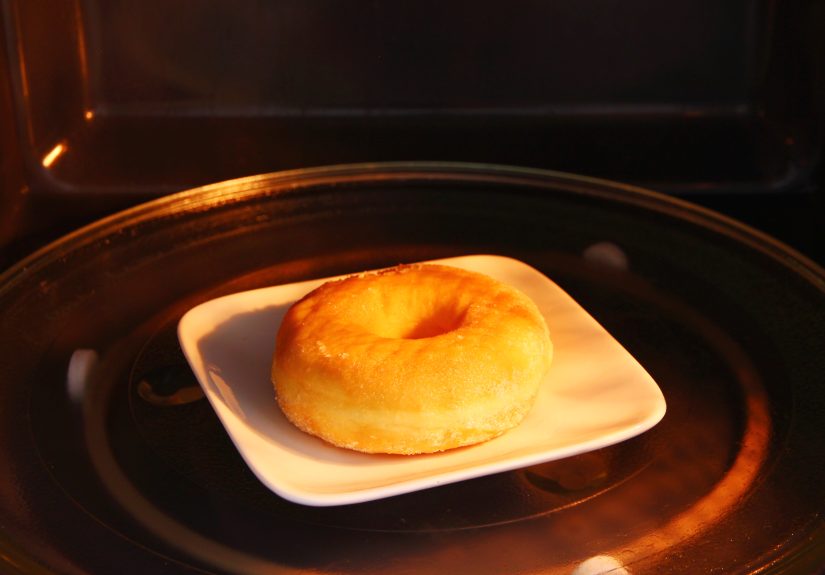
Transfer the donuts to the counter and let them come to room temperature while still protected. For a fresher texture, give them a brief warm-up in the microwave or oven. A few seconds in the microwave can soften many donuts nicely, and some glazed varieties respond especially well to a quick, careful reheat.
If you are thawing several donuts for brunch, a low oven works well. Just avoid overheating them, or you’ll trade “stale” for “mysteriously tough.”
How to Refresh Donuts That Are Starting to Stale
If your donut is a little past its prime but not dried into a historical artifact, you can often improve it. Heat and a tiny bit of patience go a long way.
Quick ways to revive donuts
- Microwave: Great for softening plain or glazed donuts quickly
- Low oven: Better for several donuts at once and often gives a more even result
- Room-temperature rest: Helpful for refrigerated filled donuts that taste too firm straight from the fridge
Warmth can soften crumb and bring back some of that bakery feel, but it cannot reverse severe staleness forever. Think of reheating as a tune-up, not time travel.
Common Mistakes That Ruin Donut Freshness
1. Storing warm donuts too soon
This creates steam, then condensation, then soggy disappointment.
2. Refrigerating every donut automatically
Refrigeration is smart for perishable fillings, but not ideal for every plain or glazed donut.
3. Leaving filled donuts out too long
If the filling is dairy- or egg-based, don’t gamble with it.
4. Stacking frosted donuts without protection
This is how beautiful toppings turn into abstract art.
5. Freezing donuts after they are already stale
The freezer preserves what you have. It does not upgrade mediocrity into greatness.
What to Do with Leftover Donuts
If your donuts are no longer ideal for eating out of hand, don’t throw them away too quickly. Slightly stale donuts can still shine in creative desserts. Use them for bread pudding, French toast bakes, trifles, or even chopped donut parfaits. In fact, a donut that is a little dry can be excellent when soaked into a custard-based dessert.
This is especially handy after parties, office meetings, or those mysterious mornings when someone says, “I’ll just bring a few donuts,” and suddenly there are thirty-seven.
Final Verdict: The Best Way to Keep Donuts Fresh
If you want donuts to taste fresh overnight, keep most unfilled donuts at room temperature in a protected container and away from heat or humidity. If your donuts contain cream, custard, cheesecake, whipped cream, or cream cheese frosting, refrigerate them promptly. If you need to keep donuts longer than a couple of days, freeze them early while their texture is still at its best.
The real secret is matching the storage method to the donut type. Plain donuts want protection from air. Glazed donuts want space and gentle handling. Filled donuts want cold storage. And all donuts want to be eaten before someone in your house decides they “weren’t sure whose they were,” which is a sentence history should not forgive.
Real-Life Donut Storage Experiences: What Works, What Fails, and What I’d Do Again
Over time, I’ve learned that donut storage is less about perfection and more about not making a series of tiny pastry mistakes. For example, I once left a box of glazed yeast donuts on the counter in the original half-open bakery box and assumed they would be fine by morning. They were edible, sure, but they had the texture of sweet packing foam. Since then, I’ve had much better luck moving donuts into a proper container the same night, especially when I know breakfast is the next stop.
I’ve also learned that cake donuts are the low-maintenance heroes of the donut world. Cinnamon sugar and old-fashioned cake donuts usually hold up better overnight than fluffy glazed yeast donuts. They may lose a little tenderness, but they rarely become sticky or messy. If I’m buying donuts for the next day, cake donuts are often the smart pick, while glazed yeast donuts are the ones I try to eat first, preferably while still making questionable life choices in a parking lot with coffee.
Refrigeration has been a mixed bag in my experience. It absolutely helps with cream-filled donuts, especially Boston cream or cheesecake-style donuts that should not be hanging out at room temperature. But for plain glazed donuts, the fridge often makes them firmer than I want. They are not ruined, but they lose that soft bakery feel. Letting them sit out for a bit helps, and a quick warm-up can improve things, but I only refrigerate unfilled donuts if I truly need the extra time.
Freezing, on the other hand, has saved more donuts than I care to admit. It works best when I freeze them the same day I buy them instead of waiting until they are already sad. Individually wrapping them is worth the extra minute because it prevents freezer burn and makes it easy to thaw exactly what I need. This is especially useful after birthdays, office leftovers, or weekends when someone buys a “small box” that somehow contains enough sugar to launch a village.
One of the best practical lessons I’ve picked up is to think about toppings before storage. Powdered sugar is fairly forgiving. Thick frosting is not. Glaze can get sticky. Filled donuts can ooze if they are packed too tightly. So now I store delicate donuts in a single layer whenever possible, and I stop pretending that twelve specialty donuts can live in harmony in one cramped plastic container. They cannot. They need boundaries.
If I had to sum up my personal rule, it would be this: buy with intention. If the donuts are for tonight, get whatever looks best. If they are for tomorrow morning, favor cake donuts and store them carefully. If they are filled, refrigerate them. If you somehow bought enough donuts for a small conference, freeze the extras before freshness disappears. Donuts are simple, but they reward a little strategy. And frankly, anything that protects future-you from stale pastry regret is a very good kitchen habit.