Table of Contents >> Show >> Hide
- Before You Grab the Spice Jar: Safety First
- How to Use Cayenne Pepper to Keep Dogs Off the Lawn
- Humane Alternatives That Don’t Rely on Heat
- Protecting Your Lawn While You Protect the Dogs
- When You Should Skip Cayenne Altogether
- What to Do If a Dog Gets Cayenne in Their Eyes or Nose
- Extra: Real-World Experiences Using Cayenne on the Lawn
- Conclusion: A Balanced Approach to a Peaceful Lawn
Dogs are wonderful. Your lawn is wonderful. The problem is that sometimes the two together
are… less than wonderful. Yellow pee spots, surprise “landmines,” and freshly dug craters
can turn a lush yard into something that looks like it lost a fight with a backhoe. If
you’ve heard that sprinkling cayenne pepper can keep dogs off the grass, you’re not alone.
Cayenne pepper has a strong smell and spicy kick that most dogs really don’t enjoy, which
is why it shows up in many homemade dog repellent recipes.
But before you go dusting your yard like you’re seasoning a giant casserole, it’s important
to understand how cayenne works, what the risks are, and how to use it in the most humane,
lawn-friendly way possible along with some gentler alternatives.
Before You Grab the Spice Jar: Safety First
Why cayenne repels dogs
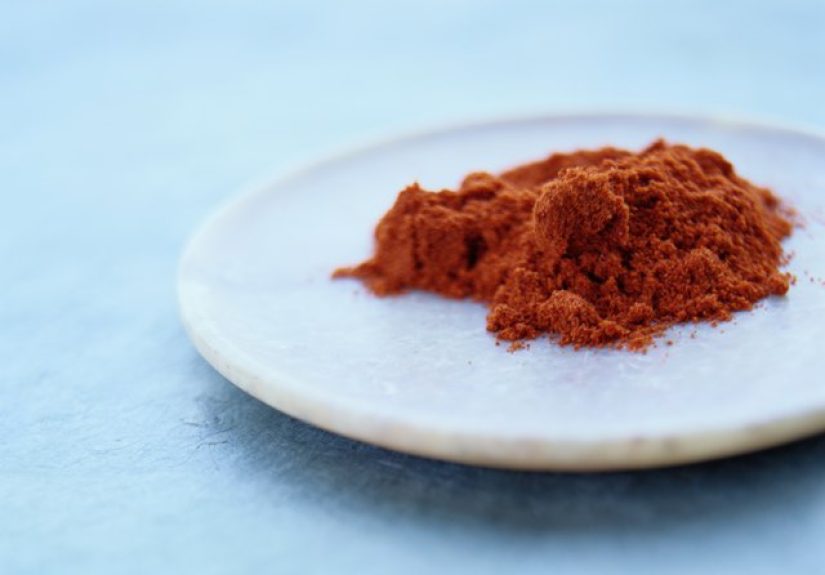
Cayenne pepper gets its heat from capsaicin, a compound that irritates the mouth, nose,
and eyes. Dogs have incredibly sensitive noses, so what smells pleasantly spicy to us can
feel like a burning cloud of regret to them. Strong spicy scents such as cayenne, crushed
red pepper, and chili powders are widely reported to repel dogs because they irritate the
nasal passages and eyes.
When a dog sniffs at an area treated with cayenne, the irritation usually sends them
trotting away to find a more comfortable potty spot. In other words, cayenne doesn’t work
because dogs “hate the taste” it works because it’s physically uncomfortable.
Is cayenne pepper safe for dogs?
Here’s where things get serious. While a tiny exposure to cayenne is unlikely to cause
permanent harm, many pet experts and landscapers warn against using pepper as a dog
repellent. The American Kennel Club notes that cayenne can irritate a dog’s eyes if they
rub them after contacting the pepper. Veterinary sources also warn that
inhaling or ingesting pepper can cause burning pain, excessive drooling, sneezing, and
gastrointestinal upset.
Some lawn care guides go even further and advise homeowners not to use any kind of pepper
as a dog repellent because of the risk of respiratory irritation if it’s inhaled.
So if you do decide to use cayenne at all, treat it like a last-resort tool: use very small
amounts, keep it on the outer edges of your lawn, and combine it with friendlier methods.
One more concern: kids. If you have children playing on the grass, or neighbors’ kids
regularly cut through your yard, heavy pepper use is not a good idea. A handful of soccer
and a face full of cayenne is a combo nobody wants.
How to Use Cayenne Pepper to Keep Dogs Off the Lawn
If, after weighing the pros and cons, you still want to try cayenne, think of it as a
“light seasoning” around the perimeter of your lawn rather than a full-on coating. The
goal is to create a gentle scent barrier, not a pepper minefield.
Step 1: Choose the right form of cayenne
-
Ground cayenne powder: Easy to find and spreads evenly, but it can blow
in the wind if applied too heavily. -
Crushed red pepper flakes: Less dusty and easier to see where you’ve
applied them, but they break down more slowly. -
Homemade spray: Cayenne mixed with water can be used for targeted
spraying on hard surfaces and mulch instead of directly on grass.
Whichever form you pick, store the container safely away from pets and kids especially if
you’re refilling from your kitchen supply.
Step 2: Create a light perimeter sprinkle
Instead of covering the whole lawn, focus on the “hot zones” where dogs most often visit:
along sidewalks, around mailboxes, and near your favorite flower beds.
- Mow and lightly rake the area so the pepper doesn’t just sit on tall grass blades.
-
Wearing gloves, take a small pinch of ground cayenne or pepper flakes and
lightly dust the soil or mulch at the edges of your lawn or around
specific beds. -
Avoid applying pepper where dogs or people might lie down, where your own pets roll, or
in high-traffic play areas. -
Do not create thick piles of powder you want a faint dusting, not a red carpet of
capsaicin.
Some homeowners have also reported success dry-sprinkling a thin line of cayenne along the
border where grass meets pavement as a “spicy fence,” though again, this should be done
sparingly and only in calm weather to reduce airborne dust.
Step 3: Mix a diluted cayenne spray (optional)
If you prefer not to sprinkle dry powder, you can make a diluted spray to use on
non-grassy surfaces like rocks, edging, or mulch. Many DIY guides suggest a simple
formula:
- 1 teaspoon of cayenne pepper powder
- 1 quart (or liter) of water
- A few drops of mild dish soap to help it stick
Stir or shake well, then pour the mixture into a spray bottle. Lightly mist the surfaces
where you want dogs to think twice about stepping again, focus on borders, not the entire
yard. Some video tutorials recommend similar ratios for lawn perimeters to discourage dogs
from walking or peeing in specific areas.
Never spray cayenne directly at a dog, and avoid windy days so the mist doesn’t blow back
into your own face or a passerby’s.
Step 4: Reapply thoughtfully
Rain, sprinklers, and regular mowing will wash away or dilute the pepper over time.
Check your borders every few days and reapply a small amount as needed. It’s also
smart to rotate scents alternate cayenne with citrus peels or a diluted vinegar spray,
so you’re not constantly loading the soil with pepper.
Humane Alternatives That Don’t Rely on Heat
Here’s the truth: many lawn-care pros and humane-pet advocates prefer gentler methods over
pepper, and your lawn (and conscience) may be happier if cayenne is just one part of a
bigger strategy.
Citrus and vinegar scent barriers
Dogs generally dislike sharp, sour smells. That’s why citrus and vinegar show up in almost
every list of natural dog repellents.
-
Citrus peels: Scatter fresh orange, lemon, or grapefruit peels along
the edges of your lawn or around beds. As they break down, they release oils dogs tend
to avoid and even add a little organic matter back into the soil. -
Vinegar spray: Mix one part white vinegar with three parts water and
spray it on hard surfaces or gravel. Avoid spraying undiluted vinegar directly on grass,
since it can burn plants.
These options still smell strong, but they’re less likely than cayenne to cause painful
irritation if a dog gets them on its face.
Dog-repelling plants and landscaping tweaks
Some plants naturally discourage sniffing and lounging because of their fragrance or
texture. Garden designers often recommend lavender, rosemary, marigolds, citronella, and
rue as dog-deterring choices for borders and beds.
You can also:
- Add a strip of decorative gravel or river rock along the sidewalk edge.
-
Use low hedges or ornamental fencing as a gentle physical reminder that this lawn is not
an open restroom. - Create narrow paths to guide foot (and paw) traffic away from your most delicate turf.
Motion-activated sprinklers and commercial repellents
Dogs are smart. After one surprise spray from a motion-activated sprinkler, most decide
your grass is not worth the hassle. These devices sense movement and shoot a quick burst
of water startling but harmless.
If you’d rather skip homemade concoctions altogether, commercial dog repellents are
available that use strong but non-pepper scents such as methyl nonyl ketone. The EPA
classifies these as safe when used according to label directions, though direct eye or
skin contact can still cause minor irritation.
Barriers and neighbor diplomacy
If the dog in question belongs to a neighbor, an honest, friendly conversation can
sometimes do more than any repellent. Pair that with clear signs, a small fence, or
strategic shrubs, and you may not need cayenne at all.
Protecting Your Lawn While You Protect the Dogs
Part of the frustration behind “mystery dog damage” is not just the mess it’s the brown,
dead circles left behind by urine and constant trampling. Concentrated dog urine can burn
grass, especially in hot weather, leading to patchy or discolored turf.
A more lawn-friendly plan might include:
-
Rinsing spots quickly: If it’s your own dog, keep a watering can handy
and dilute any fresh pee spots with water. -
Creating a designated potty zone: A corner of the yard with gravel,
mulch, or hardy groundcover can be trained as your dog’s bathroom, saving the rest of
the lawn. -
Overseeding and fertilizing wisely: Repair damaged patches with seed and
avoid overfertilizing, which can make burn spots worse.
When You Should Skip Cayenne Altogether
For some yards and situations, cayenne just isn’t worth the risk. You should avoid using
pepper as a dog deterrent if:
-
Dogs with known respiratory or eye issues regularly pass through your yard, or your own
pets use the space. - Children often play barefoot on the lawn.
-
You live in a windy area where pepper dust is likely to blow into sidewalks or neighbors’
yards. -
Local ordinances or neighborhood rules consider pepper or similar irritants an inhumane
deterrent for animals.
In these cases, lean harder on citrus, vinegar, dog-repelling plants, motion sprinklers,
and good old-fashioned fencing. Your lawn can look great without making any dog miserable.
What to Do If a Dog Gets Cayenne in Their Eyes or Nose
Accidents happen. If a curious pup sticks their nose where you sprinkled pepper and starts
sneezing, pawing at their face, or showing signs of discomfort:
-
Move the dog to a fresh-air area away from the pepper and keep them calm so they don’t
rub their face more. -
Gently flush their eyes, nose, or mouth with cool water. Veterinary sources recommend
rinsing thoroughly and calling a vet if irritation persists. -
Offer fresh drinking water and monitor for ongoing vomiting, diarrhea, or trouble
breathing. -
If symptoms worsen, contact your veterinarian or an emergency poison hotline such as the
ASPCA Animal Poison Control Center.
If you find yourself dealing with this often, that’s a sign that pepper isn’t the right
solution for your yard.
Extra: Real-World Experiences Using Cayenne on the Lawn
Talk to a handful of homeowners and you’ll hear very different stories about using cayenne
to keep dogs off the lawn. Some swear by a light border sprinkle. Others say it barely
slowed the neighborhood dogs down or that their own pet turned out to be a spice fan and
happily rolled right through it.
One common pattern: people who like cayenne as a deterrent tend to use it
sparingly and in combination with other tactics. For example, a homeowner might
run a narrow line of pepper along the property edge while also putting up a small
decorative fence and tossing citrus peels into their flower beds. The pepper isn’t doing
all the work; it’s part of a “sensory wall” that nudges dogs to keep walking.
Another frequent lesson is that you can overdo it. A heavy-handed application doesn’t just
smell strong; it can blow into your own eyes when you’re mowing or gardening. Some lawn
care pros note that while cayenne itself doesn’t usually kill grass, too much of any
concentrated powder sitting on the blades can stress or discolor turf, especially in hot,
dry conditions.
People who’ve had the best luck with cayenne usually:
-
Treat only the most problematic zones like a corner where one dog consistently
urinates. - Reapply lightly after rain instead of piling on more and more throughout the week.
-
Combine pepper with “polite barriers” such as shrubs, edging, or small garden fences to
send a visual cue as well as a scent cue.
You’ll also hear cautionary tales. A neighbor might report that a dog clearly got pepper in
its eyes and needed to be rinsed, or that a passerby complained about coughing after
walking through a freshly sprinkled area. These stories are exactly why many modern guides
now emphasize motion sprinklers, citrus, and fencing as primary solutions, with cayenne
treated as a last-resort, use-with-care option instead of a main strategy.
The real takeaway from these experiences is that there’s no one-size-fits-all fix. Some
dogs are highly sensitive and will avoid a lightly dusted border forever. Others barely
notice and just choose a different patch of grass. If you try cayenne, think of it as a
reversible experiment: start small, watch how dogs respond, and be willing to pivot to
gentler methods if you see signs of distress in any pets (including your own).
In the long run, the most successful “dog-proof” lawns usually rely on a mix of smart
landscaping, clear boundaries, and humane deterrents. Cayenne can play a small supporting
role but your goal is a lawn that looks good, feels safe, and doesn’t require a hazmat
suit every time someone wants to play catch.
Conclusion: A Balanced Approach to a Peaceful Lawn
Cayenne pepper can help keep dogs off your lawn by creating an irritating scent
barrier, but it’s not a magic fix and it comes with real risks if overused or used
carelessly. When safety and humane treatment are your top priorities, cayenne should be
applied lightly, kept to the edges, and backed up by friendlier tools like citrus, diluted
vinegar sprays, motion-activated sprinklers, dog-repelling plants, and thoughtful
landscaping.
If you choose to use cayenne, start small, monitor how dogs react, and stay ready to dial
it back or switch methods. Your reward: a healthier lawn, fewer surprise “presents,” and
the peace of mind that comes from protecting both your turf and the dogs just trying to
pass through the neighborhood.